 Insurance Curator
 Bringing up estate planning with your aging parents can feel like walking through a minefield. You want to protect their legacy and ensure their wishes are honored, but the conversation often triggers fears of control, loss of independence, or even death. The result? Many families avoid the topic until a crisis forces their hand.
Yet avoiding the conversation is far more costly. Without a plan, families face probate court, tax penalties, and bitter disputes over assets. The good news is that with the right approach, you can have this discussion in a way that strengthens trust rather than creates conflict. This guide will show you exactly how to do that.
Let’s start with a powerful resource that can open the door gently. The book Living Trusts, Wills & Estate Planning for Seniors – The Complete 3-in-1 Guide offers practical forms and step-by-step advice to demystify the process. We’ll return to helpful tools like this throughout the article.

Why Estate Planning Conversations Are So Difficult
Emotions run high because estate planning touches on the deepest human fears: mortality, control, and family dynamics. Many parents worry that planning means giving up control over their own lives. They may also see it as a betrayal of their independence.
Adult children often hesitate because they don’t want to seem greedy or disrespectful. This mutual avoidance creates a dangerous gap. When a parent becomes incapacitated or passes away without a plan, the legal system takes over—often in ways the family never intended.
Understanding these emotional blocks is the first step to overcoming them. You are not delivering bad news; you are offering peace of mind.
Frame the Conversation as a Gift, Not a Chore
The language you use sets the tone. Instead of saying “we need to talk about your will,” try “I want to make sure we honor your wishes exactly as you want.” This shifts the focus from a legal obligation to a loving act.
Use “we” language to signal teamwork. For example: “Let’s figure out how we can make things easier for the whole family down the road.” This positions you as an ally, not an interrogator.
Research shows that seniors who complete estate planning report less anxiety and greater satisfaction. Frame the process as a way to reduce their stress about the future—and yours.
Start with a Simple Prompt
Starting a conversation can be the hardest part. You might say: “Mom, I was reading an article about how important it is to have documents in place so that everyone knows your wishes. I’d love to learn more about what’s important to you.” Or: “Dad, I want to make sure that if anything ever happens, we carry out your plans exactly as you’d like. Could we talk about what you have in mind?”
These open-ended questions invite dialogue without pressure. They put the parent in the driver’s seat.
Choose the Right Time and Place
Timing is everything. Never bring up estate planning during holidays, family gatherings, or stressful moments. Instead, schedule a quiet, neutral time when both of you can focus.
A calm coffee at their home, a walk in the park, or a relaxed Sunday afternoon works well. Avoid ambushing your parent. Let them know ahead of time that you’d like to discuss something important about the future.
Keep the setting private and comfortable. If your parent feels cornered or on display, defensiveness will rise. Remember, this is a conversation, not an intervention.
Involve a Neutral Third Party
Sometimes a parent will resist advice from their own child but listen carefully to a professional. An estate planning attorney, a financial planner, or even a trusted family friend can serve as a neutral facilitator.
You can say: “I’ve been learning about estate planning, but I think it would be best to get expert advice so we don’t miss anything. Would you be open to meeting with a lawyer together?” This removes you from the role of “pushing” and makes the parent feel they are in control.
Many attorneys offer free initial consultations. The cost is small compared to the peace of mind gained.
Use a Resource to Break the Ice
Books, workbooks, and planners can be a non-threatening way to introduce the topic. You might leave a copy of Estate Planning For Dummies on the coffee table, or gift a practical organizer like I’m Dead, Now What? Planner.

These tools make the subject tangible and less abstract. The I’m Dead, Now What? Planner helps parents log everything from account numbers to funeral wishes, making the conversation feel practical rather than morbid.
Listen More Than You Talk
Your parent needs to feel heard. Ask open-ended questions like “What worries you most about the future?” or “What would you like to happen with your home?” Then listen without interrupting.
Active listening validates their emotions. It also reveals their true values and concerns. You may discover that they already have a will but never told anyone, or that they want to leave a special gift to a grandchild.
Avoid jumping in with solutions. Let them express their fears or hopes fully. The goal is understanding, not fixing.
Address Common Objections Without Pushing Back
Parents often raise roadblocks like “I’m not that old yet,” “I don’t have enough assets,” or “I don’t want to think about death.” Acknowledge their feelings first, then gently reframe.
- “I’m too young.” Respond: “I hope you have many healthy years ahead. A plan simply protects you in case of an unexpected illness or accident—just like a seatbelt.”
- “I don’t have much.” Respond: “Even small estates go through probate, which takes time and money. This is about making things simple for us, not about how much you own.”
- “I don’t want to talk about death.” Respond: “I understand. Think of it as a life plan—how you want to be cared for and how you want your legacy to live on.”
Stay calm and patient. Your parent may need multiple conversations over weeks or months before they’re ready to act.
Break It Down into Small Steps
The enormity of estate planning can overwhelm anyone. Help your parent focus on one piece at a time.
Start with the most straightforward documents: a durable power of attorney for finances and a healthcare proxy. These are less emotionally charged than a will because they address incapacity rather than death.
Next, move to an advance directive (living will). Then discuss a last will and testament or a living trust. Each completed step builds momentum and confidence.
You might say: “Let’s just get the healthcare proxy done today. It’s one page and we can do it together.”
Use Visual Aids and Checklists
People process information better when they see it laid out. Use a simple checklist like this to guide the conversation:
| Document | Purpose | Who Needs It |
|---|---|---|
| Will | Distributes property after death | Everyone with any assets |
| Living Trust | Avoids probate, manages assets during incapacity | Larger estates, real estate owners |
| Healthcare Proxy | Appoints someone to make medical decisions | Everyone |
| Financial Power of Attorney | Appoints someone to handle finances if incapacitated | Everyone |
| Advance Directive | Documents end-of-life wishes | Everyone |
A visual summary reduces anxiety and makes the process feel manageable. You can print this out and review it together.
Highlight the Cost of Doing Nothing
Sometimes the most compelling argument is the pain of inaction. Explain gently that without a will, state laws (intestacy) decide who gets what—and that may not align with their wishes. Without a power of attorney, the family may have to petition a court for guardianship, which is expensive and public.
Probate can eat up 3–7% of an estate’s value and drag on for months. This is money that could have gone to grandchildren or charity.
Share real-life examples from your own family or friends—without naming names—to illustrate the consequences of delay. Tangible stories hit harder than theoretical warnings.
Incorporate a Living Trust When Appropriate
For many seniors, a basic will isn’t enough. A living trust can bypass probate, provide privacy, and manage assets if the person becomes incapacitated. It’s especially valuable for families with real estate, blended families, or a desire to keep details private.
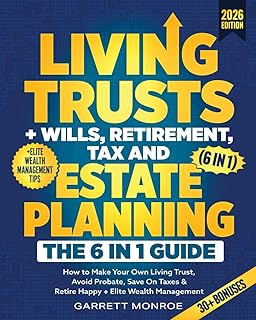
The comprehensive guide Living Trusts + Wills, Retirement, Tax & Estate Planning – The 6-in-1 Guide covers how trusts interact with taxes and retirement. It’s a solid resource for parents who want to understand the bigger picture.
Respect Their Autonomy and Choices
You may have strong opinions about who should be executor or trustee. But ultimately, it’s their plan, not yours. If your parent chooses a sibling you don’t trust, or decides to leave money to a cause you disagree with, bite your tongue.
Trying to override their decisions will create resentment and stall the entire process. Your role is to facilitate, not dictate.
If you see genuine risks (e.g., choosing an irresponsible friend as executor), you can ask gentle questions: “What qualities were you looking for when you chose that person? Have you thought about what would happen if they became unavailable?” Let them reflect.
Bring Siblings into the Loop Carefully
Nothing divides a family faster than perceived favoritism in an estate plan. If you have siblings, discuss the conversation approach beforehand. Agree that the goal is to honor your parents’ wishes, not to jockey for inheritance.
If possible, have at least one meeting with all siblings and parents present. Transparency reduces suspicion. Your parents can then explain their reasoning directly.
If a sibling refuses to participate, don’t force it. Continue the dialogue with your parents one-on-one. Later, inform the sibling of key decisions in writing to avoid “surprises” after the fact.
Consider Digital Assets and Online Accounts
Estate planning today must include digital assets: email accounts, social media, online banking, cryptocurrency wallets, and even subscription services. Many parents don’t realize these need to be part of the plan.
Ask your parent to create a password manager or write down a list of accounts and instructions. The I’m Dead, Now What? Planner has a dedicated section for digital information, making this step easy and organized.
Digital estate planning is often overlooked but can save heirs months of frustration.
When to Suggest a Professional Facilitator
If your parent remains resistant after multiple attempts, it may be time to bring in a professional. This could be an estate planning attorney, a geriatric care manager, or a trusted financial advisor.
Frame it as: “I want to make sure we get this right. Let’s meet with an expert who can answer our questions and help us avoid mistakes.” This takes the pressure off you and adds authority.
A neutral third party often succeeds where family members fail, because there’s no emotional history.
Use Legal and Financial Resources
For parents who are ready to learn, the classic Nolo’s Guide to Estate Planning is an authoritative, unbiased resource. It covers everything from wills to trusts to tax strategies in clear language. Rating 4.7, it’s widely recommended by lawyers.

Having a trusted book gives your parent a private way to explore the topic at their own pace, without feeling pressured by you.
What If Your Parent Refuses Completely?
Sometimes, despite your best efforts, a parent will simply say no. Respect their wish for now, but don’t give up entirely. Revisit the conversation in six months, perhaps after a life event like the death of a friend or a health scare.
In the meantime, you can prepare your own estate plan and share that with them. Leading by example often inspires imitation. Say: “I just finished my own will and power of attorney, and it feels so freeing. Would you like to see what I did?”
You can also consult an attorney about your rights as a potential heir, but avoid forcing the issue. Forcing can damage relationships permanently.
Internal Resources to Deepen Your Knowledge
This topic connects to many adjacent areas. Explore our guides for deeper strategies:
Estate Planning 101: a Beginner’s Roadmap to Protecting Your Family and Assets
Essential Estate Planning Checklist for Families with Young Children
Estate Planning for High-net-worth Individuals: Strategies to Reduce Taxes and Risk
Estate Planning for Unmarried Couples: Legal Steps to Protect Your Partner
Digital Estate Planning: How to Secure Online Accounts, Crypto, and Digital Assets
Blended Families and Estate Planning: Avoiding Inheritance Disputes Among Stepchildren
Estate Planning for Small Business Owners: Succession, Buy-sell Agreements, and Continuity
Common Estate Planning Mistakes People Make—and How to Avoid Them
Estate Planning for Special Needs Dependents: Protecting Benefits and Quality of Life
Charitable Giving in Estate Planning: Smart Ways to Leave a Legacy That Lasts
Estate Planning after Divorce or Remarriage: What You Must Update Immediately
How Life Insurance Fits into Your Estate Planning Strategy?
Estate Planning for Caregivers: Planning for Your Loved One and Yourself at the Same Time
End-of-life Planning vs. Estate Planning: What Each Covers and Why You Need Both
Summary: A Conversation Can Change Everything
Talking to aging parents about estate planning doesn’t have to spark conflict. When you approach with empathy, listen deeply, and frame the discussion as a loving gift, you honor their autonomy while protecting the family’s future.
Start small, bring in resources, and be patient. Even a single document like a healthcare proxy can bring immense relief. And if resistance continues, remember that your gentle persistence may pay off months or years later.
The ultimate goal is not just a set of legal papers. It’s a shared understanding, a family united, and a legacy that reflects your parents’ true wishes.
Frequently Asked Questions
1. What is the best way to start an estate planning conversation with my parents?
Start with an “I” statement about your own fears or learning. For example: “I’ve been thinking about how important it is for everyone to have their wishes in writing. I’d love to understand what’s important to you.” This is non‑accusatory and invites dialogue.
2. My parent refuses to talk about death. How can I bring up estate planning?
Focus on the living aspects first: healthcare decisions and financial management in case of incapacity. Use terms like “peace of mind” and “taking care of each other” instead of “death” or “inheritance.”
3. Should I involve my siblings in the conversation?
Yes, ideally. Have a family meeting with your parents present to ensure transparency. If a sibling is hostile or uninvolved, continue one‑on‑one with your parent but keep the sibling informed afterward.
4. Do we need an attorney or can we do it ourselves?
For simple estates, DIY kits and books like Estate Planning For Dummies can work. For blended families, large assets, or trusts, consult an estate planning attorney.
5. What if my parent changes their mind after making a plan?
That’s their right. Estate plans should be reviewed every few years or after major life events (death of a spouse, sale of a home, new grandchildren). Encourage regular updates, but respect their new choices.