 Insurance Curator
 Caring for an aging parent, a spouse with a chronic illness, or a special needs child is a heroic act of love. Yet most caregivers pour so much energy into their loved one’s well‑being that their own financial and legal future takes a back seat.
Estate planning for caregivers isn’t just about protecting assets after death. It’s about ensuring you have the legal authority to make decisions for your loved one today, while simultaneously shielding your own savings, retirement, and family from unnecessary court costs, taxes, and family conflict. This guide walks you through the dual planning process step by step, with expert insights, product recommendations, and a clear roadmap.
TL;DR: Caregivers must create a living trust or will, durable power of attorney, and healthcare directive for both themselves and their care recipient. Tools like Living Trusts, Wills & Estate Planning for Seniors – The Complete 3-in-1 Guide can simplify the paperwork, while a comprehensive planner like I’m Dead, Now What? keeps critical information organized. Below, we dive deep into each step.
Why Caregivers Need a Different Kind of Estate Plan
Family caregivers often juggle two sets of legal, financial, and medical concerns simultaneously. A standard estate plan may not address the unique pressures you face.
- You may be acting as a proxy decision‑maker – You need legal authority (durable power of attorney, healthcare proxy) for your loved one. Without this, even routine medical or financial decisions can require a costly guardianship proceeding.
- Your own financial health is at risk. Caregiving expenses, reduced work hours, and missed career opportunities can deplete your retirement savings. Your estate plan must protect what you have left.
- Your assets and your loved one’s assets may be commingled. Joint bank accounts, shared property, and pay‑on‑death designations need careful coordination to avoid unintended tax consequences or benefit disqualification (e.g., Medicaid).
Expert insight: “Caregivers should never assume that being the next‑of‑kin gives them automatic decision‑making power. In most states, without a properly executed power of attorney, you’ll need to go to court to become a guardian.”
The Foundation: Essential Legal Documents for Both Parties
No matter your relationship or the caregiving situation, every estate plan rests on a handful of core documents. You need a complete set for yourself and a parallel set for your loved one.
1. Will vs. Living Trust
| Document | Best for | Probate? | Privacy |
|---|---|---|---|
| Will | Simple estates, naming guardians, small assets | Yes – public process | Low – becomes public record |
| Living Trust | Larger estates, avoiding probate, blended families, disability planning | No – trust assets pass privately | High – stays private |
For caregivers, a revocable living trust offers an extra advantage: you can name yourself as trustee now, then a successor trustee to step in if you become incapacitated. The same trust can hold assets for your care recipient if you inherit them.
Expert insight: “A living trust gives caregivers control without court interference. If you ever become unable to manage your own affairs, your successor trustee can step in seamlessly – exactly what you need when you’re already stretched thin.”
A good resource to guide you through the trust‑creation process is Nolo’s Guide to Estate Planning, rated 4.7 stars and widely used by do‑it‑yourself planners.
2. Durable Power of Attorney (Financial)
This document allows someone you trust to manage your finances if you become incapacitated. As a caregiver, you likely need one for yourself and one for your loved one.
Why separate is important:
- Your loved one’s power of attorney gives you the legal right to pay their bills, manage their bank accounts, and file their taxes.
- Your own power of attorney ensures that if you fall ill, someone else can keep your household running without a guardianship.
3. Advance Healthcare Directive (Living Will + Healthcare Proxy)
This document spells out your loved one’s end‑of‑life wishes and names you (or another person) as their healthcare agent. Simultaneously, you should also complete your own advance directive.
Key components:
- Healthcare proxy: The person authorized to make medical decisions when you cannot.
- Living will: Your instructions about life‑sustaining treatments, pain management, and organ donation.
4. HIPAA Authorization
Caregivers need HIPAA releases for their loved ones to access medical records. Without this, doctors legally cannot share information with you – even if you’re the spouse or adult child. Include HIPAA authorizations in both sets of documents.
Real‑World Scenario: Planning for Mom and Yourself
Let’s walk through a typical caregiver situation to see how these documents come together.
Situation: Maria is a 55‑year‑old caregiver for her 82‑year‑old mother, Rosa, who has early‑stage dementia. Maria works part‑time and has two adult children. She has a modest 401(k) and a paid‑off home.
What Maria must do for Rosa:
- Establish a durable power of attorney so she can manage Rosa’s Social Security and pension payments.
- Create an advance healthcare directive naming herself as agent.
- Transfer Rosa’s assets into a living trust to avoid probate and protect against future Medicaid eligibility issues.
- Fund a special needs or supplemental needs trust if Rosa qualifies for Medicaid.
What Maria must do for herself:
- Write her own will or living trust to leave her home and 401(k) to her children.
- Designate a succesship trustee and healthcare agent in case she becomes incapacitated.
- Review beneficiary designations on her life insurance and retirement accounts – these override her will.
Without both plans, if Maria were to fall ill, Rosa could end up in state‑run care while Maria’s assets go through a long probate process that leaves her children waiting years.
Tax and Benefit Implications You Cannot Ignore
Caregivers often overlook how their estate planning decisions affect income taxes, gift taxes, and means‑tested benefits like Medicaid and Veterans’ Aid.
Medicaid Look‑Back Period
If your loved one eventually needs nursing home care paid for by Medicaid, any asset transfers made within five years of applying can trigger a penalty period. Do not transfer assets without speaking to an elder law attorney.
Capital Gains and Step‑Up in Basis
When you inherit a home or investments, they generally receive a “step‑up” in cost basis to fair market value at the date of death. Selling the property shortly after inheritance can minimize capital gains tax. However, if you already co‑own the property with your loved one, you may lose part of that step‑up. Consult a tax professional.
Gift Tax Exclusions
You can give up to $18,000 per year (2024 limit) to any individual without filing a gift tax return. If you are paying your loved one’s medical bills directly to providers, those payments are exempt from gift tax – a valuable strategy for caregivers.
Digital Estate Planning: Don’t Forget Online Accounts, Crypto, and Subscriptions
Your loved one likely has email, social media, bank accounts, utility bills, medical portals, and possibly cryptocurrency. Without a plan, these digital assets can become permanent dead ends.
Steps to take:
- Create a password manager – Log all accounts and share credentials with your estate executor.
- Use a planner like I’m Dead, Now What? – This organizer has prompts for digital accounts, safe deposit boxes, insurance policies, and final wishes. At $11.63, it’s a small investment that saves hours of guesswork.
- Name a digital executor – Some states allow you to grant authority to manage digital assets in your will or trust.
- Document crypto holdings – Store private keys and exchange login details in a secure location, and tell your executor how to access them.
Expert insight: “I’ve seen families lose thousands of dollars in Bitcoin because the caregiver never wrote down the seed phrase. A simple notebook or a product like the I’m Dead, Now What? planner can prevent that.”
How to Build Your Caregiver Estate Plan in 7 Steps
Below is a practical, step‑by‑step checklist you can follow for both you and your loved one.
-
Gather all financial and legal documents
- Bank and investment statements, deeds, insurance policies, retirement accounts, tax returns, and prior estate documents.
-
Decide whether to use a lawyer or a DIY kit
- For complex estates (business owners, blended families, special needs), hire an estate planning or elder law attorney.
- For straightforward situations, a comprehensive guide like Living Trusts + Wills, Retirement, Tax & Estate Planning – The 6-in-1 Guide offers step‑by‑step instructions and forms. It covers wills, trusts, retirement, tax strategies, and wealth management. Rated 4.5 stars, it’s an excellent all‑in‑one resource.
-
Create or update your living trust and will
- If you want to avoid probate and provide for disability, a living trust is essential.
- Make sure both you and your loved one have separate trusts or a shared revocable trust with proper funding.
-
Execute durable powers of attorney and healthcare directives
- Complete these for each person. Signing dates must be witnessed and notarized (laws vary by state).
-
Review and update beneficiary designations
- Life insurance, 401(k)s, IRAs, and transfer‑on‑death accounts bypass your will. Name primary and contingent beneficiaries.
-
Plan for long‑term care and Medicaid
- Consider a special needs trust if your loved one receives public benefits.
- Learn about “Medicaid‑friendly” annuity and asset conversion strategies.
-
Store everything in one organized location
- Use a fire‑safe box or cloud vault. Keep a master list of contact info for your attorney, successor trustee, and healthcare agent.
For a beginner‑friendly overview of these steps, read our Estate Planning 101: a Beginner’s Roadmap to Protecting Your Family and Assets.
Common Mistakes Caregivers Make (and How to Avoid Them)
Even well‑intentioned caregivers can fall into traps. Here are the most frequent errors:
-
Mistake #1: Relying only on joint accounts. A joint account gives you access while both parties are alive, but after death the money goes to the survivor – which may not be your primary beneficiary. Plus, if your loved one has a Medicaid spend‑down, joint assets can be counted against them.
-
Mistake #2: Forgetting to update documents after divorce or remarriage. A former spouse might still be listed as beneficiary or healthcare agent. Update everything immediately after a major life change. See our guide on Estate Planning after Divorce or Remarriage: What You Must Update Immediately.
-
Mistake #3: Not planning for your own incapacity. Caregivers are at high risk for burnout and serious health issues. If you don’t name a successor trustee and healthcare proxy for yourself, your loved one could end up in crisis.
-
Mistake #4: Ignoring digital assets. Undocumented crypto, PayPal accounts, and subscriptions can be impossible to access after death. Use the I’m Dead, Now What? planner to catalogue everything.
-
Mistake #5: Procrastinating. The best estate plan is one that is signed and funded. Put it on your calendar this month.
Tools and Resources to Simplify the Process
You don’t have to reinvent the wheel. The following products are highly rated and can streamline both your planning and your loved one’s.
Recommended Reading & DIY Guides

Living Trusts, Wills & Estate Planning for Seniors – The Complete 3-in-1 Guide – $22.97, 4.4 stars. This book includes ready‑to‑use trust and will forms, perfect for caregivers managing a senior’s estate. It covers asset protection, probate avoidance, and family communication.
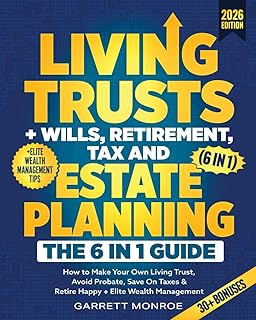
Living Trusts + Wills, Retirement, Tax & Estate Planning – The 6-in-1 Guide – $24.97, 4.5 stars. A broader manual that integrates estate planning with retirement and tax strategies. Ideal for caregivers who also need to protect their own nest egg.

Nolo’s Guide to Estate Planning – $27.89, 4.7 stars. The gold standard for DIY planners. Nolo provides state‑specific forms, plain‑English explanations, and an overview of trusts, wills, and estate tax.

Estate Planning For Dummies – $20.99, 4.3 stars. A quick, accessible read for absolute beginners. It covers the basics of powers of attorney, healthcare directives, and beneficiary designations.

I’m Dead, Now What? Important Information about My Belongings, Business Affairs, and Wishes – $11.63, 4.6 stars. This organizer is a must‑have for every caregiver. It helps you list all accounts, passwords, property, funeral wishes, and family contacts in one place. Fill it out now and save your loved ones from chaos.
When to Hire an Attorney vs. Going DIY
Not every caregiver needs to pay $2,000–$5,000 for an attorney. But some situations demand professional help.
| Go DIY if… | Hire a lawyer if… |
|---|---|
| Your estate is worth less than the state probate threshold (often $100k–$200k). | You own a business, rental property, or have significant assets. |
| You have a simple family (no ex‑spouses, stepchildren, or special needs). | Your loved one is receiving or may receive Medicaid or VA benefits. |
| You are comfortable reading forms and following instructions. | There is a potential family conflict over inheritance or guardianship. |
| Both you and your loved one are mentally competent and agree on the plan. | Your loved one has diminished capacity – you may need a conservatorship. |
For more on this decision, read Common Estate Planning Mistakes People Make—and How to Avoid Them.
How Life Insurance Fits into Your Caregiver Estate Plan
Many caregivers carry life insurance policies to replace lost income or cover final expenses. But you may also want to consider:
- Second‑to‑die insurance – Pays out after both you and your spouse die, often used to fund a trust for a special needs child.
- Term life for the caregiver – If you are the primary breadwinner and caregiver, a term policy ensures your loved one is provided for if you die first.
- Final expense insurance – A small policy ($5k–$25k) to cover funeral costs, so your children aren’t left with the bill.
Review how How Life Insurance Fits into Your Estate Planning Strategy? can protect both of you.
End‑of‑Life Planning vs. Estate Planning: Know the Difference
Estate planning focuses on legal and financial arrangements. End‑of‑life planning covers your wishes for medical care, funeral arrangements, and legacy. A caregiver must do both.
- Estate planning: Wills, trusts, powers of attorney, tax strategies.
- End‑of‑life planning: Living will, POLST (physician orders for life‑sustaining treatment), funeral plan, ethical will or letter of wishes.
See our comparison article: End‑of‑life Planning vs. Estate Planning: What Each Covers and Why You Need Both.
Special Situations Caregivers Face
Blended Families
If you are a caregiver for a spouse while also supporting children from a previous marriage, you need to balance inheritance. A qualified terminable interest property (QTIP) trust can provide income for your spouse while preserving assets for your children. Check out Blended Families and Estate Planning: Avoiding Inheritance Disputes Among Stepchildren for strategies.
Special Needs Dependents
If your loved one has a disability and receives Supplemental Security Income (SSI) or Medicaid, leaving them an inheritance directly could disqualify them. Instead, establish a special needs trust. Read Estate Planning for Special Needs Dependents: Protecting Benefits and Quality of Life.
Small Business Owners
Many caregivers run small businesses or freelance. Your business could be a valuable asset that needs succession planning. See Estate Planning for Small Business Owners: Succession, Buy-sell Agreements, and Continuity.
Expert Insights on Communication
One of the hardest parts of caregiving estate planning is talking to your loved one about death and incapacity. Avoid conflict by using a gentle, team‑based approach.
- Frame it as love: “I want to make sure your wishes are carried out and that you’re never alone without someone to make decisions for you.”
- Start early: Don’t wait until a crisis. Discuss when both parties are calm and healthy.
- Bring in a third party: A neutral financial planner or attorney can facilitate the conversation.
Our guide How to Talk to Aging Parents About Estate Planning Without Causing Conflict? offers scripts and tips.
Your Caregiver Estate Planning Action Plan
To wrap up, here is a concise monthly checklist you can print out:
- Month 1 – Gather documents; buy Nolo’s Guide or the 6‑in‑1 Guide to educate yourself.
- Month 2 – Draft powers of attorney and healthcare directives for both you and your loved one.
- Month 3 – Create a living trust or will (use the 3‑in‑1 Guide if appropriate).
- Month 4 – Fill out the I’m Dead, Now What? organizer with all digital, financial, and personal details.
- Month 5 – Review beneficiary designations; consult a tax pro if needed.
- Month 6 – Sign and notarize everything; distribute copies to your successor trustee, attorney, and trusted family members.
You are not alone. Millions of caregivers have walked this path. By estate planning for both your loved one and yourself, you are building a legacy of stability, respect, and peace of mind.
Frequently Asked Questions
1. Can I have a single estate plan that covers both me and the person I care for?
No, not usually. Even if you share a home and finances, each person needs their own will, trust, power of attorney, and healthcare directive. However, you can create a shared revocable trust if you are legally married and own assets jointly. Always consult a lawyer to avoid unintended consequences.
2. What happens if I become incapacitated before I finish my loved one’s estate plan?
If you have a power of attorney for your loved one, that document already gives you legal authority. But your own incapacity could leave both of you without a decision‑maker. That’s why you should complete your own documents first or at the same time. Name a backup successor trustee who can step in.
3. Is a living trust necessary if our total assets are less than $100,000?
It depends on your state’s probate threshold. In many states, small estates can bypass probate with a simple affidavit. However, a living trust also protects you in case of incapacity, which is valuable for caregivers. A simple will may suffice if assets are low and you are comfortable with probate.
4. How do I choose a successor trustee or healthcare agent?
Pick a person who is trustworthy, financially responsible, lives nearby (or can travel quickly), and is willing to take on the role. It is often best to choose someone who is not your primary caregiver, so they can act objectively. Always have a backup.
5. Should I hire an elder law attorney or a general estate planning lawyer?
For caregivers, an elder law attorney is often better because they understand Medicaid, special needs trusts, and VA benefits. A general estate planner may not be familiar with these nuances. Look for someone certified as an Elder Law Attorney (CELA) if possible.
6. Can I use a DIY book for a special needs trust?
It is risky. Special needs trusts must comply with federal and state laws to avoid disqualifying your loved one from benefits. A professional attorney is strongly recommended for this situation.
7. How often should I update the documents?
Review all documents every 3–5 years or whenever there is a major life event: marriage, divorce, death of a beneficiary, change in financial status, move to a new state, or a change in your loved one’s health condition.