 Insurance Curator
 Rental scams are one of the fastest-growing fraud categories in the United States, costing victims an estimated $350 million in losses annually according to the FBI. These scams not only drain bank accounts but also disrupt lives—especially for seniors relocating for retirement or families managing inherited rental properties. Understanding how to identify fake listings, fraudulent deposit requests, and impersonating landlords is essential for anyone involved in real estate transactions, and it fits squarely into a broader fraud prevention strategy that should be part of your estate planning toolkit.
Whether you’re a tenant searching for a new home, a property owner protecting your assets, or an executor handling a deceased relative’s rental portfolio, this guide will help you avoid becoming the next statistic.
The Anatomy of Rental Scams
Rental scammers are masters of deception. They exploit trust, urgency, and a lack of verification. While the tactics evolve, most schemes fall into a few core categories.
Fake Listings
A scammer copies photos from a legitimate property listing (often a home that is actually for sale or previously rented) and posts it on sites like Craigslist, Facebook Marketplace, or Zillow. The price is suspiciously low, and the unit appears move-in ready. When you inquire, the “landlord” claims they are out of town or overseas and cannot show the property in person. They pressure you to send a deposit or first month’s rent before you can view it.
Deposit and Fee Scams
Once they’ve hooked you, scammers demand a “holding deposit,” “application fee,” or “security deposit” via wire transfer, Venmo, Cash App, or gift cards. These methods are nearly impossible to reverse. After you pay, the fake landlord disappears.
Fake Landlord or Property Manager
Some criminals impersonate real property managers or homeowners by stealing their names, license numbers, or business emails. They may even create fake websites that look identical to a legitimate management company. They then collect rent and deposits from multiple victims before anyone catches on.
Identity Theft via Rental Applications
A less obvious scam involves the rental application itself. Fraudsters ask for your Social Security number, driver’s license, bank statements, and tax returns under the guise of a credit check. This information is then used to open credit cards or take out loans in your name.
Red Flags and Warning Signs
Knowing the warning signs can save you thousands of dollars and months of stress. Here are the most common red flags:
- Price is too good to be true – if a 3-bedroom house in a prime area is listed for half the market rate, it’s almost certainly a scam.
- Landlord refuses to show the property – legitimate property owners or managers will arrange a tour. If they claim to be “out of state” or “unable to show,” walk away.
- Pressure to act immediately – scammers use urgency (“I have five other applicants!”) to rush your decision.
- Payment requested via wire transfer, gift cards, or cash apps – these are unregulated and untraceable. Never pay a deposit before seeing the unit.
- No lease or a poorly written lease – a professional lease outlines tenant rights, maintenance responsibilities, and legal recourse. If the “landlord” can’t provide a standard lease, be suspicious.
- Unverified identity – the person you’re communicating with may use a generic email (e.g., landlord123@gmail.com) or refuse a video call.
- Property address is vague or doesn’t exist – do a reverse image search of the listing photos. If the same images appear on multiple sites for different addresses, it’s a scam.
Expert Insight: According to certified fraud examiner Laura Steele, “Rental fraud thrives on emotional urgency. When someone tells you another renter is about to take the deal, pause. That pressure is the scammer’s best weapon.”
Real-World Examples
The Phantom Apartment
Maria, a retiree relocating to Florida, found a beautiful beachfront condo on Facebook Marketplace. The “owner” claimed he was a missionary in Africa and couldn’t show the unit. He asked for a $2,000 deposit via Zelle to “hold” the property. Maria sent the money and never heard from him again. The real owner of the condo had no idea his listing photos had been stolen.
The Impersonated Property Manager
A family in California inherited a rental property after their mother passed away. They hired a property management company—or so they thought. The scammer had created a fake website using the name of a real, well-known firm. The family paid a $3,000 management fee upfront. The money disappeared, and the actual company had no record of their account.
These stories are not rare. In 2023, the FTC reported that rental scams accounted for nearly 40% of all reported real-estate fraud. Victims lost an average of $1,200 per incident.
How Scammers Operate
Understanding the scammer’s playbook is your best defense. They follow a predictable pattern:
- Harvest legitimate content – they scrape photos, addresses, and descriptions from real listings.
- Create a sense of scarcity – they list at a low price and claim high demand.
- Build false trust – they send fake “keys” or sign digital documents to appear legitimate.
- Request irreversible payment – wire transfers, Zelle, Cash App, or gift cards.
- Disappear – once you pay, they block your number and delete the listing.
Why Wire Transfer and Zelle Are Dangerous
Unlike credit card payments, which offer chargeback protections, wire transfers and peer-to-peer apps are designed to be final. When you send money through Zelle, you authorize the transaction. If it’s a scam, your bank will likely refuse to reverse it. This is why wire transfer and Zelle fraud is the weapon of choice for rental scammers.
For a deeper look at secure payment practices, read our guide on Wire Transfer and Zelle Fraud: Safe Practices before Sending Money.
Protecting Yourself: A Step-by-Step Guide
Follow this checklist before handing over any money or personal information.
Step 1: Verify the Listing
- Use Google Reverse Image Search on all listing photos. If the same photo appears on a for-sale listing or in another city, it’s stolen.
- Check public property records (e.g., county assessor’s website) to confirm ownership.
- Ask for the property’s parcel number or APN and verify it matches.
Step 2: Meet in Person or via Video
- Never rent a property you haven’t seen. If you’re moving from out of state, hire a local real estate agent or ask a friend to tour the unit for you.
- If the “landlord” refuses, that’s a dealbreaker.
Step 3: Validate the Landlord’s Identity
- Ask for a photo ID and cross-check it with public records.
- Contact the property management company using a phone number from their official website (not the one in the listing).
- Look for a business license and professional credentials.
Step 4: Use Secure Payment Methods
- Safe: Credit cards, certified checks (after viewing), or payment through legitimate rental platforms with built-in protections.
- Risky: Wire transfers, Zelle, Venmo, Cash App, gift cards, cryptocurrency.
| Payment Method | Protectable? | Recommended for Rent? |
|---|---|---|
| Credit Card | Yes (chargeback rights) | Yes, for application fees or deposits via tenant screening services |
| Certified Check | Yes (traceable) | Yes, after lease is signed and property viewed |
| Wire Transfer | No | No, never |
| Zelle / Venmo | No | No, unless to a verified and known landlord |
| Gift Cards | No | Never |
Step 5: Read the Lease Carefully
- A legitimate lease will include the full legal name of the landlord, property address, rent amount, lease term, late fees, and maintenance responsibilities.
- If the lease is copied from a template and missing key clauses, be suspicious.
Step 6: Search for Reputation
- Google the landlord’s name, email address, and phone number. Look for scam alerts.
- Check the Better Business Bureau for complaints.
- Read reviews on third-party sites.
The Role of Estate Planning in Fraud Prevention
You might wonder: what does estate planning have to do with rental scams? The connection is stronger than you think.
Estate planning involves protecting assets and ensuring a smooth transfer of property to heirs. Rental properties are among the most common assets in an estate—and also among the most vulnerable to fraud. When a senior downsizes, moves into assisted living, or passes away, the handling of their rental properties opens a window for scammers. Unscrupulous “property managers” may target the estate, or criminals may pose as tenants to exploit the confusion.
By integrating fraud prevention into your estate plan, you can:
- Designate a trusted property manager in your will or living trust.
- Include instructions for rental income handling in your estate documents.
- Educate heirs about common rental scams before they take over management.
Essential Estate Planning Resources
Two books that provide comprehensive guidance for seniors and families managing assets are:

Living Trusts, Wills & Estate Planning for Seniors – Price $22.97, Rating 4.4 out of 5. This 3-in-1 guide covers asset protection, probate avoidance, and how to create an estate plan without costly lawyers. It includes ready-to-use will and trust forms.
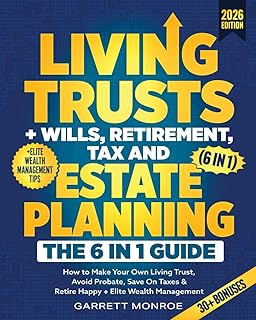
Living Trusts + Wills, Retirement, Tax & Estate Planning – The 6-in-1 Guide – Price $24.97, Rating 4.5. This expanded guide adds retirement and tax planning strategies, plus elite wealth management principles.
These resources can help you structure your estate to reduce exposure to fraud and confusion after a life change. For more on protecting vulnerable relatives, read Elder Financial Fraud: How Families Can Monitor and Protect Vulnerable Relatives.
What to Do If You’ve Been Scammed
If you become a victim of a rental scam, act quickly.
- Stop all communication with the scammer.
- Contact your bank or payment provider immediately. If you paid by credit card, dispute the charge. For wire transfers, request a recall. For Zelle, report the transaction to your bank—though success is rare.
- File a report with the FTC at ReportFraud.ftc.gov.
- File a complaint with the FBI’s Internet Crime Complaint Center (IC3).
- Notify the real estate platform where the fake listing appeared.
- Place a fraud alert on your credit reports if you shared personal information.
For a detailed recovery roadmap, see What to Do if You’ve Been Defrauded: Reporting, Documentation, and Recovery Steps.
Building a Broader Fraud Prevention Mindset
Rental scams don’t exist in a vacuum. Criminals use similar tactics across multiple domains. Strengthening your overall fraud awareness will protect you everywhere.
- Learn how to spot phishing attempts – Recognizing Phishing Emails and Texts: Real-world Examples and Red Flags
- Monitor your credit card activity – Credit Card Fraud Prevention: Settings, Alerts, and Shopping Habits That Help
- Vet all online sellers and service providers – How to Vet Online Sellers and Service Providers to Avoid Payment Fraud?
- Create basic everyday defenses – Fraud Prevention Basics: Everyday Steps to Avoid Becoming a Victim
Recommended Resources for Estate Planning and Fraud Prevention
To fortify your financial future and protect your rental assets, consider adding these highly-rated titles to your library.

Nolo’s Guide to Estate Planning – Price $27.89, Rating 4.7. This comprehensive legal guide covers wills, trusts, powers of attorney, and strategies to avoid probate. Highly trusted by legal professionals.

Estate Planning For Dummies – Price $20.99, Rating 4.3. An accessible, step-by-step resource for those new to estate planning. Covers asset protection, tax issues, and fraud-proofing your legacy.

I’m Dead, Now What? Planner – Price $11.63, Rating 4.6. A practical organizer for noting important information about belongings, business affairs, and final wishes. Invaluable for executors handling rental properties and other assets.
FAQ
What should I do if I suspect a rental listing is a scam?
Stop all communication immediately. Do not send any money or personal information. Report the listing to the platform (e.g., Craigslist, Facebook, Zillow) and file a report with the FTC. If you already paid, contact your bank and follow the steps outlined above.
Can I recover money sent via Zelle or wire transfer?
Recovery is difficult. Zelle transactions are typically final. Banks may attempt a recall on wire transfers if you act within hours, but there is no guarantee. Credit card charges can be disputed. Always use protectable payment methods.
How can I verify a landlord’s identity?
Ask for a government-issued photo ID and cross-check it with county property records. Call the property management company using a number from their official website (not the one in the listing). Look for a valid real estate license.
Are rental scams more common on certain platforms?
Yes. Open-classified sites like Craigslist and Facebook Marketplace have the highest incidence because listings are not verified. Zillow and Apartments.com also have scams, but their verification processes are stronger. Always vet listings on any platform.
How does estate planning help prevent rental fraud?
A well-structured estate plan designates trusted individuals to manage rental properties, includes clear instructions for handling income and deposits, and educates heirs about common scams. This reduces confusion and opportunities for fraudsters to exploit vulnerable periods like relocation or inheritance.
What if I already shared my Social Security number with a scammer?
Place a fraud alert on your credit reports immediately (contact Equifax, Experian, and TransUnion). Consider freezing your credit to prevent new accounts from being opened. Monitor your credit reports for the next year. File an identity theft report with the FTC.
Rental scams are a serious threat, but with vigilance and the right tools—including a solid estate plan—you can protect your home, your money, and your peace of mind. Bookmark this guide and share it with family members who may be managing rental properties or searching for a new place to live. Fraud prevention starts with awareness.