 Insurance Curator
 Estate planning is one of those life tasks you know you should tackle, yet it often feels overwhelming. When you finally search for help online—whether for a living trust, a will, or a comprehensive plan—you enter a digital marketplace teeming with sellers, law firms, and service providers. Unfortunately, this also attracts fraudsters who prey on your urgency and emotional vulnerability.
Payment fraud in the estate planning space can be devastating. A fake “estate attorney” might charge thousands for a boilerplate document, or a shady online store might steal your credit card information after you order a trust kit. That’s why learning how to vet sellers and service providers is essential before you send a single dollar.
Before we dive in, let’s set a foundation. If you are looking for a reputable, highly rated guide to start your estate planning journey, the Living Trusts, Wills & Estate Planning for Seniors – The Complete 3-in-1 Guide (priced at $22.97, rated 4.4) is a fantastic resource to have in hand as you learn what legitimate materials look like.
Throughout this article, I’ll walk you through every step of vetting online sellers and service providers, from recognizing red flags to using reliable tools. We’ll also look at trusted estate planning products you can buy with confidence. Let’s get started.
The Rising Threat of Payment Fraud in Estate Planning
Why are estate planning services such a magnet for scammers? Three reasons:
- High dollar value – Trusts, wills, and estate plans often involve large sums. Fraudsters know that customers are willing to pay hundreds or even thousands for professional help.
- Emotional vulnerability – People often plan for end-of-life during stressful times (illness, death of a spouse, retirement). Scammers exploit that anxiety.
- Digital impersonation – Fake attorneys, phony “estate planning websites,” and cloned legal directories are easy to create.
In fact, elder financial fraud is a growing epidemic. According to the FTC, older adults lost over $1.7 billion to fraud in 2023, with many cases tied to legal and financial services. For a deeper look at how families can protect vulnerable relatives, read our guide on Elder Financial Fraud: How Families Can Monitor and Protect Vulnerable Relatives.
The first line of defense is knowing how to spot a fake before you pay.
Red Flags When Vetting Online Sellers and Service Providers
Before you even consider hiring an online estate planning service or purchasing a product, watch for these warning signs:
- No physical address or verifiable contact info. A legitimate law firm or company will have a real street address, not just a P.O. box.
- Pressure to pay immediately. Scammers push urgency: “This limited-time offer will expire in 24 hours!” Don’t fall for it.
- Requests for payment via wire transfer, cryptocurrency, or gift cards. These methods are nearly untraceable. Legitimate professionals accept credit cards or checks.
- Vague credentials or unverifiable licenses. Real estate planning attorneys list their state bar number. Fake ones may claim certification but can’t provide proof.
- Poor online reviews or no reviews at all. Check sites like Google, Yelp, and the Better Business Bureau. No history is a red flag.
- Unrealistically low prices. If someone offers to draft a living trust for $99, run. Quality legal work takes time and costs money.
- Website security issues. The URL should start with https:// and have a padlock icon. An insecure site means your payment data is at risk.
Scammers often use phishing emails or texts to appear legitimate. Learn the real-world tactics they use in our article Recognizing Phishing Emails and Texts: Real-world Examples and Red Flags.
Step-by-Step Vetting Process for Estate Planning Services
Follow this proven checklist before you engage any online seller or service provider.
1. Verify Credentials through Official Channels
For a lawyer, go to the state bar association website and search their name. Every licensed attorney has a bar number and disciplinary history. For a document preparation service (non-lawyer), check if they are registered with the state’s consumer affairs department.
Pro tip: Many scammers create fake “bar verification” pages. Always use the official .gov or .org bar site, not a link they provide.
2. Search for Complaints and Legal Issues
Run a background check using:
- Better Business Bureau (BBB)
- State Attorney General’s consumer complaint database
- Court records (some states offer free online access)
A pattern of unresolved complaints or pending lawsuits is a dealbreaker.
3. Read Reviews with a Critical Eye
Look for reviews that mention specific details about the service, not just generic praise. Be wary of:
- All 5-star reviews from accounts with no other reviews.
- Negative reviews that describe payment fraud, fake documents, or lack of delivery.
4. Check Payment Security
Before you enter credit card info, confirm the site uses encryption. Look for https:// and a secure payment gateway (like Stripe, PayPal, or Authorize.net). Never send money via Zelle, Venmo, or Cash App to an unknown service provider. For safe practices, read Wire Transfer and Zelle Fraud: Safe Practices before Sending Money.
5. Request a Sample or Consultation
Legitimate providers will offer a free initial consultation or allow you to see a sample document. If they refuse, that’s a red flag.
6. Verify the Domain Age and Ownership
Use a tool like Whois.com to see when a website was registered. A brand new domain (less than a year old) with a high-trust business is suspicious. Also, check if the domain owner’s contact info matches the business address.
Tools and Resources to Help You Vet Sellers (and What to Buy Instead)
You don’t have to go it alone. There are excellent, vetted estate planning products available on Amazon that can either serve as your primary resource or complement professional advice. Here are the top five from our data set, each with their strengths.
1. Living Trusts + Wills, Retirement, Tax & Estate Planning – The 6-in-1 Guide
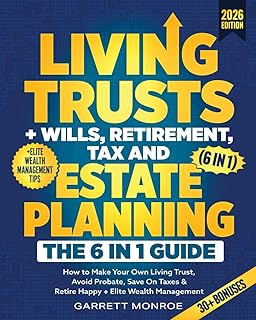
Price: $24.97 | Rating: 4.5
This comprehensive guide covers not just trusts and wills, but also retirement planning and tax strategies. It’s an excellent tool for consumers who want to be fully informed before meeting with a lawyer—or for those who want to handle their own simple estate plan. Use it alongside our vetting process to compare any service provider’s claims.
2. Nolo’s Guide to Estate Planning

Price: $27.89 | Rating: 4.7
Nolo is a publishing brand trusted by lawyers and consumers alike. This book breaks down the entire estate planning process in plain English. If a seller tries to charge you $500 for a generic will, this book shows you exactly what should be included—and that you can often do it yourself for far less.
3. Estate Planning For Dummies

Price: $20.99 | Rating: 4.3
The “For Dummies” series is a classic for getting the big picture without the jargon. Use this as a starting point to educate yourself before you even search for an online seller. Knowledge is your best fraud prevention tool.
4. I’m Dead, Now What? Planner – Important Information about My Belongings, Business Affairs, and Wishes

Price: $11.63 | Rating: 4.6
This organizer helps you compile all your account information, passwords, and final wishes in one place. It’s not a legal document, but it’s an invaluable tool for organizing your affairs—and it helps you avoid the “we lost all our passwords” scam that fake estate planners often exploit.
5. Living Trusts, Wills & Estate Planning for Seniors – The Complete 3-in-1 Guide

Price: $22.97 | Rating: 4.4
Specifically tailored for seniors, this guide includes forms and checklists. It’s perfect for those who want to avoid costly lawyers (and potentially fraudulent ones) by preparing documents themselves. Always cross-reference any online seller’s templates with these proven forms.
Why buy from Amazon rather than a random website? Amazon has strict seller verification and A-to-Z Guarantee protection. If a seller on Amazon delivers a counterfeit product or never ships, you can get your money back. That’s a layer of vetting you don’t get from a random .com site.
Secure Payment Methods for Estate Planning Services
Once you’ve vetted a seller, choosing the right payment method is your final shield against fraud.
Credit Cards – The Gold Standard
- Chargeback rights: Under the Fair Credit Billing Act, you can dispute fraudulent charges within 60 days.
- Zero-liability policies: Most issuers (Visa, Mastercard) will refund you completely.
For tips on setting alerts and limits, read Credit Card Fraud Prevention: Settings, Alerts, and Shopping Habits That Help.
PayPal (Goods & Services)
PayPal offers “Purchase Protection” when you use the Goods & Services option. Avoid sending money via “Friends & Family” to a seller—that voids protection.
Escrow Services
For very high-value transactions (e.g., paying a lawyer $5,000 for a complex trust), consider using an escrow service. The buyer pays into escrow, and the provider releases funds only after the work is delivered and approved.
What to Avoid
- Wire transfers (even domestic ones are hard to reverse)
- Cryptocurrency (untraceable)
- Gift cards (scammers love these)
- Zelle / Venmo (no buyer protection for services unless you use the business profile, which few do)
For a deeper dive into safe banking practices, see Fraud Prevention with Banking Apps: Using Alerts, Limits, and Security Features.
What to Do If You’ve Been Defrauded
Even with rigorous vetting, fraud can happen. If you suspect you’ve paid a fraudulent seller or service provider, act immediately:
- Contact your bank or credit card issuer to stop payment and initiate a chargeback.
- Report the fraud to the Federal Trade Commission (FTC) at ReportFraud.ftc.gov.
- File a complaint with the Internet Crime Complaint Center (IC3) if the transaction involved interstate communication.
- Notify the Better Business Bureau and leave a detailed review.
- Monitor your credit for identity theft. Consider a fraud alert or credit freeze.
We have a complete guide that covers every recovery step in detail: What to Do if You’ve Been Defrauded: Reporting, Documentation, and Recovery Steps.
Why Vetting Matters More Than Ever in the Digital Age
The race to go digital in estate planning has created a “gold rush” for sellers—both legitimate and predatory. A 2024 survey by the American Bar Association found that more than half of estate planning lawyers now offer virtual consultations, and the number of online-only document preparation sites has exploded. Unfortunately, scammers have followed suit.
Take the case of “EstatePro123,” a fake service that advertised on social media for months. Victims paid $299 for a “custom living trust,” only to receive a generic PDF that wasn’t even notarized. The site vanished within a year. Victims had no way to recover their money because they had paid via Zelle.
Stories like these underscore why you must vet every seller and service provider as if your family’s future depends on it—because it does.
Additional Fraud Prevention Topics to Explore
Vetting sellers is just one piece of the puzzle. To build a complete defense against fraud, we recommend reading the following articles from our fraud prevention cluster:
- Fraud Prevention Basics: Everyday Steps to Avoid Becoming a Victim
- Check Fraud Is Back: How Criminals Alter Checks and How to Protect Yourself
- Charity and Donation Fraud: Verifying Legitimate Causes before You Give
- Romance Scams and Relationship Fraud: Emotional Tactics and Financial Red Flags
- Investment Fraud Prevention: Spotting Ponzi Schemes, Pump-and-dumps, and Fake Advisors
- Job Offer and Employment Scams: How to Tell Legitimate Recruiters from Fakes
- Rental and Housing Scams: Avoiding Fake Listings, Deposits, and Landlords
- Subscription and Trial Offer Fraud: Hidden Charges and How to Cancel Safely
Each of these guides offers specialized insights that apply to different aspects of online transactions.
Final Thoughts: Your Due Diligence Checklist
To wrap it up, here’s a quick checklist you can print and use every time you consider buying from an online seller or hiring an estate planning service:
- Verify physical address and phone number.
- Check state bar license (for lawyers) or state registration (for document services).
- Read reviews across multiple platforms.
- Search for complaints with BBB and state AG.
- Confirm website uses HTTPS.
- Ask for a free consultation or sample.
- Pay only via credit card or PayPal Goods & Services.
- Avoid wire transfers, cryptocurrency, and gift cards.
- Use trusted products like Nolo’s Guide to Estate Planning or the 6-in-1 Guide as benchmarks.
- Review the Fraud Prevention Basics guide.
By following these steps, you’ll dramatically reduce your risk of payment fraud and ensure your estate planning journey is safe, effective, and stress-free.
Frequently Asked Questions About Vetting Sellers and Payment Fraud
1. What is the safest way to pay an estate planning lawyer online?
A credit card (with chargeback rights) is the safest. PayPal Goods & Services is also good. Avoid wire transfers and Zelle.
2. Can I trust all Amazon sellers for estate planning books?
Amazon is generally safe due to its A-to-Z Guarantee, but always check the seller’s ratings and reviews. The products listed in this article are all from reputable publishers or high-rated third-party sellers.
3. How can I verify if an estate planning website is legitimate?
Check the domain age (Whois.com), look for a physical address, search for reviews, and verify their SSL certificate (https). Also, see if they are listed on the state bar website if they claim to be a lawyer.
4. What should I do if I already sent money to a suspected fraudster?
Contact your bank immediately to stop payment. File a report with the FTC, IC3, and your local police. Then read our step-by-step recovery guide: What to Do if You’ve Been Defrauded.
5. Are there free estate planning resources that are trustworthy?
Yes, but be cautious. Free resources from reputable sources like Nolo’s blog, AARP, or state bar associations are trustworthy. Avoid free “instant download” sites that ask for your email and then spam or scam you.