 Insurance Curator
 Fraud isn’t just a headline—it’s an everyday threat that can derail your finances, your peace of mind, and even your estate plans. Whether you’re building a legacy for your family or managing daily transactions, understanding the basics of fraud prevention is essential. In this guide, we’ll cover practical, actionable strategies that work for everyone, with a special focus on how estate planning intersects with fraud risk.
Why does estate planning matter here? Because your assets, accounts, and personal documents are prime targets for scammers who know that seniors and families in transition are often less vigilant. By blending standard fraud prevention tactics with estate‑aware safeguards, you can protect what matters most—today and for the long term.
Let’s start with the fundamentals.
What Is Fraud Prevention and Why It Belongs in Every Financial Plan
Fraud prevention is the set of practices and tools you use to detect, deter, and stop scams before they cause irreparable harm. It’s not just about defending your checking account—it’s about protecting your identity, your property, and the inheritance you intend to leave.
For anyone engaged in estate planning, fraud prevention takes on extra weight. A compromised will, a stolen trust document, or a fraudulent transfer of property can unravel years of careful planning. That’s why the best estate plans include layers of protection against financial exploitation—especially elder fraud, which the FBI’s Internet Crime Complaint Center reported caused over $3.4 billion in losses in 2023 alone.
Everyday Steps to Shield Yourself from Common Scams
You don’t need to be a cybersecurity expert to reduce your risk. These daily habits form the foundation of strong fraud prevention.
1. Lock Down Your Digital Life
- Use strong, unique passwords for every financial account. A password manager makes this manageable.
- Enable two‑factor authentication (2FA) everywhere, especially on email, banking, and estate‑related portals.
- Keep your devices updated—scammers exploit known vulnerabilities in outdated software.
- Shred sensitive documents before discarding. Bank statements, tax returns, and wills should never hit the trash intact.
2. Recognize the Red Flags in Every Communication
Scammers constantly evolve their tactics, but certain patterns remain consistent:
- Urgency or pressure to act “right now” or “before it’s too late.”
- Requests for payment via gift cards, cryptocurrency, or wire transfers.
- Unsolicited contacts claiming to be from the IRS, Social Security, your bank, or a “trusted” professional like an attorney.
- Spoofed caller IDs and fake emails that look nearly identical to legitimate companies.
For deeper examples, see our detailed breakdown of Recognizing Phishing Emails and Texts: Real-world Examples and Red Flags.
3. Monitor Your Financial Accounts Weekly
Set up alerts for any transaction above a small threshold (e.g., $50). Review credit card statements manually each month. Early detection gives you the best chance to dispute charges and freeze accounts before losses mount.
4. Know the Most Active Scams Right Now
With hundreds of schemes in play, focus on these high‑volume threats:
| Scam Type | Typical Hook | Prevention Tip |
|---|---|---|
| Check Fraud | Altered or counterfeit checks | Use digital payments; review cleared checks; lock your mailbox. Learn more in Check Fraud Is Back: How Criminals Alter Checks and How to Protect Yourself. |
| Wire Transfer / Zelle Fraud | Fake invoice or family emergency | Always verify with a second source before sending money. Read Wire Transfer and Zelle Fraud: Safe Practices before Sending Money. |
| Subscription Traps | Free trial that turns into recurring charges | Use virtual card numbers; cancel trials immediately; check statements. See Subscription and Trial Offer Fraud: Hidden Charges and How to Cancel Safely. |
| Romance Scams | Fake relationship built on emotional manipulation | Never send money to someone you haven’t met in person. Get insights from Romance Scams and Relationship Fraud: Emotional Tactics and Financial Red Flags. |
| Elder Financial Fraud | Caretaker or “grandparent” scam | Add a trusted contact to accounts; limit POA scope. Explore Elder Financial Fraud: How Families Can Monitor and Protect Vulnerable Relatives. |
How Estate Planning Amplifies Your Fraud Risk
When you create an estate plan, you expose yourself to a new category of vulnerability. Documents like wills, trusts, and powers of attorney become high‑value targets. Why? Because a forged will or a fraudulent transfer of property can rewrite your legacy overnight.
Common estate‑related fraud tactics include:
- Fake attorney or notary services that charge upfront fees but never deliver documents.
- “Free” estate planning seminars that harvest personal information for identity theft.
- Pressure to name a specific person as executor or trustee—often a scammer or an accomplice.
- Illegitimate changes to beneficiary designations on life insurance policies or retirement accounts.
If you’re organizing your affairs, a solid guide can help you avoid costly mistakes. One highly rated resource is Living Trusts, Wills & Estate Planning for Seniors – The Complete 3-in-1 Guide (Amazon, 4.4 stars). It walks you through creating a plan without expensive attorneys—and includes forms that reduce the chance of errors.

Everyday Fraud Prevention for Estate Planners
Adapting basic fraud prevention to your estate journey is straightforward. Here’s how to layer protection onto the planning process:
Lock Down Your Key Documents
Store original wills, trusts, and deeds in a fireproof safe or a bank safe‑deposit box. Digital copies should be encrypted and password‑protected. Never share full copies with anyone except your attorney, executor, or trustee—and always verify their identity first.
Be Wary of “Free” Advice
Scammers frequently pose as estate planning experts. They offer low‑cost or free consultations to gain access to your financial details. Always check credentials: look up state bar associations, verify professional licenses, and read reviews from independent sources.
Use a Trusted Executor—and Set Safeguards
Your executor or trustee has immense power. Choose someone who is financially responsible, honest, and willing to follow your written instructions. Add a clause requiring annual accounting to all beneficiaries to deter mismanagement.
Monitor Beneficiary Changes
Beneficiary designations on life insurance, IRAs, and 401(k)s override your will. Fraudsters often change these after gaining access to your online accounts. Check them every year and after major life events.
Consider a “Fraud Addendum” to Your Estate Plan
Some estate planning attorneys now include a separate document that spells out:
- Who is authorized to make financial decisions.
- What to do if a family member suspects exploitation.
- Instructions for freezing accounts and reporting fraud.
This proactive measure acts as a roadmap for your loved ones if you become incapacitated or targeted.
Products That Simplify Estate Planning and Reduce Fraud Risk
Building a solid estate plan doesn’t have to be expensive or confusing. The right tools can help you avoid common pitfalls—and the fraud that often follows poorly drafted documents.
Best All‑in‑One Guides
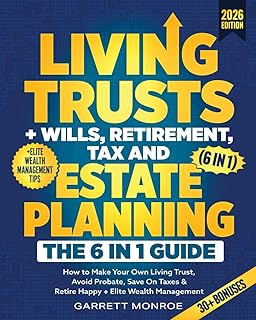
If you want comprehensive coverage without hiring a lawyer, look for a guide that covers living trusts, wills, retirement, and tax planning. The Living Trusts + Wills, Retirement, Tax & Estate Planning – The 6-in-1 Guide (Amazon, 4.5 stars) is a strong choice. It includes wealth management strategies that go beyond basic documents, helping you protect assets from creditors and scammers alike.
Authoritative Reference
For those who want a deeper legal foundation, Nolo’s Guide to Estate Planning (Amazon, 4.7 stars) is considered the gold standard. It explains complex rules in plain language and includes state‑specific instructions—critical because estate laws vary widely. Reading it before you meet with an attorney can help you spot fraudulent advice.

Quick Start for Beginners
If you’re overwhelmed, Estate Planning For Dummies (Amazon, 4.3 stars) breaks everything into digestible steps. It covers trusts, wills, taxes, and elder care—making it less likely you’ll miss a detail that a scammer could exploit.

Organizer for Your Loved Ones
Even the best plan is useless if your family can’t find the documents. The I’m Dead, Now What? Planner (Amazon, 4.6 stars) provides a structured way to record all your accounts, wishes, and instructions. Keeping this updated and secure reduces the chance of identity theft after your passing—a common form of post‑mortem fraud.

Fraud‑Proofing Your Estate Plan: Expert Strategies
Beyond everyday steps, estate planners should adopt targeted fraud‑prevention measures.
1. Use a Revocable Living Trust (Not Just a Will)
A will becomes public through probate, exposing your assets to scammers who monitor court records. A trust keeps your affairs private and makes it harder for fraudsters to target your estate.
2. Include a “Trust Protector” Clause
A trust protector is a third party (often an attorney or trusted advisor) who can modify the trust if a trustee becomes incapacitated or commits fraud. This safety net is especially valuable for large estates.
3. Require Multiple Signatures for Major Transfers
In your trust document, specify that any transfer of real estate or large sums requires approval from two people (e.g., trustee plus a beneficiary). This simple rule can block a fraudulent transfer.
4. Review Your Plan with a Certified Elder Law Attorney
If you or a family member is a senior, an attorney specializing in elder law can spot vulnerabilities that a general practitioner might miss. They also understand the nuances of Elder Financial Fraud and can draft protective language.
5. Create a “Do Not Contact” List for Financial Accounts
Some banks allow you to register a list of people who should never be allowed to access your account. Adding known scammers—or even estranged relatives—can prevent social engineering attacks.
Digital Safeguards for Modern Estate Planning
As more estate tasks move online, digital hygiene becomes non‑negotiable.
Secure Your Email and Cloud Storage
Your email is the key to your financial kingdom. If a hacker gains access, they can reset passwords for bank accounts, brokerage firms, and even your trust’s online portal. Use a separate, encrypted email for estate‑related correspondence.
Store Digital Wills and Trusts with a Reputable Service
Avoid free cloud storage for legal documents. Use a service that offers end‑to‑end encryption and user‑controlled sharing. Some estate planning platforms now include fraud detection that alerts you if someone tries to access your documents from an unusual location.
Enable Account Alerts for Beneficiary Changes
Most financial institutions allow you to set alerts when a beneficiary is added, removed, or modified. Turn these on and review every change immediately.
Beware of “Estate Recovery” Scams
After a loved one passes, scammers often contact the family claiming the deceased owes money for “unpaid estate taxes” or “probate fees.” This is a classic Charity and Donation Fraud variant—legitimate estate fees are paid directly to the court or attorney, never to an unsolicited caller.
When to Call in the Experts
Fraud prevention is a team effort. Don’t go it alone.
- Your bank’s fraud department can place alerts, freeze accounts, and investigate suspicious activity.
- A Certified Financial Planner (CFP) can review your estate plan for gaps that scammers might exploit.
- An attorney can draft documents that include fraud‑deterrent language.
- Local Adult Protective Services (APS) can investigate suspected elder fraud.
If you suspect you’ve already been targeted, act immediately. Our guide on What to Do if You’ve Been Defrauded: Reporting, Documentation, and Recovery Steps provides a step‑by‑step checklist.
Real‑Life Example: How Small Oversight Led to a Big Loss
Consider the case of Margaret, an 82‑year‑old widow in Florida. She received a phone call from someone claiming to be her grandson’s lawyer, saying he was in jail and needed $5,000 in gift cards for bail. Margaret, who had no estate plan, sent the money.
Later, scammers used the information from that call to impersonate her in a fake will. A fraudulent document named a distant “cousin” (actually an accomplice) as executor. By the time the family discovered it, the scammer had already sold Margaret’s house.
What could have prevented this?
- A simple callback to her grandson’s real number.
- A living trust that would have required court approval for the sale.
- A “fraud addendum” prohibiting the executor from selling real estate without a second signature.
Margaret’s story is a powerful reminder: fraud prevention starts long before a scammer calls. It begins with a solid estate plan and everyday vigilance.
Fraud Prevention and Banking Apps: Stay Ahead
Your smartphone is a powerful fraud‑fighting tool when used correctly. Most banking apps let you:
- Lock and unlock your debit card instantly.
- Set transaction limits (e.g., no more than $500 per day).
- Receive push notifications for every purchase over $0.
- Report fraud directly from the app.
For a comprehensive look at these features, read Fraud Prevention with Banking Apps: Using Alerts, Limits, and Security Features.
Remember: scammers also love banking apps—they prey on people who don’t use the built‑in security options. Take five minutes today to enable every protection your bank offers.
Internal Links for Deeper Dives
This article covers the broad strokes, but each scam type deserves its own deep dive. Here are the most relevant topics from the same content cluster:
- Credit Card Fraud Prevention: Settings, Alerts, and Shopping Habits That Help
- How to Vet Online Sellers and Service Providers to Avoid Payment Fraud?
- Investment Fraud Prevention: Spotting Ponzi Schemes, Pump-and-dumps, and Fake Advisors
- Job Offer and Employment Scams: How to Tell Legitimate Recruiters from Fakes
- Rental and Housing Scams: Avoiding Fake Listings, Deposits, and Landlords
Bookmark these for reference—they’re your one‑stop resource for staying safe in every area of life.
FAQ: Fraud Prevention and Estate Planning
Q1: How often should I review my estate plan for fraud risks?
At least once a year and after major life changes (marriage, divorce, death of a beneficiary, or inheritance). Fraud tactics evolve quickly; an annual review helps you stay ahead.
Q2: Can scammers access my living trust if it’s stored digitally?
Yes, if your digital storage is not secured. Use a strong password, two‑factor authentication, and consider storing a printed copy in a safe. Never share the digital link publicly.
Q3: What’s the single most important fraud prevention step for estate planning?
Choosing your executor and trustee carefully. A dishonest or easily manipulated trustee can undo your entire plan. Vet their financial history and include oversight provisions.
Q4: Should I use an online estate planning service or hire a lawyer?
Both can work, but online services require you to be vigilant about errors. If you choose an online guide, pair it with a lawyer’s review to catch fraudulent clauses. Products like Nolo’s Guide to Estate Planning are excellent self‑help resources.
Q5: How do I protect my elderly parents from estate fraud?
Start a conversation about their estate plan. Offer to help them create a revocable living trust and add a trusted contact to their bank accounts. Monitor their bank statements for unusual activity. Learn more in Elder Financial Fraud: How Families Can Monitor and Protect Vulnerable Relatives.
Q6: What should I do if I suspect my estate plan has been tampered with?
Contact an attorney immediately. Do not destroy any documents. Notify your bank, trust company, and beneficiaries. File a report with the FTC at ReportFraud.ftc.gov and your local police.
Final Thoughts: Fraud Prevention Is a Daily Practice
Fraud doesn’t take a vacation, and neither should your vigilance. By weaving these everyday steps into your routine—and reinforcing them with a solid estate plan—you dramatically lower your chances of becoming a victim.
Start small: enable two‑factor authentication on your email today. Next week, review your beneficiary designations. Order a copy of Living Trusts, Wills & Estate Planning for Seniors if you haven’t yet documented your wishes. Every action you take creates another layer of defense.
Remember, fraud prevention isn’t paranoia—it’s prudence. And in the world of estate planning, prudence is the foundation of a lasting legacy.
Stay informed. Stay protected. Your future self—and your loved ones—will thank you.