 Insurance Curator
 Being defrauded feels like a punch to the gut. One moment your finances seem secure, and the next, a scammer has siphoned your savings or stolen your identity. When estate planning is in the picture—especially for seniors or vulnerable family members—the stakes are even higher. A single fraudulent transaction can disrupt inheritances, drain trust funds, and create years of legal headaches.
Swift action is your strongest defense. This guide walks you through the exact steps to take after fraud occurs: how to document everything, where to report it, and how to start recovering your assets. We’ll also show how proper estate planning tools—like those found in Nolo’s Guide to Estate Planning ($27.89, 4.7 stars)—can keep your legacy safe from future attacks.

Immediate Steps After Discovering Fraud
The first 24 to 48 hours are critical. Acting quickly can stop further losses and increase your chances of recovering stolen funds.
1. Secure Your Accounts
Contact your bank, credit card issuers, and any other financial institutions immediately. Request a freeze on affected accounts and ask to change all passwords and PINs. If the fraud involves checks, alert your bank’s fraud department and stop payment on any outstanding checks.
2. Freeze Your Credit
Contact the three major credit bureaus—Equifax, Experian, and TransUnion—to place a fraud alert or a credit freeze. A freeze prevents new accounts from being opened in your name without your permission, which is essential if the scammer has your Social Security number.
3. Change All Online Credentials
Scammers often try to reuse stolen passwords across multiple sites. Use a password manager to create strong, unique passwords for every financial and email account. Enable two-factor authentication (2FA) wherever possible.
4. Notify Your Estate Planning Attorney
If the fraud involves a trust, will, or power of attorney, your attorney needs to know right away. Some scams specifically target elderly individuals who have recently updated their estate plans. Your lawyer can help you assess whether fraudulent changes were made to any documents.
Related reading: Fraud Prevention Basics: Everyday Steps to Avoid Becoming a Victim
Documenting Everything: Your Paper Trail Is Your Best Friend
Thorough documentation is the backbone of any fraud recovery effort. Law enforcement, banks, and insurance companies will ask for proof—often multiple times.
What to Collect
- Transaction records: Bank statements, credit card receipts, wire transfer confirmations, and cancelled checks.
- Communication logs: Emails, text messages, letters, or call transcripts with the scammer.
- Identification documents: Copy of your driver’s license, passport, or Social Security card (redact sensitive numbers if needed).
- Timeline of events: Write down every date, time, and action taken since the fraud began.
Create a Digital Folder
Scan or photograph all physical documents and store them in a secure, password-protected folder. Use cloud storage with strong encryption—like a dedicated Google Drive folder with two-factor authentication.
Use an Estate Organizer to Keep Everything Straight
For long-term estate planning, a dedicated organizer helps you centralize all legal and financial documents so nothing gets lost after a fraud incident. The I’m Dead, Now What? Planner ($11.63, 4.6 stars) is a popular choice for organizing wills, trusts, insurance policies, and account information.

Reporting the Fraud: Where and How
Reporting is not just about recovery—it helps law enforcement track down scammers and protect future victims.
Federal Trade Commission (FTC)
The FTC is the primary consumer protection agency in the U.S. File a report at IdentityTheft.gov or call 1-877-438-4338. You’ll receive an FTC Identity Theft Report that you can use to dispute fraudulent accounts and charges.
Local Police Department
File a report with your local police, especially if you know the scammer’s identity or if the fraud involves a large sum. Bring your documentation folder. The police report may be required by your bank or insurance company for reimbursement.
FBI Internet Crime Complaint Center (IC3)
For online fraud—phishing, investment scams, or ransomware—submit a complaint to IC3 at ic3.gov. This is particularly important if the fraud crosses state lines or involves international actors.
State Attorney General’s Office
Many state attorneys general have consumer fraud divisions. They can investigate patterns of fraud and may file lawsuits against repeat offenders. Check your state’s website for a complaint portal.
If the Victim Is Elderly
Elder financial fraud is a growing crisis. Report suspected abuse to your state’s Adult Protective Services (APS) or the National Elder Fraud Hotline (1-833-372-8311). For more on keeping older relatives safe, read Elder Financial Fraud: How Families Can Monitor and Protect Vulnerable Relatives.
Recovery Steps: Getting Your Money and Identity Back
Recovery is a marathon, not a sprint. But with a systematic approach, many victims recover a significant portion of their losses.
Dispute Fraudulent Charges
Contact your bank or credit card issuer to initiate a chargeback or dispute. Under the Fair Credit Billing Act and the Electronic Fund Transfer Act, you have limited liability for unauthorized transactions if you report them promptly.
Recover Stolen Funds
- Wire transfers: If you used a wire service like Western Union or MoneyGram, contact them immediately. You may be able to reverse the transfer if reported within a few hours.
- Zelle or Venmo: Reach out to the app’s support team. Some payment platforms offer fraud protection if you report within 48 hours.
- Checks: If a check was forged or altered, your bank may be liable under the Uniform Commercial Code. Read more in Check Fraud Is Back: How Criminals Alter Checks and How to Protect Yourself.
Repair Your Credit
After freezing your credit, request a free credit report from AnnualCreditReport.com. Look for accounts you didn’t open and dispute them with the credit bureaus. Consider adding a fraud alert for seven years if the damage is severe.
Work with an Estate Planning Attorney
If the fraud affected your trust or will—say, a scammer tricked you into signing a new power of attorney—an attorney can help you nullify the fraudulent document. They can also advise on updating your estate plan to include stronger protections, such as a revocable living trust that requires multiple signatures for large transactions.
Monitor for Recurrence
Set up alerts on all financial accounts. Use a credit monitoring service (many offer free options after a fraud report). Keep an eye on property records and deeds, as real estate fraud is increasingly common among seniors.
Related: Wire Transfer and Zelle Fraud: Safe Practices before Sending Money
Protecting Your Estate from Future Fraud
Fraud prevention is an ongoing process, especially when managing an estate. The right planning tools can make it much harder for scammers to succeed.
Strengthen Your Estate Plan
A well-drafted estate plan includes provisions that limit unauthorized activity. Consider these elements:
- Living trust: Keeps assets out of probate and allows you to name a successor trustee who can step in if you become incapacitated.
- Durable power of attorney: Choose someone you trust implicitly. Scammers often target elders to trick them into signing a fraudulent POA.
- No-contest clause: Deters beneficiaries from challenging the will, which can be a tactic used by fraudsters posing as relatives.
Educate Your Family
Fraudsters often target family members with phishing emails that appear to be from the estate attorney or financial advisor. Hold a family meeting to discuss red flags—unsolicited requests for money, pressure to change documents, or vague promises of inheritance.
Use Comprehensive Estate Planning Resources
Having a reliable guide at your fingertips can prevent costly mistakes. Books like Living Trusts, Wills & Estate Planning for Seniors – The Complete 3-in-1 Guide ($22.97, 4.4 stars) walk you through every step, from asset protection to avoiding probate.

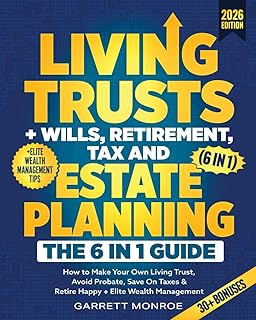
For a broader approach that covers retirement and tax strategies, consider Living Trusts + Wills, Retirement, Tax & Estate Planning – The 6-in-1 Guide ($24.97, 4.5 stars). It includes elite wealth management insights that can help you spot investment fraud.
If you prefer a more accessible, lighthearted approach, Estate Planning For Dummies ($20.99, 4.3 stars) covers the essentials without overwhelming legal jargon.

Comparison Table: Top Estate Planning Resources
| Product | Price | Rating | Best For |
|---|---|---|---|
| Nolo’s Guide to Estate Planning | $27.89 | 4.7 | Comprehensive legal guidance |
| Living Trusts 3-in-1 for Seniors | $22.97 | 4.4 | Seniors wanting simple trust setup |
| Living Trusts 6-in-1 Guide | $24.97 | 4.5 | All-in-one wealth management |
| Estate Planning For Dummies | $20.99 | 4.3 | Beginners and quick reference |
| I’m Dead, Now What? Planner | $11.63 | 4.6 | Organizing documents for heirs |
Expert Insights on Fraud and Estate Planning
We spoke with Sarah Mitchell, a certified estate planning attorney with 20 years of experience. She emphasizes that fraud prevention starts well before an incident occurs.
“The single most common mistake I see is people keeping their estate plans a secret. When you don’t tell your trustee or family members what’s in your trust, scammers can exploit that information gap. Share your plan sparingly, but make sure your key people know what to do if something looks fishy.”
Mitchell also recommends putting a fraud flag on your real estate deeds through your county recorder’s office. This prevents someone from forging your signature to sell or mortgage your property.
Related: Romance Scams and Relationship Fraud: Emotional Tactics and Financial Red Flags
Conclusion
Fraud can happen to anyone, but your response determines the outcome. By acting quickly, documenting thoroughly, and reporting to the right agencies, you can stop the damage and begin recovery. Importantly, integrate fraud prevention into your estate planning. The right trust, will, and organizational tools form a fortress around your legacy.
Don’t wait until a scam strikes. Explore the recommended resources like Nolo’s Guide to Estate Planning or the I’m Dead, Now What? Planner to get your affairs in order today. Your future self—and your heirs—will thank you.
Frequently Asked Questions
Q: How long do I have to report fraud to my bank?
A: Under federal law, you have 60 days from the date your bank statement is sent to report unauthorized electronic transfers. For credit cards, you generally have 60 days from the billing cycle in which the fraudulent charge appeared. Report as soon as you spot it—the earlier, the better.
Q: Can I recover money lost to a wire transfer scam?
A: It depends. If you report the fraud within 24–48 hours, some wire services can reverse the transfer. After that, recovery is difficult but not impossible. File a report with the FTC and your local police, and notify the recipient’s bank immediately.
Q: What should I do if a family member or caregiver is the fraudster?
A: Contact Adult Protective Services (APS) and consider consulting an attorney about a conservatorship or guardianship. You may also need to file a police report. It’s painful, but protecting the vulnerable person’s assets is the priority.
Q: Does having a living trust protect me from fraud?
A: A living trust can make it harder for scammers to access assets because the trustee has control. However, it doesn’t prevent identity theft or phishing. Combine a trust with credit monitoring and fraud alerts for the best protection.
Q: How do I know if my estate plan has been tampered with?
A: Compare the most recent version of your will or trust with previous copies. Look for new signatures that don’t match, missing pages, or changed beneficiary names. Your estate attorney can help verify authenticity.
Q: Is identity theft from a deceased relative common?
A: Yes. “Ghosting” occurs when scammers steal the identity of a recently deceased person to open accounts or file fraudulent tax returns. Notify the credit bureaus, the IRS, and the Social Security Administration immediately after a loved one passes.