 Insurance Curator
 You’ve just signed up for a “free” trial of a service you thought would help organize your estate plan. A month later, your credit card is hit with a surprise charge—sometimes $29.99, sometimes $99—and canceling feels impossible. This is subscription and trial offer fraud, a $2.6 billion problem in the U.S. alone.
Estate planning is a vulnerable time. You’re researching living trusts, wills, and asset protection, often online, and scammers know it. They create fake “free trial” offers for legal document services, then bury the cancellation terms in fine print. This article unpacks how hidden charges work, how to cancel safely, and why fraud prevention belongs right next to your estate plan.
What Is Subscription and Trial Offer Fraud?
Subscription fraud occurs when a company or scammer charges you without clear consent—often after a “free” or discounted trial. You provide payment details to access a trial, then the real charges begin. Common signs:
- No clear cancellation button – You must call a phone number that never answers.
- Recurring charges you didn’t authorize – Hidden in terms of service.
- Negative option billing – Your silence equals acceptance.
- Bait-and-switch offers – “Free will kit” leads to monthly fees.
In the context of estate planning, these scams target seniors and families seeking affordable legal documents. A trusted guide like Nolo’s Guide to Estate Planning ($27.89, ⭐4.7) or Estate Planning For Dummies ($20.99, ⭐4.3) can help you avoid fake offers. But even legitimate-looking trials can turn predatory.
Hidden Charges: The Fine Print You Missed
Scammers design trial offers to look identical to legitimate services. You may see a pop-up: “Start Your Free Living Trust Today – Just $1 for 7 Days.” After a week, you’re billed $49.99 monthly. Worse, the service never delivers a usable document.
Common Hidden Charge Tactics
- Auto-renewal without reminder – Only disclosed in privacy policy.
- Free trial requires a “small processing fee” – That fee is actually a monthly subscription.
- “Cancel anytime” – But no web form exists; you need a certified letter.
- Trial period shorter than stated – Billing starts on day 6 of a 7-day trial.
| Tactic | Red Flag | Real Consequence |
|---|---|---|
| Pre-checked boxes for additional services | Charges for extra subscriptions | $15–$50 extra monthly |
| “No risk” with a card requirement | Guarantees billing access | Ongoing charges until card expires |
| Vague cancellation policy | No email support; only phone during limited hours | Charges continue for months |
These methods violate FTC guidelines on negative option marketing, but enforcement is slow. That’s why you must be proactive.
Why Estate Planning Makes You a Target
Estate planning is high-stakes and emotional. You’re thinking about legacy, family protection, and avoiding probate. Scammers exploit that urgency with offers like “Instant Legal Documents” or “Free Will Kit” that demand credit card info upfront.
Seniors are particularly vulnerable to what we call elder financial fraud. According to data, adults over 60 lose an estimated $3 billion annually to scams—subscription fraud is a growing slice. Protecting your estate plan also means protecting your payment credentials.
If you’re shopping for resources, consider buying from established publishers. For example, the highly rated Living Trusts, Wills & Estate Planning for Seniors – The Complete 3-in-1 Guide ($22.97, ⭐4.4) provides forms without hidden fees. Or the Living Trusts + Wills, Retirement, Tax & Estate Planning – The 6-in-1 Guide ($24.97, ⭐4.5). These are one-time purchases, not subscriptions.
How to Cancel Safely: Step-by-Step
Cancel a subscription safely even after hidden charges start. Follow this process:
- Document everything – Screenshot the original offer, trial period, confirmation emails, and any error messages when trying to cancel.
- Check your payment method – Log into your bank or credit card app. Look for recurring charges.
- Find the cancellation method – Search for “how to cancel [service name]” on the company’s site. If no clear path, use the FTC’s complaint portal.
- Call your bank or credit card issuer – Request a stop payment or chargeback. You can often dispute unauthorized charges within 60 days.
- Revoke authorization – If you gave a company access to your bank account, send a written revocation letter via certified mail.
- Monitor your account – Watch for continued charges. Report any further unauthorized transactions to your bank immediately.
Pro tip: Use virtual credit cards (like from Capital One or Privacy.com) for trials. These generate single-use or limited-use card numbers that can be locked after the trial ends.
The Role of Fraud Prevention in Estate Planning
Your estate plan isn’t just about wills and trusts—it’s about protecting your financial life. Subscription fraud can drain accounts intended for heirs. Incorporating fraud prevention basics—like using strong passwords, enabling two-factor authentication, and reviewing monthly statements—should be part of your estate planning checklist.
Also learn to recognize phishing emails and texts. Many trial offer scams start with an email: “Your free trust kit is ready—click to activate.” That link may install malware or redirect to a payment page.
Real Amazon Products to Help You Plan Without Scams
Instead of risking subscription offers, buy trusted estate planning books and planners once. Here are top-rated options that deliver value upfront:

Living Trusts, Wills & Estate Planning for Seniors – $22.97, ⭐4.4
Includes will and trust forms. No recurring fees.
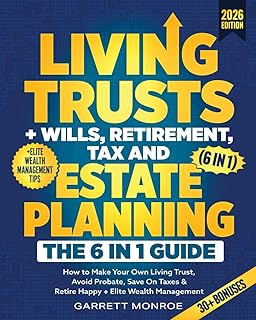
Living Trusts + Wills, Retirement, Tax & Estate Planning – $24.97, ⭐4.5
Covers wealth management and tax strategies. One-time purchase.

Nolo’s Guide to Estate Planning – $27.89, ⭐4.7
Trusted legal resource. No subscriptions.

Estate Planning For Dummies – $20.99, ⭐4.3
Easy-to-read guide. Buy once.

I’m Dead, Now What? Planner – $11.63, ⭐4.6
Organizer for affairs and wishes. No hidden charges.
These books and planners are exactly the kind of resources you can trust. Unlike “free trial” services, you pay once and own them forever.
How to Vet Online Services Before Starting a Trial
Before you enter credit card details for any trial offer—especially related to estate planning—run this checklist:
- Search for “[company name] + scam” – Read recent reviews on Trustpilot or BBB.
- Check the cancellation policy – Is there a phone number, email, or online form? If only a mailing address, run.
- Look for physical address – Legitimate companies list a real street address.
- Read the terms of service – Search for “automatic renewal,” “cancellation fee,” and “trial period.”
- Use a credit card instead of debit – Credit cards offer stronger chargeback rights under the Fair Credit Billing Act.
If a service promises “instant estate documents” but asks for your Social Security number or bank login, that’s a phishing attempt. Learn more about credit card fraud prevention settings to lock down your accounts.
What to Do If You’ve Already Been Charged
Hidden charges already hit? Act fast.
- Contact the merchant directly – Send a written cancellation email and request a refund. Keep records.
- Dispute with your card issuer – Most banks have a 60-day window for chargebacks. The Fair Credit Billing Act protects you for billing errors.
- File a complaint with the FTC – ReportFraud.ftc.gov. Your report helps track patterns.
- Freeze your credit – If you suspect identity theft from the trial, freeze your credit with Equifax, Experian, and TransUnion.
- Monitor your estate planning documents – Scammers may have access to your legal forms. Review any documents they generated for errors.
For a full recovery checklist, see what to do if you’ve been defrauded.
Elder Financial Fraud and Subscription Traps
Older adults who are estate planning may not be as familiar with online subscription models. Scammers use fake “Medicare will service” or “senior legal trial” offers. Families can help by setting up alerts on credit cards and bank accounts.
If a parent or relative shows sudden bank charges for services they don’t recognize, that’s a red flag. Elder financial fraud is often committed by strangers via subscription traps. Families should monitor accounts and discuss free-trial risks openly.
Internal Prevention Resources
To strengthen your fraud prevention knowledge:
- Fraud Prevention Basics: Everyday Steps to Avoid Becoming a Victim – Foundation for every other measure.
- How to Vet Online Sellers and Service Providers to Avoid Payment Fraud – Essential before any trial.
- Wire Transfer and Zelle Fraud: Safe Practices Before Sending Money – Scammers often demand wire payments for “full version” of trials.
- Rental and Housing Scams: Avoiding Fake Listings – Similar tactics to estate planning “free” offers.
Why Subscription Fraud Is a Growing Threat
The pandemic accelerated the shift to digital legal services. Today, dozens of startups offer online estate planning. Most are legitimate, but bad actors clone their sites. According to the FTC, subscription and negative option fraud complaints rose 25% in 2023–2024.
Scammers know that consumers rarely read terms of service. They rely on inertia: once you’re charged, you may give up trying to cancel. That’s why you must cancel safely and persistently.
Expert Insights on Canceling Hidden Charges
Megan L. Peterson, Certified Fraud Examiner: “The most common mistake people make is assuming a free trial is truly free. If you enter a card number, expect to be charged. The safest approach is to use a one-time virtual card number. If you can’t cancel online, document everything and dispute with your bank.”
Key takeaway: Never give a company payment details for a “free” trial without verifying their cancellation process first.
FAQ: Subscription and Trial Offer Fraud
Q: Can a company legally charge me after a free trial if I didn’t cancel?
A: Yes, if the terms clearly stated auto-renewal and you agreed. However, if the cancellation process was hidden or broken, you may have grounds to dispute the charge.
Q: How do I cancel a subscription if the company won’t answer?
A: Send a written cancellation via certified mail to their physical address. Also dispute the charge with your bank. File a complaint with the FTC.
Q: What if I used a debit card instead of credit?
A: Debit cards have weaker protections. Still contact your bank immediately. You may be eligible for a chargeback under Reg E for unauthorized electronic transfers.
Q: Are estate planning “free trial” services ever legitimate?
A: Some are, but you’re better off buying a one-time book like Nolo’s Guide to Estate Planning ($27.89, ⭐4.7) or the I’m Dead, Now What? Planner ($11.63, ⭐4.6). These give you lifetime access without subscriptions.
Q: How can I spot a fake trial offer for estate documents?
A: Look for misspelled URLs, lack of physical address, no customer service number, and pressure to “start now.” Legitimate services like LegalZoom have transparent pricing.
Q: What should I do if I see small recurring charges ($1–$5) on my statement?
A: Those are often “tester” charges from scammers. Contact your bank, cancel the card, and request a new one.
Final Thoughts: Your Estate Plan’s Weakest Link
Subscription and trial offer fraud is a silent threat to your financial security—and therefore to your estate plan. One unauthorized charge can trigger a cascade of headaches: overdrawn accounts, identity theft, and lost trust. But by arming yourself with the right resources—like the top-rated Living Trusts, Wills & Estate Planning for Seniors book or the Nolo’s Guide to Estate Planning—you bypass the scams entirely.
Remember: if an offer feels too good to be true, it’s a trial for trouble. Use the cancellation steps above, monitor your accounts, and keep your estate plan safe from hidden charges.