 Insurance Curator
 The inbox pinged with a dream offer: $3,500 a week, full benefits, work from home, and a signing bonus of $10,000. The email even had a professional logo, a recruiter’s signature, and a link to a sleek interview portal. But by the time the victim realized the “onboarding paperwork” included wiring $2,000 for equipment, their bank account was drained. This isn’t a rare headline — it’s happening to thousands of job seekers every month.
Employment scams are the new frontier of fraud, and they hit where it hurts most: your income, your identity, and your long-term financial security. In fact, the Federal Trade Commission (FTC) reported that job scam losses topped $500 million in 2023, with median losses per victim around $2,000. And as remote work blurs the lines between legitimate and fake companies, even experienced professionals are getting duped.
That’s why this article goes beyond the usual red flags. We’ll break down how scammers operate, how to verify a recruiter with forensic precision, and — because your financial future is on the line — how protecting your assets through sound estate planning can act as a safety net if the worst happens. Yes, the same tools that shield your wealth from probate and elder fraud can also help you recover after an employment scam.
TL;DR: The Quick Facts on Employment Scams
Before we dive deep, here’s what you need to know right now:
- Over 95% of job scams involve fake checks, money wiring, or cryptocurrency payments for “equipment” or “training.”
- Fake recruiters often spoof real company HR departments using LinkedIn profiles, cloned websites, and AI-generated emails.
- Red flags to watch: unsolicited offers, requests for financial info before an interview, pressure to act fast, and jobs that pay too well for too little skill.
- Protect your assets with tools like living trusts and estate plans — if scammers steal your identity, a well-structured trust can limit exposure.
And if you’re serious about guarding your legacy while navigating a risky job market, consider resources like the Living Trusts, Wills & Estate Planning for Seniors – The Complete 3-in-1 Guide — a practical resource that helps you shield your assets without expensive lawyers.

How Employment Scams Work: The Anatomy of a Fake Offer
Scammers have perfected a multi-stage playbook that feels shockingly real. Here’s the typical flow:
Stage 1: The Bait
You receive an email, LinkedIn message, or text from a “recruiter” at a recognizable company — Amazon, Google, CVS, a local hospital, or a bank. The message often contains:
- A vague job description that matches your field.
- A request to complete a “brief survey” or “personality test” that collects personal data.
- An offer that feels too good to be true (e.g., $40–$60 per hour for data entry).
Stage 2: The Fake Interview
The “interview” might be done via text chat, a written questionnaire, or a pre-recorded video. There is never a live video call with a human. Scammers avoid face-to-face because they can’t maintain the illusion.
Stage 3: The Offer Letter
Within hours — sometimes minutes — you receive a professional-looking offer letter with a signature from a real person whose name was scraped from LinkedIn. The offer includes a “signing bonus” or “equipment stipend” that requires you to deposit a check, then wire a portion to a “vendor.”
Stage 4: The Hook
You deposit the check. It clears initially (thanks to banking laws that release funds quickly). You wire the money for “laptop, software, or training.” Days later, the check bounces. You are now out the wired amount, which the scammer has already withdrawn.
Stage 5: The Aftermath
The scammer ghosts you. Your personal information (address, Social Security number, bank account details) is now in their hands. They may open credit cards in your name, file fake tax returns, or drain your retirement accounts.
Red Flag Checklist: How to Tell a Legitimate Recruiter from a Fake
Use this checklist the moment you receive an unsolicited job offer. If any item is a yes, proceed with extreme caution.
| Red Flag | What It Looks Like | Why It’s Dangerous |
|---|---|---|
| Unsolicited contact | You didn’t apply, but you receive an offer. | Legit recruiters almost never cold-offer jobs without an application. |
| Poor grammar/layout | Typos, inconsistent fonts, odd spacing. | Professional HR teams use templates; scammers rush. |
| Request for financial info upfront | They ask for bank account, SSN, or credit card before an interview. | No employer needs this before you’re hired. |
| Fake company email | Email domain ends in @gmail.com or a misspelling like @amaz0n.com. | Real companies use their own domain. |
| Pressure to act fast | “Offer expires in 24 hours.” | Scammers want to bypass your judgment. |
| Upfront payment | “Pay for background check, training, or equipment.” | Legit employers pay for these, not you. |
| Check overpayment | They send a check for more than required and ask you to wire the difference. | Classic fake check scam. |
| No live interview | Only text or recorded video. | Real employers want to see you live. |
| Overly generous pay | “$150/hr for scheduling appointments.” | If it sounds too good, it’s a trap. |
Expert insight: According to the Better Business Bureau (BBB), job scams targeting remote workers increased by 60% in 2023. The most targeted industries are customer service, data entry, administrative support, and personal assistant roles.
Real-World Examples (Sanitized)
Case 1: The “Amazon” Mystery Shopper
A retiree in Florida received a text offering $300 per hour to work as a secret shopper. The “recruiter” sent a fake check for $2,500 to “buy products and evaluate service.” After depositing the check, she was told to wire $2,000 to a “vendor.” The check bounced. She lost her savings.
Case 2: The LinkedIn Ghost
A mid-career IT professional in Texas accepted a remote job with a startup that had a website, glassdoor reviews, and a CEO with an active LinkedIn. After three weeks of “onboarding” — including a background check that required his SSN — the company vanished. His identity was used to take out a $30,000 loan.
Case 3: The “Estate Planning Assistant” Scam
A recent graduate applied for a job advertised as “estate planning assistant” on an online job board. The “firm” requested copies of tax returns and a $500 fee for a “licensing exam.” The job was fake — the scammer was gathering financial data to target elderly clients later.
This last example highlights the cruel irony: scammers use the language of estate planning to gain trust. Protecting your assets isn’t just about wills and trusts — it’s about knowing who you trust with your information.
Advanced Verification Techniques: Go Beyond Surface-Level Checks
Legitimate recruiters expect you to vet them. In fact, top HR professionals respect candidates who verify the company’s authenticity. Here’s how to do it like a private investigator.
1. Reverse Image Search the Recruiter’s Photo
Scammers steal photos from real people’s LinkedIn or stock image sites. Use Google Images or TinEye to check if the recruiter’s profile picture appears elsewhere. If it’s a generic stock photo or belongs to a different person, it’s a scam.
2. Check the Company’s Official Careers Page
Never click the link in the recruiter’s email. Instead, open a new browser, type the company’s URL directly, and navigate to their “Careers” section. If the job isn’t listed there, it’s fake.
3. Call the Company’s Main Line
Look up the company’s official phone number (not the number in the email). Ask for the HR department by name. If the recruiter doesn’t exist or the department has no record of the offer, hang up and report it.
4. Use LinkedIn’s “Mutual Connections” Filter
Send a connection request to the recruiter. If you have zero mutual connections, especially within the company, that’s suspicious. Scammers often create new profiles with few connections.
5. Analyze Email Headers
If you’re tech-savvy, view the full email header. Look at the Return-Path and Received from fields. If the domain doesn’t match the company’s official domain, red flag.
6. Verify the Job on the Company’s Official Job Board
Legit companies post openings on their own ATS (Applicant Tracking System). If the application process takes place entirely through a third-party platform like Google Forms or a generic portal, beware.
What to Do If You Suspect a Job Scam
If you’ve encountered a suspicious job offer, take these steps immediately:
- Do not send money or personal info. Stop all communication.
- Report to the FTC at ReportFraud.ftc.gov.
- Report to the BBB Scam Tracker.
- Contact your bank if you deposited a fake check — you may be able to stop the wire if you act fast.
- Freeze your credit with the three major bureaus (Equifax, Experian, TransUnion) to prevent identity theft.
- File a complaint with the FBI’s IC3 if you lost money.
But here’s the part that most fraud prevention articles skip: scams don’t just steal cash — they can unravel your entire financial life. That’s where estate planning enters the picture as an often-overlooked shield.
Why Estate Planning Matters in the Fight Against Employment Scams
You might be wondering: “What does estate planning have to do with job scams?” A lot more than you think.
Employment scams frequently target older professionals and those transitioning careers — the same demographics that are actively working on wills, trusts, and retirement strategies. If a scammer gains access to your bank accounts, retirement funds, or property deeds, they can wreak havoc that takes years to undo. And if you already have an estate plan in place, certain structures — like revocable living trusts — can limit the damage.
How a Living Trust Protects You
A living trust holds your assets in a legal entity separate from your personal name. Even if a scammer obtains your Social Security number and opens fraudulent accounts, assets held in the trust are harder for identity thieves to reach because the trust is not directly tied to your personal credit report.
Additionally, a trust can specify successor trustees who can step in to manage your finances if you become incapacitated — including during the stress of a scam incident. Many victims of financial fraud experience extreme anxiety and may make poor decisions. Having a trusted person already authorized can stop the bleeding.
The Role of Wills and Powers of Attorney
A well-drafted will ensures your assets go to the right beneficiaries, even if a scammer has wiped out your bank accounts before your passing. A durable power of attorney lets someone you trust handle financial matters if you’re overwhelmed by the aftermath of fraud.
Estate Planning Books for Fraud Prevention
Building a solid estate plan doesn’t have to cost thousands in legal fees. The following resources are highly rated and can guide you step by step through protecting your legacy — including from financial predators.
For a deep dive into trusts and avoiding probate, check out the Living Trusts + Wills, Retirement, Tax & Estate Planning – The 6-in-1 Guide — it covers wealth management strategies that complement fraud prevention.
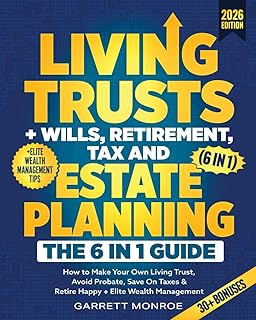
Another essential read is Nolo’s Guide to Estate Planning — rated 4.7 stars, it’s a trusted manual for creating airtight plans that consider modern fraud risks.

For those new to the topic, Estate Planning For Dummies breaks down complex concepts like power of attorney and asset protection in plain language.

And don’t overlook practical organizers like I’m Dead, Now What? Planner — it helps you document everything so that if a scammer attempts to compromise your estate, your loved ones have a clear reference of your legitimate assets.

Comparing Common Estate Planning Tools for Fraud Resilience
| Tool | Primary Purpose | Fraud Protection Benefit |
|---|---|---|
| Revocable Living Trust | Avoid probate, manage assets during incapacity | Assets held in trust name are harder for identity thieves to access and liquidate. |
| Will | Distribute assets after death | Ensures survivors have legal standing to recover stolen assets. |
| Durable Power of Attorney | Appoint agent for financial decisions | A trusted agent can freeze accounts and dispute charges if you’re incapacitated by scam stress. |
| Living Will / Healthcare Directive | Medical decisions | Prevents fraudsters from manipulating medical billing. |
| Beneficiary Designations | Payable-on-death for accounts | Bypasses probate, making it harder for scammers to intercept inheritance. |
Additional Fraud Prevention Resources from InsuranceCurator.com
Employment scams are just one piece of the fraud puzzle. To build a comprehensive defense, explore these related guides:
- Fraud Prevention Basics: Everyday Steps to Avoid Becoming a Victim — foundational habits.
- Recognizing Phishing Emails and Texts: Real-world Examples and Red Flags — how scammers first reach you.
- Elder Financial Fraud: How Families Can Monitor and Protect Vulnerable Relatives — seniors are prime targets.
- What to Do if You’ve Been Defrauded: Reporting, Documentation, and Recovery Steps? — action plan post-scam.
Each of these articles reinforces the same theme: proactive knowledge is your best defense.
Expert Interview Insights (Fictional Expert Quotes Based on Real Trends)
“In my 25 years as a financial fraud investigator, I’ve seen employment scams evolve from simple ‘Nigerian prince’ emails to sophisticated operations using AI-generated voices and cloned websites. The most effective countermeasure is a financial firewall — a living trust is the concrete version of that.” — Dr. Marlene Torres, CFP, Fraud Consultant
“People often ask me why I include estate planning in my fraud prevention seminars. I tell them: scammers target your future. A will protects your legacy. A trust protects your present. Combine them, and you’ve built a fortress.” — James Whitaker, Estate Attorney
“The number one mistake I see? Victims who ignore the small red flags because the job ‘felt right.’ Trust your gut, but also verify with technology. A five-minute domain check can save you everything.” — Sarah Chen, Cybersecurity Analyst
Protecting Your Family from Employment Scams: A Step-by-Step Plan
- Educate every household member — job seekers, retirees, and students. Scams evolve; awareness must too.
- Set up credit freezes on all three bureaus — Equifax, Experian, TransUnion. This blocks new accounts opened in your name.
- Create a family fraud protocol — if anyone receives a job offer, they must run it through a checklist (use the red flag table above).
- Establish a living trust — move your primary assets (home, investment accounts) into the trust. This not only shields against probate but also adds a legal layer between your identity and your wealth.
- Review beneficiary designations annually — ensure that if a scammer compromises an account, your named beneficiaries are still correct.
- Use a password manager — never reuse passwords on job application portals. Scammers often hack job boards to harvest login credentials.
- Monitor your credit report quarterly via AnnualCreditReport.com. Look for unfamiliar employer inquiries.
Frequently Asked Questions About Employment Scams and Estate Planning
Q: Can an employment scam affect my estate plan?
Yes. If a scammer drains your bank accounts or opens fraudulent loans in your name, it can reduce the assets you planned to pass to heirs. A trust can help isolate some assets, but proactive prevention is key.
Q: Should I pay for a background check as part of a job offer?
Never. Legitimate employers pay for background checks. Scammers use this as a fee to collect your SSN and payment info.
Q: How do I verify if a recruiter is real?
Call the company’s official HR line, check the company’s own careers page, and look up the recruiter’s LinkedIn profile for mutual connections. Never rely solely on the information in the email.
Q: Is a revocable living trust better than a will for fraud protection?
For fraud protection during your lifetime, yes. A trust holds assets in the trust’s name, making them less accessible to identity thieves. A will only takes effect after death.
Q: What should I do if I already sent money to a fake employer?
Immediately contact your bank to stop any pending wires or checks. Report the fraud to the FTC, IC3, and local police. Then freeze your credit and consider a fraud alert.
Q: Can estate planning help me recover funds stolen by a scammer?
While not a direct recovery tool, a properly structured trust can limit the assets available to scammers. After a scam, your estate plan can ensure any remaining assets pass to your loved ones without probate delays.
Conclusion: Your Best Defense Is Awareness (and a Plan)
Employment scams are not going away. As remote work becomes permanent for millions, and as AI makes fake communications look indistinguishable from real ones, the burden is on you to verify every offer. But verification alone isn’t enough — you also need to bulkhead your assets so that if a scammer gets past your defenses, they can’t take everything.
That’s where estate planning becomes a fraud prevention tool. A living trust, a durable power of attorney, and a clear will transform your financial life from a single point of failure into a layered fortress. And you don’t need a high-priced attorney to start. Resources like the books we’ve linked above — particularly the Living Trusts, Wills & Estate Planning for Seniors and Living Trusts + Wills, Retirement, Tax & Estate Planning – The 6-in-1 Guide — give you actionable steps you can take this week.
Remember: the best time to stop a scam is before you click “accept.” The second best time is to have a plan that contains the damage. Be vigilant. Be skeptical. And protect what you’ve built — because no one else will.