 Insurance Curator
 The roar of flames, the smell of smoke, the frantic scramble to save what matters most—wildfire season is no longer a remote threat. It’s a reality for millions of homeowners across the West and beyond. Preparation isn’t just about hosing down your roof; it’s about safeguarding your family, your home, and your legacy. This article is your comprehensive guide to building defensible space around your property and assembling evacuation kits that work when minutes count. We’ll also explore how estate planning fits into the larger picture of disaster readiness, because protecting your assets and wishes is just as important as protecting your physical structure.
Understanding the Connection Between Wildfire Preparedness and Estate Planning
When you think of wildfire preparedness, you probably picture clearing brush and packing a bag. But have you considered what happens to your legal documents, your digital assets, or your final wishes if flames sweep through your community? Estate planning and disaster preparedness are deeply linked. A well-organized estate plan ensures that your loved ones can manage your affairs without chaos, even if your home is destroyed.
In the chaos of an evacuation, your living trust, will, and financial records become your family’s lifeline. Without them, probate courts, insurance claims, and asset recovery become nightmarish obstacles. That’s why this guide includes actionable advice on storing key documents and using trusted resources like Nolo’s Guide to Estate Planning to keep your affairs in order.
Key insight: If you don’t have a will or trust, your state decides who gets your property. Wildfires don’t wait—neither should your estate plan.
The Science of Defensible Space – Your Home’s First Line of Defense
Defensible space is the buffer you create between your home and the surrounding vegetation or structures. It slows or stops the spread of wildfire and gives firefighters a safe area to defend your property. This concept isn’t guesswork—it’s based on decades of fire behavior research.
Zone 1: The Immediate Zone (0–5 feet from your home)
This zone is the most critical. Use non-flammable materials like gravel or pavers. Remove all dead plants, leaves, and pine needles. Keep your lawn hydrated and trimmed. Never store firewood or propane tanks within this area.
Zone 2: The Intermediate Zone (5–30 feet from your home)
Create “fuel breaks” by spacing trees and shrubs. Prune tree limbs up to 10 feet above the ground. Remove ladder fuels—low branches that allow fire to climb into the canopy. Use fire-resistant plants like lavender, sage, or rockrose.
Zone 3: The Extended Zone (30–100 feet from your home)
Focus on reducing the density of trees and brush. Thin out dead or dying vegetation. Keep grass mowed to 4 inches or less. If you live on a slope, extend this zone to 200 feet, because fire runs uphill faster.
Pro tip: Check your local fire department’s recommendations. Some areas require 100 feet of defensible space by law.
Creating Your Defensible Space – Step-by-Step Action Plan
Now that you understand the zones, let’s get your hands dirty. Follow these steps for a property that’s resilient against wildfire.
1. Vegetation Management
- Remove dead or dying plants within 30 feet of your home.
- Trim trees so no branches overhang your roof or chimney.
- Space shrubs so they don’t create a continuous line of fuel.
- Mow dry grass regularly, especially in late summer.
2. Hardening Your Home
- Install metal gutters and mesh screens to block embers.
- Replace wood shakes with Class A fire-rated roofing.
- Cover vents with 1/8-inch wire mesh to stop ember entry.
- Use tempered glass windows—they resist heat better than standard glass.
3. Driveway and Access
- Ensure your driveway is at least 12 feet wide for emergency vehicles.
- Post clear address signs visible from both directions.
- Remove low-hanging branches that could block a fire truck.
Remember: Firefighters need room to work. A cluttered yard puts your home at greater risk.
Building Your Ready-to-Go Evacuation Kit – Don’t Wait Until the Last Minute
When a wildfire approaches, you may have only 10 minutes to evacuate. A pre-packed “go bag” is non-negotiable. But not all evacuation kits are created equal. Let’s break down what to include for you, your family, and your documents.
Essentials for Every Kit
- Water: one gallon per person per day (three-day supply)
- Non-perishable food and a manual can opener
- Flashlights and extra batteries
- First-aid kit and prescription medications
- N95 masks to protect against smoke
- Whistle to signal for help
- Multi-tool or Swiss army knife
- Portable phone charger (power bank)
Documents and Digital Records
This is where estate planning meets wildfire preparedness. Store digital copies of your documents in a secure cloud service, and keep physical copies in a fireproof safe or inside your go bag.
- Living trust and will (update annually)
- Power of attorney and healthcare directives
- Insurance policies (home, auto, life)
- Property deeds and titles
- Passports, birth certificates, marriage licenses
- List of financial accounts with account numbers
- USB drive with encrypted backups of family photos and records
Power tip: Use a waterproof, fireproof bag inside your go bag. Consider a copy of I’m Dead, Now What? Planner to organize all your affairs in one place. It’s rated 4.6 stars and costs just $11.63—an inexpensive investment for peace of mind.
Pet and Medical Needs
- Pet food, water bowls, leash, and carrier
- Vaccination records and vet contact info
- Medications for pets (heartworm, flea/tick)
- Extra glasses or contact lenses
- Hearing aid batteries and spare mobility aids
- List of allergies and medical conditions
Integrating Estate Planning into Your Wildfire Preparedness Plan
You’ve cleared the brush and packed the bags. Now it’s time to secure your legacy. A comprehensive estate plan ensures that if the worst happens, your wishes are honored and your family avoids legal turmoil.
Updating Your Living Trust and Will
Many homeowners create a trust but never update it after major life changes—marriage, divorce, birth of children, or purchase of new property. Wildfire can destroy physical copies of your documents. Keep signed originals in a bank safe deposit box or a fireproof safe, and store digital copies in multiple locations.
Using an Estate Planning Guide
If you don’t yet have a plan, don’t panic. Several excellent guides walk you through the process. For seniors and families, Living Trusts, Wills & Estate Planning for Seniors – The Complete 3-in-1 Guide ($22.97, 4.4 stars) offers a straightforward approach, including will and trust forms. For a broader financial perspective, consider Living Trusts + Wills, Retirement, Tax & Estate Planning – The 6-in-1 Guide ($24.97, 4.5 stars), which covers wealth management and retirement alongside estate law.
Did you know? A living trust avoids probate, which can take months or years. During a disaster, your family needs faster access to assets.
Protecting Digital Records
Modern estate planning includes digital assets: online bank accounts, social media, crypto wallets, and subscription services. List them all, including passwords, and store that list in a secure password manager. Print a copy and put it with your will.
Communicating Your Plan
Your family can’t follow a plan they don’t know about. Discuss your wishes with your spouse, children, or executor. Show them where your fireproof safe is located. Leave a note in your go bag with the contact info for your attorney or financial advisor.
Product Recommendations – Tools to Get You Organized
To make the process smoother, we’ve curated a few top-rated resources. These books and planners help you formalize your estate plan without costly lawyers, while also organizing critical information for evacuations.
1. Living Trusts, Wills & Estate Planning for Seniors – The Complete 3-in-1 Guide

- Price: $22.97 | Rating: 4.4
- Perfect for seniors who want a clear, all-in-one approach. Includes forms for wills and trusts, so you can draft documents without legal fees. The guide also explains how to protect assets from probate—critical if your home is lost in a wildfire.
2. Living Trusts + Wills, Retirement, Tax & Estate Planning – The 6-in-1 Guide
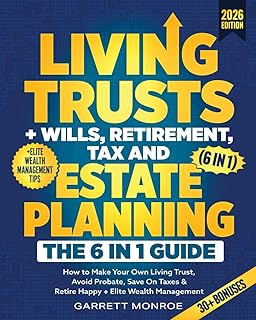
- Price: $24.97 | Rating: 4.5
- A comprehensive wealth strategy guide that goes beyond estate documents. It covers tax optimization, retirement planning, and wealth management. For disaster preparedness, it helps you organize financial accounts so nothing gets lost in the chaos.
3. Nolo’s Guide to Estate Planning

- Price: $27.89 | Rating: 4.7
- Widely considered the gold standard in DIY estate planning. Nolo provides state-specific advice, sample forms, and clear legal explanations. This is the book to reach for if you want a thorough, attorney-reviewed reference.
4. Estate Planning For Dummies

- Price: $20.99 | Rating: 4.3
- Don’t let the title fool you—this book covers trusts, wills, power of attorney, and even Medicaid planning. It’s written in plain English, making it perfect for beginners. Updated for 2024 tax laws.
5. I’m Dead, Now What? Planner

- Price: $11.63 | Rating: 4.6
- Not a how-to guide—it’s an organizer. Fill in sections for personal info, accounts, insurance policies, burial wishes, and more. Keep a copy in your evacuation kit so your family knows exactly where everything is.
Our recommendation: For most homeowners, pairing the Living Trusts & Wills 3-in-1 Guide with the I’m Dead, Now What? Planner covers both legal setup and practical organization.
Internal Links – Build Your Disaster Preparedness Knowledge
A holistic approach to disaster readiness means looking at all aspects of safety. Explore these related guides from the same content cluster:
- Disaster Preparedness 101: Building a Family Emergency Plan That Actually Works
- Emergency Go-bag Essentials: What to Pack for 72 Hours of Survival
- Financial Disaster Preparedness: Protecting Documents, Cash, and Access to Accounts
- Preparing for Natural Disasters in Your Region: Tailored Plans for Common Risks
- Digital Records and Cloud Backups: Protecting Important Files from Physical Disasters
- Post-disaster Recovery Checklist: Safety, Insurance Claims, and Rebuilding Steps
Each of these articles dives into specific areas of preparedness—from go-bag essentials to cloud backups—to help you build a complete safety net.
Frequently Asked Questions About Wildfire Preparedness and Estate Planning
1. How much defensible space do I need around my home?
Most wildfire-prone areas require at least 100 feet of defensible space. On sloped properties, you may need up to 200 feet. Check your local fire code, as requirements vary.
2. What documents should I keep in my evacuation kit?
At a minimum: your living trust or will, power of attorney, insurance policies, property deeds, birth certificates, passports, and a list of financial accounts. Keep digital copies in the cloud as well.
3. How often should I update my estate plan?
Review your plan every two to three years, or after any major life event (marriage, divorce, birth of a child, purchase of a home, or death of a beneficiary). Wildfire season is a great reminder to do an annual check.
4. Can I create a living trust without a lawyer?
Yes. Many people use DIY guides like Nolo’s Guide to Estate Planning or Estate Planning For Dummies to draft their own trusts. However, for complex estates, consulting an attorney is wise.
5. What should I do with my physical documents during an evacuation?
Store originals in a fireproof, waterproof safe. Keep a second set in a bank safe deposit box. Place copies in your go bag. Also scan everything and store it in an encrypted cloud service.
6. How do I protect my home from embers?
Embers can travel miles ahead of the main fire. Seal gaps in your roof, cover vents with fine mesh, and remove any combustible materials within 5 feet of your home. Ember-proofing is often more important than direct flame contact.
7. Should I include my estate plan details in my evacuation kit?
Absolutely. Include a flash drive with your digital estate plan, plus a printed summary sheet. Also pack the I’m Dead, Now What? Planner if you use one—it’s compact and lists everything your family needs.
8. What is the biggest mistake people make with defensible space?
Neglecting Zone 1—the immediate area around the house. Even a single pile of firewood or a wooden planter can ignite your home. Keep the zone within 5 feet completely free of burnable materials.
9. How can I practice evacuation with my family?
Set a meeting point outside your neighborhood. Time a drill: can you pack your go bag and leave in under 10 minutes? Practice with pets and elderly family members. Review your estate plan location during the drill.
10. Does homeowners insurance cover wildfire damage?
Yes, standard policies typically cover fire damage. However, coverage limits and exclusions vary. Review your policy annually and consider adding “guaranteed replacement cost” coverage. Talk to your agent about your specific risks.
Final Thoughts – Prepare Today for Peace of Mind Tomorrow
Wildfire preparedness isn’t a one-time task. It’s an ongoing commitment to your safety and your family’s future. By creating defensible space, you give your home a fighting chance. By packing a well-stocked evacuation kit, you ensure you can leave quickly and with essentials. And by integrating estate planning into your disaster readiness, you protect your legacy even if flames sweep through.
Remember: the time to act is now—before the smoke rises on the horizon. Update your will, clear your gutters, and store your documents. Your future self will thank you.
Now, take the next step. Start with the Living Trusts, Wills & Estate Planning for Seniors guide to secure your estate, then head outside to trim those branches. You’ve got this.