 Insurance Curator
 Earthquakes strike without warning. One moment you’re sipping coffee; the next, the ground rolls, windows rattle, and everything you own begins to shift. In those seconds, being prepared can mean the difference between injury and safety, and between a home that stands and one that collapses.
This guide goes beyond simple checklists. We connect earthquake preparedness with estate planning — because protecting your home is only half the battle. Securing your family’s financial future and ensuring your wishes are carried out after a disaster is equally critical. Whether you live in California, the Pacific Northwest, or any seismically active region, this deep dive covers securing your home, what to do during shaking, and how to safeguard your estate with trusted resources like Living Trusts, Wills & Estate Planning for Seniors – The Complete 3-in-1 Guide and Nolo’s Guide to Estate Planning.
Why Earthquake Preparedness Demands Estate Planning
Most people think of earthquakes as a physical threat — falling objects, cracked foundations, shattered glass. But the financial aftershock can be just as devastating. Without proper planning, you could lose access to important documents, face months of legal delays, or see your assets distributed against your wishes.
Estate planning creates a safety net that catches you and your loved ones after the shaking stops. It ensures your will, trusts, power of attorney, and healthcare directives are stored safely and accessible. Pairing these documents with a disaster-ready home gives you true peace of mind.
If you haven’t yet drafted or updated your estate plan, consider these best-selling resources:

Living Trusts, Wills & Estate Planning for Seniors covers everything from avoiding probate to creating a living trust without costly lawyers. It’s a $22.97 investment that can protect your family from legal chaos after an earthquake.
Securing Your Home: A Room-by-Room Approach
Earthquakes don’t damage homes uniformly. The main risk comes from unsecured objects that become projectiles and from structural weaknesses that cause collapse. Tackle each room systematically.
Living Room and Common Areas
- Bookcases and shelving: Anchor tall furniture to wall studs using brackets or seismic straps. A 6-foot bookcase can topple and block exits.
- Televisions and electronics: Use anti-tip straps or wall mounts. A falling TV can cause serious injury.
- Heavy artwork and mirrors: Hang them on closed hooks that prevent them from swinging off.
- Light fixtures: Ensure ceiling fans and chandeliers are securely attached with locked mechanisms.
Kitchen: The Most Dangerous Room
- Cabinet doors: Install childproof latches that keep doors closed during shaking.
- Glassware and dishes: Store them in lower cabinets with non-slip liners. Use museum gel for decorative items.
- Appliances: Refrigerator, stove, and dishwasher should be secured with flexible gas connectors and anti-tip brackets.
- Water heater: Strap it to wall studs with metal strapping. An unsecured water heater can break gas lines and cause fires.
Bedrooms
- Bed placement: Never sleep directly under heavy hanging lights or large mirrors. Move beds away from windows.
- Headboards: Secure tall headboards to the wall.
- Emergency supplies: Keep a flashlight and sturdy shoes under each bed.
Garage and Utility Areas
- Hazardous materials: Store flammable liquids in closed cabinets on lower shelves.
- Tools and lawn equipment: Hang heavy items on pegboards with safety straps.
- Water shut-off: Know how to turn off your gas and water mains. Consider a seismic gas shut-off valve.
A thorough home inspection can reveal weak spots you might miss. Combine this with a family emergency plan — for a template, read Disaster Preparedness 101: Building a Family Emergency Plan That Actually Works.
What to Do During Shaking: The Core Survival Actions
When the ground starts moving, time is measured in seconds. Your automatic response must be correct. Train yourself and your family with these steps.
Drop, Cover, and Hold On
This is the official recommendation from the USGS and FEMA. Here’s why each step matters:
- Drop: Immediately drop onto your hands and knees. This prevents you from being knocked down and keeps you low to the floor.
- Cover: Crawl to a sturdy desk or table and cover your head and neck with one arm. If no shelter is available, stay low and cover your head with your hands next to an interior wall.
- Hold On: Hold onto your shelter until the shaking stops. If it moves, move with it.
What NOT to Do
| Mistake | Why It’s Dangerous |
|---|---|
| Stand in a doorway | Modern doorways are not stronger than other parts of the house, and doors can swing violently. |
| Run outside | Falling debris from building exteriors is the leading cause of injury. |
| Use elevators | Power outages can trap you. |
| Light a match or candle | Gas leaks can cause explosions. |
If You Are Outside, Driving, or in Bed
- Outside: Move away from buildings, trees, streetlights, and utility wires. Drop and cover.
- Driving: Pull over to a clear area, set the parking brake, and stay inside until shaking stops.
- In bed: Stay there. Cover your head with a pillow. If you have a heavy light fixture above, roll off the bed to the floor and cover.
After the shaking stops, expect aftershocks. They can occur minutes, hours, or days later and may be strong enough to cause additional damage.
After the Quake: First Steps for Safety and Recovery
The immediate aftermath is chaotic. Adrenaline is high, and you may be disoriented. Follow this order:
- Check for injuries — Apply first aid. Call 911 only for life-threatening emergencies.
- Check for hazards — Look for gas leaks, electrical damage, and water line breaks. If you smell gas, shut off the main valve.
- Evacuate if necessary — If your home is structurally unsafe, leave immediately. Grab your emergency go-bag.
- Communicate — Use text messages or social media to let family know you’re safe. Voice networks may be jammed.
For a detailed post-disaster checklist, including how to handle insurance claims and rebuilding, see Post-disaster Recovery Checklist: Safety, Insurance Claims, and Rebuilding Steps.
Securing Your Estate Documents Before the Earthquake
One of the most overlooked aspects of earthquake preparedness is document protection. If your home collapses or suffers water damage, your will, trust, and insurance policies could be destroyed.
Create Digital and Physical Backups
- Digital copies: Scan all estate planning documents and store them in an encrypted cloud service. Also keep a copy on a portable USB drive in your go-bag.
- Fireproof and waterproof safe: Store originals in a bolted-down safe. Choose one rated for at least 1 hour at 1700°F.
- Notify your executor: Your executor or trustee should know where documents are kept and how to access them.
Essential Estate Documents to Secure
- Will and any codicils
- Revocable living trust
- Durable power of attorney (financial and healthcare)
- Healthcare proxy or living will
- Beneficiary designations for retirement accounts and insurance
- Property deeds and titles
- Digital asset inventory with passwords
Using a comprehensive planner like I’m Dead, Now What? Planner can help you organize all this information in one place. It’s a practical, affordable ($11.63) tool to keep your affairs in order.

How Estate Planning Complements Earthquake Insurance
Even with robust home insurance, standard policies often exclude earthquake damage. You need a separate earthquake insurance policy (or a rider) to cover structural repairs and contents. But insurance payouts can take months. That’s where estate planning steps in.
- Liquidity: Your living trust or will should specify how to access funds to cover immediate needs (e.g., temporary housing, debris removal).
- Executor powers: Ensure your executor has the authority to file insurance claims and manage finances if you are incapacitated.
- Beneficiary designations: Review them after any major disaster — you may need to update if a beneficiary perishes.
For more on safeguarding financial access during disasters, read Financial Disaster Preparedness: Protecting Documents, Cash, and Access to Accounts.
Choosing the Right Estate Planning Guide for Your Needs
Not all estate planning books are created equal. If you’re starting from scratch or need a refresher, the following products offer clear, actionable guidance.
| Product | Price | Rating | Best For |
|---|---|---|---|
| Living Trusts, Wills & Estate Planning for Seniors (3-in-1) | $22.97 | 4.4 | Seniors wanting simple, lawyer-free estate planning with forms |
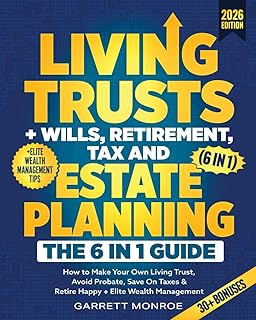
| Living Trusts + Wills, Retirement, Tax & Estate Planning (6-in-1) | $24.97 | 4.5 | Comprehensive coverage including tax and retirement planning |
| Nolo’s Guide to Estate Planning | $27.89 | 4.7 | Authoritative, up-to-date legal guidance from Nolo |
| Estate Planning For Dummies | $20.99 | 4.3 | Beginners needing a friendly, jargon-free introduction |
| I’m Dead, Now What? Planner | $11.63 | 4.6 | Filling out an organizer with all your final wishes and asset details |
The Living Trusts + Wills, Retirement, Tax & Estate Planning (6-in-1) is particularly valuable if you want to integrate tax strategies with disaster-proof asset protection.
Creating a Seismic-Safe Home Within Your Budget
You don’t need to spend thousands to earthquake-proof your home. Prioritize according to risk.
Low-Cost Measures (Under $50)
- Museum gel for fragile items
- Childproof cabinet latches
- Furniture straps for electronics
- Flashlights and batteries by each bed
- Non-slip rug pads
Mid-Range Investments ($50–$200)
- Water heater strapping kit (including flexible gas line)
- Bolt-down safe for documents
- Smoke and carbon monoxide detectors with battery backup
- Basic first aid kit
Higher-Cost Upgrades ($200–$1,000+)
- Seismic gas shut-off valve installation
- Bookshelf and cabinet wall anchors (professional)
- Retrofit of cripple walls (foundation bolting)
- Automatic backup generator
For apartment dwellers on a tight budget, check out Emergency Preparedness for Apartment Dwellers and Renters.
The Role of Digital Records in Earthquake Estate Planning
Paper burns, gets soaked, or disappears under rubble. Digital records ensure your estate plan survives the quake.
- Cloud backup services: Google Drive, Dropbox, or encrypted services like Tresorit. Use two-factor authentication.
- Password manager: Store all account logins in a tool like LastPass or Bitwarden. Share access with your executor via emergency access features.
- Digital asset inventory: List all online accounts, cryptocurrency wallets, and social media profiles. The I’m Dead, Now What? Planner has a dedicated section for digital assets.
For deeper guidance, see Digital Records and Cloud Backups: Protecting Important Files from Physical Disasters.
Special Considerations for Seniors and People with Disabilities
Older adults and those with mobility challenges face unique risks during earthquakes. Estate planning becomes even more critical because medical and financial decisions may need to be made quickly.
- Medical alert systems: Ensure devices work even if the power goes out.
- Medication kit: Keep at least a week’s supply of prescriptions in a go-bag.
- Portable medical history: Store a flash drive with diagnoses, allergies, and medication list.
- Healthcare power of attorney: Make sure someone is authorized to make medical decisions if you cannot communicate.
The Living Trusts, Wills & Estate Planning for Seniors (3-in-1) specifically addresses these needs, with forms tailored for older adults.
Practice Makes Permanent: Drills and Family Exercises
Even the best plan fails if you don’t practice. Run Drop, Cover, and Hold On drills every six months. Use a stopwatch and aim for under 10 seconds to get into position.
- Drill 1: Without warning, shout “Earthquake!” and time how long it takes everyone to drop.
- Drill 2: Simulate a power outage — close windows, practice turning off gas main.
- Drill 3: Go-bag drill — each family member grabs their bag and meets at the designated outdoor meeting point.
Involve children by turning it into a game. Reward cooperation with stickers or small prizes.
For more on family communication plans, read Creating a Home Emergency Communication Plan for Family and Caregivers.
Conclusion: Secure Your Home, Secure Your Legacy
Earthquake preparedness is not a one-time task. It’s a continuous cycle of securing your physical space, knowing what to do during shaking, and protecting your legal and financial affairs. By combining practical home safety steps with solid estate planning, you ensure that both your family and your assets are resilient.
Start today.
- Strap your water heater.
- Bolt down a bookcase.
- Draft or update your will.
- Buy an estate planning guide that fits your needs.
The ground beneath us is always moving. But with preparation, you can stand firm.
Frequently Asked Questions About Earthquake Preparedness
Q: What is the safest place in a house during an earthquake?
A: Under a sturdy desk or table is best, away from windows, heavy furniture, and exterior walls. If no shelter is available, sit against an interior wall covering your head.
Q: How long do earthquakes usually last?
A: Most earthquakes last only 10 to 30 seconds, but stronger events can last up to two minutes. The shaking often feels longer due to adrenaline.
Q: Should I turn off my gas after every earthquake?
A: Only if you smell gas or hear a hissing sound. Otherwise, leave the valve on. If you shut it off, only a professional can turn it back on.
Q: Can earthquake damage void my home insurance?
A: Standard home insurance policies do not cover earthquake damage. You must purchase separate earthquake insurance or a rider. Check within 6 months of buying your home.
Q: Is a living trust affected by an earthquake?
A: No, but the physical copy of the trust could be destroyed. Keep digital backups and inform your trustee where the original is stored.
Q: How often should I update my estate plan after a disaster?
A: Review it immediately after any major life event, including a natural disaster. Confirm that all named beneficiaries are still alive and that your executor is able to serve.