 Insurance Curator
 When a natural disaster strikes, you often have minutes – not hours – to evacuate. Your emergency go-bag is the lifeline that keeps you and your family safe during the critical first 72 hours. But there’s a layer of preparedness most people overlook: your estate planning documents. A go-bag without access to legal, medical, and financial records leaves you vulnerable long after the immediate danger passes.
This guide covers every essential item for a 72-hour survival kit, from water and food to critical documents. We’ll also show you how to integrate estate planning tools like Living Trusts, Wills & Estate Planning for Seniors so you can protect both your life and your legacy.
Why 72 Hours? The Golden Window of Self-Reliance
Emergency management experts agree: in the first three days after a disaster, professional help may be delayed or unavailable. Roads can be blocked, power grids down, and supply chains cut. Your go-bag must sustain you without outside assistance for 72 hours. Packing for this window means balancing weight, durability, and versatility.
But true preparedness goes beyond survival gear. Financial and legal chaos after a disaster can be just as devastating as the event itself. That’s why your go-bag should include copies of estate planning documents – and a plan to keep originals safe.
The Foundation: Water and Hydration
Dehydration is the fastest killer in a survival scenario. You need at least one gallon per person per day – half for drinking, half for hygiene. For a family of four, that’s 12 gallons. Carrying that much water is impractical, so plan for both storage and purification.
| Item | Purpose | Quantity Per Person |
|---|---|---|
| Bottled water | Immediate drinking | 1 gallon/day |
| Water purification tablets | Treating local water | 1 pack |
| LifeStraw or portable filter | Drinking from streams | 1 unit |
| Collapsible water container | Carrying extra water | 1 (5–10L) |
Pro tip: Rotate your water supply every six months. Mark the date on each bottle with a permanent marker.
Food: Calorie-Dense, No-Cook Options
In a crisis, you need energy without requiring fuel or electricity. Pack foods that are high in calories, low in weight, and require no preparation.
- Protein bars (e.g., Clif, RXBAR)
- Canned tuna or chicken (pop-top lids – don’t forget a can opener if not pop-top)
- Nut butters (individual packets)
- Dried fruit, nuts, and trail mix
- Instant coffee or tea bags (morale boost)
- Electrolyte powders (prevent dehydration)
Store everything in a dedicated dry bag within your go-bag. Replace expired items every 12 months.
First Aid and Medical Supplies
Your go-bag first aid kit must go beyond band-aids. Include prescription medications (at least a two-week supply), over-the-counter pain relievers, antihistamines, and any medical devices like inhalers or epinephrine auto-injectors.
Essential First Aid Components:
- Sterile gauze pads, medical tape, and bandages
- Antiseptic wipes and antibiotic ointment
- Tweezers, scissors, and safety pins
- Gloves (nitrile, latex-free)
- Tourniquet and hemostatic gauze (for severe bleeding)
- Instant cold packs
- Oral rehydration salts
Important: Rotate medications before their expiration dates. Keep a current list of allergies and medical conditions in a waterproof pouch.
Tools and Multi-Use Gear
A well-chosen tool can replace a dozen single-purpose items. Focus on quality over quantity.
- Multi-tool (Leatherman or Gerber) – pliers, knife, screwdrivers
- Headlamp (hands-free + extra batteries)
- Duct tape – repair gear, shelter, first aid
- Whistle (signal for help)
- Fire starter (waterproof matches, lighter, ferro rod)
- Heavy-duty trash bags – rain poncho, shelter, insulation
- Paracord (10–20 feet) – shelter, tethering, first aid
Rank your tools by versatility. A headlamp beats a flashlight because both hands remain free.
Shelter and Warmth
Even in mild climates, exposure can be deadly. Pack for the worst-case temperature swing.
| Item | Why It Matters |
|---|---|
| Emergency bivvy or sleeping bag | Retains body heat |
| Space blanket (Mylar) | Reflects heat, lightweight |
| Tarp (6’x8’ min) | Shelter from rain or sun |
| Change of clothes | Dry layers prevent hypothermia |
| Wool or fleece hat | Major heat loss through head |
Remember: cotton kills. All clothing in your go-bag should be wool, fleece, or synthetic.
Communication and Navigation
After a disaster, cell towers may be down. You need backup ways to receive information and signal for help.
- NOAA weather radio (hand-crank or solar)
- Portable power bank (at least 10,000 mAh) with cables
- Paper maps of your local area (GPS may be offline)
- Compass (learn how to use it before you need it)
- Emergency contact list (write down phone numbers)
- FRS or GMRS two-way radios for family coordination
Internal link: For more on coordinating with loved ones, see Creating a Home Emergency Communication Plan for Family and Caregivers.
Critical Documents: Estate Planning and Financial Records
This is where estate planning meets emergency preparedness. Your go-bag should include waterproof copies of the documents that protect your assets and healthcare decisions. In the chaos of evacuation, having these papers accessible can prevent probate delays, medical confusion, and financial paralysis.
Must-Have Document Copies
- Will and/or Living Trust
- Power of Attorney (financial and healthcare)
- Advanced Healthcare Directive / Living Will
- Insurance policies (home, auto, life, health)
- Deeds, titles, and vehicle registrations
- Recent bank statements and investment account summaries
- List of passwords (digital estate planning)
Store everything in a waterproof and fire-resistant pouch. Better yet, keep a USB drive with encrypted scans in a separate pocket of your go-bag.
Recommended Estate Planning Resources
Before disaster strikes, make sure your legal documents are current. These highly-rated books guide you through creating a complete plan without costly lawyers.

Living Trusts, Wills & Estate Planning for Seniors – $22.97 – Rating 4.4 – Buy on Amazon
This 3-in-1 guide covers trusts, wills, and forms to protect assets and avoid probate. Perfect for seniors or anyone wanting to simplify their estate plan.
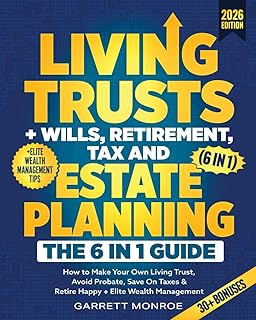
Living Trusts + Wills, Retirement, Tax & Estate Planning – The 6-in-1 Guide – $24.97 – Rating 4.5 – Buy on Amazon
A comprehensive wealth management book that integrates tax strategies, retirement planning, and estate documents – all in one volume.

Nolo’s Guide to Estate Planning – $27.89 – Rating 4.7 – Buy on Amazon
Trusted for decades, Nolo’s guide provides clear, state-specific instructions for wills, trusts, and avoiding probate.

Estate Planning For Dummies – $20.99 – Rating 4.3 – Buy on Amazon
A beginner-friendly guide that breaks down complex legal concepts into actionable steps.

I’m Dead, Now What? Planner – $11.63 – Rating 4.6 – Buy on Amazon
This organizer helps you record important information about belongings, business affairs, and final wishes – a must for designated family helpers.
Internal link: For a deeper dive on protecting financial records, read Financial Disaster Preparedness: Protecting Documents, Cash, and Access to Accounts.
Sanitation and Hygiene
Disease spreads quickly in unsanitary conditions. Pack a small hygiene kit to maintain dignity and health.
- Hand sanitizer (at least 60% alcohol)
- Biodegradable soap and small towel
- Toothbrush, toothpaste
- Feminine hygiene products
- Disposable gloves and masks
- Toilet paper (remove cardboard roll to save space)
- Small shovel or trowel for waste burial
Add a portable toilet bucket (with bags and kitty litter) if you plan to shelter in place without running water.
Special Considerations for Vulnerable Populations
Your go-bag must reflect the specific needs of everyone in your household.
Children
- Diapers, wipes, and formula (if applicable)
- Small comfort item (stuffed animal, book)
- Snacks they actually like
- Entertainment (deck of cards, coloring book)
Seniors and People with Disabilities
- Extra mobility aids (walker, cane, hearing aid batteries)
- List of medications and dosages
- Contact for home health aides
- Backup eyeglasses or contacts
Pets
- Food, water bowl, leash, carrier
- Veterinary records and rabies tag
- Medications
- Photo of you with pet (proof of ownership)
Internal link: For a full guide, see Disaster Planning for Pets: Evacuation, Supplies, and Identification.
Packing Strategy: The “Go-Bag” vs. “Get-Home Bag”
Many people confuse these two. Your go-bag stays by your door, ready to evacuate. Your get-home bag lives in your car or office, so you can reach family during a crisis away from home.
For a single go-bag, aim for 20–30 pounds maximum per adult. Use a durable backpack with multiple compartments. Store heavier items near the back (against your spine) and frequently needed items (first aid, light) in top pockets.
Go-Bag Weight Checklist
| Category | Target Weight |
|---|---|
| Water | 8–12 lbs |
| Food | 2–3 lbs |
| First aid & meds | 2 lbs |
| Tools & shelter | 4–6 lbs |
| Documents & electronics | 2–3 lbs |
| Clothing | 3–4 lbs |
| Sanitation | 1 lb |
Total: 22–31 lbs – feasible for most adults.
Maintaining and Reassessing Your Go-Bag
A go-bag is a living kit. Set a calendar reminder every six months to review and refresh contents.
- Check expiration dates on food, water, and medications
- Replace batteries in flashlights and radios
- Update documents (new insurance policies, will revisions)
- Adjust for seasonal changes (add warm gloves in winter, extra sunscreen in summer)
- Test gear you’ve never used – practice with your fire starter and water filter now
Internal link: For broader strategies, review Disaster Preparedness 101: Building a Family Emergency Plan That Actually Works.
The Mindset: Preparedness as Part of Estate Planning
You buy insurance to protect your assets. You write a will to protect your legacy. An emergency go-bag protects your ability to survive and recover so those assets and legacies have a future.
Integrating estate planning documents into your go-bag closes a critical gap. If you are incapacitated or displaced, having a power of attorney or trust document accessible can allow a family member to manage your finances, file insurance claims, and make medical decisions without court delays.
Action step: Pull together your estate planning documents this weekend. Use a resource like Nolo’s Guide to Estate Planning to ensure they are legally valid in your state. Then print two copies: one for your fireproof home safe, and one for your go-bag.
Emergency Go-Bag Quick-Start Checklist
Use this table as a final assembly checklist.
| Category | Essential Items | Immediate Need |
|---|---|---|
| Water | 1 gal/person/day + purification | ✅ |
| Food | No-cook, high-calorie, 3-day supply | ✅ |
| First Aid | Prescriptions, trauma kit, basic meds | ✅ |
| Tools | Multi-tool, headlamp, fire starter | ✅ |
| Shelter | Bivvy or space blanket, tarp | ✅ |
| Communication | NOAA radio, power bank, map | ✅ |
| Documents | Will, trust, POA, insurance, ID | ✅ |
| Sanitation | Hand sanitizer, soap, toilet paper | ✅ |
| Special Needs | Kids, seniors, pets supplies | ✅ |
| Clothing | Season-appropriate, moisture-wicking | ✅ |
Frequently Asked Questions
How often should I replace the water in my go-bag?
Replace sealed bottled water every 6–12 months. If using tap water in your own containers, replace every 6 months and add a drop of bleach (2 drops per gallon) to prevent microbial growth.
Can I store my estate planning documents on a USB drive in the go-bag?
Yes, but encrypt the drive with a password you share with a trusted family member. Also keep a physical copy in a waterproof bag – electronics can fail in extreme temperatures or moisture.
What if I have multiple family members with different medical needs?
Build individual “personal medical pouches” for each person and label them clearly. Store them in one larger bag so you can grab everyone quickly.
Should I include cash in my go-bag?
Absolutely. ATMs and card readers may be down. Include $300–$500 in small bills ($1s, $5s, $10s) and some quarters for emergency vending machines or phone calls.
How do I pack a go-bag for a baby or toddler?
Add diapers (10+ per day), wipes, diaper cream, formula or breastmilk storage, bottles, pacifiers, and lightweight blankets. Consider a separate small bag for baby items to avoid digging through your main kit.
Is it legal to carry a multi-tool with a knife on public transport during evacuation?
Check local laws. In many areas, blades under 3 inches are allowed for emergencies. A multi-tool without a locking blade is safer for travel. If in doubt, pack a separate tool without a knife.
Internal link: For step-by-step recovery, see Post-disaster Recovery Checklist: Safety, Insurance Claims, and Rebuilding Steps.
Final Thoughts
Your emergency go-bag is more than a collection of supplies – it’s a bridge between disaster and normalcy. By packing smart, rotating contents, and including critical estate planning documents, you ensure that you can survive the first 72 hours and then rebuild your life without unnecessary legal setbacks.
Start today. Pick one category from the checklist and gather those items. Next week, tackle the documents. Small, consistent steps create a go-bag that works when you need it most. And don’t forget: a book like Living Trusts, Wills & Estate Planning for Seniors can guide you through the legal side of preparedness – ensuring your family’s future is as secure as your immediate survival.
Stay safe, stay prepared, and protect what matters.