 Insurance Curator
 When the ground shakes, the floodwaters rise, or the wildfire front races toward your neighborhood, seconds matter. But the real difference between chaos and calm is made months before the sirens sound. Disaster preparedness isn’t a one‑size‑fits‑all checklist—it’s a deeply personal plan shaped by where you live, the risks you face, and the people and assets you protect. And here’s the part many overlook: your estate planning is as vital as your emergency go‑bag. Without it, a disaster can unravel decades of financial and legal security.
In this guide, we’ll walk you through how to build region‑specific disaster plans—from hurricanes to earthquakes—and weave in essential estate‑planning steps that keep your wishes intact when disaster strikes. Whether you’re a homeowner in Tornado Alley or a renter on the Gulf Coast, you’ll find actionable strategies, expert insights, and recommended resources—including proven tools like Nolo’s Guide to Estate Planning and the I’m Dead, Now What? Planner—to safeguard your life, legacy, and loved ones.
Why Region‑Specific Planning Matters
Natural disasters aren’t random. Every region faces a distinct mix of threats, and generic preparedness advice often misses the mark. A plan built for a California earthquake won’t help a family in Florida facing hurricane storm surge.
Key regional risk categories:
- Hurricanes & coastal storms — Gulf and Atlantic coasts
- Earthquakes — West Coast, Alaska, seismic zones in the Midwest
- Wildfires — Western U.S., parts of the Southeast
- Tornadoes — Great Plains, Midwest, Southeast
- Floods — River basins, coastal areas, urban flash‑flood zones
- Winter storms & blizzards — Northern states, high elevations
- Heatwaves & droughts — Southwestern U.S., increasingly nationwide
Your local emergency management agency publishes hazard‑specific guidance. Use that as your baseline, then layer in the estate‑planning safeguards that keep your assets, healthcare directives, and family protected during and after a disaster.
Step 1: Know Your Region’s Top Three Risks
Start by identifying the three most likely natural disasters for your ZIP code. Check FEMA’s National Risk Index (hazards.fema.gov) and your county’s hazard mitigation plan. For example:
| Region | High‑Risk Disasters |
|---|---|
| Houston, TX | Hurricane, flood, tornado |
| Los Angeles, CA | Earthquake, wildfire, mudslide |
| Chicago, IL | Tornado, winter storm, heatwave |
| Miami, FL | Hurricane, flood, lightning |
Once you know your top threats, customize your plan for each one. This isn’t about memorizing every possible scenario—it’s about building a repeatable decision‑making process that works under pressure.
Step 2: Build a Disaster‑Specific Emergency Plan
Hurricanes & Coastal Storms
Hurricanes give you days of warning, but that time evaporates fast if you haven’t pre‑decided where to go, what to take, and how to protect your home.
Your hurricane plan should include:
- Evacuation zone — Know if you’re in a storm‑surge zone; plan a route at least 50 miles inland.
- Home‑hardening — Install storm shutters or plywood cut‑to‑fit, reinforce garage doors, secure loose yard items.
- Communication — Designate an out‑of‑state contact everyone texts to check in.
- Fuel & cash — Keep a full gas tank and enough cash for 7–10 days (ATMs may be down).
- Pet & medication readiness — Pack a separate go‑bag for pets and a 30‑day supply of prescriptions.
Pro tip: PDF copies of insurance policies, deeds, and medical records should be on a waterproof USB drive inside your go‑bag. This ties directly to your estate plan—when you return, you’ll need those documents to file claims and access accounts.
Earthquakes
Unlike hurricanes, earthquakes strike without warning. Your plan must focus on immediate safety and post‑shake recovery.
Earthquake‑specific actions:
- Secure heavy furniture — Anchor bookshelves, water heaters, and televisions to wall studs.
- Identify safe spots — Under sturdy tables, against interior walls, away from windows.
- Practice “Drop, Cover, and Hold On” — Do drills with your household twice a year.
- Gas & water shut‑off — Learn how to turn off natural gas (and keep a wrench nearby) and shut off water at the main valve.
- Emergency light sources — Have a flashlight and sturdy shoes next to your bed.
Estate‑planning tie‑in: An earthquake can destroy your physical safe deposit box or home office. Use cloud backups and a durable copy of your will and trust—like the Living Trusts, Wills & Estate Planning for Seniors guide—stored in a fire‑ and water‑proof container.
Wildfires
Wildfire season is growing longer and more intense. The key is early evacuation—don’t wait for an official order.
Wildfire preparedness steps:
- Create defensible space — Remove dry vegetation, trim branches within 10 feet of your home, use fire‑resistant landscaping.
- Pack “go‑boxes” — Pre‑pack boxes with irreplaceable items (photos, legal docs, heirlooms) and keep them in an easy‑to‑load spot.
- Know multiple exit routes — Wildfires can block roads quickly; map two ways out.
- Keep an N95 mask — Smoke inhalation is a leading cause of injury.
- Have a “ready‑to‑go” bag — Change of clothes, phone charger, medications, cash.
Crucial estate‑planning element: Your advance healthcare directive and power of attorney need to be accessible to you and a trusted out‑of‑area contact. If you evacuate to a shelter or hotel, you may need to make medical decisions for a family member—having those documents handy prevents delays.
Tornadoes
Tornadoes are fast, erratic, and devastating. Your plan must center on immediate shelter and post‑storm communication.
Tornado‑specific plan:
- Identify your safe room — Basement, storm cellar, or an interior room without windows on the lowest floor.
- Stock the shelter — Helmet, whistle, water, first‑aid kit, battery‑powered weather radio, flashlights.
- Practice monthly — Tornado drills reduce panic when the warning sounds.
- Protect important documents — Keep a waterproof pouch with copies of wills, trusts, insurance policies, and birth certificates in your shelter area.
- Post‑storm protocol — Designate a meeting point outside the house and a contact who lives in another state.
Tool recommendation: The Living Trusts + Wills, Retirement, Tax & Estate Planning – The 6‑in‑1 Guide covers everything from avoiding probate to tax‑smart retirement planning—essential reading when a tornado could destroy your paper records.
Floods
Flooding is the most common natural disaster in the U.S., yet many homeowners lack flood insurance. Floods can happen anywhere—not just in floodplains.
Flood plan essentials:
- Know your flood risk — Check FEMA flood maps; consider that 25% of flood claims come from low‑risk areas.
- Elevate utilities — Raise furnaces, water heaters, and electrical panels above anticipated flood levels.
- Install backflow valves — Prevent sewage from backing up into your home.
- Sandbags & barriers — Pre‑fill sandbags or invest in water‑absorbing barriers for doorways.
- Evacuation alternative — Floodwater can trap you in a car; plan to stay on high ground if roads are impassable.
Estate‑planning insight: After a flood, insurance adjusters will ask for proof of contents and ownership. Keep a video inventory of every room, stored in the cloud and on a USB drive inside your go‑bag. Pair that with a simple estate organizer like Estate Planning For Dummies to ensure your beneficiaries know what you owned.
Winter Storms & Extreme Cold
Power outages, frozen pipes, and impassable roads define winter disasters. Preparation is about self‑sufficiency for a week.
Winter storm checklist:
- Insulate pipes — Wrap exposed pipes and know where the main water shut‑off is.
- Heat source — Have a safe, indoor‑rated space heater or a generator (used outdoors only).
- Carbon monoxide detector — Run generators and heaters outside; CO poisoning spikes during storms.
- Store food & water — Keep non‑perishable food and one gallon of water per person per day for at least three days.
- Warm clothing & blankets — Layer up; avoid hypothermia even indoors if power is out.
Health‑care documents: If you or a family member relies on life‑sustaining equipment (oxygen, dialysis), your medical power of attorney should be shared with a neighbor or local emergency services before a storm hits.
Heatwaves & Drought
Extreme heat kills more Americans than any other weather hazard. Drought adds wildfire risk and water scarcity.
Heatwave survival plan:
- Cooling centers — Map public locations (libraries, malls) with air conditioning.
- Hydration strategy — Keep 3–5 gallons of water per person; avoid alcohol and caffeine.
- Check on vulnerable neighbors — Elderly and those with chronic conditions are most at risk.
- Energy plan — Have a battery‑powered fan and a backup phone charger.
- Medication storage — Many drugs degrade in high heat; keep them in a cooler if power fails.
Estate‑planning consideration: Extreme heat can disrupt mail and bank operations. If you’ve named a financial power of attorney, ensure that person has digital access to your accounts. A binder like the I’m Dead, Now What? Planner can hold login credentials, bank contacts, and instructions—all in one place.
Step 3: Integrate Estate Planning into Your Disaster Readiness
Now comes the part most disaster guides miss. A robust estate plan does not just handle what happens after you die—it also protects you during a crisis. Here’s how:
Essential Documents to Safeguard
- Will and living trust — Without them, the state decides your asset distribution, and probate can take months.
- Durable power of attorney (financial) — Allows someone to manage your accounts if you are incapacitated or unreachable.
- Advance healthcare directive (living will) — Specifies your medical wishes when you can’t communicate.
- HIPAA authorization — Lets designated people access your medical records.
- Insurance policies — Home, flood, earthquake, health, life, and long‑term care.
- Property deeds, titles, and loan documents — Essential for claims and rebuilding.
Storage strategy: Keep originals in a fire‑proof, waterproof safe at home. Keep duplicates (certified copies for trusts and wills) in a bank safe deposit box or with your attorney. Additionally, store digital scans in a secure cloud service—and share access with your executor or power of attorney.
The Digital Estate Plan
Your online accounts—banking, utilities, email, social media—are often locked behind passwords. A disaster can make accessing them impossible.
Create a digital asset inventory:
- List all accounts and their recovery phone numbers/emails.
- Use a password manager and share emergency access with a trusted person.
- Store a printed copy of the master list in your go‑bag.
The Estate Planning For Dummies book includes a chapter on digital assets that walks you through this step‑by‑step.
Why Your Disaster Go‑Bag Must Include Estate Documents
Your go‑bag is for 72 hours of survival. But that bag should also contain your estate plan’s executive summary:
- Copy of your will/trust (first page with executor name and contact)
- Power of attorney documents
- Healthcare directive
- List of financial accounts and insurance policies
- Emergency contact information for your attorney and executor
This ensures that even if you’re separated from your family or injured, someone can step in to manage your affairs immediately. The I’m Dead, Now What? Planner is specifically designed to organize these details into a compact, grab‑and‑go format.
Step 4: Review and Update Your Plan Annually
Disaster preparedness and estate planning both require regular maintenance. Set a calendar reminder for twice a year (e.g., daylight saving time changes) to:
- Update emergency contacts and evacuation routes.
- Replace expired food and water supplies.
- Refresh medications and test backup power equipment.
- Review beneficiary designations on life insurance, retirement accounts, and trusts.
- Confirm that your will and trust still reflect your current wishes (divorce, births, deaths, asset changes).
- Check that your digital asset inventory is current.
Recommended Reading & Tools
To make the process easier, consider these highly rated resources:
| Product | Price | Rating | Best For |
|---|---|---|---|
| Living Trusts, Wills & Estate Planning for Seniors | $22.97 | 4.4 | Seniors creating a trust from scratch |
| Living Trusts + Wills, Retirement, Tax & Estate Planning (6‑in‑1) | $24.97 | 4.5 | Comprehensive financial + estate planning |
| Nolo’s Guide to Estate Planning | $27.89 | 4.7 | Authoritative reference for DIY planners |
| Estate Planning For Dummies | $20.99 | 4.3 | Beginners who want a straightforward walkthrough |
| I’m Dead, Now What? Planner | $11.63 | 4.6 | Organizing documents in a grab‑and‑go binder |

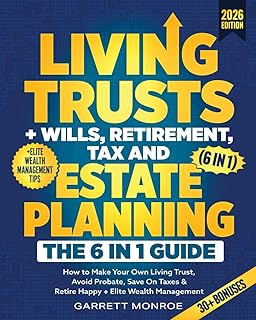


Each of these tools fills a specific gap—choose based on your experience level and the depth of planning you need.
Internal Resources to Build Your Knowledge
For more foundational guidance, explore these related articles on our site:
- Disaster Preparedness 101: Building a Family Emergency Plan That Actually Works
- Financial Disaster Preparedness: Protecting Documents, Cash, and Access to Accounts
- How to Prepare Your Home for Hurricanes, Tornadoes, and Severe Storms?
- Emergency Preparedness for Apartment Dwellers and Renters
- Medical Disaster Preparedness: Managing Prescriptions and Critical Health Needs
- Post‑disaster Recovery Checklist: Safety, Insurance Claims, and Rebuilding Steps
Bookmark these pages to expand your preparedness playbook.
Frequently Asked Questions
Q: How often should I update my disaster go‑bag and estate plan?
A: Review both at least twice a year. Use the clock change (spring and fall) as a trigger. Replace expired water, food, and medications. Update any beneficiary changes or new assets.
Q: Do I need a lawyer to create a living trust, or can I use a book?
A: For simple estates, a well‑researched guide like Nolo’s Guide to Estate Planning or the Estate Planning For Dummies book often suffices. For complex situations (blended families, business ownership, special needs), an attorney is advised.
Q: What’s the single most important document to grab during an evacuation?
A: A printed copy of your living trust or will, your power of attorney, and your health‑care directive. Keep these together in a waterproof envelope inside your go‑bag.
Q: Where should I store original estate documents?
A: Use a fire‑ and water‑proof home safe. Also store certified copies with your attorney and a trusted out‑of‑state family member. Never put originals in a safe deposit box that could be frozen during a disaster.
Q: How do I make sure my family knows my digital accounts exist?
A: Use a password manager’s emergency access feature and store a printed master list in your estate binder. The I’m Dead, Now What? Planner includes dedicated log pages for digital accounts.
Conclusion: Your Plan Is Your Peace of Mind
Natural disasters are unpredictable, but your response doesn’t have to be. By tailoring your preparedness to your region’s specific risks—and weaving estate planning into every layer of that preparation—you transform fear into action.
Start with a single step this week: identify your top three local hazards, then pull together your estate documents using trusted resources like Nolo’s Guide or the Living Trusts & Wills 6‑in‑1 Guide. Build your go‑bag, secure your safe room, and share your plan with the people who matter most.
When the next storm comes—and it will—you’ll be ready not just to survive, but to recover with your assets, your wishes, and your family intact.