 Insurance Curator
 When a hurricane, wildfire, or earthquake strikes, your family’s survival often depends on more than just your own emergency kit. Research shows that neighborhoods with strong social ties recover faster and experience fewer casualties during disasters. Yet most people overlook one critical layer: how disaster preparedness connects with estate planning. Protecting your assets and ensuring your wishes are honored after a crisis requires advance coordination—not just with lawyers, but with the people living next door.
This guide shows you how to build a community response network while safeguarding your property, digital records, and legal documents. You’ll learn to leverage local resources, create communication plans, and integrate estate planning tools—like Living Trusts, Wills & Estate Planning for Seniors – The Complete 3-in-1 Guide—so your legacy remains intact no matter what happens.

Why Community Disaster Preparedness Matters for Your Estate Plan
Estate planning isn’t just about distributing wealth after death. In the context of a disaster, it’s about maintaining control when chaos erupts. If a flood destroys your home, do your neighbors know where to find your insurance papers? If you’re hospitalized during an evacuation, does a trusted friend have medical power of attorney?
Coordinating with neighbors and local agencies closes these gaps. A well-prepared community can act as a safety net for your property and personal documents. For example, a neighbor with a spare key can retrieve your will or living trust from a fireproof safe if you’re unreachable. That’s why Disaster Preparedness 101: Building a Family Emergency Plan That Actually Works emphasizes involving your support network in every step.
Local resources—like emergency management offices and Community Emergency Response Teams (CERT)—can also help you store and share critical estate planning information securely. When you link disaster preparedness with estate planning, you create a comprehensive strategy that protects both your loved ones and your assets.
Building a Neighborhood Disaster Response Network
Before disaster strikes, organize your street or apartment complex into a response unit. The goal is to know who has medical skills, heavy equipment, or backup power—and who might need extra help.
Identify Key Skills and Resources
Start by surveying your neighbors. Use a simple form (digital or paper) to collect:
- Medical training (doctors, nurses, EMTs)
- Technical skills (ham radio operators, electricians)
- Physical resources (generators, chainsaws, large vehicles)
- Pets or livestock that may need evacuation
- Elderly or disabled residents requiring assistance
Store this information in a shared document accessible offline, such as a printed roster kept in each household’s emergency kit. This aligns with the principles in Creating a Home Emergency Communication Plan for Family and Caregivers, which stresses the need for multiple communication methods.
Create a Communication Tree
Designate a block captain who will receive alerts from local authorities and relay them to neighbors. Establish primary and backup channels:
- Group text or messaging app (e.g., WhatsApp, Signal)
- Two-way radios (FRS/GMRS) if cell towers fail
- Door-to-door runners for last-resort contact
Practice your communication tree twice a year. Update it when someone moves in or out. Remember, your estate planning documents should list these contact details so family members can reach your neighborhood network in an emergency.
Map Vulnerable Residents
Walk your block and identify households with seniors, people with disabilities, or families with infants. Mark these homes on a physical map displayed in a central location (like a community bulletin board or inside the nearest fire station). Your Emergency Go-bag Essentials: What to Pack for 72 Hours of Survival should include a copy of this map so you can quickly check on those most at risk.
Coordinating with Local Resources and Agencies
A neighborhood network is powerful, but it works best when connected to official systems. Here’s how to tap into local resources that support both disaster response and estate planning.
Emergency Management Offices
Your city or county emergency management office publishes hazard mitigation plans, shelter locations, and evacuation routes. Attend their community meetings and ask for a liaison who can brief your neighborhood on:
- How to receive real-time alerts (e.g., Wireless Emergency Alerts, local apps)
- Where to drop off important documents for safekeeping (some offices offer secure scanning services)
- Volunteer opportunities that let you pre-register for disaster roles
Community Emergency Response Teams (CERT)
CERT programs train volunteers in basic disaster response skills: fire safety, light search and rescue, and medical triage. Join a CERT class or start a team in your neighborhood. CERT members often serve as eyes and ears for official responders, which can speed up recovery for your home and property.
Estate planning tip: Include your CERT instructor or team leader as a trusted contact on your estate plan so they can verify your status after a disaster.
Faith-Based and Nonprofit Organizations
Churches, synagogues, and nonprofits like the Red Cross frequently operate shelters and distribution centers. Build relationships with these groups before a crisis. Many offer document notarization, financial counseling, and temporary storage for legal papers.
Ask your place of worship if they have an “emergency contact form” for members to fill out—listing wills, trusts, and insurance details. This creates a redundant backup outside your home.
The Intersection of Disaster Preparedness and Estate Planning
Now we dive deeper into the core topic: linking community readiness with your legal and financial safeguards.
Protecting Legal Documents in a Disaster
Original copies of wills, trusts, deeds, and powers of attorney must survive fire, flood, and looting. The best strategy is redundancy:
- Store one set in a fireproof/waterproof safe at home
- Keep a second set in a safe deposit box at a bank outside your flood zone
- Give a third copy to a trusted neighbor or your neighborhood block captain
When you coordinate with neighbors, you can create a mutual agreement: each household holds a sealed envelope with critical documents for the others. That way, if one home is destroyed, the documents survive elsewhere.
Example: The “I M Alive” binder system, like the I’m Dead, Now What? Planner, helps you organize everything from bank accounts to funeral wishes. Store a copy with your community contact.

Digital Estate Planning and Cloud Backups
Physical copies aren’t enough. Use encrypted cloud services (like Google Drive or Dropbox) to store scanned versions of your documents. Share access with your estate executor and one neighbor (with strict permissions). This aligns with Digital Records and Cloud Backups: Protecting Important Files from Physical Disasters.
Create a digital will that lists your online accounts, passwords, and instructions for handling social media, subscriptions, and cryptocurrencies. Update this every year. Tools like password managers simplify access for your designated emergency contact.
Financial Disaster Preparedness
Cash is king when ATMs and credit card networks go down. Keep a stash of small bills in your go-bag—$500 to $1,000 is recommended. Also, ensure your neighborhood network knows where to find your emergency cash so they can help pay for evacuation expenses on your behalf if you’re incapacitated.
Review Financial Disaster Preparedness: Protecting Documents, Cash, and Access to Accounts for deeper guidance on safeguarding assets.
Using Trusts and Wills to Protect Property After a Disaster
Disasters often lead to property damage, insurance claims, and lengthy probate processes. A living trust can streamline asset distribution, especially when your community network is involved.
How a Living Trust Avoids Probate During Chaos
Probate court can take months—even years—after a natural disaster. A revocable living trust bypasses probate, allowing your successor trustee (often a family member or trusted neighbor) to manage your property immediately. This is crucial if your home is damaged and you need someone to handle insurance payouts or contractor payments.
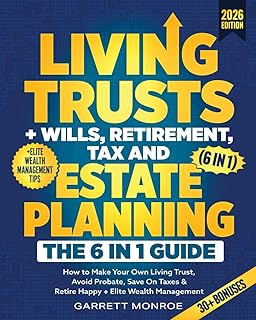
The Living Trusts + Wills, Retirement, Tax & Estate Planning – The 6-in-1 Guide offers step-by-step instructions for setting up a trust without expensive lawyers. It covers how to list neighborhood contacts as secondary beneficiaries for small items like tools or emergency supplies.
Naming Emergency Beneficiaries
Most estate plans name primary and contingent beneficiaries. But in a disaster, your primary beneficiaries might be in the same affected area. That’s why you should name out-of-state backups. Additionally, consider naming your neighborhood CERT coordinator or a local disaster relief organization as a temporary beneficiary for specific assets (like a generator or water storage) to be used for the common good until your heirs can claim them.
Table: Estate Planning Tools vs. Disaster Scenarios
| Tool | Purpose in Disaster | Best For |
|---|---|---|
| Last Will & Testament | Distributes assets after death (goes through probate) | Simple estates, guardians for minors |
| Revocable Living Trust | Avoids probate; allows management during incapacity | Real estate, blended families, business owners |
| Durable Power of Attorney | Lets someone manage finances if you’re incapacitated | Accessing bank accounts, paying contractors |
| Advance Healthcare Directive | Names medical decision-maker | Evacuation hospitalizations |
| Digital Estate Plan | Lists online accounts & passwords | Social media, crypto, cloud files |
The Nolo’s Guide to Estate Planning explains these tools in detail, with state-specific advice. It’s rated 4.7 stars and is a trusted resource for DIY planners.

For those who prefer a lighter introduction, Estate Planning For Dummies covers the essentials in plain language, including disaster-specific clauses.

Practical Steps to Start Coordinating Today
You don’t need a disaster to begin building a resilient community. Take these actions now:
- Host a block party with an emergency prep theme. Distribute a contact sheet and discuss skills surveys.
- Create a shared map of vulnerable households and resource locations (generators, water sources).
- Draft a neighborhood disaster plan that includes a communication tree, evacuation routes, and a meeting point.
- Exchange document copies with one trusted neighbor after both parties have signed confidentiality agreements.
- Register with Smart911 (or a similar service) so first responders know about your special needs or pets.
- Update your estate plan to reflect your new network. Add your block captain as an alternate contact on your power of attorney.
- Practice drills every six months. Include a scenario where you can’t return home for a week—test your digital document access.
These steps pair naturally with How to Prepare Your Home for Hurricanes, Tornadoes, and Severe Storms and Earthquake Preparedness: Securing Your Home and What to Do During Shaking.
Essential Resources and Tools
To strengthen your coordination efforts, invest in books and planners that bridge disaster readiness and estate planning. Here are top-rated options:
| Resource | Focus | Price | Rating |
|---|---|---|---|
| Living Trusts, Wills & Estate Planning for Seniors – 3-in-1 | Elder-focused estate planning, includes forms | $22.97 | 4.4 |
| Living Trusts + Wills, Retirement, Tax & Estate Planning – 6-in-1 | Comprehensive wealth management | $24.97 | 4.5 |
| Nolo’s Guide to Estate Planning | Detailed legal guidance | $27.89 | 4.7 |
| Estate Planning For Dummies | Beginner-friendly overview | $20.99 | 4.3 |
| I’m Dead, Now What? Planner | Organizer for final wishes | $11.63 | 4.6 |
Use these tools during neighborhood meetings to educate your community about the legal side of disaster readiness. Pair them with Post-disaster Recovery Checklist: Safety, Insurance Claims, and Rebuilding Steps for a full picture.
Frequently Asked Questions
Q: How do I persuade my neighbors to participate in disaster planning?
A: Frame it as a mutual benefit—everyone gains safety and peace of mind. Offer a free dinner or workshop, and show how estate planning integration protects their property too.
Q: What if my neighbors are unwilling to share personal information?
A: Start with low-sensitivity data like phone numbers and general skills. Over time, as trust builds, expand to document storage agreements.
Q: Can I store estate planning documents with a local fire department or library?
A: Some fire stations offer “safe room” programs, but availability varies. Check with your city’s emergency management office for official programs.
Q: How often should I update my neighborhood contact list and estate plan?
A: Review both annually and after any major life event (move, marriage, birth, death). Align updates with daylight saving time changes as a reminder.
Q: What is the single most important document to protect during a disaster?
A: Your medical power of attorney and living will—they ensure your healthcare wishes are followed if you’re unconscious or missing.
Q: How does community disaster preparedness intersect with pet evacuation?
A: Include pet supplies in your neighborhood resource map. Many shelters don’t accept animals, so coordinate with neighbors who have large vehicles or pet-friendly homes. See Disaster Planning for Pets: Evacuation, Supplies, and Identification.
Your Next Move: Connect, Plan, Protect
Community disaster preparedness is more than a checklist of supplies. It’s a relational strategy that fortifies your estate plan by weaving in human networks and local resources. When you coordinate with neighbors, you create a safety net that can safeguard your documents, manage your property, and uphold your wishes—even when you’re not there to speak for yourself.
Start with a simple conversation. Ask your neighbor about their emergency plans, then share yours. Gradually build the systems described in this guide, and update your legal documents to reflect your new support network. The peace of mind you gain is priceless.
For further reading, explore Preparing for Natural Disasters in Your Region: Tailored Plans for Common Risks and Emergency Preparedness for Apartment Dwellers and Renters.