 Insurance Curator
 Owning rental property can be a powerful wealth-building strategy, but it also opens the door to lawsuits, tenant disputes, and creditor claims. Without a solid asset protection plan, one slip on a icy walkway could cost you everything. The good news? With the right legal structures, you can shield your personal assets and keep your real estate empire growing.
This guide dives deep into the most effective ways to structure properties safely—from LLCs and land trusts to estate planning tools that protect your wealth for future generations. Whether you’re a seasoned landlord or just starting out, these strategies will help you sleep better at night.
Why Landlords Need a Separate Asset Protection Strategy
Real estate investing is inherently risky. Tenants can sue for injuries, contractors can file mechanics’ liens, and lenders can pursue deficiency judgments. If you hold every property in your own name, your personal savings, retirement accounts, and even your family home are exposed.
The goal of asset protection is to create multiple legal barriers between your properties and potential claimants. Smart structuring makes it harder (and often impossible) for a judgment creditor to reach your assets.
The Difference Between Liability Insurance and Asset Protection
Liability insurance—such as a landlord policy or umbrella coverage—is your first line of defense. But it has limits, exclusions, and deductibles. Asset protection legal structures fill the gaps that insurance cannot cover. For example, insurance won’t protect against fraud claims or punitive damages, but a properly structured LLC can.
- Insurance: Covers covered claims up to policy limits.
- Asset Protection: Shields assets from all claims, including those excluded by insurance.
- Combined approach: Use insurance for day-to‑day risks and legal entities for catastrophic threats.
Top Legal Structures for Safeguarding Real Estate Investments
There is no single “best” entity for every landlord. Your choice depends on the number of properties, your risk tolerance, tax preferences, and estate planning goals. Below we explore the most common and effective structures.
1. Limited Liability Company (LLC) — The Gold Standard
An LLC is the most popular vehicle for rental property ownership. It separates your personal assets from business liabilities. If a tenant sues the LLC, they can only go after assets within that LLC—not your personal bank account or other properties.
- Single-member LLC: Owned by one person. Simple and inexpensive.
- Multi-member LLC: Owned by two or more people. Offers stronger asset protection because creditors cannot easily “pierce the veil.”
- Series LLC: A single LLC with “series” compartments for each property. Reduces filing fees while keeping properties isolated.
Important: To maintain liability protection, you must treat the LLC as a separate entity—separate bank accounts, operating agreements, and annual filings. Otherwise, a court may “pierce the corporate veil” and hold you personally liable.
2. Land Trusts + LLC Combo
A land trust holds the legal title to the property, while your LLC manages it. This adds an extra layer of anonymity and protection. When someone sues, they see the trust name, not your personal name or even your LLC name.
| Structure | Pros | Cons |
|---|---|---|
| LLC only | Asset protection, pass‑through taxation | Public record; no anonymity |
| Land trust only | Privacy, avoids probate | No liability protection alone |
| LLC + Land trust | Privacy + liability protection + estate planning benefits | More paperwork, higher cost |
3. Family Limited Partnership (FLP)
For landlords with multiple family members involved, an FLP can centralize management while limiting liability. General partners control the entity; limited partners have no personal liability beyond their investment. FLPs also offer estate tax discounts when transferring property to heirs.
4. Retirement Accounts for Real Estate
Self‑directed IRAs and Solo 401(k)s allow you to invest in real estate within a tax‑advantaged wrapper. Assets inside a qualified retirement account receive strong federal protection from creditors under ERISA. However, prohibited transaction rules are strict—you cannot personally benefit from the property (e.g., live in it or manage it directly).
Learn more about Retirement Accounts as Asset Protection Tools: How Safe Are 401(k)s and IRAs? to see how these accounts fit into your overall plan.
Estate Planning for Landlords: Protecting Your Legacy
Asset protection isn’t just about avoiding lawsuits today—it’s about making sure your hard‑earned properties pass smoothly to your heirs. Estate planning tools can shield assets from nursing home costs, divorce, and probate.
Living Trusts — The Cornerstone of Estate Planning
A revocable living trust lets you control your properties during your lifetime and transfer them to beneficiaries without probate. When combined with LLCs or land trusts, a living trust creates a fortress against creditors and estate taxes.
Consider adding one of these highly rated resources to your library:

Living Trusts, Wills & Estate Planning for Seniors – The Complete 3-in-1 Guide — $22.97 — Rating 4.4
This book walks you through protecting your assets, avoiding probate, and creating a plan without costly lawyers. It’s an excellent starting point for landlords who want to integrate estate planning with asset protection.
For a more comprehensive approach, the six‑in‑one guide covers retirement, taxes, and wealth management:
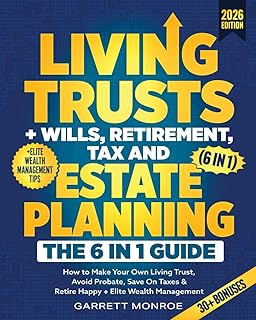
Living Trusts + Wills, Retirement, Tax & Estate Planning – The 6-in-1 Guide — $24.97 — Rating 4.5
The Role of a Will in a Landlord’s Estate Plan
While a living trust avoids probate, a pour‑over will catches any assets accidentally left out. Use a will to name guardians for minor children and to specify who manages your real estate LLCs.
Two trusted references:

Nolo’s Guide to Estate Planning — $27.89 — Rating 4.7

Estate Planning For Dummies — $20.99 — Rating 4.3
Both are practical, lawyer‑approved guides that explain how to coordinate trusts, wills, and beneficiary designations with your rental property structures.
Documenting Your Wishes: “I’m Dead, Now What?”
Every landlord should leave clear instructions for their properties. The popular organizer mentioned below helps you centralize account numbers, property deeds, LLC documents, and beneficiary info.

I’m Dead, Now What? Planner — $11.63 — Rating 4.6
When you own multiple properties, your family may not know how to manage them or where the LLC operating agreements are stored. This planner prevents chaos during an already difficult time.
How Insurance Complements Your Legal Structures
Even the best LLC can’t stop a lawsuit from being filed. Insurance covers litigation costs, settlements, and judgments. A comprehensive asset protection plan layers insurance on top of legal entities.
- General liability policy: Covers bodily injury and property damage claims.
- Umbrella insurance: Provides additional coverage above your auto and landlord policies—often $1 million or more.
- Professional liability (E&O): For property managers or real estate agents.
Learn how to Integrate Insurance into an Asset Protection Plan: Umbrella, Liability, and More for a complete picture.
Common Mistakes Landlords Make (And How to Avoid Them)
1. Holding All Properties in a Single LLC
If you put ten rental homes in one LLC, a single lawsuit can drain the entire pool. Instead, use multiple LLCs or a series LLC to isolate each property’s risk. The extra filing fees are cheap compared to losing everything.
2. Commingling Funds
Using your personal debit card to pay for a new water heater in your rental property blurs the line between you and the LLC. Always have a separate bank account and credit card for each entity. Pay yourself a distribution from the LLC account rather than mixing funds.
3. Ignoring Fraudulent Transfer Rules
Transferring a property to an LLC after a lawsuit is filed can be deemed a fraudulent transfer. Move assets into protective structures well before any problems arise. The law typically looks back two to four years, so early planning is critical.
Review Fraudulent Transfer Rules: the Legal Line You Must Not Cross in Asset Protection to avoid costly legal traps.
4. Skipping Estate Planning
Many landlords focus only on liability protection and forget about probate avoidance. Without a trust or proper beneficiary designations, your heirs may have to go through expensive, public probate proceedings that can take months or years.
State‑Specific Considerations
Every state has different laws regarding LLCs, homestead exemptions, and creditor protections.
- Homestead exemptions: Some states (like Florida and Texas) protect your primary residence from creditors. But the level of protection varies widely. See Homestead Exemptions and Asset Protection: What Your Home Shield Actually Covers for details.
- LLC charging orders: In many states, a creditor can only obtain a “charging order” against your LLC interest—they can’t seize the property itself. This makes LLCs extremely powerful in states like Delaware and Wyoming.
- Series LLC adoption: Only about half of U.S. states allow series LLCs. If you invest across state lines, consult an attorney.
Advanced Strategies for High‑Net‑Worth Investors
Once you have multiple properties and significant equity, consider these advanced tools:
- Domestic Asset Protection Trust (DAPT): An irrevocable trust that protects assets from future creditors. Only a handful of states (e.g., Nevada, South Dakota) allow you to be your own beneficiary.
- Offshore trusts: For investors with assets over $1–2 million, offshore trusts in the Cook Islands or Nevis provide even stronger creditor protection, but they come with higher costs and reporting requirements. Compare Offshore vs. Domestic Asset Protection Trusts: Pros, Cons, and Legal Risks.
- Tenancy by the entirety: Married couples in some states can hold property in a form that protects it from individual creditors of one spouse—a powerful layer of asset protection.
Structuring Your Properties: A Step‑by‑Step Blueprint
- Inventory your assets: List every property, your personal savings, retirement accounts, and business interests.
- Assess liability risk: High‑risk properties (short‑term rentals, older buildings) need stronger isolation.
- Choose your entity mix: For most landlords, a separate LLC per property (or per small group) plus a living trust works best.
- Set up bank accounts and EINs: Get an EIN from the IRS for each LLC and open separate accounts.
- Obtain the right insurance: General liability, umbrella, and landlord policies with adequate limits.
- Draft an estate plan: Create a living trust, will, power of attorney, and healthcare directive. Use the guides above to educate yourself before meeting an attorney.
- Execute proper paperwork: Sign operating agreements, hold annual meetings (even for single‑member LLCs), and file annual reports.
- Monitor and update: As you buy or sell properties, update your trust and LLC structures. Revisit your plan every few years.
Protecting Your Personal Assets Beyond Real Estate
Landlords often overlook that their personal assets—like their home, car, and retirement accounts—are at risk even if the property is in an LLC. Personal asset protection involves:
- Maximizing retirement accounts: 401(k)s and IRAs enjoy strong federal protection.
- Using homestead exemptions: Shield your primary residence if your state allows.
- Prenuptial or postnuptial agreements: Protect pre‑marital properties and future rental income in case of divorce. Read Prenuptial and Postnuptial Agreements as Asset Protection Strategies for guidance.
- Properly insuring your personal umbrella: An umbrella policy can cover gaps in both your personal and business liability.
What About “Piercing the Corporate Veil”?
Courts can hold you personally liable for your LLC’s debts if you fail to treat the entity as a separate business. Common reasons for piercing include:
- Commingling funds
- Failing to maintain corporate records
- Using the LLC to commit fraud
- Inadequate capitalization (starting an LLC with almost no money)
To protect yourself, always keep your LLC properly funded and strictly separated from your personal finances. Learn more in Protecting Business Owners’ Personal Assets: Piercing the Corporate Veil Explained .
FAQs About Asset Protection for Landlords
Q: Do I need a separate LLC for each rental property?
A: Not always. If you have similar low‑risk properties, you can group them in one LLC. But the more properties you have, the more you benefit from isolation. Many investors use a series LLC to reduce costs.
Q: Can a living trust protect me from lawsuits?
A: A revocable living trust does not provide liability protection. You still need an LLC or other business entity. However, the trust can own the LLC membership interest, adding a layer of privacy and probate avoidance.
Q: How much does it cost to set up an LLC for a rental property?
A: Filing fees range from $50 to $800 per state, plus annual registered agent fees (around $100–$300). The cost is minimal compared to the assets you protect.
Q: Should I title my rental properties in my name or my LLC’s name?
A: Always in the LLC’s name. If the deed is in your name, creditors can attach it. Transferring the deed after purchase is simple but must be done correctly to avoid triggering a due‑on‑sale clause.
Q: What happens to my LLCs and trusts when I die?
A: Your living trust should own the LLC membership interests. The trust’s named successor trustee takes over management, and your beneficiaries inherit the properties without probate. Make sure your estate plan aligns with your business structure.
Click to view JSON-LD FAQ schema
Final Thoughts: A Holistic Approach Wins
Asset protection for landlords is not a one‑time task—it’s an ongoing process. Combine legal entities, insurance, and estate planning into a cohesive strategy. Start with a single rental property and scale your protections as you grow.
Invest the time now to learn the basics. The books recommended above offer deep, actionable advice for less than the cost of one hour with a lawyer. Use them to educate yourself, then work with an experienced attorney to finalize your structures.
Remember: the strongest asset protection plan is the one you set up before a lawsuit happens. Don’t wait until a tenant falls down the stairs or a contractor files a lien. Protect your wealth today so you can continue building your real estate empire for years to come.
If you found this guide helpful, explore our other resources on Asset Protection Basics: Legal Ways to Shield Your Wealth from Lawsuits and Creditors and How to Use LLCs and Corporations for Personal Asset Protection? to deepen your knowledge.
Disclaimer: This article is for informational purposes only and does not constitute legal advice. Consult a qualified attorney for your specific situation.