 Insurance Curator
 Becoming a parent changes everything — including how you think about the future. You now have a tiny human who depends on you for safety, stability, and care. But what happens if you’re not around? That question keeps many parents up at night. The answer lies in a solid estate plan.
Estate planning for families with young children isn’t just about money. It’s about naming guardians, protecting your kids’ inheritance, and making sure your wishes are followed if the unthinkable happens. This checklist walks you through every critical step. No legal jargon, no fluff — just actionable guidance.
Let’s start with the foundational documents every parent needs. Then we’ll layer in advanced strategies to safeguard your children’s future. By the end, you’ll have a clear roadmap to give your family the protection they deserve.
Why Parents of Young Children Need Estate Planning Now
Many parents assume estate planning is for the wealthy or the elderly. That’s a dangerous myth. If you have minor children, you have an urgent need for an estate plan. Without one, a court could decide who raises your kids — not you.
Estate planning is an act of love. It ensures your children are cared for by people you trust, and that your assets pass to them without costly delays or family conflict. The process is simpler than you think, and the peace of mind is priceless.
Consider this: if both parents die without a will, state law determines who gets custody of your children. Your savings may be tied up in probate for months. Your kids could be left without immediate financial support. A well-crafted estate plan prevents all of that.
The Ultimate Estate Planning Checklist for Families
We’ve broken this down into five phases. Each builds on the previous one. Start with the essentials, then customize based on your family’s unique needs.
Phase 1: Legal Documents That Protect Your Children
Last Will and Testament
Your will is the cornerstone of any estate plan for families with young children. It allows you to name a guardian for your minor children and specify who inherits your assets.
Without a will, the court appoints a guardian — often a relative you might not have chosen. Your assets get distributed according to state intestacy laws, which may not align with your wishes. A will gives you control.
Key elements for parents:
- Name a primary and alternate guardian for your children.
- Nominate a property guardian to manage inherited assets until children reach a specified age.
- Outline specific bequests to family, friends, or charities.
Don’t wait for a “perfect” will. A simple will is infinitely better than no will. You can update it as your family grows.
Revocable Living Trust
A revocable living trust is a powerful tool for families with young children. It lets you bypass probate and control when and how your children receive their inheritance.
Why parents love trusts:
- Probate avoidance — Your assets transfer directly to beneficiaries without court involvement.
- Age-based distribution — You decide if kids get money at 18, 25, or 30.
- Incapacity protection — A successor trustee manages assets if you become unable.
Many parents set up a trust as the primary beneficiary of their life insurance policies and retirement accounts. This centralizes management and protects the inheritance from creditors or immature spending.
For a detailed guide, check out Living Trusts, Wills & Estate Planning for Seniors – The Complete 3-in-1 Guide. This highly rated resource walks you through creating your own trust without costly lawyers. It includes will and trust forms — ideal for parents who want a DIY option with professional-level detail.

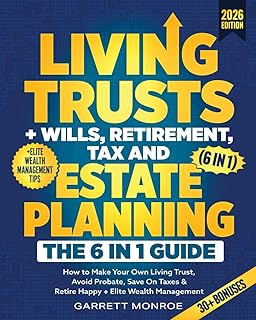
For a more comprehensive approach that also covers retirement and tax planning, consider Living Trusts + Wills, Retirement, Tax & Estate Planning – The 6-in-1 Guide. It’s rated 4.5 stars and includes wealth management strategies that help parents maximize what they leave behind.
Durable Power of Attorney for Finances
This document lets you appoint someone to manage your financial affairs if you become incapacitated. Without it, a court may need to appoint a conservator — an expensive and public process.
Your chosen agent can pay bills, manage investments, and handle insurance claims on your behalf. This is especially important if you’re the primary breadwinner or manage family finances jointly.
Advance Healthcare Directive (Living Will)
An advance healthcare directive names someone to make medical decisions for you if you can’t speak for yourself. It also outlines your preferences for life-sustaining treatment.
For parents, this document ensures your children’s other parent or a trusted relative can step in quickly during a medical crisis. It prevents delays that could impact your care — or your family’s stability.
Phase 2: Guardianship Decisions and Instructions
Choosing a guardian for your children is the most emotionally charged part of estate planning. It’s also the most important.
Factors to consider:
- Values and parenting style — Does the person share your beliefs about education, religion, and discipline?
- Age and health — Is the potential guardian young enough to raise your kids to adulthood?
- Location — Would your children need to move schools or leave their support network?
- Willingness — Have you discussed this with the person? Don’t assume.
Pro tip: Name an alternate guardian. Your first choice might become unavailable. Always have a backup.
You can also leave a letter of instruction for the guardian. This isn’t legally binding, but it provides emotional and practical guidance. Include details about your children’s routines, medical needs, favorite foods, and your wishes for their upbringing.
Phase 3: Protecting Your Family’s Financial Future
Life Insurance — Your Safety Net
Life insurance is the engine that funds your estate plan for your children. Without adequate coverage, your trust or will is just a piece of paper.
How much life insurance do parents need?
- Enough to replace your income until your youngest child turns 18.
- Plus funds for college education.
- Plus an emergency cushion for unexpected expenses.
A common rule of thumb is 10–12 times your annual income. But every family is different. Consider your mortgage, childcare costs, and any debts.
Term life insurance is usually the most affordable option for young families. Pair it with a permanent policy if you have a special needs child or want cash value accumulation.
Beneficiary Designations
Your life insurance policies, retirement accounts, and payable-on-death bank accounts pass outside of probate. But only if you’ve named the right beneficiaries.
Critical mistakes:
- Naming minor children directly — they can’t manage money until 18, and a court must appoint a guardian.
- Naming your estate — this forces the assets through probate.
- Forgetting to update after divorce or remarriage.
Instead, name your living trust as the beneficiary. Or, name the guardian as the custodian under the Uniform Transfers to Minors Act (UTMA). A trust provides more control.
Children’s Education Funding
Consider how you’ll fund college or trade school. A 529 plan is tax-advantaged and can be owned by a trust. You can also designate part of your life insurance proceeds for education.
Some parents set up a separate trust specifically for educational expenses. This ensures the money isn’t used for anything else.
Phase 4: Digital Estate Planning
Your children’s memories — photos, videos, social media — are often stored online. Without digital estate planning, those assets may be lost forever.
Steps to secure digital assets:
- Create an inventory of all online accounts (email, social media, cloud storage, subscriptions).
- Use a password manager and share the master password with your estate executor.
- Specify in your will or trust who can access and manage your digital accounts.
- Write instructions for handling valuable digital assets like cryptocurrency or domain names.
Many parents neglect this step. Don’t be one of them. Your children may treasure those digital family photos more than any physical heirloom.
For a thorough overview of this topic, read our guide on Digital Estate Planning: How to Secure Online Accounts, Crypto, and Digital Assets.
Phase 5: Putting It All Together — Taking Action
You now know what you need. The biggest hurdle is execution. Here’s a step-by-step plan to get it done.
Step 1: Gather your documents.
- Current will (if any)
- Life insurance policies
- Bank and investment account statements
- Property deeds and vehicle titles
- Digital account list and passwords
Step 2: Choose your team.
- Guardian(s) for your children
- Executor for your will
- Trustee for your trust
- Agent for power of attorney
- Healthcare proxy
Step 3: Draft your documents.
You have three options: hire an estate planning attorney, use an online service, or do it yourself with a comprehensive guide.
If you prefer a DIY approach backed by expert guidance, the Nolo’s Guide to Estate Planning is widely considered the gold standard. With a 4.7-star rating, it provides clear, state-specific instructions for creating a complete estate plan — including trusts, wills, and powers of attorney.

For parents who want a simpler, more accessible introduction, Estate Planning For Dummies breaks down complex concepts into plain language. It’s a great starting point before diving into deeper resources.

Step 4: Fund your trust.
If you created a living trust, you must transfer assets into it — deeds, bank accounts, brokerage accounts. Otherwise, the trust is an empty shell.
Step 5: Review and update regularly.
Life changes: new baby, divorce, relocation, financial shifts. Review your estate plan every two to three years, and after any major life event.
Common Mistakes Parents Make (And How to Avoid Them)
Even well-intentioned parents fall into these traps. Awareness is your best defense.
Choosing a guardian without discussing it.
Always talk to your chosen guardian first. They may not be willing or able. Your plan should include an alternate.
Naming minor children as direct beneficiaries.
As mentioned, this leads to court-supervised guardianship of the assets until age 18. Use a trust instead.
Forgetting to update beneficiary designations after divorce.
Your ex-spouse could inherit everything if your will says one thing but your beneficiary form says another. Keep them aligned.
Ignoring state laws.
Estate laws vary by state. A will that’s valid in one state may not be valid in another. Consult a local attorney or use a resource that covers your state’s requirements.
Procrastinating.
Don’t wait until you have a perfect plan. Start with a simple will and life insurance. You can refine later.
Estate Planning for Special Situations
Blended Families
If you have children from a previous marriage, estate planning is more complex. You need to ensure your current spouse is cared for while protecting your children’s inheritance.
A qualified terminable interest property trust (QTIP trust) can provide income to your spouse for life, with the principal passing to your children. A marital trust offers similar flexibility.
Learn more in our article Blended Families and Estate Planning: Avoiding Inheritance Disputes Among Stepchildren.
Special Needs Dependents
If you have a child with special needs, a special needs trust is essential. It holds assets for your child’s benefit without disqualifying them from government benefits like Medicaid or SSI.
A stable life insurance policy can fund this trust. We cover this in depth in Estate Planning for Special Needs Dependents: Protecting Benefits and Quality of Life.
Business Owners
If you own a small business, your estate plan must address business succession. A buy-sell agreement funded by life insurance ensures a smooth transition if you die or become disabled.
Don’t miss our detailed guide: Estate Planning for Small Business Owners: Succession, Buy-sell Agreements, and Continuity.
The Role of Life Insurance in Your Estate Plan
Life insurance isn’t just about replacing income. It’s the liquidity that funds your estate plan. Your trust may need cash to pay for your children’s upbringing, education, and final expenses.
Consider these strategies:
- Irrevocable life insurance trust (ILIT) — Removes the death benefit from your taxable estate.
- Second-to-die policy — Insures both parents and pays out after the second death, often used for estate tax planning.
- Key person insurance — For business owners, protects the company’s value.
For a complete breakdown, read How Life Insurance Fits into Your Estate Planning Strategy?.
Organize Everything for Your Loved Ones
Estate planning isn’t complete until you’ve organized your information. Your executor, trustee, and guardian need to know where everything is.
Create a master document that includes:
- Location of your will, trust, and other legal documents
- List of all financial accounts with account numbers
- Contact information for your attorney, accountant, and financial advisor
- Digital asset inventory and password instructions
- Funeral and burial wishes
The I’m Dead, Now What? Planner is an excellent tool for this. With a 4.6-star rating, it helps you organize everything in one place — from business affairs to personal wishes. Your family will thank you.

When to Review Your Estate Plan
Life is dynamic. Your estate plan should be too.
Review immediately after:
- Birth or adoption of a child
- Marriage, divorce, or remarriage
- Death of a guardian or beneficiary
- Significant change in assets or income
- Moving to a new state
- Diagnosis of a serious illness
Annual maintenance tasks:
- Review beneficiary designations
- Confirm your chosen guardian is still willing and able
- Update your digital asset inventory
- Check that your life insurance coverage still meets your family’s needs
Final Thoughts: Your Children Are Counting on You
Estate planning for families with young children is one of the most loving and responsible things you can do. It’s not about your wealth — it’s about your children’s well-being. It’s choosing who raises them, how they’re provided for, and what legacy you leave.
You don’t need to do everything at once. Start with the basics: a will, life insurance, and guardianship nominations. Then layer in a trust, digital planning, and advanced strategies as your family and finances grow.
The best time to start was yesterday. The second best time is right now. Use this checklist, grab a comprehensive resource like Living Trusts, Wills & Estate Planning for Seniors or Nolo’s Guide to Estate Planning, and take the first step today. Your family’s future depends on it.
For more guidance on the broader topic, don’t miss Estate Planning 101: a Beginner’s Roadmap to Protecting Your Family and Assets. And if you’re caring for aging parents alongside your children, our article How to Talk to Aging Parents About Estate Planning Without Causing Conflict? offers practical scripts and strategies.
Frequently Asked Questions About Estate Planning for Families
Q: How much does estate planning cost for parents with young children?
A: Costs vary widely. A simple will can cost $200–$500 through an online service. An attorney-drafted plan with a trust typically ranges from $1,500 to $5,000. The investment is small compared to the potential legal fees and emotional costs of not planning.
Q: Can I name a guardian for my children without a will?
A: No. Only a will allows you to legally nominate a guardian. Some states also allow nomination in a separate document, but a will is the most reliable method.
Q: What happens if I die without a will and my children are minors?
A: A probate court will appoint a guardian for your children, often a relative. Your assets will be distributed according to state law, and a court-appointed guardian may manage the children’s inheritance until they turn 18.
Q: Should my life insurance go to my trust or directly to my children?
A: It’s usually better to name your living trust as the beneficiary. This avoids probate, keeps the assets managed by a trustee of your choice, and allows you to control when children receive the money.
Q: What is the difference between a will and a trust?
A: A will goes through probate and takes effect after death. A trust can avoid probate, manage assets during incapacity, and provide ongoing control over distributions. Many families use both.
Q: How often should I update my estate plan?
A: At minimum, every two to three years. Also update after any major life event: birth, death, marriage, divorce, relocation, or significant financial change.
Q: Can I create my own estate plan without a lawyer?
A: Yes, especially for straightforward family situations. Resources like Estate Planning For Dummies and Nolo’s Guide to Estate Planning provide state-specific instructions. However, if you have a blended family, special needs dependents, or significant assets, consult an attorney.
Q: What is a letter of instruction?
A: It’s a non-binding document that provides guidance to your guardian and executor. It can include your children’s routines, medical history, education preferences, and personal wishes. It’s not part of your will but is invaluable for those who care for your kids.
Q: Does a trust protect assets from my children’s future creditors?
A: Yes, if the trust includes spendthrift provisions. A properly drafted trust can protect inherited assets from lawsuits, divorce, or creditors until your children reach a specified age.
Q: What is the most overlooked aspect of estate planning for families?
A: Digital estate planning. Many parents fail to provide access to online accounts, photos, and cryptocurrencies. Without it, valuable digital memories and assets may be lost forever.