 Insurance Curator
Juggling several debts at once feels like walking a tightrope. Miss one payment and your credit score drops. Focus on the wrong debt and you waste money on interest. Many people freeze under the pressure, not knowing which bill to pay first.
The good news? You can handle multiple debts strategically without damaging your credit. The key is understanding how credit scoring works and using a budget as your control center. This guide shows you exactly how to prioritize payments, lower your total cost, and protect your credit health—all while staying on top of your monthly finances.
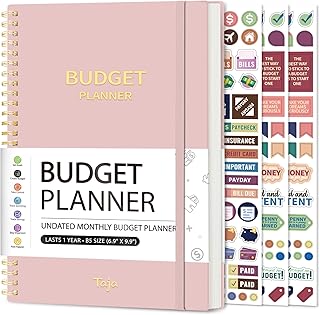
Your first step? A solid budget. Without it, you’re flying blind. A tool like the Budget Planner helps you track every dollar and see exactly how much you can put toward debt each month.
Why Your Credit Score Matters When Prioritizing Debt
Your credit score isn’t just a number—it reflects your reliability as a borrower. When you prioritize debts without thinking about credit impact, you might accidentally cause late payments, max out cards, or default on accounts. Each of those mistakes hits your score hard.
Three factors carry the most weight in credit scoring:
| Factor | Weight | What It Means |
|---|---|---|
| Payment history | 35% | Missing even one payment can drop your score by 50–100 points. |
| Credit utilization | 30% | Using more than 30% of available credit hurts your score. |
| Length of credit history | 15% | Closing old accounts shortens your history and lowers your score. |
Mishandling debt priorities can damage all three. But with the right strategy, you can keep payments on time, reduce utilization gradually, and preserve your credit history.
The Two Most Common Debt Prioritization Strategies
Financial experts often recommend one of two methods: the debt avalanche or the debt snowball. Each has its own effect on your credit.
Debt Avalanche (Highest Interest First)
This method saves the most money in interest. You list debts by interest rate (highest to lowest) and put extra money toward the top one while making minimum payments on the rest.
Credit pros: You pay off costly debt faster, which lowers your overall utilization faster.
Credit cons: The highest-interest debt is often a credit card. If you cancel that card after paying it off, your utilization on other cards increases temporarily.
Debt Snowball (Smallest Balance First)
This method focuses on psychological wins. You pay off the smallest balance first, regardless of interest rate.
Credit pros: Quick wins motivate you to keep going, and you reduce the number of accounts with balances.
Credit cons: You might pay more interest overall, but your credit utilization improves as each small account is closed (if you keep the card open, utilization drops).
Which One Hurts Credit Less?
Both strategies protect your credit as long as you never miss a minimum payment. However, the avalanche method is slightly better for your credit score in the long run because it reduces high-interest utilization faster. That said, the best method is the one you actually stick with.
For a deeper comparison, read our guide: Debt Snowball vs. Debt Avalanche: Which Payoff Strategy Saves You More?
Budgeting Is the Foundation of Debt Prioritization
You cannot prioritize debts without knowing your numbers. A budget shows you your income, fixed expenses, and discretionary spending. It reveals exactly how much “extra” money you have to attack debt.
Start with a zero-based budget. Give every dollar a job—rent, groceries, minimum payments, savings, then debt repayment. Whatever remains goes toward your chosen priority debt.
How to Build a Debt-Focused Budget
- List all income (after taxes)
- List fixed expenses (rent, utilities, insurance, minimum debt payments)
- List variable expenses (groceries, gas, dining, entertainment)
- Calculate surplus (income – fixed – variable)
- Allocate surplus to your priority debt
A physical budget binder keeps you accountable. The NICOOTH Budget Binder comes with cash envelopes and expense sheets—perfect for tracking every category.

Step-by-Step: Prioritize Debts Without Hurting Your Credit
Follow this exact sequence. It balances credit protection with financial efficiency.
Step 1: Make All Minimum Payments First
Never skip a minimum payment. Even one 30-day late payment can drop your credit score by 50 to 100 points. Set up automatic payments for at least the minimum due on every account.
Action: List all debts with minimum payment amounts and due dates. Automate or calendar them.
Step 2: Identify Your “Credit-Dangerous” Debts
Some debts hurt your credit faster than others. Focus on these first—after minimums.
- Credit cards nearing the limit – High utilization (above 30%) drops scores quickly. Target cards above 50% utilization.
- Collections or charge-offs – These are severe negative marks. Pay or negotiate these ASAP.
- Accounts with high penalties – Some lenders report late payments after only a few days. Check your agreements.
Step 3: Apply Extra Payments to the Highest Utilization Card
Credit utilization accounts for 30% of your FICO score. Paying down a card from 90% to 60% can boost your score by 20–30 points in a month.
Action: Send your surplus to the card with the highest utilization rate. Once it’s below 30%, switch to the next highest.
Step 4: Then Target High-Interest Debt (Avalanche Style)
After fixing utilization, focus on the highest APR. This saves you money and prevents debt from growing faster than you can pay it.
Step 5: Check Your Credit Report Monthly
You’re entitled to one free credit report per week from each bureau at annualcreditreport.com. Watch for errors and track your score improvements.
What About Negotiating Lower Interest Rates?
If high interest is choking your progress, negotiate with creditors. A lower rate means more of your payment goes to principal—and you pay off debt faster.
Script to call a credit card company:
“I’ve been a loyal customer for [X] years, and my current APR is [X]%. I’m shopping around for a lower rate. Can you reduce my rate to help me keep my account with you?”
Many issuers will lower your rate by 2–5% after a short call. If they refuse, consider a balance transfer card (but read the fine print on fees).
Learn more: How to Negotiate with Creditors and Lower Your Interest Rates?
When Should You Consider Debt Consolidation?
Consolidation can simplify multiple debts into one payment, often at a lower interest rate. But it can hurt your credit if you apply for new credit (hard inquiry) or close old accounts (increases utilization).
Consolidation is good when:
- You can get a rate at least 5% lower than your current average
- You stop using the old cards (avoid racking up more debt)
- You have a stable income to cover the new payment
Avoid consolidation when:
- You lack the discipline to avoid new credit card debt
- The consolidation loan has high fees or a long term (you pay more interest over time)
- Your credit score is too low to qualify for a decent rate
Read our full breakdown: When to Consolidate Debt and When to Avoid It Completely?
How to Handle Specific Debt Types
Credit Cards
Never close a paid-off credit card. Closing reduces your total available credit, raising your utilization ratio. Keep the card open, use it once every few months for a small purchase, and pay in full.
Medical Debt
Medical debt under $500 no longer appears on credit reports (as of 2023). For larger amounts, negotiate with the hospital or a billing advocate. Avoid putting medical debt on a credit card—that moves it to a category that hurts your score more.
Detailed guide: Medical Debt Management: Options, Rights, and Negotiation Scripts
Student Loans
Federal student loans offer income-driven repayment plans and deferment options. Prioritize private student loans if they have variable rates or high balances. Always make on-time payments; a late student loan payment stays on your report for seven years.
See strategies: Student Loan Debt Management Strategies for Borrowers at Every Income Level
Personal Loans and Auto Loans
These are installment loans, not revolving credit. Late payments hurt your score just like credit cards, but utilization doesn’t apply. Prioritize these based on interest rate and remaining term.
Managing Debt on a Low Income
If money is tight, your priority shifts from paying down debt quickly to avoiding credit damage. Focus entirely on minimum payments. Then look for ways to increase income—side gigs, overtime, selling unused items.
Low-income survival steps:
- Call all creditors and ask for hardship programs
- Consider a debt management plan through a nonprofit credit counseling agency
- Use a budget binder to micromanage every dollar
The SKYDUE Budget Binder (rated 4.7 stars) includes cash envelopes to prevent overspending on variable categories.
Read more: Managing Debt on a Low Income: Practical Moves That Make a Real Difference
How to Rebuild After a Debt Settlement or Bankruptcy
Settling debt or filing bankruptcy damages your credit, but you can rebuild. Start by securing a secured credit card or a credit-builder loan. Make every payment on time.
Key steps:
- Dispute any errors on your credit report
- Keep all remaining accounts in good standing
- Avoid applying for too much new credit at once
- Budget aggressively to avoid future debt
Full guide: How to Rebuild Your Finances after a Debt Settlement or Bankruptcy?
The Role of a Budget Book in Debt Management
Many people fail at debt repayment because they lose track of their spending. A dedicated budget book keeps you accountable. The Budget Planner (available in pink or black) has monthly bill organizers, expense trackers, and undated pages—perfect for ongoing use.
Pair it with a budget binder system. The NICOOTH Budget Binder comes with zipper envelopes for cash stuffing, a popular method for controlling variable spending.
Both tools cost under $10 and pay for themselves by helping you stay on track.
Common Mistakes That Hurt Your Credit While Prioritizing Debt
Even with good intentions, people make errors. Avoid these:
- Making only minimum payments on all debts – You’ll pay huge interest and never get ahead.
- Paying off the smallest debt first if it’s a credit card and closing it – Raises your utilization.
- Ignoring a debt because it’s “small” – A small late payment still stays on your credit report.
- Using a balance transfer card as an excuse to spend – You’ll double your debt.
- Not checking your credit report for errors – Mistakes can lower your score unnecessarily.
FAQ: Prioritizing Multiple Debts Without Hurting Your Credit
1. Should I pay off my credit card or personal loan first?
It depends on your goal. If you want to protect your credit score fastest, pay down the card with the highest utilization first. If you want to save the most money, pay the debt with the highest interest rate.
2. Will closing a paid-off credit card lower my score?
Yes, because it reduces your total available credit and increases your utilization ratio. Leave the card open and use it once every few months for a small recurring charge.
3. How many points can one late payment cost me?
For someone with good credit (780+), one 30-day late payment can drop the score by 90–110 points. For fair credit, the drop is smaller but still significant.
4. Can I negotiate my credit card debt without damaging my credit?
Negotiating a settlement (paying less than the full balance) will likely be reported as “settled” and hurt your credit. However, asking for a lower interest rate or a hardship program usually does not affect your credit.
5. Is debt consolidation a good idea if I have multiple debts?
It can be, but only if you stop using credit cards and avoid taking on new debt. Consolidation also involves a hard inquiry, which temporarily drops your score by a few points.
6. What is the fastest way to improve my credit score while paying off debt?
Pay all bills on time, reduce credit card utilization to below 30% (ideally under 10%), and avoid applying for new credit. This alone can raise your score 30–50 points in a few months.
7. If I have debt in collections, should I pay it off first?
Paying a collection account does not remove it from your credit report, but it updates the status to “paid collection,” which looks better to future lenders. Prioritize current accounts first—they affect your score more than old collections.
8. How do I budget for debt repayment if my income is variable?
Use a zero-based budget based on your lowest monthly income. Any extra money in higher-earning months goes to your priority debt. A budget binder with cash envelopes helps you stay disciplined.
Final Checklist: Prioritize Debt Without Credit Damage
- Make all minimum payments on time
- List debts by utilization rate and focus on the highest first
- Use either avalanche or snowball for extra payments (whichever you’ll stick with)
- Never close paid-off credit cards
- Check your credit report weekly for errors
- Negotiate lower interest rates where possible
- Build an emergency fund to avoid new debt
Choosing the right budget tool keeps you consistent. Start with the Budget Planner for monthly tracking and the NICOOTH Budget Binder for daily expense control. Both are affordable and highly rated.
Debt repayment is a marathon, not a sprint. Protect your credit at every step by staying organized, paying on time, and prioritizing strategically. You’ve got this.