 Insurance Curator
Navigating the modern financial landscape often feels like trying to solve an intricate puzzle with moving pieces. Between fluctuating cost-of-living increases, complex utility tariffs, and unexpected minor emergencies, establishing a trustworthy mechanism to track your cash flow is absolutely paramount for maintaining long-term financial security. This is where an intuitive budget template serves as a vital anchor, allowing you to cut through the numerical noise and establish a realistic, straightforward spending plan in less than half an hour.
We will demonstrate how a simple, well-structured framework can immediately dismantle the anxiety of money management and give you absolute control of your household finances. Many savers struggle with complex spreadsheets that feel like a second job, but personal finance experts like Martin Lewis emphasize that a successful plan relies on having clear, black-and-white figures directly in front of you.
To make this journey tactile and sustainable, many people find that physical tools offer the best way to interact with their numbers. If you prefer high-quality physical organizers, options like the Clever Fox Budget Planner & Monthly Bill Organizer With Pockets (Purple) or the premium Financial Planner – Monthly Budget Planner with Cash Envelopes provide dedicated, tactile structures that make tracking your monthly outgoings incredibly straightforward.

Table of Contents
Click to Toggle Contents
- Understanding the Real Purpose of a Budget Template
- The Core Dilemma: Choosing a Digital or Physical Budget Template
- Comparing the Top Amazon Budget Planners and Templates
- Detailed Analysis of Premier Physical Budget Templates and Organizers
- Step-by-Step: Build Your Monthly Budget Template in 30 Minutes
- Budgeting Frameworks: Finding the Right Monthly Plan for Your Income
- Common Exclusions and Pitfalls: What Your Budget Template Might Be Missing
- Myths vs. Reality: Demystifying the Monthly Budget Template
- Actionable Checklists for Long-Term Spending Success
- Final Guidance: Attaining Financial Peace of Mind
- Frequently Asked Questions (FAQ)
Understanding the Real Purpose of a Budget Template
A budget template is not a restrictive financial straightjacket designed to eliminate all of life’s pleasures and spontaneous enjoyments. Instead, it serves as a customized roadmap that provides you with explicit permission to spend your hard-earned money guilt-free on the things that truly matter. For those looking to protect their savings or adjust to a fixed retirement pension, this systematic clarity is the ultimate antidote to persistent economic worry.
The psychological toll of unmonitored spending is well-documented, often manifesting as a slow, stressful trickle of small, forgotten subscriptions and unexpected utility increases. According to research from the Brookings Institution, middle-class household budgets are facing severe structural strains from rising housing and health care costs. This is where a simple budget template steps in, acting as an emotional buffer by converting abstract financial anxiety into a concrete, solvable mathematical equation.
The Core Dilemma: Choosing a Digital or Physical Budget Template
When deciding how to manage your monthly plan, you will inevitably face a crucial crossroad: do you choose a digital spreadsheet or a physical, tactile notebook? Digital templates on Microsoft Excel or Google Sheets are highly praised for their automatic calculation capabilities and easy duplication from one month to the next. They allow you to rapidly input data and watch totals adjust instantly, which is highly convenient for those comfortable with computer screens and software.
However, physical, undated budget books offer an entirely different level of psychological ownership and deliberate focus. Writing down your income and expenditures by hand engages different cognitive pathways, making you significantly more mindful of where every single dollar is flowing. A comprehensive report on the economic well-being of households by the Federal Reserve Board indicates that a high percentage of adults struggle to cover a sudden $400 emergency expense using cash. Hand-written planners keep these critical figures visually active in your daily environment, ensuring you are never caught off guard.
Comparing the Top Amazon Budget Planners and Templates
To help you find the absolute best physical tool for your personal monthly plan, we have assembled and verified the specifications of the top-rated paper budget templates and financial organizers. The following comparison table outlines their key features, pricing, and specific formats to help you choose the ideal system.
| Product Image | Product Name & Link | Price | Key Features | User Rating |
|---|---|---|---|---|
|
Clever Fox Budget Planner & Monthly Bill Organizer With Pockets | $35.99 | Large 8×9.5″ format, dedicated receipt pockets, undated 12-month trackers, luxury purple cover, colorful stickers. | 4.6 / 5 |
 |
College Budget Planner and Vision Board Journal | $12.99 | Navy Blue/Yellow cover, color interior, simplified and detailed layouts, financial tips, goal-setting vision board. | 4.8 / 5 |
 |
Financial Planner – Monthly Budget Planner with Cash Envelopes | $32.95 | Built-in cash envelope slot system, comprehensive 12-month tracking pages, undated format, sturdy spiral binding. | 4.4 / 5 |
 |
PLANBERRY Large Budget Planner & Monthly Bill Organizer with Pockets | $35.99 | Generous 8.3×9.4″ size, storage pockets for bills, robust budgeting layouts, goal trackers, vibrant design. | 4.6 / 5 |
 |
Law of Attraction Budget Planner and Monthly Bill Organizer | $32.95 | Mindset-focused, wealth-building vision prompts, monthly bill payment tracker, undated A5 format. | 4.5 / 5 |
Detailed Analysis of Premier Physical Budget Templates and Organizers
Investing in a premium physical book gives you a physical location to hold your financial boundaries. Let’s explore these chosen physical budget organizers in detail to help you match their layouts to your specific personal goals.
1. Clever Fox Budget Planner & Monthly Bill Organizer with Pockets (Purple)
For those looking for a sophisticated, luxury aesthetic combined with deep physical organization, the Clever Fox Planner is an outstanding option. It is structured to help you track your long-term goals and monthly outcomes side-by-side.
- Affiliate Link: Clever Fox Budget Planner & Monthly Bill Organizer With Pockets
- Price: $35.99
- Overall Rating: 4.6 / 5
- Pros:
- Extremely durable luxury hardcover designed to withstand daily use.
- Large 8×9.5″ footprint leaves plenty of room for writing.
- Dedicated storage pockets for keeping receipts, utility bills, and tax papers secure.
- Cons:
- The larger size may be too bulky for those who prefer to carry their budget in a purse or small bag.
- Premium price point compared to basic journal templates.
- Ideal For: Savers who want an elegant, comprehensive home base to manage household bills, receipts, and long-term financial milestones all in one place.
2. College Budget Planner and Vision Board Journal (Navy/Yellow)
Managing a student budget or coordinating expenses for grandchildren entering higher education requires a simplified, goal-oriented approach. This colorful, undated journal helps transition young adults into secure money habits.
- Affiliate Link: College Budget Planner and Vision Board Journal
- Price: $12.99
- Overall Rating: 4.8 / 5
- Pros:
- Highly engaging color interior that makes budgeting feel less intimidating.
- Includes a visual vision board space for mapping out dream purchases and travel goals.
- Exceptionally budget-friendly price point.
- Cons:
- Lacks heavy-duty physical storage pockets for paper bills.
- Specifically designed around college life, which may not appeal to mature household managers.
- Ideal For: Students, young professionals, or anyone starting their financial journey who benefits from visual prompts, simplified tables, and goal setting.
3. Financial Planner – Monthly Budget Planner with Cash Envelopes
If you want to practice “cash stuffing” or need strict physical limits to prevent impulse spending, this all-in-one financial planner is incredibly helpful. It integrates traditional envelope budgeting directly into its binding.
- Affiliate Link: Financial Planner – Monthly Budget Planner with Cash Envelopes
- Price: $32.95
- Overall Rating: 4.4 / 5
- Pros:
- Comes with integrated, durable cash envelopes to safely store weekly allowance money.
- Clear 12-month journey layout that keeps tracking fun and organized.
- Strong spiral binding allows the pages to lay completely flat on a table.
- Cons:
- Can become thick and heavy when envelopes are stuffed with physical bills.
- Spiral coils can occasionally catch on bags if transported frequently.
- Ideal For: Visual and tactile spenders who want to strictly limit their discretionary categories, like groceries or dining out, using the classic cash envelope system.
4. PLANBERRY Large Budget Planner & Monthly Bill Organizer with Pockets (Wild Purple)
Designed to merge beautiful design with maximum functionality, the Planberry organizer is a gorgeous powerhouse. Its layout is structured to reduce overwhelm and turn bill-paying days into an orderly routine.
- Affiliate Link: PLANBERRY Large Budget Planner & Monthly Bill Organizer with Pockets
- Price: $35.99
- Overall Rating: 4.6 / 5
- Pros:
- Spacious 8.3×9.4″ layout that prevents cramped handwriting.
- Thick, premium paper that resists ink bleeding from gel pens.
- Highly secure pockets to store incoming invoices and statements.
- Cons:
- Higher initial cost may deter those looking for a bare-bones tracker.
- The vibrant internal layout can feel visually busy for minimalist tastes.
- Ideal For: Household managers who deal with a high volume of monthly paper invoices and want a central, reliable organizer to manage bills and track debt payoffs.
5. Law of Attraction Budget Planner and Monthly Bill Organizer (Purple Cover)
This unique finance organizer takes a holistic approach to wealth management. It blends daily expense tracking with motivational prompts and gratitude practices, encouraging a healthier relationship with money.
- Affiliate Link: Law of Attraction Budget Planner and Monthly Bill Organizer
- Price: $32.95
- Overall Rating: 4.5 / 5
- Pros:
- Focuses heavily on the psychology of saving, helping to shift negative financial mindsets.
- Clean, well-spaced monthly calendar grids to mark off paid bill dates.
- Includes a wealth-building tracker to monitor investments and assets over time.
- Cons:
- The emphasis on mindfulness and mindset exercises may feel unnecessary to those who want a simple, direct ledger.
- A5 size is smaller than the large Clever Fox or Planberry options.
- Ideal For: Spenders seeking to heal their relationship with money through daily reflection, mindful habits, and organized expense tracking.
Step-by-Step: Build Your Monthly Budget Template in 30 Minutes
Many people put off budgeting because they believe it requires an entire weekend of sorting through archives of paperwork. We’ll explore how you can easily construct a fully functional monthly framework in exactly 30 minutes. By breaking the process down into short, highly focused intervals, you can easily bypass the stress and complete your setup before your coffee gets cold.
+---------------------------------------------------------+
|                  THE 30-MINUTE TIMELINE                 |
+---------------------+---------------------+-------------+
|   Minutes 00 - 10   |   Minutes 10 - 20   | Mins 20-30  |
|  Income Inventory   |    Outflow Audit    | Framework & |
|  (Track Net Pay)    |  (Group Expenses)   | Allocation  |
+---------------------+---------------------+-------------+
Minutes 0–10: The Inflow Inventory
Start by opening your chosen template or blank notebook to list all reliable income streams arriving in the upcoming calendar month. Ensure you are only documenting your “net income”—which is the actual cash that lands in your bank account after taxes and retirement contributions are deducted. If you have an irregular salary, base your numbers on your lowest-earning month of the past year to build a sturdy safety margin.
Minutes 10–20: The Outflow Audit
Next, gather your primary bank statements or pull up your banking application on your phone. Personal finance expert Martin Lewis strongly recommends compiling actual statements rather than guessing, as our memories tend to underestimate our true variable spending. Group your expenses into simple, recognizable categories:
- Fixed Needs: Mortgage/rent, utility bills, insurance premiums, and minimum debt payments.
- Variable Wants: Groceries, dining out, entertainment, and leisure activities.
- Future Goals: Regular emergency fund contributions, investments, and holiday savings.
Minutes 20–25: Choosing Your Framework
This is where you decide how your income will be divided across your financial columns. You can choose a highly structured method like zero-based budgeting, or opt for a flexible percentage system like the popular 50/30/20 layout. Write your chosen category targets at the top of your monthly budget page to act as your guiding principles for the weeks ahead.
Minutes 25–30: Allocating and Automating
Finally, match your actual income directly to your spending columns until every single dollar has a clear destination. For your variable cash categories, consider setting up direct transfers to separate sub-accounts or allocating cash to envelopes. Automating your fixed bill payments to align with your pension or paycheck dates ensures you never incur late fees.
Budgeting Frameworks: Finding the Right Monthly Plan for Your Income
No two households are identical, which is why a universal, one-size-fits-all budgeting approach rarely succeeds. Selecting the right mathematical framework depends entirely on your personality, income predictability, and how much hands-on control you prefer to maintain. Let’s compare the three most trusted personal finance budgeting strategies.
          BUDGETING FRAMEWORKS AT A GLANCE
 ┌──────────────────────┬───────────────────────────────┐
 │                      │ 50% Needs                     │
 │  50/30/20 RULE       │ 30% Wants                     │
 │                      │ 20% Savings                   │
 ├──────────────────────┼───────────────────────────────┤
 │  ZERO-BASED BUDGET   │ Income - Expenses = $0        │
 │                      │ Every single dollar has a job │
 ├──────────────────────┼───────────────────────────────┤
 │  ENVELOPE SYSTEM     │ Cash allocated into physical  │
 │                      │ folders for variable spends   │
 └──────────────────────┴───────────────────────────────┘
The 50/30/20 Budgeting Rule
Popularized by Senator Elizabeth Warren in her book All Your Worth, this straightforward method divides your net income into three simple percentages. The Consumer Financial Protection Bureau (CFPB) heavily advocates using this framework to teach foundational money management. It suggests spending:
- 50% on Needs: Absolute essentials required for survival and maintaining shelter.
- 30% on Wants: Non-essential lifestyle enhancements and entertainment.
- 20% on Savings: Debt reduction beyond minimum payments and building your nest egg.
Zero-Based Budgeting
Championed by Dave Ramsey in The Total Money Makeover, the core principle of this strategy is that every single dollar you earn must be allocated a job before the month begins. Your total income minus your total expenses (which includes savings allocations) must equal exactly zero. This system is exceptionally powerful for those looking to aggressively pay down high-interest credit card debt or maximize their retirement savings, as it leaves no room for unmonitored cash leaks.
The Envelope System (Cash Stuffing)
For those who struggle with digital cards and find themselves overspending on everyday purchases, the traditional Envelope System is a fantastic remedy. Under this system, you withdraw physical cash for your highly variable spending categories—such as groceries, fuel, and dining out—and place the money into labeled folders or pouches. For an integrated solution, tools like the Bella Taylor Cash System Wallet for Envelope Budgeting feature built-in, secure envelope slots.

Alternatively, if you prefer organizing cash at home, you can easily use bulk options like the heavy-duty zmybcpack 500 Pack Cashier Deposit Report Envelopes to store your cash categories safely in a drawer or a small fireproof safe.

Common Exclusions and Pitfalls: What Your Budget Template Might Be Missing
The primary reason most monthly budgets fail within the first three months is not a lack of willpower, but rather the exclusion of “phantom bills.” These are expenses that do not occur on a standard monthly schedule, causing them to slip past our radar until they arrive as an urgent invoice. Examples of these sneaky budget-busters include:
- Annual car insurance renewals and registration fees.
- Seasonal heating and cooling bill surges during extreme weather.
- Routine dental checkups, prescription copays, and veterinary visits.
- Quarterly property tax assessments or homeowner association dues.
To guard against these unexpected cash drains, you should establish a dedicated “sinking fund” category directly inside your monthly budget template. For those who appreciate a highly organized, long-form overview of payments over time, using a dedicated bookkeeping notebook like the Jetec 2 Pcs Black Ledger Books for Bookkeeping helps track your long-term seasonal expenditures across multiple quarters.

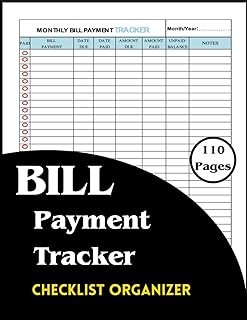
Additionally, if you find it difficult to remember when annual payments are due, keeping a visible tracker like the Simple Classy Monthly Bill Payment Checklist Organizer on your desk will ensure you never miss an invoice date again.
Myths vs. Reality: Demystifying the Monthly Budget Template
Let’s clear up some of the most common misconceptions that keep people from taking control of their money.
- Myth: Budgeting is only for households that are struggling financially.
- Reality: High-income households are often just as prone to overspending and lifestyle creep. A budget template ensures that wealth is actually preserved and put to work, rather than slipping away in unmonitored daily transactions.
- Myth: You need to be incredibly skilled at mathematics to budget.
- Reality: Budgeting only requires basic addition and subtraction. Most of the work involves simply sorting your expenses into categories and being honest with your numbers.
- Myth: Once you set your budget targets, they can never be changed.
- Reality: A healthy budget is a living document that must adapt as your life changes. It should easily flex to accommodate rising utility costs, changing groceries prices, or new life milestones.
Actionable Checklists for Long-Term Spending Success
To help you maintain consistency and ease of mind, use these simple checklists to keep your physical organizer or digital template up to date.
The Initial 30-Minute Setup Checklist
- Gather all paper bank statements and utility invoices.
- List every single stream of net monthly income.
- Identify and record all fixed, non-negotiable living expenses.
- Write down a realistic grocery and discretionary spending target.
- Allocate a specific portion of your income to your emergency fund.
The Weekly 5-Minute Check-In
- Log your weekly grocery and shopping receipts into your planner pockets.
- Verify that all pending utility bills have been successfully paid.
- Check your checking account balance to ensure no unexpected fees occurred.
- Adjust your variable categories if you overspent early in the week.
The Monthly 10-Minute Review
- Compare your actual monthly spending against your initial budget goals.
- Celebrate areas where you successfully stayed under budget.
- Identify any “phantom bills” that occurred and adjust next month’s targets.
- Set your savings and debt reduction goals for the upcoming calendar month.
Final Guidance: Attaining Financial Peace of Mind
At its core, utilizing a budget template is not about restricting your lifestyle or keeping you from enjoying the fruits of your labor. It is a powerful, stress-reducing practice designed to bring clarity, predictability, and profound peace of mind to your household. By dedicating just 30 minutes at the start of each month to map out your income and expenses, you build a solid financial foundation that easily weathers unexpected emergencies.
Whether you choose a sophisticated notebook like the Clever Fox Budget Planner & Monthly Bill Organizer With Pockets or a physical cash-envelope wallet, the simple act of taking active control of your money is incredibly empowering. Your financial journey is entirely personal, and with the right tools in hand, you can move forward with confidence and ease.
Frequently Asked Questions (FAQ)
What is the absolute easiest budget template for a beginner?
The easiest template for a beginner is the 50/30/20 budget template. It keeps things simple by grouping all your transactions into just three broad categories: needs, wants, and savings. This eliminates the headache of managing dozens of complicated categories, making it a highly accessible and stress-free way to start tracking your cash flow.
How do I handle irregular monthly income on a budget template?
When managing an irregular income, always build your monthly plan using your lowest-earning month of the past year as your baseline. This creates a safe financial margin, ensuring your basic living costs are always covered. Any extra income you earn during higher-paying months can then be funneled directly into savings, investments, or debt reduction.
Why do most monthly budgets fail, and how do I prevent it?
Most budgets fail because they ignore non-monthly “phantom bills”—such as annual car insurance premiums, seasonal heating bills, and medical copays. You can easily prevent this by creating a dedicated “sinking fund” category in your template. By setting aside a small, consistent amount each month for these seasonal expenses, you will never be caught off guard when the invoices arrive.
Is a physical paper budget planner better than a digital spreadsheet?
Both methods have distinct benefits, but physical paper planners are highly recommended for those looking to build mindful spending habits. Writing down your expenses by hand helps you connect with your numbers on a deeper cognitive level, which naturally curbs impulse purchases. Digital spreadsheets, on the other hand, are highly efficient for automatic calculations and quick updates.
How big of an emergency fund should I build into my budget template?
Financial experts generally recommend saving a reserve of three to six months’ worth of basic living expenses. If you are retired or have an irregular income, building a larger cushion of nine to twelve months’ worth of expenses offers fantastic security. This fund acts as your ultimate safety net, protecting your long-term assets from being disrupted by unexpected home repairs or medical emergencies.