 Insurance Curator
Debt consolidation sounds like a lifeline—roll multiple high-interest balances into one monthly payment and breathe easier. But for many people, that single payment can become a bigger trap if they don’t address the root cause: spending habits and budgeting gaps. Before you sign up for a consolidation loan or balance transfer card, you need a clear framework to know when consolidation makes sense and when it will only dig your hole deeper.
Understanding the difference requires an honest look at your financial behavior, the types of debt you carry, and the real cost of extending repayment. This guide walks you through the decision tree using expert insights, real data, and practical budgeting tools to help you make the right call.
What Is Debt Consolidation, Really?
Debt consolidation is the process of taking out a single loan or credit product to pay off multiple existing debts. The goal is to simplify payments and, ideally, lower your interest rate. Common methods include balance transfer credit cards, personal loans, home equity loans, and debt management plans offered by nonprofit credit counseling agencies.
The critical factor is whether consolidation actually reduces your total cost or just rearranges the deck chairs. If you don’t fix the spending triggers, consolidation is a Band-Aid on a broken budget.
How Consolidation Works in Practice
- You apply for a new loan or card with a lower APR.
- The lender pays off your old debts directly (or you do so with the funds).
- You then make a single monthly payment to the new lender.
- Your credit score may dip slightly from the hard inquiry but can recover with on-time payments.
Sounds straightforward, yet nearly 40% of people who consolidate end up with more debt within two years because they continue using old credit lines. That’s why knowing when to consolidate is just as important as knowing when to walk away.
Signs It’s the Right Time to Consolidate Debt
Debt consolidation works best when you have a stable income, a realistic budget, and a clear payoff timeline. Here are the conditions where it typically makes sense.
1. You Have High-Interest Credit Card Debt
If you’re carrying $5,000 or more on credit cards with APRs above 20%, a consolidation loan at 10% or lower can save you hundreds in interest every year. For example, a $6,000 balance at 22% APR paid over three years costs about $2,200 in interest. A personal loan at 9% would cut that interest to roughly $870.
Key metric: Run the numbers. If the new APR is at least 5–7 points lower and the repayment term is equal or shorter, consolidation is worth exploring.
2. You Can Stick to a Strict Budget After Consolidation
Consolidation only works if you stop adding new charges to the old accounts. That means freezing those cards or cutting them up. Pair consolidation with a Debt Management 101: a Step-by-step Plan to Get out of Debt Faster that includes a structured budget.
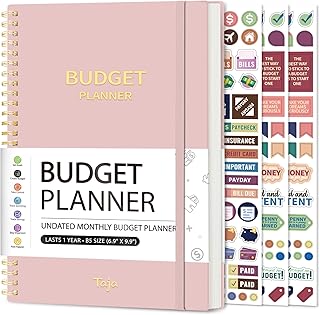
A budget planner helps you track every dollar. The Budget Planner – Monthly Budget Book with Expense Tracker Notebook ($8.99, rating 4.6) is a top-rated tool for keeping your spending aligned with your consolidation goals. Use it to document every expense and ensure your new payment fits comfortably within your income.
3. Your Credit Score Is Good Enough to Qualify for a Lower Rate
Most debt consolidation loans require a credit score of at least 640–660. If your score is above 700, you’ll likely qualify for competitive rates. If it’s below 600, you may face APRs as high as 36%, which defeats the purpose.
Check your credit reports for free at AnnualCreditReport.com before applying. A score above 680 gives you the best odds.
4. You Have a Clear Payoff Plan and Won’t Extend the Term Excessively
Consolidation can lower your monthly payment by stretching your debt over five or seven years—but that extra time often means paying more interest overall. Only consolidate if you plan to pay off the new loan in three years or less, unless the rate is dramatically lower.
For instance, extending $10,000 from three years to five years at 8% interest adds about $800 in total interest. That may be acceptable if it keeps you from defaulting, but it’s not optimal.
5. You’ve Addressed the Underlying Spending Problem
If you’ve already taken a How to Stop Using Credit Cards While Still Staying Financially Afloat and built an emergency fund of at least $1,000, consolidation becomes a strategic tool rather than a crutch. Without that foundation, you risk reloading the debt.
Red Flags: When to Avoid Debt Consolidation Completely
Not every debt situation benefits from consolidation. In some cases, it makes matters worse. Here are the clear warnings.
1. You Have a Spending Addiction or No Budget
If you don’t track where your money goes, consolidation is dangerous. You’ll free up available credit on old cards and be tempted to use them again. This creates a debt double-whammy: a new consolidation loan plus fresh credit card balances.
The SKYDUE Budget Binder, Money Saving Binder with Zipper Envelopes ($8.98, rating 4.7) uses a cash envelope system that forces you to live within your means. Pairing consolidation with such a system reduces the risk of reaccumulation, but if you’re not ready to commit to a zero-based budget, avoid consolidation.
2. Your Debts Are Small and Nearly Paid Off
Consolidating a $1,500 balance with 12 months left may not be worth the origination fees, balance transfer fees (typically 3–5%), and the hard inquiry on your credit. Run the math: if the total fees exceed the interest you’d save, don’t consolidate. Paying off the debt directly is simpler and cheaper.
3. You Have Unsecured Debts That Could Be Discharged in Bankruptcy
If you’re considering bankruptcy, consolidating first is a mistake. Once you take out a new loan, that debt is no longer dischargeable in the same way. Speak with a bankruptcy attorney before making any moves.
4. Your Credit Score Is Too Low to Get a Reasonable Rate
With a score below 600, you’ll likely end up with a loan APR over 30%. That’s not consolidation—it’s rearranging deck chairs on the Titanic. Instead, focus on How to Rebuild Your Finances after a Debt Settlement or Bankruptcy before considering any new borrowing.
5. You Have a High Debt-to-Income Ratio (DTI) over 50%
Lenders may approve you, but the monthly payment could strain your budget. If your DTI is above 50%, consolidation doesn’t address the cash flow gap. Look into Managing Debt on a Low Income: Practical Moves That Make a Real Difference first.
Types of Debt Consolidation: Which One Fits Your Situation?
Not all consolidation methods are created equal. Compare them carefully before choosing.
| Method | Typical APR Range | Fees | Best For |
|---|---|---|---|
| Balance Transfer Card | 0% intro for 12–21 months, then 15–25% | 3–5% transfer fee | Small to moderate credit card debt you can pay off during the intro period |
| Personal Loan | 6–36% | Origination fee 1–8% | Larger, unsecured debt with good credit |
| Home Equity Loan/HELOC | 5–10% | Closing costs 2–5% | Homeowners with significant equity and stable income |
| 401(k) Loan | Prime rate + 1–2% (no credit check) | No fees, but repayment comes from paycheck | Only as a last resort; risk of job loss triggering tax penalties |
| Nonprofit Debt Management Plan | 8–12% (negotiated by agency) | Setup fee ~$50, monthly fee ~$25 | Credit card debt with multiple high-interest accounts; no new credit needed |
The Budgeting 101: From Getting Out of Debt and Tracking Expenses to Setting Financial Goals and Building Your Savings, Your Essential Guide to Budgeting (Adams 101 Series) ($9.69, rating 4.6) provides foundational knowledge to evaluate these options. Reading it before consolidation ensures you understand trade-offs like the difference between a HELOC (variable rate) and a fixed personal loan.
The Critical Role of Budgeting in a Successful Consolidation
Consolidation without budgeting is like painting over mold. You must create a spending plan that leaves room for the new payment and prevents future debt. A budgeting system gives you visibility into cash flow.
For hands-on tracking, the NICOOTH Budget Binder Cash Envelopes A6 Money Saving Binder with Zipper envelopes (Purple) ($6.28, rating 4.6) helps allocate cash for categories like groceries, gas, and entertainment. When the envelope is empty, you stop spending. This method directly addresses the behavior that led to debt in the first place.
Steps to Build a Debt Consolidation Budget
- List all income sources – take-home pay after taxes.
- List all necessary expenses – rent, utilities, food, transportation.
- Include the consolidation payment – treat it as a non-negotiable bill.
- Cut discretionary spending – dining out, subscriptions, impulse buys.
- Allocate surplus – every extra dollar goes toward the consolidation principal.
- Track daily – use a Budget Planner – Monthly Budget Book with Expense Tracker Notebook – Black ($8.99, rating 4.6) to record all purchases.
Alternatives to Debt Consolidation You Must Consider
Sometimes the best move is not consolidating at all. Explore these strategies first if any red flags apply.
Debt Snowball vs. Debt Avalanche
You can pay off debts one by one without taking out new loans. The debt snowball targets the smallest balance first for psychological wins; the debt avalanche targets the highest interest rate for maximum savings. Our detailed guide on Debt Snowball vs. Debt Avalanche: Which Payoff Strategy Saves You More? breaks down which method suits different personalities.
Credit Counseling and Debt Management Plans
Nonprofit agencies like NFCC-affiliated counselors can negotiate lower interest rates with your creditors directly. You make one monthly payment to the agency, which distributes it. This isn’t consolidation but a structured payoff plan without a new loan. It’s ideal if you can’t qualify for a low-rate loan.
Negotiating Directly with Creditors
Many credit card companies will lower your APR if you call and ask—especially if you mention hardship. See How to Negotiate with Creditors and Lower Your Interest Rates? for proven scripts. Lowering rates on existing accounts can be just as effective as consolidation without the fees.
Prioritizing High-Interest Debts First
Using a systematic approach, How to Prioritize Multiple Debts Without Hurting Your Credit? shows you how to rank debts by interest rate, balance, and credit impact. This method helps you avoid late payments while channeling extra cash to the most damaging debt.
When Consolidation Makes Sense Even with a Tight Budget
There is a specific scenario where consolidation is beneficial despite a tough budget: when you have medical debt or student loans with high interest. Medical debt often lacks flexible repayment options, and private student loans can have variable rates that are rising.
For medical debt, consider the strategies in Medical Debt Management: Options, Rights, and Negotiation Scripts. If you’re drowning in multiple medical bills, a personal loan at a fixed rate could stabilize your monthly payments and prevent collection actions.
For student loans, federal consolidation (direct consolidation loan) is different because it extends repayment but may lower monthly payments. However, it often increases total interest. Check Student Loan Debt Management Strategies for Borrowers at Every Income Level to decide if consolidation or income-driven repayment is best.
Case Study: Alex’s Successful Consolidation
Alex had $12,000 in credit card debt spread across three cards with APRs of 22%, 24%, and 27%. Minimum payments totaled $420/month, and interest was eating $250/month. Alex’s credit score was 710.
He applied for a $12,000 personal loan at 9.99% APR for 36 months. The monthly payment was $387. He used the loan to pay off all three cards, then cut them up. He also started using a Budget Planner – Monthly Budget Book with Expense Tracker Notebook to track every expenditure.
Result: Alex saved $2,100 in interest over three years and paid off the loan in 30 months by applying tax refunds and bonuses. He never used the old cards again.
Case Study: Maria’s Consolidation Disaster
Maria had $8,000 in credit card debt and a 620 credit score. She took a personal loan with a 29% APR (the only offer she qualified for). The origination fee was 6% ($480). Her new monthly payment was $350 for 48 months—lower than her old $400 minimum. But she continued using her credit cards for groceries and gas.
Within 18 months, Maria was $6,000 deeper in credit card debt plus the $350 loan payment. She eventually defaulted on both. Maria should have avoided consolidation and instead focused on cutting expenses and using a budget binder. The SKYDUE Budget Binder could have helped her implement a cash-only system to stop accumulating new debt.
How Debt Consolidation Impacts Your Credit Score
Short-term effects are real, but long-term behavior matters more.
- Hard inquiry – dings your score 5–10 points for a few months.
- New account – lowers average account age, another temporary dip.
- Lower credit utilization – paying off credit cards drops your utilization ratio, which usually boosts your score significantly.
- On-time payments – if you make all payments, your score climbs.
Worst case: You miss a payment on the consolidation loan. That can drop your score 100+ points. That’s why budgeting is essential.
Final Checklist: Should You Consolidate or Not?
Consolidate if:
- Your credit score is ≥ 680.
- You can lower your APR by at least 5 points.
- You have a solid budget and emergency fund.
- You commit to closing or freezing old credit lines.
- Your debt is unsecured and you have a stable income.
Avoid consolidation if:
- Your score is below 620.
- You have a spending problem you haven’t addressed.
- You’re considering bankruptcy.
- The fees outweigh the interest savings.
- You have only small debts with a few months left.
FAQ: Debt Consolidation and Budgeting
Q: Does debt consolidation hurt your credit score?
A: Temporarily, yes, due to the hard inquiry and new account. But in the long run, paying down credit card balances and making on-time payments can improve your score.
Q: Can I consolidate debt without a loan?
A: Yes. Nonprofit credit counseling debt management plans and balance transfer cards are alternatives. You can also use the debt avalanche method without borrowing.
Q: Should I use a home equity loan for debt consolidation?
A: Only if you have stable income and can handle the risk of losing your home. Secured debt is more dangerous than unsecured debt.
Q: How do I know if my budget is ready for consolidation?
A: Track your spending for 30 days using a budget planner. If you consistently spend less than your income and have room for the consolidation payment, you’re ready.
Q: What is the best budget tool for people consolidating debt?
A: The Budgeting 101 book is excellent for education, and the NICOOTH Budget Binder is a practical envelope system to enforce spending limits.
Debt consolidation is not a magic fix—it’s a financial tool. Used correctly with a strong budget, it can accelerate your journey to zero debt. Used impulsively, it can multiply your problems. Take the time to assess your spending habits, choose the right method, and commit to a system that keeps you accountable. That system starts with a simple budget planner and the discipline to stick with it. Choose wisely.