 Insurance Curator
You’ve worked hard to build a financial safety net. But now you’re staring at a broken water heater, a tempting vacation deal, or a car repair estimate that makes your stomach drop. When do you actually use your emergency fund? And just as important, when should you absolutely keep your hands off it?
This guide will help you draw that line clearly. You’ll learn the difference between a true emergency and a “nice‑to‑have” expense, how budgeting protects your fund, and which tools (like the Budget Planner – Monthly Budget Book with Expense Tracker Notebook) can help you stay disciplined. Let’s dive in.
What Is an Emergency Fund and Why Does It Matter?
An emergency fund is money set aside specifically for unexpected, urgent, and necessary expenses. Think job loss, medical emergencies, major home or car repairs that can’t wait, or emergency travel for a family crisis. It’s not a vacation fund, a new‑phone fund, or a “I’m tired of cooking tonight” fund.
Financial experts recommend saving three to six months’ worth of essential living expenses. Freelancers or those with unstable income may need closer to nine to twelve months. The goal is to cover your basic needs—rent, food, utilities, insurance premiums, minimum debt payments—without going into debt.
If you’re still building your safety net, check out our deep dive on How to Build an Emergency Fund from Zero When Money Is Tight? for practical, step‑by‑step strategies.
When to Tap Your Emergency Fund (The Green Light)
Not every surprise expense is an emergency. Here’s a clear list of the situations where using your fund is responsible and necessary.
1. Job Loss or Significant Income Drop
- Lost your job? The emergency fund is your primary lifeline for rent, groceries, and health insurance while you search for a new role.
- Reduced hours or freelance gigs dried up? Draw only enough to cover basics, then rebuild as soon as income returns.
- Family emergency requiring unpaid leave? Your fund helps you focus on what matters without financial panic.
2. Medical or Dental Emergencies
Even with insurance, deductibles and out‑of‑pocket costs can run thousands of dollars. Use your fund for:
- Emergency room visits or surgeries
- Urgent dental work (e.g., abscess, broken tooth)
- Prescriptions or specialist referrals that can’t wait
Rule of thumb: If it’s life‑threatening or could worsen without immediate care, it’s an emergency.
3. Major Home Repairs That Can’t Be Deferred
A leaky roof, a broken furnace in winter, a burst pipe—these are clear emergencies. Routine maintenance (like painting or replacing carpet) is not.
Ask yourself: Will delaying this repair cause further damage or make the home unsafe? If yes, tap the fund.
4. Critical Car Repairs
For many of us, a car is essential for work and daily life. Use your fund for:
- Transmission or engine failure
- Brake system failure
- Flat tire replacement if you can’t drive safely (and no spare)
But if the car is old and repairs cost more than the car’s value, consider whether replacing it is a better use of funds. See our guide on Emergency Funds Explained: How Much You Really Need and Why for help calculating your target.
5. Emergency Travel for a Family Crisis
Unexpected funerals, a parent’s sudden illness, or a child’s emergency—these warrant dipping into your fund. Plan to replenish it afterwards.
When NOT to Tap Your Emergency Fund (The Red Light)
Here’s where most people slip up. Your emergency fund is not a slush fund. Avoid using it for:
| Do NOT use for | Why it’s not an emergency |
|---|---|
| Vacation or holiday travel | Planned fun – save separately in a “goals” fund |
| New electronics, furniture, or clothes | Wants, not needs |
| Home renovations or upgrades | Usually can wait or be financed differently |
| Routine bills you forgot to budget for | Sign of a budgeting problem, not a crisis |
| Paying off low‑interest debt early | Better to use extra income or a debt snowball strategy |
| Weddings, parties, or gifts | Non‑essential, predictable expenses |
| “I deserve a treat” impulse buys | Emotional spending – revisit your budget |
The golden test: If the expense can be predicted, planned for, or delayed without serious harm, it’s not an emergency.
If you’re struggling to separate wants from needs, the Budgeting 101: From Getting Out of Debt and Tracking Expenses… book is an excellent resource to build that discipline.
How Budgeting Protects Your Emergency Fund
Your emergency fund doesn’t exist in a vacuum. A strong budget is the guardrail that keeps you from raiding it unnecessarily. Here’s how the two work together:
- A monthly budget covers all planned expenses, so you never need to dip into savings for routine costs.
- Sinking funds (small monthly savings for predictable irregular expenses like car insurance, annual subscriptions, or Christmas gifts) prevent those from becoming “emergencies.”
- Tracking every dollar helps you spot wasteful spending early, so you can redirect that money into your emergency fund instead.
Expert insight: “The most common reason people deplete their emergency fund is not because of a true crisis, but because they failed to budget for irregular expenses. A simple budget binder can change that.” – Michelle Schroeder‑Gardner, financial blogger.
Tools to Keep Your Budget on Track
Staying organized is easier with the right tools. Here are two top‑rated products that can help you master your budget and protect your emergency fund:
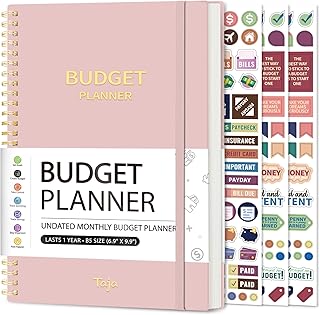
Budget Planner – Monthly Budget Book – $8.99 | ⭐ 4.6/5
This undated planner lets you track income, expenses, and bills month‑by‑month. The pink cover adds a touch of style, but the real value is the built‑in expense tracker that helps you see where every dollar goes. Use it to create sinking funds so your emergency fund stays untouched for real emergencies.

SKYDUE Budget Binder – $8.98 | ⭐ 4.7/5
A complete cash envelope system with zippered pouches and expense sheets. Perfect for those who prefer a physical, hands‑on approach to budgeting. Separate envelopes for “car repair,” “medical,” and “emergency fund” make it crystal clear when you’re crossing into emergency territory.
Both of these can be paired with the Budgeting 101 book for a deeper understanding of budgeting psychology.
Expert Insights: When to Say No to Yourself
Even with clear rules, the temptation to use your fund can be strong. Here’s how financial experts advise you to think before you withdraw:
- The 24‑Hour Rule: Wait one full day before making a withdrawal. Often the “urgency” fades.
- The “Would I Borrow Money for This?” Test: If you wouldn’t take out a loan for it, don’t touch your emergency fund.
- The Replacement Plan: Before you spend, outline how you’ll rebuild the money within 6‑12 months. If you can’t, the expense might not be an emergency.
For dual‑income families, the calculus changes because you have two income streams. Our article on How Dual‑income Families Should Structure Their Emergency Funds? explains how to size and allocate your fund when both partners work.
What If You’re Living Paycheck to Paycheck?
You can still have an emergency fund—just start small. A micro emergency fund of $500–$1,000 can cover a minor car repair or a copay without sending you into debt. Learn how to build that starter safety net in Micro Emergency Funds: a Starter Safety Net for People Living Paycheck to Paycheck.
Where to Keep Your Emergency Fund
Accessibility is key, but so is separation from your checking account. Best options:
- High‑yield savings account (HYSA) – easy access, earns some interest
- Money market account – slightly higher interest, check‑writing ability
- Cash‑only envelope (if you use a system like the SKYDUE binder) – puts a physical barrier on emotional spending
Avoid keeping emergency funds in stocks, retirement accounts, or under your mattress. For a full comparison, see Where to Keep Your Emergency Fund: Best Accounts for Safety and Access?.
Rebuilding After You Use It
Every time you tap your emergency fund, you must commit to rebuilding it. Treat it as a non‑negotiable line item in your budget. Allocate a fixed percentage of your income (e.g., 10%) or a specific dollar amount each month until you’re back to target.
Don’t forget that inflation eats away at your savings. Our piece on How Inflation Affects Your Emergency Fund and What to Do About It? offers strategies to keep your safety net strong in a rising‑cost environment.
If you’ve had a major crisis—job loss, medical debt, or disaster—read Rebuilding an Emergency Fund after a Job Loss or Major Crisis for a step‑by‑step recovery plan.
Frequently Asked Questions
Q: How do I know if an expense is a true emergency?
A: Use the “Can it wait 30 days?” test. If the answer is no and delaying it would cause harm (health, safety, or significant financial loss), it’s an emergency.
Q: Should I use my emergency fund for a new HVAC system?
A: Only if the old one fails completely and it’s summer or winter. Routine system replacement is a planned home improvement, not an emergency.
Q: Can I use part of my fund for a debt payment if I’m struggling?
A: Generally no. Your emergency fund is for new unexpected expenses, not for paying off old debt. Instead, look into debt consolidation or a side gig.
Q: What if I have multiple emergencies in one month?
A: Prioritize life‑threatening and shelter‑related ones. Then rebuild faster by cutting non‑essential spending until your fund is restored.
Q: How do freelancers handle irregular emergencies?
A: Freelancers should aim for a larger fund (9–12 months) and use a separate “tax set‑aside” account so emergency withdrawals don’t mix with taxes. See our dedicated guide for freelancers: Emergency Funds for Freelancers and Gig Workers with Unstable Income.
Final Thoughts
Using your emergency fund wisely is a skill. It requires honesty about what constitutes a true crisis, discipline to keep your budget tight, and planning to rebuild after you tap it. The right tools—like a budget planner or binder—can help you stay on track.
Remember: your emergency fund is not a savings account for all of life’s expenses. It’s your financial fire extinguisher. Use it only when the house is on fire.
Ready to separate your emergency fund from your goal savings? Read Emergency Fund vs. Savings for Goals: How to Separate and Prioritize to create a system that keeps both buckets safe.