 Insurance Curator
You’ve seen the Instagram posts: “Earn $5,000 a month while you sleep — just buy a rental property!” But the reality is far more layered. Rental properties are often sold as the ultimate passive income vehicle, yet anyone who actually owns them knows the “passive” part comes with strings attached.
This deep dive separates myth from reality. We’ll examine what true passive income means, how rental properties stack up, and — most importantly — how budgeting (yes, budgeting) becomes your best friend when you decide to play landlord. By the end, you’ll know exactly how much work is involved and whether real estate fits your lifestyle.
What “Passive Income” Actually Means
Passive income is earnings that require little to no daily effort to maintain. Think royalties, dividends, or automated digital product sales. The ideal is money that flows in while you focus on other things.
But here’s the catch: most passive income streams demand upfront capital, time, or skill. Rental properties are no exception. You need to acquire the property, finance it, set it up, and then — if you outsource property management — it can become somewhat passive. But “somewhat” is the key word.
Real estate, especially single-family rentals, sits on a spectrum between active and passive. Semi-passive Income: Systems That Need Some Work but Pay You for Years hits this nuance perfectly. So before you sign a mortgage, let’s look at what you’re really signing up for.
The Myth of the Sleeping Landlord
Pop quiz: What happens when a tenant calls at 2 AM because the toilet is overflowing? If you’ve outsourced to a property manager, you roll over and go back to sleep. If you haven’t, you’re grabbing a plunger.
The difference is budgeting. A property manager costs 8–12% of monthly rent. That’s a direct hit to your passive income. Many new landlords skip this to save money, only to find themselves on call 24/7.
So, is it passive? Only if you pay for the passivity. Otherwise, it’s a part-time job.
Budgeting for Rental Properties: The Overlooked Superpower
Most rental property analysis focuses on cap rates and cash flow. But the real dealbreaker? Your personal budget. If you don’t have a system to track expenses, set aside reserves, and plan for vacancies, your “passive” income can turn into a liability.
That’s where the right tools come in. Whether you’re a spreadsheet nerd or a binder fan, budgeting products keep you honest. Here are five affordable options from Amazon to get you started:
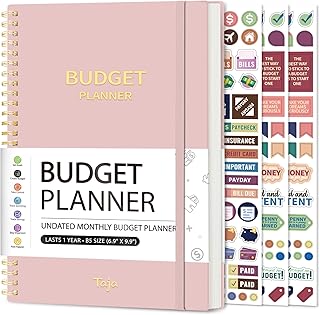
Budget Planner – Monthly Budget Book with Expense Tracker – $8.99 – Perfect for tracking rental income and expenses alongside your personal finances.

NICOOTH Budget Binder with Zipper Envelopes – $6.28 – Great for the cash envelope system to separate maintenance funds from profit.

SKYDUE Budget Binder – $8.98 – Includes expense budget sheets to track every repair and utility bill.

Budget Planner – Black – $8.99 – The same planner in a sleek black cover, ideal for the minimalist landlord.

Budgeting 101: From Getting Out of Debt to Building Savings – $9.69 – A primer that teaches you how to allocate funds for irregular expenses like property taxes and insurance.
These tools aren’t for decoration. Use them to budget for vacancies, capital expenditures, and unexpected repairs. That’s what separates profitable landlords from those who burn out.
How Passive Is Rental Property Ownership Really? A Timeline
Let’s break the workload into phases.
Phase 1: Acquisition (Very Active)
- Market research
- Property tours
- Financing applications
- Legal paperwork
This phase takes weeks to months and demands your full attention.
Phase 2: Setup & Renovation (Active)
- Repairs, cleaning, staging
- Tenant screening
- Lease signing
- Move-in inspections
You’ll spend weekends at the property unless you hire a project manager.
Phase 3: Ongoing Management (Semi-Passive to Passive)
- Rent collection
- Maintenance coordination
- Tenant communication
- Bookkeeping
With a property manager, this becomes truly passive. Without it, you’re looking at 5–10 hours per month per property. Multiply by multiple units and you have a part-time gig.
Phase 4: Exit (Active)
- Preparing for sale
- Repairs, staging, showings
- Closing process
So the passive income window is Phase 3 only — and only if you pay for management.
Hidden Costs That Eat Your Passive Income
Many investors calculate cash flow based on rent minus mortgage, taxes, and insurance. They forget:
- Vacancy – Budget 5–10% of rent for empty months.
- Repairs – Set aside 1% of property value per year.
- Property management fees – 8–12% of rent.
- HOA fees – Can be $100–$500/month.
- Leasing fees – One month’s rent when finding a new tenant.
- Accounting & legal – Tax prep and evictions.
If you don’t budget for these, your “passive income” can turn into negative cash flow. That’s why What Is Passive Income? Realistic Ways to Earn Money While You Sleep? warns against overestimating returns.
The Budgeting Mindset for Landlords
To succeed, treat your rental portfolio like a business. That means:
- Separate bank accounts for each property.
- Monthly reconciliation using a Budget Planner (like the pink one above).
- A cash reserve for emergencies (at least 3 months of expenses).
- Regular reviews of your expense ratios.
The Budgeting 101 book is a perfect place to start if you’ve never formalized your system. It teaches you to track every dollar — crucial when a single roof leak can wipe out months of profit.
Scaling: From One Property to a Portfolio
Once you have one rental running somewhat passively, the temptation is to buy more. But scaling multiplies the workload linearly unless you systematize.
Semi-passive investors often buy 2–4 properties and hire a part‑time assistant. The goal is to reach a point where management fees are paid by rental income, leaving you with net passive cash flow.
Here’s a rough table comparing effort levels:
| # Properties | Self-Managed Hours/Month | Managed Hours/Month |
|---|---|---|
| 1 | 8 | 2 |
| 3 | 24 | 4 |
| 10 | 80 (full-time job) | 10 |
The managed column assumes you pay a property manager. That 8–12% fee turns your time investment into a truly passive income stream — but only if the numbers still make sense.
Building Passive Income Streams with Index Funds and ETFs is another option that requires zero hours per month after initial setup. Compare that to even managed rentals and you’ll see why many investors diversify.
Tools to Automate Your Rental Business
Even if you self‑manage, technology can slash your effort.
- Rent collection apps – Automatic ACH transfers.
- Maintenance platforms – Tenants submit requests online; you dispatch vendors.
- Accounting software – Tracks income/expenses and generates tax reports.
- Smart locks & thermostats – Reduce emergency calls.
Automation is the bridge from active to passive. How to Use Automation Tools to Turn Active Income into Passive Income? explains this transformation in detail.
When Rental Properties Are NOT Passive (Red Flags)
We all love the idea of passive income, but Passive Income Pitfalls: Red Flags, Scams, and Overhyped Promises to Avoid is essential reading. Watch out for:
- “Turnkey” properties that need expensive repairs right away.
- Gurus promising 20% returns with zero work.
- Deals that don’t account for management fees.
- Markets with rent control or strict tenant laws.
If a seller says “you never have to lift a finger,” run. Even the best property manager needs occasional oversight.
Alternative: Semi-Passive Real Estate Models
If single‑family rentals feel too hands‑on, consider:
- REITs – Real Estate Investment Trusts trade like stocks. Zero management. Creating Digital Products for Passive Income is actually more passive than this because digital products don’t need human tenants.
- Short‑term rentals (Airbnb) – Higher income, but far more work unless you hire a co‑host.
- Syndications – Pool money with others; you’re a silent partner.
- Notes – Lend money secured by real estate; you earn interest.
Each has a different effort‑to‑return ratio. Match your style.
The Bottom Line: How Passive Is It Really?
Answer: Rental properties are semi‑passive at best — unless you’re willing to pay a property manager. Even then, you must budget for vacancies, maintenance, and the occasional crisis.
The key to making it work is budgeting. Use tools like the ones highlighted here to control your costs. Track every expense, set aside reserves, and never assume next month’s rent is guaranteed.
If you want true 100% passive income, real estate may not be your best bet. Dividend stocks, index funds, or digital products require less ongoing maintenance. But if you enjoy the tangible nature of property and don’t mind a few hours per month, rental properties can be a powerful wealth‑building machine.
Just don’t call it “money while you sleep” — it’s more like “money while you answer tenant texts from the beach.”
Frequently Asked Questions
1. Can rental properties really generate passive income?
Yes, but only if you hire a property manager and have a solid budget for expenses. Without management, you’ll spend several hours per month on operations.
2. What’s the biggest mistake new landlords make?
Underestimating costs. Many fail to budget for vacancies, repairs, and management fees, turning expected passive income into losses.
3. How much should I budget for maintenance on a rental?
Financial experts recommend setting aside 1% of the property’s value per year. For a $200,000 house, that’s $2,000 annually.
4. Is property management worth the cost?
If your goal is truly passive income, yes. The 8–12% fee buys freedom. But your property must still cash flow after that expense.
5. What’s the best way to track rental finances?
Use a dedicated budget planner or book. The Budget Planner – Pink ($8.99) and the SKYDUE Budget Binder ($8.98) are excellent low‑cost solutions.
6. How do I scale from one rental to multiple properties?
Systematize first: use automation tools, hire a part‑time assistant, and build cash reserves. Each new property should be profitable under managed assumptions.
7. What are better passive income alternatives to rentals?
Dividend stocks, index funds, digital products, and REITs all offer more hands‑off income. However, they typically have lower total return potential than well‑leveraged real estate.
8. Can I claim my rental losses on taxes?
Yes, within passive activity loss rules. Consult a CPA — real estate tax strategies are complex but powerful.
Ready to take control? Start with a simple budget binder like the NICOOTH Budget Binder and map out your real estate plan. The numbers don’t lie — but only if you track them.