 Insurance Curator
The perfect side hustle doesn’t just pay extra cash—it fits your natural abilities, respects your schedule, and aligns with your financial reality. Whether you’re looking to pay off debt, save for a vacation, or simply build a buffer, the right gig can transform your budget without breaking your spirit.
A common mistake is chasing what’s trending without checking if it matches your skills or lifestyle. That’s where budgeting comes in. Before you earn, you need to know where your money is going—and tools like the Budget Planner – Monthly Budget Book help you track expenses so you can decide exactly how much extra income you actually need. Let’s break down how to choose wisely.
Why Your Skills and Lifestyle Must Drive Your Choice
Every side hustle demands your time, energy, and often a small upfront investment. If your chosen gig clashes with your natural talents or drains your weekends, burnout is inevitable. Instead, use a simple three-step framework:
- Audit your existing skills – What do you do well that someone would pay for?
- Evaluate your lifestyle – How many hours can you realistically spare without sacrificing health or family?
- Budget your starting costs – Some hustles require zero cash; others need a small spend on tools or supplies.
Let’s walk through each step with real examples.
Step 1: Audit Your Skills – Hard vs. Soft
Start with a brutal self-assessment. List every skill you’ve gained from your day job, hobbies, or past education. Divide them into two buckets:
- Hard skills – Writing, graphic design, coding, bookkeeping, video editing, language translation.
- Soft skills – Communication, empathy, organization, teaching, negotiation.
Most side hustles fall into one of these categories. A hard skill like bookkeeping can lead to freelance accounting gigs, while a soft skill like patience can make you a top-rated pet sitter.
Quick Skill-to-Hustle Mapping Table
| Skill Type | Example Skill | Potential Side Hustle | Starting Cost |
|---|---|---|---|
| Hard | Writing | Freelance blogging | $0 (use free platforms) |
| Hard | Basic design | Canva templates | $0–$15/month |
| Soft | Organization | Virtual assistant | $0 |
| Soft | Empathy | Elderly companion | $0 |
| Both | Teaching | Online tutoring | $0–$50 (materials) |
Once you identify your strongest skill, you can filter out hustles that don’t play to your strengths.
Step 2: Evaluate Your Lifestyle – Time, Energy, and Family
Your lifestyle determines how much bandwidth you truly have. Be honest about your current obligations.
- Full-time employee (9–5) – You likely have evenings and weekends. Opt for gigs you can do in 10–15 hour chunks.
- Parent with young kids – Flexibility is everything. Look for hustles that allow you to pause and resume.
- Student – You need something that works around classes and exam periods. Micro-task platforms or tutoring can work.
- Retiree or part-timer – You may want social interaction more than high earnings. Consider pet sitting or tour guiding.
The key is realizing that a side hustle earning $20/hour but causing total exhaustion is actually a loss when you factor in your well-being.
Lifestyle vs. Hustle Fit – Examples
- Busy professional: Freelance writing or virtual assistant work fits evenings.
- Parent at home: Selling printables on Etsy or transcribing audio files works during naps.
- Unpredictable schedule: Platforms like Uber or TaskRabbit allow you to log in when you’re free.
For more detailed ideas, read our guide on Side Hustles for Busy Professionals: Ideas That Fit into a 9–5 Schedule.
Step 3: Budget Your Starting Costs – The Money Side
Now we get to the context that matters most: budgeting. Many side hustles require a small upfront investment. If your current budget is already tight, you need a hustle that costs little to nothing to start.
This is where the tools from Amazon can help you keep track of what you’re spending and earning.
For example, the NICOOTH Budget Binder Cash Envelopes A6 (Purple) costs just $6.28 and gives you a physical system to separate your side hustle income from your regular spending. That clarity prevents accidentally spending your start-up cash.
Minimal-Cost Side Hustles (Under $10 to Start)
- Freelance proofreading – $0 for a free profile on Upwork.
- Simple product reviews or user testing – $0.
- Affiliate marketing (beginner) – $0 if using free social media.
- Pet sitting – $0 (just word-of-mouth).
- Online tutoring on Chegg – $0.
If you have a small budget, consider investing in a planner like the SKYDUE Budget Binder ($8.98) to log income and expenses from day one.
Slightly Higher-Cost Hustles (Under $50)
| Side Hustle | Typical Startup Cost | Why |
|---|---|---|
| Selling handmade crafts | $20–$50 for materials | Inventory and packaging |
| Print-on-demand t-shirts | $0 (platform free) but need design software | Canva Pro ~$12/month |
| Bookkeeping services | $30–$50 for a month of QuickBooks | Software subscription |
Deep Dive: The Best Side Hustles for Different Skill-Lifestyle Combo
Let’s examine three common profiles and the exact hustle that works, plus how budgeting tools support success.
Profile A: The Analytical Introvert
- Skills: Spreadsheets, data analysis, attention to detail.
- Lifestyle: Works 9–5, lives alone, prefers solo tasks.
- Best hustle: Freelance bookkeeping or data entry.
- Budgeting tip: Use a Budget Planner – Monthly Budget Book (Black) ($8.99) to allocate your earnings to savings vs. spending. This hustle can bring in $25–$50/hour, so tracking it matters.
Profile B: The Creative Parent
- Skills: Writing, photography, social media.
- Lifestyle: Homeschooling two kids, limited uninterrupted time.
- Best hustle: Selling digital planners or printables on Etsy.
- Budgeting tip: Use a cash envelope binder like the NICOOTH Budget Binder to separate Etsy expenses from personal budget. Initial design software might cost $0 (Canva free version) or $12/month for Pro.
Profile C: The Retiree with People Skills
- Skills: Communication, patience, cooking.
- Lifestyle: Free mornings, enjoys socializing.
- Best hustle: Dog walking, senior companion, or cooking meal preps for neighbors.
- Budgeting tip: Your income may be irregular. Use the SKYDUE Budget Binder to track weekly cash flows. No startup cost.
Real Product Deep Dives: Tools That Help You Budget Your Side Hustle Income and Expenses
Here’s an exhaustive look at each Amazon product and how it supports your side hustle journey. These are not just planners—they are systems that protect your primary budget from side hustle chaos.
1. Budget Planner – Monthly Budget Book (Pink) – $8.99 – Rating 4.6
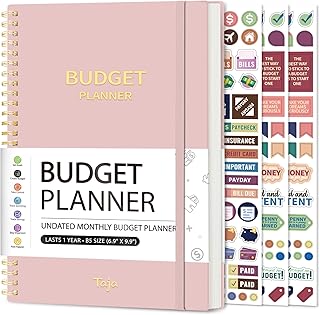
This undated planner is perfect for side hustlers who need a big-picture view. It includes expense trackers and bill organizers. Use it to log your freelance income and see exactly how much you’re earning per month.
Key feature: “Take control of your money” – ideal if you want to see if your side hustle is actually profitable after expenses.
2. NICOOTH Budget Binder Cash Envelopes A6 (Purple) – $6.28 – Rating 4.6

The cash envelope method works brilliantly for side hustles that involve cash payments—like pet sitting, yard work, or selling at farmer’s markets. You allocate envelopes for “side hustle expenses” (fuel, supplies) and “side hustle savings.” The A6 size fits easily in a bag.
Why it matters: When you separate physical cash, you’re less likely to dip into that money for regular bills.
3. SKYDUE Budget Binder – $8.98 – Rating 4.7

Rated highest at 4.7, this binder comes with zipper envelopes and expense budget sheets. Perfect for the digital freelancer who still wants a physical record. Write down each client payment and each software subscription cost.
Pro tip: Use the expense sheets to track deductions for tax time—a huge help come April.
4. Budget Planner – Monthly Budget Book (Black) – $8.99 – Rating 4.6

The black version of the same planner. The design is sleek and professional. It includes sections for goal setting—crucial for turning a side hustle into a reliable income stream. Set a monthly target, track your progress, and adjust.
Use case: Freelancers who need to see both personal and business finances in one book.
5. Book – “Budgeting 101: From Getting Out of Debt to Building Your Savings” – $9.69 – Rating 4.6

This Amazon #1 bestseller covers the fundamental principles of budgeting. If you’re new to managing money at all, this book will teach you how to allocate your side hustle earnings between debt repayment, savings, and fun money. It’s not a planner, but a mindset guide.
Perfect for: Complete budgeting beginners who want a solid foundation before diving into a hustles.
Comparison Table: Which Budgeting Tool Fits Your Side Hustle Style?
| Product | Price | Rating | Best For | Format |
|---|---|---|---|---|
| Budget Planner Pink | $8.99 | 4.6 | Visual trackers, monthly overview | Undated book |
| NICOOTH A6 Purple | $6.28 | 4.6 | Cash-based hustles, envelope system | Binder with envelopes |
| SKYDUE Binder | $8.98 | 4.7 | Expense sheets, tax prep | Binder with zipper slots |
| Budget Planner Black | $8.99 | 4.6 | Professional look, goal setting | Undated book |
| Budgeting 101 Book | $9.69 | 4.6 | Beginner education | Paperback |
Common Mistakes When Choosing a Side Hustle (and How Budgeting Fixes Them)
Mistake #1: Choosing based on earnings alone. A $100/hour gig that requires constant travel may actually net you less after costs. Use a budget tracker to calculate true hourly profit.
Mistake #2: Ignoring skill gaps. If you’re an introvert, don’t force sales calls. Pick a hustle that amplifies your existing strengths.
Mistake #3: Not allocating for taxes. Side hustle income is taxable. Set aside 25–30% of every payment. Use the Budget Planner (Pink) to create a “tax jar” page.
Mistake #4: Starting without a cash buffer. Some hustles require you to pay for supplies before getting paid. A budget binder helps you see if you have the cushion to float those costs.
For guidance on tax basics, read our post on Tax and Legal Basics for Side Hustles: What New Earners Need to Know.
How to Scale or Pivot Your Side Hustle Over Time
Once you’ve chosen a hustle and proven it works (say, after three months of consistent income), you may want to scale. But scaling requires a mindset shift—and a better budget.
- Raise prices: When demand exceeds your capacity, increase rates by 10–20% per quarter.
- Outsource: Hire a virtual assistant for admin work. This costs money, so track it in your planner.
- Expand: Add a second hustle if your schedule allows, but only after your first is stable.
Read more about scaling in Scaling a Side Hustle: When and How to Raise Prices, Outsource, or Expand.
Avoiding Burnout While Balancing Full-Time Work and a Side Hustle
Burnout is the number one reason side hustles fail. Set boundaries:
- Time block specific hours for your side hustle, and stick to them.
- Use a cash envelope system to separate hustle income from personal money—this reduces mental load.
- Take breaks: One day off per week is non-negotiable.
For deeper strategies, check out How to Avoid Burnout While Balancing a Full-time Job and a Side Hustle?.
Getting Started with Little to No Money Upfront
If your budget is truly zero, look at these zero-cost options:
- Freelance writing on Medium or LinkedIn
- User testing on UserTesting.com
- Selling old clothes on Poshmark
- Performing simple tasks on Amazon Mechanical Turk
- Transcribing for Rev (free application)
The Budgeting 101 book shows you how to turn even small earnings into a debt-payoff snowball. Start with a few hours per week and reinvest your first paycheck into a planner like the SKYDUE binder.
For a full list, read Side Hustles You Can Start with Little to No Money Upfront.
Side Hustles for Teens and College Students
Teens and students have unique constraints—limited transportation, no credit history, and class schedules. Great options include:
- Pet sitting (ask neighbors)
- Tutoring younger students
- Selling notes or study guides
- Taking online surveys (careful!)
- Doing yard work
Always prioritize safety. Read Side Hustles for Teens and College Students: Safe and Legit Ways to Make Money.
Final Checklist Before You Launch
- Does this hustle use a skill you genuinely enjoy?
- Can you fit it into your weekly schedule without sacrificing sleep or relationships?
- Do you have a budget tool (like a planner or binder) to track income and expenses?
- Have you set aside money for startup costs (if any)?
- Do you understand the tax implications? (See our tax guide linked above.)
If you answered yes to all four, you’re ready to begin. Start small, track everything, and watch your side income grow.
Frequently Asked Questions
What is the best side hustle for someone with no skills?
Start with tasks that require only reliability—like pet walking, house sitting, or simple data entry. Your “skill” is showing up on time.
How do I budget for a side hustle if I’m living paycheck to paycheck?
Use a cash envelope system like the NICOOTH Budget Binder to allocate even $10 toward startup costs. Focus on zero-cost hustles first.
Should I quit my job to focus on a side hustle?
No, not until your side hustle earns at least 3–6 months of your living expenses. Use a budget planner to track when that threshold is met.
How do I choose between online and offline side hustles?
Consider your lifestyle. Online hustles offer flexibility; offline gigs may pay more per hour. See Online Side Hustles vs. Offline Gigs: Which Earn More and Which Are Sustainable?.
Can parents with young kids do side hustles?
Absolutely. Focus on tasks you can pause, like freelance writing or selling printables. Our guide Side Hustles for Parents: Flexible Ways to Earn Around Family Life has more ideas.
How do I turn a side hustle into a reliable second income?
Consistency matters more than volume. Use a planner to set monthly income goals, reinvest earnings into better tools, and gradually raise your rates.