 Insurance Curator
 Finding cheap life insurance that still protects your family can feel like chasing a unicorn. You want peace of mind, but you also have a budget. The good news? You don’t have to choose between affordability and solid coverage — especially if you focus on term life insurance.
The key is knowing where to look, what to compare, and which features actually matter. According to a 2024 LIMRA study, nearly 40% of Americans overestimate the cost of term life by triple the actual amount. That means many people skip buying a policy because they think it’s too expensive, when in reality, a healthy 30-year-old can get a 20-year, $500,000 term policy for less than $30 per month.
In this guide, you’ll learn step-by-step tactics to secure life insurance cheap without cutting corners on benefits. We’ll break down everything from policy types to underwriting secrets, and even share expert-recommended resources to help you along the way.
Why Term Life Insurance Is the Best Foundation for Cheap Coverage
Term life is the most straightforward and affordable type of life insurance. You pay a fixed premium for a specific period (10, 15, 20, or 30 years), and if you die during that term, your beneficiaries receive a lump sum — tax-free. There’s no cash value or investment component, which keeps the cost low.
| Policy Type | Typical Monthly Cost (Age 35, $500k) | Coverage Duration |
|---|---|---|
| 20-year term | $25 – $35 | 20 years |
| Whole life | $200 – $400 | Lifetime |
| Universal life | $150 – $300 | Varies |
Term life insurance is the obvious choice for those seeking life insurance cheap while maximizing coverage. It’s pure protection at a fraction of the cost of permanent policies.
Expert Insight: “The average person can build a comprehensive safety net for their family using a 20-year term policy and still have room in their budget for other financial goals,” says certified financial planner Sarah Kim.
7 Proven Strategies to Find Cheap Life Insurance Without Losing Coverage
1. Compare Quotes From Multiple Carriers
Insurance rates vary wildly between companies. One insurer might charge $30/month for a standard risk class, while another wants $50 for the exact same coverage. Always shop around.
- Use online comparison tools (e.g., Policygenius, Zander, SelectQuote).
- Look at at least 5-7 quotes before making a decision.
- Make sure quotes are based on the same term length and face amount.
Real data: According to the American Council of Life Insurers, consumers who compare just three quotes save an average of 28% on their premiums.
2. Choose the Right Term Length
Longer terms cost more. If your biggest financial obligation is a 30-year mortgage, you may not need a 30-year term. A 20-year term could cover your mortgage payoff and kids’ college years at a much lower price.
- 10-year term: cheapest option, ideal for short debt periods.
- 20-year term: sweet spot for most families.
- 30-year term: premium jumps noticeably.
For example, a 40-year-old male could pay $35/month for a 20-year, $500k policy, but $55/month for 30-year — a 57% increase. Consider your exact needs and trim excess years to lower your life insurance cheap hunt.
3. Leverage Your Health Status Honestly
Your health is the biggest factor in pricing. A “preferred plus” rating can be half the cost of a “standard” rating. Improve your chances by:
- Quitting smoking at least 12 months before applying.
- Maintaining a healthy BMI.
- Controlling blood pressure and cholesterol.
- Avoiding high-risk hobbies (e.g., skydiving, scuba diving).
Tip: If you have minor health issues, look for companies that specialize in “simplified issue” term life — they often have looser underwriting and still offer competitive rates.
4. Use a Term Life Insurance Maturity Benefit
Some term policies offer a “return of premium” rider, but it’s expensive. Instead, consider a level term policy where premiums stay the same. Avoid any cash-value add-ons if you’re prioritizing cheap rates.
Example: A $250,000 term policy for a 30-year-old female in excellent health can cost as low as $16/month with a carrier like Ethos or Ladder. Adding a waiver of premium rider may bump it to $18 — still very affordable.
5. Adjust Your Coverage Amount Realistically
Don’t over-insure “just in case.” A good rule of thumb is 10–12 times your annual income plus outstanding debts. Use a needs calculator, but also be honest: do you really need $1 million if you have no dependents and a small mortgage?
- Minimum: Cover funeral costs ($10–15k) and any shared debt.
- Recommended: 10x income for young families.
- Maximum: Wealth transfer or estate planning goals.
Keeping the face amount lean directly reduces premiums and helps you find cheap life insurance without compromising core protection.
6. Pay Annually Instead of Monthly
Most insurers charge a small fee for monthly installments. Paying your premium yearly can save 5–10%.
- Set up an automatic annual payment from a high-interest savings account.
- Look for discounts for paperless billing and auto-pay.
This simple switch often reduces the total cost by $20–$40 per year on a standard policy.
7. Buy Young and Lock In Low Rates
Age is the single most uncontrollable factor. A 25-year-old can buy a 30-year term for about $22/month for $500k. At age 45, the same policy jumps to $70+ per month.
If you’re still in your 20s or early 30s, don’t wait. The cheapest life insurance you’ll ever get is right now. Even a small policy now can be upgraded later as your income grows.
Common Mistakes That Raise Your Term Life Insurance Costs
Avoid these pitfalls when shopping for life insurance cheap:
- Not checking the financial strength of the carrier – A cheap policy is worthless if the company can’t pay claims. Look for A.M. Best ratings of A or higher.
- Overlooking conversion options – Some low-cost term policies allow you to convert to permanent later without a new medical exam. This flexibility can be valuable.
- Choosing the shortest term possible – While cheaper, a 10-year term may leave you uninsured too soon. Balance cost with coverage duration.
- Ignoring the medical exam – “No-exam” term life policies are more expensive than exam-based ones. Take the exam if you’re healthy; it will save you money.
How to Read a Life Insurance Policy Quote Like a Pro
When you receive a quote, check these elements:
| Element | What It Means |
|---|---|
| Annual premium | Total yearly cost (look for guaranteed level vs. increasing) |
| Term length | Number of years coverage is in effect |
| Face amount | Death benefit paid to beneficiaries |
| Riders | Optional add-ons (e.g., accidental death, waiver of premium) |
| Underwriting class | Preferred Plus, Preferred, Standard, etc. |
Compare apples to apples: same term length, same face amount, same underwriting class. Only then can you truly determine which carrier offers the best cheap life insurance package.
Recommended Resources to Master Life Insurance Basics
Before you buy, arm yourself with knowledge. The following books are excellent deep dives into how life insurance really works — and how the wealthy use it to build tax-free wealth. But even for basic term coverage, understanding the mechanics helps you negotiate better prices.
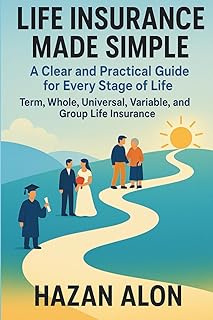
Life Insurance Made Simple (rated 4.8 stars) breaks down term vs. whole life, how to calculate your coverage needs, and common pitfalls. It’s ideal for first-time buyers who want a clear, no-jargon guide.

Life Insurance 101 (4.1 stars) is a condensed primer that explains policy types, riders, and the claims process in under 150 pages. Perfect for reading in an afternoon before comparing quotes.
Both books are referenced in real-life reviews as “essential reads for anyone buying their first policy.” You can find them on Amazon for under $15 each.
Comparison Table: Top Life Insurance Books for Consumers
| Product | Price | Rating | Key Focus | Buy Link |
|---|---|---|---|---|
|
$34.99 | 4.8 | Comprehensive guide for all stages | Buy at Amazon |
|
$14.95 | 4.1 | Quick basics & terminology | Buy at Amazon |
Internal Linking: Related Topics from This Content Cluster
To build a complete understanding of life insurance cheap, explore these additional resources on our site:
- Cheap Life Insurance for Young Adults: Affordable Options for 2025
- The Cheapest Life Insurance Plans: Term vs. Permanent
- 5 Tips to Get Cheap Life Insurance Rates Even with Health Issues
- Is Cheap Life Insurance Really Reliable? What You Need to Know?
Each article dives deeper into specific angles, from age-based strategies to handling pre-existing conditions.
Frequently Asked Questions About Cheap Life Insurance
How much does term life insurance cost per month for a healthy 30-year-old?
A healthy 30-year-old can typically get a 20-year, $500,000 term policy for between $20 and $30 per month. Rates vary by gender, location, and carrier, but this range is standard for preferred plus health.
Can I get cheap life insurance without a medical exam?
Yes, but you’ll pay more. No-exam term policies often cost 30–50% more than exam-based ones. If you’re in decent health, taking the paramedical exam is almost always the cheaper route.
What is the best term length for a family with young children?
Most financial planners recommend a 20-year term if your youngest child is under 10. That covers the years until they become financially independent. A 30-year term only makes sense if you also have a long mortgage or special-needs dependents.
Do I need a rider for critical illness on my term policy?
Critical illness riders add cost. They pay a lump sum if you’re diagnosed with a covered condition. For pure cheap life insurance, skip the rider and consider a separate critical illness policy if needed — often more cost-effective.
Final Takeaway: You Can Have Both Affordability and Solid Coverage
Cheap life insurance doesn’t mean flimsy. By sticking with term life insurance, comparing quotes, optimizing your health rating, and buying at the right age, you can secure tens of thousands — even millions — in coverage for less than the cost of a streaming subscription.
Remember: the cheapest policy is the one that fits your budget and stays in force when your family needs it. Follow the strategies above, read a good guide like Life Insurance Made Simple, and always double-check the fine print.
Start your comparison today — your future self (and your beneficiaries) will thank you.