 Insurance Curator
 Finding affordable coverage when you have a pre-existing condition can feel impossible. But cheap life insurance isn’t a myth—even for people managing diabetes, heart disease, or other chronic conditions. The key is knowing where to look and how to position yourself.
Term life insurance remains the most cost-effective way to protect your family. With the right strategy, you can secure low rates regardless of your medical history. This guide reveals five proven tips to get affordable term life insurance when you have health issues.
We’ll also recommend essential resources, like Life Insurance 101: The Basics of Life Insurance Explained and Life Insurance Made Simple: A Clear and Practical Guide for Every Stage of Life, to help you make informed decisions.
1. Shop Around and Compare Multiple Carriers
One of the biggest mistakes people make is applying with only one insurance company. Each carrier uses its own underwriting guidelines, so a condition that spikes rates with one company might be negligible with another.
- A 2024 survey found that rates for the same health profile can vary by over 40% between top insurers.
- Some carriers specialize in “impaired risk” underwriting and are more lenient with conditions like high blood pressure or sleep apnea.
Pro tip: Always request quotes from at least five different companies. Use an online comparison tool or work with an agent who can run multiple quotes simultaneously.
When comparing, focus on level term life insurance policies—these lock in your premium for the entire term (10, 20, or 30 years). Avoid jumping at the first “cheap” offer; check the financial strength ratings (A.M. Best, S&P) of the carrier to ensure they’ll be around to pay your claim.
2. Work with an Independent Agent Who Specializes in Impaired Risk
A general insurance agent may not know which companies favor your specific condition. Impaired risk specialists have deep knowledge of how different underwriters treat:
- Diabetes (Type 1 and Type 2)
- Heart disease, heart attacks, or bypass surgery
- Cancer (many insurers offer standard rates after a 5-year symptom-free period)
- Mental health conditions (anxiety, depression)
- Obesity (BMI over 30)
An independent agent isn’t tied to one carrier, so they can shop your case to 20+ companies. They also know how to “paper the file” properly—presenting medical records in a way that highlights stability rather than risk.
Expert insight: “Many clients come to me after being declined or rated high by a direct-to-consumer website. I often find them a policy 50% cheaper simply by matching them to the right carrier.” – Senior underwriter with 20 years of experience.
If you don’t have an agent, ask for referrals from your doctor or local financial planner. Alternatively, use the resource Life Insurance 101: The Basics of Life Insurance Explained to understand the terminology before speaking with an agent.

3. Optimize Your Health and Lifestyle Before Applying
Even if you have a chronic condition, insurers look at how well you manage it. A few simple changes can significantly lower your premium.
What insurers love to see:
- Consistent medication compliance – No lapses in filling prescriptions.
- Stable readings – Blood pressure under 140/90, A1C below 7.5 for diabetics.
- Healthy lifestyle – Non-smoker, moderate alcohol use, regular exercise (even walking 30 minutes daily).
- Normal weight range – Losing 10–15 pounds can reduce rates, especially if you’re overweight.
Action step: Get a comprehensive physical exam six months before you plan to apply. If your numbers are borderline, your doctor can help you improve them.
Some insurers offer “preferred plus” rates to people who demonstrate excellent control of their condition. For example, a well-managed asthmatic who exercises regularly may qualify for standard rates instead of substandard ratings.
Sample premium impact (20-year term, $500,000 coverage for a 45-year-old male):
| Health Profile | Monthly Premium |
|---|---|
| Preferred Plus (excellent health) | $45 |
| Standard (well-managed diabetes) | $65 |
| Substandard (poorly controlled hypertension) | $95 |
| Table Rating (multiple conditions) | $130+ |
Even small improvements can save you thousands over the life of the policy.
4. Choose the Right Type and Term Length
Not all term life insurance policies are created equal. Selecting the correct term length can mean the difference between cheap and very expensive.
- Shorter terms (10–15 years) – Cheapest rates. Use this if you only need coverage until your mortgage is paid off or kids graduate.
- Longer terms (20–30 years) – Higher premiums but lock in rates while you’re relatively younger. Ideal for families with young children.
Avoid these traps:
- Annual renewable term – Starts cheap but premiums rise each year. Over 10 years it can cost more than a level term policy.
- Return-of-premium term – You get your money back at the end, but premiums can be 2–3 times higher than standard term.
For most people with health issues, a 20-year level term offers the best balance of affordability and coverage duration. If you can’t qualify for standard term, consider simplified issue or guaranteed issue (Tip 5).
If you’re a young adult, check our guide: Cheap Life Insurance for Young Adults: Affordable Options for 2025. It explains how to lock in low rates before health problems escalate.
5. Consider Guaranteed Issue or Simplified Issue as a Last Resort
If your health condition is severe (e.g., recent cancer diagnosis, Stage 3 kidney disease, or multiple past hospitalizations), you might not qualify for traditional term life insurance. That doesn’t mean you’re out of options.
Simplified Issue
- No medical exam required.
- You answer a few health questions.
- Premiums are higher than fully underwritten policies but lower than guaranteed issue.
- Coverage limits are typically $100,000–$300,000.
- Good for people with minor to moderate health issues (e.g., well-controlled diabetes, mild COPD).
Guaranteed Issue
- No health questions at all.
- Everyone who applies is accepted, usually for coverage up to $25,000–$50,000.
- Very expensive for the amount of coverage.
- Often includes a graded death benefit (if you die within 2–3 years, beneficiaries get back only premiums paid).
When to use these: If you have no other option and need at least a small amount of coverage for final expenses. For larger coverage, try to improve your health and reapply later.
Remember, cheap life insurance doesn’t exist when you’re extremely high risk. But you can still find affordable term life insurance by exploring all avenues. For a deeper dive, read The Cheapest Life Insurance Plans: Term vs. Permanent.
Essential Resources to Master Life Insurance
Understanding the ins and outs of policy types, riders, and underwriting will help you negotiate better rates. The following books are highly rated on Amazon and provide clear, practical guidance.
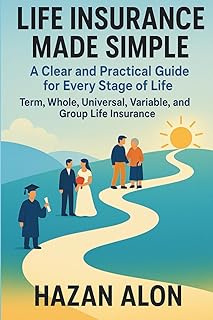
Life Insurance Made Simple: A Clear and Practical Guide for Every Stage of Life (Rating: 4.8) breaks down complex topics into everyday language. It’s perfect for someone with health issues because it explains how to approach insurers and what questions to ask.
Life Insurance 101: The Basics of Life Insurance Explained (Rating: 4.1) covers everything from term vs. whole life to how smoking rates affect premiums. It includes a chapter on securing coverage with pre-existing conditions.
Comparison of Top Life Insurance Books
| Feature | Life Insurance Made Simple | Life Insurance 101 |
|---|---|---|
| Price | $34.99 | $14.95 |
| Rating | 4.8 (34 reviews) | 4.1 (8 reviews) |
| Focus | Practical guide for every life stage | Foundational basics |
| Health conditions covered | Yes (chapter on high-risk applicants) | Yes |
| Page count | 220 pp | 150 pp |
| Best for | Families, seniors, or anyone with health issues | Beginners wanting a quick overview |
| Buy at Amazon | Buy Now | Buy Now |
Both are affordable investments that pay for themselves if they help you save even 2% on your premium.
Common Questions About Cheap Life Insurance with Health Issues
1. Can I get term life insurance with high blood pressure?
Yes. Many insurers offer standard or even preferred rates if your blood pressure is under control (below 140/90) with medication. Avoid salt, exercise, and take your meds consistently before applying.
2. Is cheap life insurance really reliable?
Absolutely—as long as you buy from a financially sound carrier. Check our Is Cheap Life Insurance Really Reliable? What You Need to Know? guide for red flags to avoid.
3. What if I’ve been declined before?
Don’t give up. Each carrier has different guidelines. After being declined, wait 6–12 months while improving your health, then reapply with a different company. An independent agent can pre-screen you.
4. How does a “table rating” affect my premium?
Insurers use table ratings (A through H or numerical) for higher-risk cases. Each table adds about 25% to 50% to the standard premium. For example, standard rate might be $100/month, Table 2 would be $200/month. Still, it’s cheaper than guaranteed issue.
5. Can I lower my rate after I buy the policy?
If your health improves dramatically (e.g., you lose 50 pounds or stop smoking), some policies allow you to request a re‑underwriting after the first year. You’ll need to provide updated medical records.
6. Do I need a medical exam for cheap term life?
Most cheap term life insurance policies require a paramedical exam. However, some companies offer “no‑exam” term policies for younger, healthier people. If you have health issues, the exam works in your favor because it shows you’re stable.
Summary: You Can Afford Term Life Insurance with Health Issues
Getting cheap life insurance when you have health problems requires patience, strategy, and the right resources. Follow these five tips:
- Shop around – Compare multiple carriers.
- Work with an impaired risk specialist – They know which companies say “yes.”
- Optimize your health – Small changes can lower your premium tier.
- Choose the right term – Match the length to your financial needs.
- Use alternative products – Simplified or guaranteed issue as a safety net.
Don’t let a diagnosis stop you from protecting your family. Use the books Life Insurance Made Simple and Life Insurance 101 to become a savvy consumer. And remember, the best time to buy term life insurance is now—while you’re still healthy enough to lock in a great rate.
For more strategies, read How to Find Cheap Life Insurance Without Sacrificing Coverage?. Your future self—and your beneficiaries—will thank you.