 Insurance Curator
Your credit score can feel like a mysterious three-digit number that holds the keys to your financial life. Whether you want to rent an apartment, buy a car, or even land a dream job, that number often decides your fate. But here’s the good news: credit scores aren’t magic. They follow clear rules, and once you understand them, you can take control.
Budgeting is the single most powerful tool to build and protect your credit score. In this deep dive, we’ll unpack every layer of credit scores, from how they’re calculated to why they matter so much. We’ll also show you exactly how smart budgeting habits can boost your score, and we’ll include practical products to help you stay on track.
By the end, you’ll know exactly what your credit score says about you—and how to make it say “low risk, high trust.”
What Is a Credit Score?
A credit score is a three-digit number (usually between 300 and 850) that predicts how likely you are to repay borrowed money. Lenders, landlords, insurers, and even employers use it to gauge your financial reliability.
The score is derived from information in your credit reports, which are maintained by the three major credit bureaus: Equifax, Experian, and TransUnion. Your score changes as your financial behavior changes—paying bills on time raises it, missing payments lowers it.
Why Three Digits Carry So Much Weight
Think of your credit score as a quick summary of your borrowing history. It compresses years of payment patterns, debt levels, and account ages into one number. That simplicity makes it incredibly useful for decision-makers. A high score means you’re a low risk; a low score signals potential trouble.
But here’s the kicker: your credit score is not fixed. It responds to your actions. That’s why budgeting is the ultimate credit-score booster.
Why Your Credit Score Matters
Your credit score influences far more than whether you get approved for a loan. It touches almost every major financial decision.
Loans and Interest Rates
A low score can cost you thousands in extra interest. For example, a 30-year mortgage at 7% interest on a $300,000 loan costs about $718,000 in total payments with a good score—but with a poor score and a 9% rate, that number jumps to nearly $869,000. A 150-point score difference can cost you $150,000 or more over a lifetime.
| Credit Score Range | Typical Mortgage Rate (30-year fixed) | Monthly Payment on $300,000 |
|---|---|---|
| 760-850 | 6.5% | $1,896 |
| 700-759 | 7.0% | $1,996 |
| 640-699 | 8.0% | $2,201 |
| 580-639 | 9.5% | $2,522 |
Renting a Home
Landlords routinely run credit checks. A score below 620 often means a denied application or a higher security deposit. If you’re planning to move, your credit score can determine where you live.
Insurance Premiums
Many auto and homeowners insurance companies use credit-based insurance scores to set rates. A lower credit score can increase your premiums by 50% or more. In some states, drivers with poor credit pay nearly twice as much as those with excellent credit.
Employment Opportunities
Some employers, especially in finance or government, review credit reports as part of background checks. A poor score may raise concerns about responsibility or financial stress.
Utilities and Cell Phone Plans
Utility companies and mobile carriers often require deposits from customers with low credit scores. That upfront payment can be hundreds of dollars—money you’d rather keep in your savings.
Your credit score is not just about borrowing. It’s about your overall financial health and the opportunities available to you.
How Credit Scores Are Calculated
The most widely used scoring model is FICO® Score, followed by VantageScore®. Both use similar factors, though their weightings differ slightly. We’ll focus on FICO because it’s used in 90% of lending decisions.
The Five Factors (FICO)
| Factor | Weight | What It Measures |
|---|---|---|
| Payment History | 35% | Whether you pay bills on time. Late payments, collections, bankruptcies hurt. |
| Amounts Owed | 30% | Your credit utilization ratio—how much of your available credit you’re using. |
| Length of Credit History | 15% | How long your accounts have been open. Older accounts help. |
| New Credit | 10% | How many recent inquiries or new accounts you have. Too many can lower your score. |
| Credit Mix | 10% | Variety of account types (credit cards, mortgages, auto loans, etc.). |
Payment History (35%)
This is the most important factor. One late payment can drop your score by 60–110 points, depending on how late it is and your starting score. Payment history includes credit cards, installment loans, retail accounts, and even some utility bills if reported.
Amounts Owed (30%)
Your credit utilization ratio is the percentage of your total credit limit you’re using. For example, if you have a $10,000 total credit limit and carry $3,000 in balances, your utilization is 30%. Experts recommend keeping it below 30%—and under 10% for an excellent score.
Length of Credit History (15%)
Longer credit histories are generally better. This factor considers the age of your oldest account, your newest account, and the average age of all accounts.
New Credit (10%)
Every time you apply for credit, a hard inquiry appears on your report. Too many inquiries in a short period can signal risk. However, rate shopping for mortgages or auto loans is treated as a single inquiry within a 14-45 day window.
Credit Mix (10%)
Having a mix of revolving credit (credit cards) and installment credit (loans) can boost your score, but it’s not essential. Focus on responsibly managing what you have.
VantageScore Differences
VantageScore 4.0 also gives heavy weight to payment history (41%) and credit utilization (20%). But it can score you even if you have very little credit history—as long as you have at least one account open for 3 months.
Credit Score Ranges: What Each Number Means
Credit scores fall into broad categories. Knowing where you stand helps you set realistic goals.
| Score Range | Rating | What It Means for You |
|---|---|---|
| 800–850 | Exceptional | Best rates and terms. Lenders compete for your business. |
| 740–799 | Very Good | Above-average scores; qualify for nearly all loans. |
| 670–739 | Good | Average range. You’ll get approved but may not get the lowest rates. |
| 580–669 | Fair | Subprime territory. Higher rates, deposits required, limited approvals. |
| 300–579 | Poor | Significant risk. Likely denied for most credit products without a cosigner. |
Most Americans fall in the 670–739 range. The average FICO score in the U.S. is 716 as of 2024.
How Budgeting Improves Your Credit Score
Budgeting is the foundation of good credit. Without a clear spending plan, it’s easy to overspend and miss payments. Here’s how a solid budget directly impacts each credit-scoring factor.
1. Never Miss a Payment
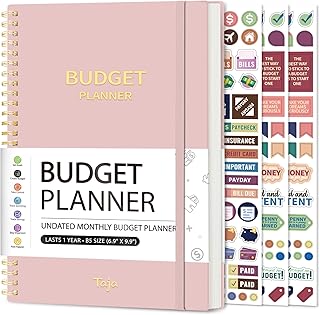
A budget ensures you allocate money for bills before discretionary spending. Use a Budget Planner to track due dates and avoid late fees. Try the Budget Planner – Monthly Budget Book with Expense Tracker Notebook – it’s undated, so you can start any month. With a 4.6-star rating and a price of just $8.99, it’s an affordable way to stay organized.
2. Lower Your Credit Utilization
When you plan expenses, you avoid carrying high credit card balances. A lower utilization rate (under 30%) directly improves the “Amounts Owed” factor. The SKYDUE Budget Binder helps you allocate cash into envelopes for categories like groceries, gas, and entertainment. Its 4.7-star rating and $8.98 price make it a no-brainer for anyone struggling with credit card reliance.

3. Build an Emergency Fund
Unexpected expenses are the #1 reason people miss payments. A budget helps you set aside savings. Even $20 a week adds up. The NICOOTH Budget Binder (A6 size with zipper envelopes) is compact enough to carry everywhere, making it easy to track savings goals. It’s only $6.28 and has a 4.6-star rating.

4. Avoid New Hard Inquiries
When you’re on a strict budget, you’re less tempted to apply for store credit cards or payday loans. Every unnecessary inquiry dings your score temporarily. A well-planned budget reduces impulse credit applications.
5. Increase Credit History Length
Budgeting encourages you to keep old accounts open and active. Closing a long-held credit card can shorten your credit history and raise your utilization. Instead, use that card for a small recurring expense (like Netflix) and pay it off monthly—your budget ensures you have the funds.
For a comprehensive guide on mastering budgets, grab Budgeting 101: From Getting Out of Debt and Tracking Expenses to Setting Financial Goals – it’s packed with actionable steps and costs only $9.69 (4.6 stars).

Pro tip: Pair a budget binder with a simple spreadsheet or app for maximum control. The physical act of writing down expenses has been shown to reduce overspending by 20% or more.
Common Credit Score Myths That Keep People Stuck
Many people believe misconceptions that prevent them from improving their scores. Let’s bust the biggest ones.
Myth #1: Checking Your Score Hurts It
False. Checking your own credit score is a soft inquiry and has zero impact on your score. Only hard inquiries from lenders when you apply for credit can cause a minor, temporary dip. Learn more about How to Check Your Credit Score and Report Without Hurting It.
Myth #2: You Need to Carry a Balance to Build Credit
False. Carrying a balance does not help your score. It only costs you interest. Paying your statement balance in full each month builds credit just as effectively—and keeps your utilization low.
Myth #3: Closing a Card Improves Your Score
False. Closing a credit card reduces your total available credit, which increases your utilization ratio. It also shortens your credit history. Unless the card has an annual fee you can’t justify, keep it open.
Myth #4: Income Affects Your Score
False. Your credit report does not include your income. However, lenders consider debt-to-income ratio when approving loans, but that’s separate from your credit score.
Myth #5: Only Credit Cards Build Credit
False. Many types of accounts build credit: auto loans, mortgages, student loans, and even rent payments—if reported. New services like Experian Boost allow you to add utility and telecom payments.
For a full debunking, read Credit Score Myths That Keep People Stuck with Bad Credit.
Action Plan: Boost Your Credit Score in 90 Days
Your budget is your blue print. Follow this step-by-step plan.
Step 1: Know Your Starting Point
Get your free credit score from a reputable site (Credit Karma, Credit Sesame, or from your bank). Also check your credit reports at AnnualCreditReport.com – you get one free report from each bureau every 12 months. Look for errors like accounts you didn’t open or incorrect payment statuses. Dispute any inaccuracies.
Step 2: Set Up a Zero-Based Budget
Use a tool like the Budget Planner – Monthly Budget Book with Expense Tracker Notebook black version (same features, just a black cover). Allocate every dollar you earn to a category—expenses, savings, debt repayment. Zero-based budgeting ensures you don’t accidentally miss a payment.

Step 3: Pay All Bills on Time
Set up automatic payments for at least the minimum due. You can also use calendar reminders. The Budgeting 101 book explains how to prioritize payments when money is tight.
Step 4: Reduce Credit Utilization
Pay down credit card balances. Aim for under 30% utilization this month, under 10% next month. If you can’t pay in full, make multiple small payments throughout the month to keep balances low.
Step 5: Limit New Credit Applications
Don’t apply for credit unless absolutely necessary. Each hard inquiry can shave 5–10 points off your score. If you’re rate shopping for a loan, do it within a 2-week window to avoid multiple hits.
Step 6: Keep Old Accounts Open
Use your oldest credit card once every 3–6 months for a small purchase, then pay it off. This maintains activity without raising your utilization.
Step 7: Become an Authorized User
Ask a trusted family member or friend with excellent credit to add you as an authorized user on their card. Their positive payment history will appear on your credit report, boosting your score (as long as they use the card responsibly).
Step 8: Monitor Progress
Check your score monthly. See how your budget adjustments translate into points. Celebrate small wins—like paying off a credit card or lowering utilization by 5%.
For deeper dives into specific strategies, check out:
- Proven Ways to Improve Your Credit Score in 90 Days
- How Credit Utilization Works and Why It Can Make or Break Your Score
- Building Credit from Scratch: Strategies for Students and Newcomers
- How Late Payments, Collections, and Defaults Actually Impact Credit Scores
- Using Credit Cards Wisely to Build Credit Without Going into Debt
- How to Recover Your Credit Score after Bankruptcy or Serious Delinquency
- Rent, Utilities, and Subscriptions: What Really Counts Toward Your Credit Score
Frequently Asked Questions About Credit Scores
1. What is a good credit score?
A FICO score of 670 or higher is considered “good.” Scores above 740 are “very good,” and above 800 are “exceptional.”
2. How often do credit scores update?
Your credit score updates whenever new information appears on your credit report. This can happen weekly or monthly, depending on when your lenders report to the bureaus.
3. Does checking my credit score lower it?
No. Checking your own score through a free service or your bank is a soft pull and does not affect your score.
4. Can I build credit without a credit card?
Yes. Installment loans (student loans, auto loans), rent reporting services, and services like Experian Boost (which adds telecom and utility payments) can help build credit.
5. How long do late payments stay on my credit report?
Late payments remain for 7 years from the original delinquency date. The impact fades over time, especially if you make on-time payments afterward.
6. Is it better to close unused credit cards?
No. Closing a credit card reduces your total available credit and can shorten your credit history, both of which may lower your score. Keep the card open and use it occasionally.
7. How quickly can I raise my credit score 100 points?
It depends on your starting point. If you have late payments, catching them up and paying down credit utilization can yield a 50–100 point jump within 1–3 months. More severe issues like collections take longer.
8. Does your credit score affect car insurance rates?
Yes. Many insurers use credit-based insurance scores. Drivers with poor credit pay significantly higher premiums than those with good credit.
9. Can I remove accurate negative items from my credit report?
Only time or a valid dispute can remove accurate negative information. However, you can ask creditors for a “goodwill deletion” if you’ve since become a reliable customer.
10. What’s the difference between FICO and VantageScore?
FICO and VantageScore are the two major scoring models. FICO is used more heavily in mortgage lending. VantageScore can score people with shorter credit histories. Both emphasize payment history and credit utilization.
Your credit score isn’t a mystery anymore. It’s a reflection of your financial habits—especially your ability to budget effectively. By tracking your income and expenses with tools like the Budget Planner or SKYDUE Budget Binder, you can stay on top of bills, reduce debt, and watch your score climb.
Start today. Pick up a budget binder, read Budgeting 101 for deeper strategies, and implement the 90-day plan. Your future self—with lower interest rates, cheaper insurance, and more housing options—will thank you.