 Insurance Curator
Your 20s are a financial paradox. You have more freedom than you’ll ever have again—yet the choices you make right now can either build generational wealth or chain you to regret. The difference? A simple budget.
Budgeting isn’t about restriction. It’s about direction. According to a 2023 survey by the Federal Reserve, nearly 40% of young adults carry credit card debt month-to-month. That kind of habit, left unchecked, can cost you hundreds of thousands in lost compound returns by retirement.
To avoid that fate, you need a system. And the best place to start is with a tool that makes tracking painless. Check out the Budget Planner – Monthly Budget Book with Expense Tracker Notebook, Undated Bill Organizer & Finance Planner to Take Control of Your Money, Account Book to Manage Your Finances-Pink — a top-rated, beginner-friendly physical planner that’s helped thousands take control.
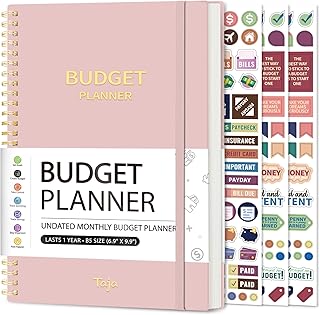
In this guide, you’ll learn the money moves that save you from decades of regret—and the exact steps to build a budget that works.
Why Your 20s Are the Most Important Decade for Budgeting
Compound interest rewards the young. A dollar invested at age 25 has roughly 40 years to grow. The same dollar invested at 35 has only 30. That decade gap can mean a 60% difference in final balance at retirement.
But compound interest also works against you. Credit card debt that carries a 22% APR will double in just over three years if you only pay the minimum. In your 20s, those small debts snowball into monstrous regret.
Habits formed before 30 stick. Behavioral economists call this the “salience” period. The budgeting habits you build now become automatic. If you learn to track every dollar, you’ll likely keep that habit for life. If you ignore it, you’ll spend your 30s and 40s playing catch-up.
That’s why the NICOOTH Budget Binder Cash Envelopes A6 Money Saving Binder with Zipper envelopes (Purple) is a perfect starting tool for visual learners. The cash envelope system makes spending tangible—and that tactile feedback rewires how you think about money.

The Biggest Budgeting Mistakes That Lead to Lifetime Regret
1. Ignoring Your Budget Completely
Nearly 60% of Americans under 30 don’t have a written budget. They rely on mental accounting, which fails because memory is fallible. Without a budget, you’re flying blind. You overspend on dining out, under-save for emergencies, and end up with nothing for the long term.
2. Lifestyle Inflation Before Savings
Your first job out of college pays $50,000. You feel rich. So you upgrade your apartment, buy a new car, and eat out every night. That’s lifestyle inflation. It’s the #1 reason high earners feel broke. Instead, keep your expenses flat for two years after every raise, and funnel the extra cash into investments.
3. Not Building an Emergency Fund
A 2023 Bankrate survey found that 57% of adults can’t cover a $1,000 emergency with savings. If a car repair or medical bill hits, you’ll turn to credit cards. That’s how a $500 problem becomes a $5,000 debt. Your 20s are the cheapest time to build a 3-6 month safety net.
4. Using Credit Cards Like Free Money
Revolving debt is the silent killer of wealth. The average credit card APR is now over 22%. If you carry a $3,000 balance and pay only the minimum, you’ll spend over $4,000 in interest before you pay it off. That’s a year’s worth of vacation money, gone.
For a deeper look at common pitfalls, read How to Fix a Broken Budget: Signs It’s Not Working and What to Change?.
How to Create Your First Budget: A Step-by-Step Blueprint
Step 1: Track Your Income and Expenses
For one month, write down every dollar you earn and spend. Use a notebook, spreadsheet, or the SKYDUE Budget Binder, Money Saving Binder with Zipper Envelopes, Cash Envelopes and Expense Budget Sheets for Budgeting. This binder (rated 4.7 stars) comes with pre-printed sheets that make tracking effortless.

Step 2: Choose a Budgeting Method
There’s no one-size-fits-all. Below are three proven methods. Pick the one that aligns with your personality.
| Method | Best For | How It Works |
|---|---|---|
| 50/30/20 | Simplicity seekers | 50% needs, 30% wants, 20% savings |
| Zero-based | Control freaks | Every dollar assigned to a category, income minus expenses = $0 |
| Envelope system | Overspenders | Cash divided into envelopes for each category, no overspending allowed |
For a detailed breakdown, see Zero-based Budgeting Explained: a Simple Method to Tell Every Dollar Where to Go and Envelope Budgeting vs. Budgeting Apps: Which System Actually Works Better?.
Step 3: Set Realistic Goals
Your budget isn’t a punishment—it’s a plan for the life you want. Set three goals:
- Short-term (3 months): Build a $1,000 emergency fund.
- Medium-term (1-3 years): Save for a down payment or travel.
- Long-term (10+ years): Invest 15% of income for retirement.
Step 4: Use the Right Tools
Physical planners help many people stay consistent because they force intentionality. The Budget Planner – Monthly Budget Book with Expense Tracker Notebook, Undated Bill Organizer & Finance Planner to Manage Your Finances-Black is an undated option that works for any start date. Its 4.6-star rating reflects how well it simplifies the tracking process.

If you prefer reading a comprehensive guide first, the book Budgeting 101: From Getting Out of Debt and Tracking Expenses to Setting Financial Goals and Building Your Savings (Adams 101 Series) covers all the fundamentals in an easy-to-read format.

Step 5: Review and Adjust Weekly
Set a recurring 15-minute appointment every Sunday to review your spending. If you overshot one category, shift from another. The goal is awareness, not perfection.
Budgeting Methods Compared: Which One Fits Your Lifestyle?
Choosing a method is like picking a workout plan—you need one you’ll actually do.
- 50/30/20 is great for beginners who hate spreadsheets. It’s low maintenance but lacks precision.
- Zero-based budgeting works best for detail-oriented people. You assign every dollar a job, so there’s no mystery at month-end.
- The envelope system is ideal if you overspend on categories like dining or entertainment. When the cash runs out, you stop.
- Values-based budgeting flips the script: you allocate money first to what matters most, then cut elsewhere. Read Values-based Budgeting: How to Spend Guilt-free on What You Love.
For a full beginner roadmap, explore Beginner’s Budgeting Blueprint: How to Take Control of Your Money in 30 Days.
How to Handle Irregular Income in Your 20s
Freelancing, gig work, and side hustles are common in your 20s. But variable paychecks make budgeting feel impossible.
The solution: base your budget on your lowest-earning month. Track your income for six months, find the minimum, and use that as your spending baseline. Any extra above that goes to savings, debt, or investments.
Also, set aside 30% of every payment for taxes. Many young freelancers get hit with surprise tax bills because they didn’t pay quarterly estimated taxes.
For a deeper dive, see Budgeting on an Irregular Income: How to Plan When Your Paychecks Fluctuate.
Budgeting with a Partner or Roommates
Money conflicts are one of the top reasons couples fight. If you’re living with a partner, schedule a monthly money date. Discuss shared goals, decide who pays for what, and use joint budgeting tools.
Even if you’re not married, creating a “couples budget” builds trust. Read Couples Budgeting Guide: How to Combine Money Without Constant Fights.
If you’re living paycheck to paycheck, don’t panic. There are specific strategies to break the cycle: How to Build a Budget When You’re Living Paycheck to Paycheck?.
Advanced Tips for When You’re Ready to Level Up
Once you’ve mastered the basics, it’s time to optimize. Even high earners can feel broke if they don’t budget properly. That’s where advanced techniques come in—like profit-first budgeting for business owners, or bucket strategies for multiple income streams.
Learn more in Advanced Budgeting Techniques for High Earners Who Still Feel Broke.
Frequently Asked Questions
Do I really need a budget if I don’t have much debt?
Yes. A budget isn’t just for debt—it’s for building wealth. Even with zero debt, you need a plan to allocate your income toward goals like investing, travel, or homeownership.
What’s the best budgeting app for beginners?
Apps like YNAB (You Need A Budget) or EveryDollar follow zero-based principles. But many beginners find physical binders more effective because they remove digital distractions. The NICOOTH and SKYDUE binders listed above are great hardware alternatives.
Can I budget if my income varies each month?
Absolutely. Use the lowest-earning month as your baseline, and treat extra income as a bonus to be saved or invested.
How much should I save for emergencies in my 20s?
Aim for 3-6 months of essential expenses. If you have stable employment, start with $1,000, then build up over a year.
Is it okay to spend money on fun things while budgeting?
Yes. A good budget includes a “wants” category. The 50/30/20 rule allocates 30% to wants. As long as you’re meeting savings goals, spending guilt-free is healthy.
What if I fail to stick to my budget the first month?
That’s normal. Budgeting is a skill. Track what went wrong, adjust categories, and try again. Consistency over months matters more than perfection in a single month.
Your Next Step: Start Before You Feel Ready
The biggest money move you can make in your 20s is simply starting. You don’t need a perfect system—you need any system. Pick up a physical planner like the Budget Planner – Monthly Budget Book with Expense Tracker Notebook (Pink) or the NICOOTH Budget Binder, and commit to tracking for 30 days.
Regret comes from inaction. Freedom comes from a plan. Your 20s are the perfect time to build that plan—before life gets more expensive, before debt compounds, and before “someday” becomes “too late.”
Start today. Your future self will thank you.