 Insurance Curator
Imagine waking up to money that arrived while you slept—without a single dollar from your savings account. Passive income sounds like a dream reserved for the wealthy, but the truth is simpler: you don’t need a pile of cash to build streams that pay you over time. What you do need is a smart strategy and a willingness to invest small amounts of time and a little money. That’s where budgeting becomes your superpower.
When your finances are organized, every dollar you set aside can fuel a passive income stream. To start that journey, a simple budget planner keeps you on track. For example, the Budget Planner – Monthly Budget Book with Expense Tracker Notebook, Undated Bill Organizer & Finance Planner – Pink ($8.99, ⭐4.6) helps you track expenses and identify small savings that can seed your first passive venture.
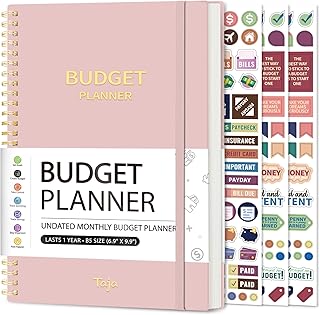
The best part? Many low-capital passive income ideas require little more than a few hours of work and a tiny upfront investment. Let’s explore them in depth.
Why Budgeting is the Foundation of Passive Income
Before you earn passive income, you must free up capital—even if it’s just $20 a month. Budgeting isn’t restricting; it’s redirecting. By tracking every expense, you uncover “leaks” (like subscriptions you forgot) that can be funneled into income-producing assets.
A dedicated budgeting tool makes this automatic. The NICOOTH Budget Binder Cash Envelopes A6 Money Saving Binder (Purple) ($6.28, ⭐4.6) uses the envelope system to physically allocate cash for different categories—a proven way to stop overspending.

For a more all-in-one solution, the SKYDUE Budget Binder with Zipper Envelopes ($8.98, ⭐4.7) includes both envelopes and expense sheets, giving you a clear snapshot of your financial health.

If you’re new to personal finance, the book Budgeting 101: From Getting Out of Debt to Building Your Savings ($9.69, ⭐4.6) offers a crash course in managing money so you can start investing in passive streams.

Key budgeting principles for passive income:
- Track every expense for one month to find savings.
- Automate transfers to a separate savings or investment account.
- Use the envelope system for variable expenses (e.g., dining out, entertainment).
Once you have a few dollars set aside, you can deploy them into one of these beginner-friendly passive income ideas.
Low-Capital Passive Income Ideas (Detailed Guide)
1. Digital Products: eBooks, Printables, and Templates
Upfront cost: $0–$50 (mostly your time)
Potential monthly income: $50–$1,000+ after building a catalog
Digital products are the ultimate zero-inventory business. You create something once—like a budget tracker, a meal planner, or a short eBook—and sell it forever. Platforms like Etsy, Gumroad, or Amazon Kindle Direct Publishing handle delivery.
Expert insight: “The best digital product to sell is one you already use in your life,” says Sarah Li-Cain, a finance writer who earns passive income from planners. She recommends starting with a printable budgeting sheet because it’s directly tied to the budgeting context of this article.
Steps to get started:
- Identify a problem you can solve (e.g., “debt payoff tracker”).
- Create a simple design using Canva (free).
- List on a platform and promote via social media.
- Reinvest profits into more products.
Example: A single $3 budgeting printable sold 100 times a month earns $300—with zero ongoing work.
2. Affiliate Marketing Without a Big Audience
Upfront cost: $0 (free website or social media account)
Potential monthly income: $100–$2,000
You don’t need a massive following to earn commissions. Affiliate marketing works by recommending products you trust and earning a percentage of each sale. For beginners, focus on one niche—like budgeting tools.
You can start by writing a blog post about the best budget planners (like the ones linked above) and including your affiliate links. Platforms like Amazon Associates, ShareASale, and RewardStyle accept beginners.
Pro tip: Write honest reviews that include real photos of the product. For example, compare the Budget Planner – Black version ($8.99, ⭐4.6) with the pink one—people love side-by-side comparisons.
“Affiliate marketing is the easiest passive income stream because you don’t create the product—you just amplify it.” — Michelle Schroeder-Gardner, Making Sense of Cents
3. Dividend ETFs and Index Funds (Start with $10)
Upfront cost: $10–$100
Potential annual return: 2–10% dividends + capital appreciation
Dividend stocks pay you cash just for holding shares. But buying individual stocks requires research and risk. Exchange-traded funds (ETFs) like VYM (Vanguard High Dividend Yield) or SCHD (Schwab U.S. Dividend Equity) offer instant diversification with a single purchase.
Most brokers allow fractional shares, so you can start with as little as $1. The key is reinvesting dividends to compound growth. This is a classic passive income stream with index funds.
Real numbers: If you invest $50/month into an ETF with a 4% dividend yield and reinvest, after 10 years you’ll have ~$7,400 and receive ~$300/year in dividends—completely passive.
Warning: Don’t chase high yields without checking fund quality. Use the Dividend Aristocrats to find stable payers.
4. High-Yield Savings Accounts (HYSA) and CDs
Upfront cost: $0 minimum (some accounts)
Potential annual return: 4–5% APY (as of 2025)
While not “income” in the traditional sense, interest from a HYSA is completely passive and requires zero effort after opening. Many online banks (Ally, Marcus, CIT) offer rates well above 4%. Certificates of Deposit (CDs) lock in a higher rate for a fixed term.
Best for: Emergency funds or short-term savings that you don’t want to risk in the stock market. This is a perfect first step for designing a passive income portfolio that matches your risk tolerance.
Example: Putting $500 in a 5% CD for 12 months earns you $25—not life-changing, but it’s risk‑free passive income that compounds with repetition.
5. Peer-to-Peer Lending
Upfront cost: $25+ per loan (platforms like Prosper, LendingClub)
Potential annual return: 5–8% (net of defaults)
You lend small amounts to individuals or small businesses and earn interest monthly. Platforms automate the selection of borrowers based on your risk preference.
Risks: Defaults can eat into returns. Diversify across many small loans (start with $25 each on 10 loans). Treat this as a supplement, not your main income.
Internal link: Avoid the pitfalls of overhyped “passive income” schemes before lending real money.
6. Creating a YouTube Channel or Blog (Semi‑Passive)
Upfront cost: $0–$15 for domain/hosting
Potential monthly income: $50–$10,000 (after months of effort)
Content creation isn’t fully passive—you’ll need to film, write, and market—but once a video or blog post ranks on Google or YouTube, it can earn ad revenue, affiliate commissions, and sponsorships for years.
Niche idea: “Budgeting for passive income” is a perfect angle. You could review the Budgeting 101 book and include affiliate links, then the content keeps earning while you sleep.
Semi-passive reality check: Expect 3–6 months of active work before seeing significant automated income. But the long‑term payoff is huge. Learn how to use automation tools to turn active content into passive income.
7. Rent Out Unused Items (Parking, Storage, Equipment)
Upfront cost: $0
Potential monthly income: $50–$500
You likely own assets that others will rent: a spare parking spot (via SpotHero or Neighbor), a guest room (Airbnb), a camera or tools (Fat Llama), or even clothing (Rent the Runway’s closet feature).
Example: If you live near a stadium, renting your driveway for $40 per game day, five times a year, earns $200 with zero capital.
Tip: Use your budgeting binder to track rental income and expenses for tax purposes. The SKYDUE Budget Binder has expense sheets perfect for this.
8. Print on Demand (No Inventory)
Upfront cost: $0–$20 (for design software trial)
Potential monthly income: $50–$1,000+
Design T‑shirts, mugs, or phone cases using free tools like Canva. When someone orders, a third‑party (Printful, Printify) prints and ships it, pocketing your markup.
Best approach: Create designs related to budgeting and personal finance—like “I Love Spreadsheets” or “Cash Envelope Queen.” Sell on Redbubble, Teespring, or your own Shopify store.
Key stat: The average profit margin is 20–30%. If you sell 50 T‑shirts a month at $20 each with $10 cost, that’s $500 profit—all hands‑off after the design is live.
9. Cashback and Rewards Apps (Micro-Passive Income)
Upfront cost: $0
Potential monthly income: $10–$100
Apps like Rakuten, Ibotta, and Fetch Rewards give you cashback for shopping you already do. While small, this income requires only a few minutes per month.
Automation trick: Use a browser extension (like Rakuten) that automatically applies coupons and credits. Then transfer the earnings to your HYSA. It’s an easy way to practice saving with semi-passive systems.
How to Get Started on a Shoestring Budget
You don’t need a business plan—just a sequence of small actions.
- Audit your spending with the Pink Budget Planner for one month. Find $20–$50 you can redirect.
- Open a free bank account that earns high interest (Ally, Wealthfront cash account).
- Choose one passive idea from the list above. Start with something that excites you and costs $0 upfront (like affiliate marketing or cashback apps).
- Reinvest any earnings into a dividend ETF or buy a domain for content creation.
- Track everything using the NICOOTH Budget Binder so you see progress.
Expert advice: “Most people overestimate how much capital they need and underestimate the power of small, consistent actions. A budget binder that costs $8 can unlock hundreds in passive income over time.” — Jordan, financial coach.
Avoid Common Pitfalls
Be wary of schemes promising huge returns with no effort. The biggest mistake beginners make is chasing high‑yield opportunities without understanding the risks.
- Scams: Avoid anyone guaranteeing 20%+ monthly returns. Check passive income pitfalls and red flags to avoid.
- Taxes: Interest, dividends, and rental income are taxable. Use your budget planner to set aside 20–30% of earnings.
- Overleveraging: Don’t borrow money to start passive income. Use only freed‑up cash from your budget.
Combining Multiple Streams for Real Financial Freedom
The most successful passive income earners don’t rely on one stream. They stack several low‑capital ideas.
Example portfolio for a beginner on $50/month budget:
| Stream | Monthly Investment | Projected Annual Return |
|---|---|---|
| HYSA | $20 | ~$12 |
| Dividend ETF | $20 | ~$14 (4% yield) |
| Print-on-demand (1 design) | $10 (marketing) | ~$120 (10 sales) |
| Affiliate blog (1 article) | $0 | ~$50 (after 6 months) |
| Total | $50 | ~$196+ |
Over time, reinvest the $196 into more dividend stocks or digital products. Your cash grows without needing a bigger paycheck.
Internal resource: Learn to build a complete passive income portfolio that matches your risk tolerance.
Frequently Asked Questions
Can I really build passive income with no money at all?
Yes—several ideas like affiliate marketing, cashback apps, and renting unused items require $0 upfront. However, even a small amount of capital (like $10) can dramatically speed up growth through dividend ETFs or digital product creation.
How much time does it take for passive income to become truly passive?
Most streams require an initial time investment of 5–20 hours to set up (e.g., writing a blog post, designing a printable, filming a YouTube video). After that, maintenance is minimal—check in once a month.
Do I need to pay taxes on passive income?
Yes. In most countries, passive income (interest, dividends, rental income, affiliate commissions) is taxable. Use a budget planner to track earnings and set aside funds for tax season. Consult a tax professional.
What’s the safest passive income idea for a complete beginner?
A high‑yield savings account or a CD is the safest. It’s FDIC‑insured (up to $250,000) and requires zero ongoing effort. Once you’re comfortable, move to dividend ETFs.
Can I combine budgeting with passive income streams?
Absolutely. That’s the core theme of this article. Tools like the SKYDUE Budget Binder and the Budgeting 101 book help you allocate money toward passive income goals while keeping spending in check.
Start Small, Stay Consistent
You now have a toolbox of beginner‑friendly, low‑capital passive income ideas—from digital products and affiliate marketing to dividend ETFs and renting spare space. The thread that ties them all together is budgeting. Without a clear view of your finances, even the best passive income stream can be undermined by unnecessary spending.
Pick one idea this week. Write a 500‑word article, design a simple printable, or open a high‑yield savings account. Use the Budget Planner – Black ($8.99, ⭐4.6) to monitor your progress.

Remember: passive income is a marathon, not a sprint. Every dollar you save and invest today plants a seed that will grow into a future stream of effortless earnings. Start now—your future self will thank you.