 Insurance Curator
 The cost of nursing home care is staggering. In 2024, the median annual cost for a private room in a U.S. nursing home exceeded $108,000, and it continues to rise. For seniors and their families, the fear of spending down a lifetime of savings just to qualify for Medicaid is very real. Fortunately, with careful planning—especially when integrated into a broader estate plan—you can protect assets while still accessing the care you need.
This deep-dive article covers everything from trust strategies to timing rules, common pitfalls, and the best books to educate yourself. Whether you’re planning for yourself or an aging parent, these asset protection strategies can help keep your nest egg intact.
TL;DR: Estate planning for seniors isn’t just about wills—it’s about proactively shielding savings from long-term care costs. Learn how Medicaid-compliant trusts, gifted assets, and proper timing can preserve wealth. Start with a trusted resource like Living Trusts, Wills & Estate Planning for Seniors to understand the fundamentals.

Why Asset Protection Matters for Seniors Entering Long-term Care
Medicare does not cover long-term custodial care. After 100 days of skilled nursing (with strict conditions), the bill becomes your responsibility. Medicaid—the joint federal-state program—covers nursing home costs, but only for those who meet strict income and asset limits (typically under $2,000–$8,000 in countable assets, depending on the state).
Without a strategy, you may have to spend down your savings to nearly zero before getting help. Asset protection planning allows you to legally reposition assets so that you qualify for Medicaid without depleting your life’s work.
The Cost of Inaction
- A couple with $300,000 in savings could lose it all in under three years of nursing home care.
- In many states, the spouse still living at home (the “community spouse”) can keep a limited amount of assets—often around $150,000. But without planning, even that is at risk.
- Gifting assets without understanding the five-year look-back rule can cause months of Medicaid ineligibility.
Key Asset Protection Strategies for Seniors
1. Irrevocable Trusts (Medicaid Asset Protection Trusts)
An irrevocable trust removes assets from your name and places them under the control of a trustee. Because you no longer own the assets, they are not counted by Medicaid—provided the trust is structured correctly.
Important: You must transfer assets at least five years before applying for Medicaid (the look-back period). Also, you cannot be the trustee or retain the right to revoke the trust.
Benefits:
- Shields home, cash, and investments from nursing home costs.
- Allows you to retain some income from the trust (if structured as a grantor trust).
- Protects assets for heirs.
Risks:
- Loss of direct control.
- If you need care sooner than five years, the transfer triggers a penalty period.
2. Gifting Strategies (with Caution)
Gifting assets to children or other loved ones can reduce your countable assets. But the federal look-back rule penalizes any gifts made within five years of a Medicaid application. The penalty is a period of ineligibility equal to the value of the gift divided by the average monthly nursing home cost.
Example: If you gift $60,000 and the average monthly cost is $9,000, you become ineligible for Medicaid for 6.67 months. That’s a steep price.
Better approach: Use annual gift tax exclusions ($18,000 per recipient in 2024) gradually, years before you anticipate needing care.
3. Purchase a Medicaid-Compliant Annuity
A single-premium immediate annuity can convert a lump sum into a stream of income. If structured correctly, the annuity is not counted as an asset for Medicaid purposes, and the income can be directed to the community spouse.
Caution: The annuity must be irrevocable, non-assignable, and pay out within the community spouse’s life expectancy. An elder law attorney is essential.
4. Spousal Protections (Community Spouse Resource Allowance)
The federal Medicaid rules protect some assets for the spouse who remains at home. In 2024, the community spouse can keep up to $154,140 of countable assets (varies by state). Additional assets can be sheltered using a spousal impoverishment trust or by purchasing exempt assets (e.g., a primary residence, a car, burial plots).
Key insight: Do not spend down assets recklessly. Instead, strategically convert countable assets into exempt ones before applying.
5. Homestead Exemptions
Your primary residence is often an exempt asset for Medicaid eligibility, but there are limits on equity (typically $688,000 in most states, indexed). You can protect your home by placing it in an irrevocable trust or by ensuring that a spouse or disabled child continues to live there.
For a deeper dive, see our guide on Homestead Exemptions and Asset Protection: What Your Home Shield Actually Covers.
Estate Planning Tools That Support Asset Protection
Effective asset protection for long-term care is never a standalone move—it must be embedded in a comprehensive estate plan. Here are the essential documents and vehicles.
Living Trusts vs. Wills
A living trust (revocable or irrevocable) avoids probate and can provide asset management if you become incapacitated. But a revocable trust does not protect assets from nursing home costs because you retain control. Only an irrevocable trust works for Medicaid planning.
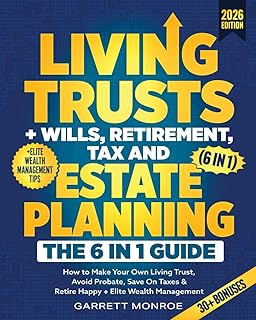
For a complete overview, consider reading Living Trusts + Wills, Retirement, Tax & Estate Planning – The 6-in-1 Guide. It covers how to structure trusts and avoid costly mistakes.
Durable Power of Attorney and Healthcare Proxy
These documents allow someone you trust to manage your finances and medical decisions. Without them, a court may appoint a guardian, which complicates asset protection.
Retirement Accounts as Asset Protection Tools
401(k)s and IRAs are generally not countable assets for Medicaid purposes if you are already receiving required minimum distributions. However, Roth IRAs and inherited IRAs may be treated differently. Learn more in our article on Retirement Accounts as Asset Protection Tools: How Safe Are 401(k)s and IRAs?.
The Role of Insurance
Long-term care insurance can cover nursing home costs directly, reducing the need to rely on Medicaid. However, premiums are high and policies often have limitations. Umbrella liability insurance protects against lawsuits that could erode assets. See How Insurance Fits into an Asset Protection Plan: Umbrella, Liability, and More?.
Critical Mistakes That Can Backfire
Asset protection planning operates within strict legal boundaries. Violating these can lead to severe penalties.
Fraudulent Transfer Rules
Transferring assets for less than fair market value with the intent to hinder creditors (including Medicaid) is illegal. Courts can unwind transactions and impose penalties. Always work with an elder law attorney to ensure your transfers fall within safe harbors.
Read our detailed analysis: Fraudulent Transfer Rules: the Legal Line You Must Not Cross in Asset Protection.
Ignoring the Five-Year Look-Back
Even if you gift assets in good faith, if applied within five years of needing care, you’ll face a penalty period. Many families unknowingly disqualify themselves.
Co-mingling Assets
After placing assets in a trust, avoid mixing them with personal accounts. Maintain separate bank accounts and clear records.
Choosing the Right Estate Planning Guide
To truly master these strategies, invest in a comprehensive guide. Here are top-rated books that belong on your shelf.
| Book | Price | Rating | Best For |
|---|---|---|---|
| Living Trusts, Wills & Estate Planning for Seniors 3-in-1 | $22.97 | 4.4 | Beginners, seniors, practical forms |
| Living Trusts + Wills, Retirement, Tax & Estate Planning 6-in-1 | $24.97 | 4.5 | Comprehensive wealth management |
| Nolo’s Guide to Estate Planning | $27.89 | 4.7 | Authoritative, updated legal advice |
| Estate Planning For Dummies | $20.99 | 4.3 | Easy-to-read, great for novices |
| I’m Dead, Now What? Planner | $11.63 | 4.6 | Organizing final wishes, not legal strategy |
Recommendation: Start with the 3-in-1 senior-specific guide for actionable trust forms and state-specific advice. Pair it with Nolo’s book for deeper legal context.

Advanced Considerations
Offshore vs. Domestic Asset Protection Trusts
For high-net-worth seniors, offshore trusts in jurisdictions like Cook Islands offer strong creditor protection. However, they are expensive and not necessary for most Medicaid planning. Domestic asset protection trusts (DAPTs) in states like Nevada or South Dakota may be a middle ground. See Offshore vs. Domestic Asset Protection Trusts: Pros, Cons, and Legal Risks.
Protecting Inherited Wealth
If you expect an inheritance, consider disclaiming it or placing it in a special needs trust to avoid disrupting Medicaid eligibility. Our article on Asset Protection Planning for Inherited Wealth: Keeping Family Money in the Family explores strategies.
Divorce and Asset Protection
Seniors divorcing late in life need to think about how division of assets affects Medicaid eligibility. Prenuptial agreements can also be part of a broader plan. See Divorce and Asset Protection: Legal Steps to Safeguard Property before and During Separation.
FAQ: Asset Protection for Seniors and Nursing Home Costs
1. Can I protect my home from nursing home costs?
Yes. Your primary residence is often exempt if your equity is under the state limit (usually $688,000) and if your spouse or a dependent child lives there. Placing the home in an irrevocable trust five years before applying can also shield it.
2. What is the look-back period for Medicaid?
Medicaid examines all asset transfers made in the five years prior to your application. Any gifts or transfers for less than fair market value may cause a penalty period of ineligibility.
3. Can I give money to my children to qualify for Medicaid?
You can, but if you do so within five years of applying, you will face a penalty. A better strategy is to make small, regular gifts annually under the gift tax exclusion amount, many years ahead.
4. Is a revocable living trust effective for asset protection?
No. A revocable trust does not shield assets from nursing home costs because you retain control and access. You need an irrevocable trust to remove assets from your name.
5. What is the community spouse resource allowance (CSRA)?
In 2024, the CSRA allows the spouse living at home to keep up to $154,140 of countable assets without affecting the institutionalized spouse’s Medicaid eligibility. The exact amount varies by state.
6. Do I need a lawyer for asset protection planning?
It is highly recommended. Federal and state laws are complex, and missteps can result in prolonged ineligibility. A certified elder law attorney (CELA) can design a plan tailored to your situation.
7. Can long-term care insurance replace asset protection?
It can reduce the need for Medicaid, but it doesn’t “protect” assets per se. Policy coverage and premiums vary widely. A good asset protection plan includes insurance as one component, not the sole solution.
Final Thoughts: Act Early, Act Smart
Asset protection for seniors entering long-term care is not about hiding money—it’s about legally arranging your finances so you can afford care without losing everything. The best time to start is at least five years before you anticipate needing nursing home care. Even if that window has passed, strategies like spousal transfers, exempt asset purchases, and Medicaid-compliant annuities may still help.
Combining these strategies with a sound estate plan ensures your legacy passes to your loved ones, not to the nursing home. Equip yourself with knowledge. Pick up a trusted guide like Living Trusts, Wills & Estate Planning for Seniors and consult a qualified attorney.
Your savings are worth protecting.