 Insurance Curator
 Imagine a hurricane forces you to evacuate with just minutes to spare. You grab your go-bag, your phone, your wallet. But have you packed a 30-day supply of your blood pressure medication? Is your insulin kept cool? Do your emergency contacts know about your heart condition? For millions of Americans managing chronic illnesses, a natural disaster isn’t just a disruption—it’s a life‑threatening event.
Medical disaster preparedness is not optional. It’s a critical component of estate planning because protecting your health assets often matters just as much as protecting your financial ones. When the power goes out, pharmacies close, and roads flood, having a prescription plan and a clear record of your medical needs can mean the difference between stability and crisis.
This guide walks through every step of managing prescriptions and critical health needs before, during, and after a disaster. We’ll cover medication storage, legal documents, communication strategies, and how to weave these into your broader estate plan.
Why Medical Disaster Preparedness Belongs in Your Estate Plan
Most people think of estate planning solely in terms of wills, trusts, and asset distribution. But your medical history, medication list, and advance directives are equally important to pass along safely.
During a disaster, first responders, family members, and even temporary caregivers need immediate access to:
- A complete list of your prescriptions (dosage, frequency, prescribing doctor)
- Your allergies and chronic conditions
- Emergency contacts and healthcare proxy information
- Insurance cards and Medicare/Medicaid details
Including these elements in your estate plan ensures that someone you trust can manage your care when you cannot. It also prevents medication errors, dangerous drug interactions, and delays in treatment.
Expert Insight: Estate planning attorney Sarah M. Lyons explains, “A living will and healthcare power of attorney are essential, but I urge clients to also create a portable medical summary that fits in a waterproof bag. Disasters don’t wait for paperwork.”
Step 1: Build a Comprehensive Medication List
Start by documenting every medication you take—prescription, over‑the‑counter, vitamins, and supplements. Use a medication list template or a simple spreadsheet.
| Medication | Dosage | Frequency | Prescriber | Reason | Refill Date |
|---|---|---|---|---|---|
| Lisinopril | 10 mg | Once daily | Dr. Jones | High blood pressure | 05/15/2024 |
| Metformin | 500 mg | Twice daily | Dr. Smith | Type 2 diabetes | 06/01/2024 |
Keep three copies:
- In your go-bag – laminated or in a waterproof pouch.
- With your estate planning documents – stored securely but accessible.
- Digitally – in a password‑protected cloud or on a USB drive.
Step 2: Create an Emergency Prescription Kit
A medical emergency kit should go beyond standard first aid. Include at least a 30-day supply of all critical medications, stored in original containers with legible labels. If your prescriptions require refrigeration (like insulin), invest in a battery‑powered cooler or a medical‑grade cooling pouch.
Key items for your kit:
- Medication list (paper and digital)
- Extra inhalers, EpiPens, or rescue medications
- Blood glucose monitor and test strips
- Blood pressure cuff (simple manual cuffs work without batteries)
- Spare eyeglasses or contact lenses and solution
- Copies of insurance cards, Medicare/Medicaid ID
- Healthcare power of attorney and advance directive forms
Step 3: Update Your Estate Planning Documents for Medical Crises
Your standard estate plan should already include a healthcare proxy (durable power of attorney for healthcare) and a living will. For disaster scenarios, add these specific provisions:
Healthcare Proxy with Evacuation Authority
Grant your agent the explicit authority to:
- Authorize medical treatment during an evacuation
- Transfer you to a different facility if local hospitals are overwhelmed
- Access your digital medical records and pharmacy accounts
Medical Information Release
Sign a HIPAA release that allows your proxy to speak with insurers, doctors, and pharmacies about your condition and prescriptions.
Pet and Caregiver Instructions
If you care for elderly parents or dependents with special needs, include their medication schedules and medical histories in your own plan.
Step 4: Establish a Pharmacy Backup Strategy
Disasters disrupt supply chains. A single pharmacy closure can leave you without essential medicines for weeks.
Action steps:
- Use a national chain pharmacy (CVS, Walgreens) that can transfer prescriptions between locations.
- Enroll in mail‑order pharmacy services for a 90‑day supply of maintenance medications.
- Ask your doctor for refill‑as‑needed prescriptions—most states allow early refills after a declared disaster.
- Keep a list of pharmacy locations along your planned evacuation route.
Step 5: Prepare Digital Records and Cloud Backups
Paper documents can burn, get soaked, or be lost. A digital backup of your medical information ensures you can retrieve it from any device with internet access.
Essential digital documents to backup:
- Medication list (PDF or spreadsheet)
- Insurance card images (front and back)
- Advance directives and healthcare proxy
- Immunization records
- Recent lab results and doctor contact info
Upload these to a secure cloud service (Google Drive, Dropbox, iCloud) and share the folder link only with your healthcare proxy. Also store a copy on an encrypted USB drive in your go-bag.
For a deeper dive on safeguarding digital files, see our guide on Digital Records and Cloud Backups: Protecting Important Files from Physical Disasters.
Step 6: Communicate Your Plan to Family and Caregivers
A perfect medication list is useless if nobody knows where it is. Hold a family meeting to discuss your medical disaster plan. Cover:
- Where your go‑bag and medication kit are stored
- How to access your digital backup (password manager)
- Contact information for your doctors and pharmacy
- Your healthcare proxy details and backup agents
Consider creating a “In Case of Emergency” (ICE) card that lives in your wallet. Include:
- Primary emergency contact
- Health insurance company and group number
- Blood type, allergies, chronic conditions
- List of current medications (or a QR code linking to a secure online list)
Step 7: Build a Go‑Bag Specifically for Medical Needs
Your standard 72‑hour emergency kit should include a medical module. The Emergency Go-bag Essentials: What to Pack for 72 Hours of Survival guide lists core items, but here we focus on health‑critical additions:
- Prescription medications in a waterproof, crush‑proof container
- Medical supplies (syringes, ostomy bags, catheter kits, oxygen tubing)
- Backup batteries for powered medical devices (hearing aids, CPAP, infusion pumps)
- Manual alternatives – a manual wheelchair tire pump if you use an electric wheelchair
- Disaster‑proof cooler for temperature‑sensitive drugs
- Emergency cash – some pharmacies may require cash payment if systems are down
Step 8: Plan for Evacuation with Chronic Conditions
If you have mobility issues or rely on life‑sustaining equipment, evacuation planning becomes even more critical.
Checklist for evacuation readiness:
- Contact local emergency management to register for special needs evacuation assistance
- Identify pet‑friendly shelters (if you have a service animal)
- Pre‑arrange transportation – know which taxis or ride‑shares accommodate wheelchairs
- Charge all medical devices to 100% before a storm warning
- Carry a medication power adapter – many CPAP machines can run on car batteries
Step 9: Financial Disaster Preparedness for Medical Costs
Health emergencies during a disaster often come with unexpected expenses: co‑pays for emergency room visits, prescription replacements, or temporary housing near a hospital. Include a medical contingency fund in your overall financial disaster preparedness plan.
- Keep at least $500–$1,000 in small bills in your go‑bag for immediate medical costs
- Store a backup credit card and insurance card in a separate, secure place
- Have a copy of your insurance policy declarations page – know your out‑of‑pocket maximum and coverage for out‑of‑network care
For a comprehensive approach, read Financial Disaster Preparedness: Protecting Documents, Cash, and Access to Accounts.
Step 10: After the Disaster – Post‑Event Medical Recovery
Once the immediate danger passes, your medical needs don’t stop. Use this checklist to regain stability:
- Replenish your emergency medication supply immediately
- Check doses and expiration dates – some drugs degrade if exposed to extreme heat or cold
- Schedule a follow‑up with your primary care doctor as soon as possible
- File insurance claims for any lost or damaged medical equipment
- Update your estate planning documents if your health status changed
For a broader recovery roadmap, see Post‑disaster Recovery Checklist: Safety, Insurance Claims, and Rebuilding Steps.
Integrating Medical Preparedness with Estate Planning Resources
A thorough estate plan supports your medical disaster plan by designating decision‑makers and clarifying your wishes. The following books can help you build a robust foundation for both legal and health preparedness.
Top Estate Planning Guides for Medical Disaster Preparedness

Living Trusts, Wills & Estate Planning for Seniors – The Complete 3-in-1 Guide ($22.97, ★4.4) walks you through creating a living trust and healthcare power of attorney without expensive lawyers. Perfect for seniors who want to combine estate planning with medical directives.
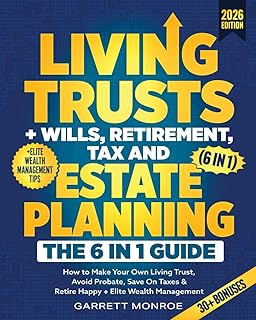
Living Trusts + Wills, Retirement, Tax & Estate Planning – The 6-in-1 Guide ($24.97, ★4.5) expands coverage to include retirement and tax planning alongside medical preparedness. A comprehensive resource for families managing multigenerational care.

Nolo’s Guide to Estate Planning ($27.89, ★4.7) is a trusted legal reference that covers advance directives, living wills, and healthcare proxies in detail. Use it to draft forms specific to disaster scenarios.

Estate Planning For Dummies ($20.99, ★4.3) breaks down complex topics into simple steps, including how to name a healthcare agent and what to include in a medical emergency plan. Great for beginners.

I’m Dead, Now What? Planner ($11.63, ★4.6) is an organizer that helps you record vital medical information, prescription details, and emergency contacts so your loved ones can act quickly during a crisis. Essential for every go‑bag.
Sample Medical Disaster Plan Template
Use this simple template to consolidate your information. Print it, laminate it, and place it with your estate planning documents.
--- MEDICAL DISASTER PLAN ---
Name: _______________________________
Date of birth: _______________________
Blood type: ________ Allergies: _______________________
Chronic conditions: ___________________________________

Primary doctor: ___________ Phone: ___________________
Specialist: _______________ Phone: ___________________
Pharmacy: ________________ Phone: ___________________
Health insurance: _________ Policy #: _________________

Medications (list or attach separate sheet):
1. ____________________________
2. ____________________________

Healthcare proxy: _____________ Phone: _______________
Backup proxy: _________________ Phone: _______________

Location of go‑bag: __________________________________
Digital backup location (URL): _______________________
Emergency cash location: _____________________________

Pet care instructions (if applicable): ________________
Common Mistakes to Avoid
- Waiting until evacuation orders are issued – By then, pharmacies may be closed, and roads congested. Prepare your medical kit at least two weeks before the disaster season.
- Storing medications in bathrooms or cars – Heat and humidity degrade drugs. Keep them in a cool, dark, dry place.
- Relying solely on digital copies – If the internet is down and your phone dies, paper lists are lifesavers.
- Forgetting to update your plan – Review your medication list and healthcare proxy every six months, or whenever a new prescription is added.
The Role of Community in Medical Disaster Preparedness
No one should face a disaster alone. Coordinate with neighbors, especially if you have mobility limitations or rely on medical equipment. Join a Community Emergency Response Team (CERT) or a local Medical Reserve Corps. Share your plan with at least two trusted neighbors who can check on you during a power outage or evacuation.
For more on neighborhood preparation, read Community Disaster Preparedness: How to Coordinate with Neighbors and Local Resources.
Final Thoughts: Your Health Is Your Most Valuable Asset
Medical disaster preparedness is not a one‑time task—it’s an ongoing commitment woven into the fabric of your estate planning. By documenting medications, creating a backup pharmacy strategy, and equipping your healthcare proxy with the right tools, you ensure that even in the chaos of a hurricane, wildfire, or earthquake, your critical health needs are met.
Invest the time now to build your medical disaster plan. Your future self—and your family—will thank you.
Frequently Asked Questions (FAQ)
1. How early can I get a prescription refill before a disaster?
Most states allow early refills of maintenance medications (30‑day supply) after a state of emergency is declared. Some pharmacies also offer “emergency supply” of up to 30 days without a new prescription. Contact your pharmacy and doctor to arrange this before a storm warning.
2. Do I need to include over‑the‑counter medications in my disaster list?
Yes. Common OTC drugs like aspirin, antihistamines, and antacids can be critical if medical help is delayed. Also list any vitamins or supplements you take regularly.
3. How do I protect insulin or other temperature‑sensitive medicines during a power outage?
Use a medical‑grade cool pack or a battery‑powered cooler that maintains 36–46°F. Alternatively, store insulin in a Thermos with ice packs. Never use dry ice directly—it can freeze and damage the medication.
4. What legal documents do I need for a family member with dementia or Alzheimer’s during a disaster?
A healthcare power of attorney (medical POA) is essential. In addition, a HIPAA release and a physician’s letter outlining the patient’s diagnosis and medication needs help avoid confusion at shelters or hospitals.
5. Can my estate plan include instructions for my medical devices (CPAP, insulin pump)?
Absolutely. Your advance directive or healthcare proxy instructions can specify that your devices be included in the evacuation kit, along with backup batteries and manuals. Some states also allow “device directives.”
6. Where can I store my medical disaster plan securely?
Store one paper copy in a fireproof safe, one in your go‑bag, and a digital copy in a password‑protected cloud folder. Share access with your healthcare proxy and a backup family member.