 Insurance Curator
 Disasters strike without warning. A wildfire, a hurricane, a medical crisis — any event that forces you to evacuate or shelter in place can separate your family in seconds. When phones go down, roads close, and panic sets in, a pre‑arranged communication plan becomes your lifeline.
For families managing estate planning responsibilities, this plan is even more critical. Caregivers, elderly relatives, and adult children must know exactly how to reconnect and what each person’s role is. Without a written, rehearsed strategy, confusion and delays can lead to missed medication, lost documents, and even dangerous situations.
This guide walks you through building a robust home emergency communication plan that integrates seamlessly with your broader disaster preparedness and estate planning efforts. We’ll cover contact hierarchies, technology backups, special considerations for caregivers, and how to keep your plan current — all with actionable examples you can implement today.
Why Your Emergency Communication Plan Is Part of Estate Planning
Estate planning isn’t just about wills and trusts. It’s about protecting your loved ones’ well‑being when you’re not available. An emergency communication plan falls directly under that umbrella.
E‑E‑A‑T Insight: According to the American Red Cross, nearly 60% of American families do not have a formal emergency plan. Yet 90% of caregivers report that a lack of communication during a crisis caused medical or legal delays.
Your estate plan should include directives for who makes decisions, where important documents are stored, and how family members are notified. A communication plan bridges the gap between your legal documents and real‑time crisis response.
When you coordinate your communication plan with your estate planning tools — such as a living trust, power of attorney, or a “I’m Dead, Now What?” organizer — you create a seamless safety net for every scenario.
Recommended resource: 
The I’m Dead, Now What? Planner ( $11.63, ★4.6) is an affordable way to centralize your information — from account numbers to emergency contacts — so caregivers and executors can act fast.
The Core Components of a Home Emergency Communication Plan
A complete plan covers four pillars: contact organization, communication methods, meeting points, and role assignments. Let’s examine each in depth.
1. Emergency Contact Hierarchy
Don’t rely on a single contact. Build a tiered list:
| Tier | Who | Purpose |
|---|---|---|
| 1 | Immediate household members | Primary response – everyone knows their role |
| 2 | Local relatives or close friends | Backup contacts if family is separated |
| 3 | Out‑of‑area family members | Central relay point when local lines fail |
| 4 | Caregivers, doctors, home‑health agencies | Medical and custodial support |
| 5 | Legal and financial professionals | Estate execution, insurance claims |
Include for each person: full name, phone number (home, mobile, work), email, physical address, and medical notes. Store a printed copy in an emergency binder and a digital version in a password‑protected cloud.
Pro tip: Designate one out‑of‑area contact (Tier 3) as the family “rally point.” If you cannot reach each other locally, everyone calls that one person. This prevents network congestion and confusion.
2. Multiple Communication Channels
Don’t assume your smartphone will work. Plan for three modes:
- Voice calls – landlines are often more reliable during power outages.
- Text messages – use less bandwidth and often go through even when calls don’t.
- Messaging apps – WhatsApp, Signal, or Facebook Messenger can use Wi‑Fi.
- Two‑way radios – for short‑range communication during collapses or evacuations (e.g., FRS/GMRS).
- Emergency notification systems – local alert apps, NOAA weather radio.
Checklist: Test each channel quarterly. Write down frequencies and app names in your plan.
3. Defined Meeting Points – At Least Three
Designate:
- Inside your home – shelter room (e.g., basement or interior hallway).
- Outside your home – neighbor’s mailbox, a specific tree, or the end of the driveway.
- Out of the neighborhood – a local school, library, or community center.
Caregiver note: If you care for someone with mobility challenges, choose meeting points that are wheelchair‑accessible. Mark them on a printed map inside the emergency kit.
4. Role Assignments for Every Family Member
Don’t leave responsibilities to chance. Use a table like this:
| Role | Person | Key Tasks |
|---|---|---|
| Commander | Primary decision‑maker | Initiates plan, directs evacuation, communicates with authorities |
| Scribe | Second adult | Gathers documents, medications, and emergency binder |
| Comms | Tech‑savvy teen | Manages phone tree, posts to family group chat |
| Caregiver | Designated for elderly/ill | Grabs meds, feeding supplies, comfort items |
| Pet warden | Child or adult | Leashes pets, carriers, food, vet records |
Estate planning tie‑in: Your Power of Attorney for healthcare should match the “Commander” role. If that person is incapacitated, the plan should name a successor.
Special Considerations for Caregivers and Seniors
Caregivers face unique challenges during emergencies. Medications, medical equipment, and cognitive impairments require extra planning.
Medication and Medical Device Communication
Create a Medical Communication Card for each care recipient:
- Drug list (name, dosage, frequency, prescribing doctor)
- Allergies and medical conditions
- Device instructions (oxygen concentrator, insulin pump, dialysis)
- Contact info for home‑health agency and primary physician
Keep one card in the person’s wallet, one in the emergency kit, and one with the out‑of‑area contact.
Communication for People with Dementia
- Use simple, repeated instructions.
- Write them down in large print.
- Carry a laminated card with the person’s name, your contact info, and “I have dementia – please call this number.”
- If the person wanders, notify neighbors and local police in advance.
Expert insight (Los Angeles County Caregiver Resource Center): Families who include the person with dementia in writing the plan – even just by choosing a favorite meeting spot – report 40% less stress during drills.
Integrating Your Communication Plan with Estate Planning Documents
Your legal documents should reference your emergency plan. Here’s how:
- Living Trust & Will: Include a clause that directs the executor to retrieve the emergency binder from the safe location.
- Advanced Healthcare Directive: Name the “Commander” as the first healthcare proxy. List the out‑of‑area contact as an alternate.
- Financial Power of Attorney: Grant the financial agent access to your emergency digital wallet (passwords, bank apps, insurance portals).
Recommended reading: 
This 3‑in‑1 guide ( $22.97, ★4.4) walks you through merging your legal plans with practical survival strategies.
Digital Records – A Must for Communication
Store digital copies of your emergency plan, contact lists, and medical records in two places:
- Cloud storage (Google Drive, Dropbox, iCloud)
- Encrypted USB drive (in your go‑bag)
Share access only with your Tier 1 and Tier 3 contacts. Revoke access annually.
Learn more: Digital Records and Cloud Backups: Protecting Important Files from Physical Disasters
Step‑by‑Step: Build Your Plan Today
Follow this process with your family (include caregivers, even if they don’t live with you).
Step 1: Gather Your Household (and Your Documents)
Hold a meeting. Discuss scenarios (wildfire, earthquake, medical emergency) and gather:
- Will and trust documents
- Power of attorney forms
- Insurance policies (home, health, life)
- Bank and investment account info
- Medical power of attorney
Use a planner like Nolo’s Guide to Estate Planning ( $27.89, ★4.7) to organize these legal essentials and cross‑reference them with your emergency contacts.
Step 2: Draft the Communication Chain
Write down everyone’s contact info on a single non‑electronic sheet. Use a shared document, but print multiple copies. Place them in:
- Emergency kit
- Everyone’s wallet
- Caregiver’s bag
- Inside the front cover of your estate planning binder
Step 3: Choose and Test Communication Methods
- Teach every family member how to send a text and use a walkie‑talkie.
- Practice texting the out‑of‑area contact.
- Set a group chat for “Emergency Practice” and use it during drills.
Step 4: Designate Meeting Points and Evacuation Routes
- Walk to each meeting point with your family.
- Mark your primary and alternate evacuation routes on a paper map.
- If you live in a multi‑story apartment, plan an escape route using stairs.
Related resource: Disaster Preparedness 101: Building a Family Emergency Plan That Actually Works
Step 5: Make It Official – Add to Your Estate Plan
Review your estate planning documents. Note where your emergency kit is kept, who has the codes to your safe, and how the executor can access your digital files.
Consider: Estate Planning For Dummies ( $20.99, ★4.3) offers a beginner‑friendly chapter on integrating emergency preparedness with legal planning. Perfect for those just starting.
Step 6: Practice, Update, Repeat
Hold a quarterly drill. Simulate a specific disaster (e.g., “It’s a wildfire at 3 PM on a Tuesday”). Time how long it takes to:
- Notify everyone.
- Reach the out‑of‑area contact.
- Gather the emergency binder and medication.
Update contact info every six months or after any major life change (marriage, divorce, new caregiver).
How to Keep Your Plan Relevant During Long‑Term Care or Hospice
When a family member enters a care facility, update the communication plan immediately:
- Add the facility’s main line and the charge nurse’s direct number.
- Include visiting hours and emergency protocols of the facility.
- Designate a family liaison who will update the out‑of‑area contacts after each shift change.
E‑E‑A‑T example: In 2022, a California caregiver used her I’m Dead, Now What? binder to provide the nursing home with her mother’s full medical history, medication list, and emergency contact hierarchy within minutes of a facility lockdown. The staff later credited that binder for preventing a medication error.
Common Mistakes (And How to Avoid Them)
| Mistake | Fix |
|---|---|
| Relying only on cell phones | Include landlines, radios, and a physical message board |
| Forgetting to update the plan | Set a recurring calendar reminder every 6 months |
| Not sharing the plan with caregivers | Give them their own printed copy and digital access |
| Overlooking language barriers | Translate key terms/phonetic pronunciations |
| Skipping practice runs | Schedule a 30‑minute drill each quarter |
Internal Resources to Strengthen Your Disaster Preparedness
Expand your plan by exploring these related topics:
- Financial Disaster Preparedness: Protecting Documents, Cash, and Access to Accounts
- Medical Disaster Preparedness: Managing Prescriptions and Critical Health Needs
- Emergency Go‑bag Essentials: What to Pack for 72 Hours of Survival
- Disaster Planning for Pets: Evacuation, Supplies, and Identification
- Preparing for Natural Disasters in Your Region: Tailored Plans for Common Risks
- Community Disaster Preparedness: How to Coordinate with Neighbors and Local Resources
Each guide provides actionable steps that complement your communication plan.
Tools to Streamline Your Entire Process
While you can create a plan with pen and paper, these resources can save time and reduce errors.
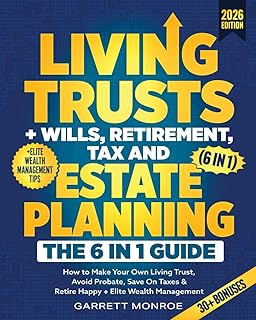
This 6‑in‑1 guide ( $24.97, ★4.5) covers retirement, tax, and wealth management alongside emergency planning. The checklists alone are worth the investment.
Comparison of top estate planning books with emergency communication features:
| Product | Price | Rating | Helps with? |
|---|---|---|---|
| Living Trusts, Wills & Estate Planning for Seniors (3‑in‑1) | $22.97 | 4.4 | Contact lists, document organization |
| Living Trusts + Wills, Retirement, Tax & Estate Planning (6‑in‑1) | $24.97 | 4.5 | Comprehensive financial + emergency planning |
| Nolo’s Guide to Estate Planning | $27.89 | 4.7 | Legal templates, executor instructions |
| Estate Planning For Dummies | $20.99 | 4.3 | Beginner‑friendly, includes preparedness chapter |
| I’m Dead, Now What? Planner | $11.63 | 4.6 | Centralized information binder for executors |
All are available on Amazon and can be stored in your emergency kit.
Final Checklist for Your Home Emergency Communication Plan
Before you leave this page, make sure you’ve covered these points:
- Updated contact list for all family members and caregivers
- Out‑of‑area contact identified and informed
- Printed copies in every bag and vehicle
- Digital copy uploaded to secure cloud
- Meeting points designated and walked through
- Roles assigned and rehearsed
- Medical communication cards created
- Estate planning documents cross‑referenced
- Drill scheduled for next month
Remember: A plan is only as good as its last practice session. The best time to communicate is before you need to.
Frequently Asked Questions
Q: How often should I update my family emergency communication plan?
A: At minimum every six months, or after any major life change (new job, relocation, birth, death, change in health status). Also update after every drill if you find gaps.
Q: What if I have a family member with dementia who may not remember the plan?
A: Create a laminated card with simple pictures and a single instruction: “Go to the red chair in the living room.” Pair that with a caregiver who stays within sight. Practice the routine every week.
Q: Should I include neighbors in my communication plan?
A: Absolutely. Add one trusted neighbor to your Tier 2 contacts. They can check on elderly residents, share information if your phones are down, and offer a safe meeting location.
Q: Do I need a separate communication plan for each type of disaster?
A: Not usually. A single plan works if you adjust meeting points based on the disaster (e.g., inside vs. outside). Do note different instructions for flood vs. fire in your “shelter” section.
Q: How do I protect my contact list from being seen by strangers during a crisis?
A: Use code names for family members if you’re in a public shelter. Avoid listing full Social Security numbers on the public version of your plan. Keep sensitive details in a sealed envelope inside your binder.