 Insurance Curator
 Online shopping has never been more convenient — or more dangerous. Every day, thousands of consumers fall prey to sophisticated fake storefronts, hidden payment traps, and delivery scams that drain bank accounts and steal personal data. The stakes are even higher when you’re purchasing sensitive materials like estate planning documents or legal guides. A fraudulent transaction doesn’t just cost you money; it can delay critical life planning.
That’s why understanding safe online shopping isn’t optional — it’s essential. In this comprehensive guide, we’ll show you exactly how to spot fake stores, avoid payment traps, and sidestep delivery scams, using real-world examples including popular Living Trusts, Wills & Estate Planning books. By the end, you’ll have a battle-tested framework for every purchase you make online.
The Rise of Online Shopping Scams: Why You Need to Pay Attention
The numbers are staggering. The Federal Trade Commission reported over $8.8 billion in consumer fraud losses in 2022, with online shopping scams being the second most reported category. As e-commerce continues to explode, cybercriminals have become more sophisticated, creating near-perfect replicas of legitimate retailers.
Scammers prey on urgency and trust. They know you’re looking for bargains, convenience, or specific products — like the Living Trusts, Wills & Estate Planning for Seniors – The Complete 3-in-1 Guide (price $22.97, rating 4.4) — and they’ll craft a fake store that looks exactly like the real thing.

The good news? Once you know the red flags, most scams become easy to spot. Let’s break down the three main attack vectors: fake stores, payment traps, and delivery scams.
How to Spot Fake Online Stores
Fake stores are the most common threat in online shopping. They’re built to harvest your credit card details, personal information, and even login credentials. Here’s how to identify them before you hit “buy.”
1. Check the Domain Name Closely
Legitimate retailers own the exact domain you expect. Scammers often use subtle misspellings, extra words, or different top-level domains. For example, estateplanningbooks.co instead of .com, or amaz0n-prime-deals.com. Look for typos in the URL itself.
- Real example: The official Amazon page for a product uses
amazon.com. A scam site might usearnazon-books.com. - Action: Always type the URL manually or use bookmark links from trusted sources.
2. Inspect the Website Design and Content
Fake stores often look decent at first glance, but small details give them away. Blurry logos, generic stock photos, inconsistent fonts, and poorly written product descriptions are classic signs.
- Pro tip: Check the footer for a physical address, phone number, and email. Many scammers leave these blank or use fake data.
- Test: Scroll to the bottom. Legitimate sites like Amazon clearly list their corporate info. A fake site often hides it.
3. Verify Payment Security
Before entering any payment information, look for the padlock icon in the address bar and ensure the URL starts with https://. However, a padlock alone doesn’t guarantee legitimacy — scammers can buy cheap SSL certificates.
- Deeper check: Click the padlock and view the certificate details. The issuing authority should be a well-known company like DigiCert or Let’s Encrypt.
- Red flag: If the certificate says “Not Valid” or the domain doesn’t match, leave immediately.
4. Read Real Customer Reviews — Not Testimonials on the Site
Fake stores often feature glowing testimonials that are completely fabricated. Instead, take the product name and search it on a trusted review platform like Trustpilot or the Better Business Bureau.
- Example: Search for “Living Trusts + Wills, Retirement, Tax & Estate Planning – The 6-in-1 Guide” on sites other than the store itself. The real Amazon listing (price $24.97, rating 4.5) is a legitimate marketplace.
- Action: Use a Google search with
review+ product name to see independent feedback.
5. Compare Pricing to the Market
If a deal seems too good to be true, it almost always is. Scammers lure victims by offering massive discounts on popular items like Nolo’s Guide to Estate Planning (price $27.89, rating 4.7). If you see it for $5.99 on a random site, run.
- Rule of thumb: Check at least three known retailers (e.g., Amazon, Barnes & Noble, Walmart) to gauge the standard price.
- Beware of urgency: “Only 2 left at this price!” is a classic social engineering trick.
Payment Traps and How to Avoid Them
Even if you land on a legitimate-looking store, the checkout page can be a minefield. Payment traps include hidden fees, subscription auto-charges, and credit card skimming.
1. Watch for Hidden Fees at Checkout
Scammers sometimes add “processing fees,” “insurance charges,” or “expedited shipping” costs that weren’t mentioned earlier. These can double your total.
- Protect yourself: Use a dedicated credit card for online purchases so you can dispute charges easily.
- Action: Before entering your card number, scroll through the full order summary. If anything seems off, exit the page.
2. Beware of “Free Trial” Traps
Some fake stores offer a “free trial” for digital products — like an estate planning template — that requires your credit card. You’ll later see recurring monthly charges that are nearly impossible to cancel.
- How it works: You enter your details for a $1 trial, then get hit with $49.99 every month.
- Prevention: Never give your card for a “free” trial unless you’re on a reputable platform like Amazon or a well-known SaaS company.
3. Avoid Unusual Payment Methods
Legitimate stores accept major credit cards, PayPal, Apple Pay, or similar. If a store asks for wire transfer, cryptocurrency, gift cards, or Zelle, consider it a scam — these methods offer zero fraud protection.
- Real data: Amazon accepts credit cards, debit cards, and gift cards (their own). They never ask for wire transfers.
- Action: Only use payment methods that allow chargebacks or buyer protection.
4. Check for Subscription Auto-Enrollment
Some sellers, especially on third-party marketplaces, sneak in a subscription box that’s already checked. You end up paying $9.99/month for a “membership” you never wanted.
- Fix: Uncheck any pre-selected boxes before clicking “Place Order.” Read the fine print.
- Test: Look for words like “recurring” or “auto-renew” in the checkout text.
5. Use One-Time Virtual Card Numbers
Many credit card issuers now offer virtual card numbers — temporary, single-use numbers that expire after one transaction. This prevents your real card details from being stolen even if the merchant is compromised.
- How to get them: Check your bank’s mobile app or browser extension (e.g., Citi Virtual Account Numbers, Capital One Eno).
- Why it works: Even if a scammer gets the virtual number, it can’t be reused.
Delivery Scams: What Happens After You Click “Buy”
After you complete a purchase, the scam doesn’t stop. Delivery scams target your address, contact info, and even the package itself.
1. Fake Tracking Numbers
Scammers often send a “shipping confirmation” email with a fake tracking link. Clicking it leads to a phishing page that steals your credentials.
- What to do: Always copy the tracking number and paste it into the official carrier’s website (UPS, FedEx, USPS). Don’t click links in emails.
- Red flag: A tracking number that shows “delivered” hours after purchase is almost certainly fake.
2. Package Redirection
If a scammer has your email and password (from a data breach), they can log into your account at a retailer like Amazon and change the shipping address to their own. You pay for the item, they receive it.
- Prevention: Use unique strong passwords for each shopping account. Enable two-factor authentication (learn more in our guide on Two-factor Authentication for Consumers).
- Action: After every purchase, check the shipping address in your order confirmation email.
3. “Delivery Attempted” Phone Scams
You get a call or SMS saying “We tried to deliver your package but need additional payment for customs/duties.” The caller impersonates a courier service.
- How to spot: Legitimate carriers never ask for payment via phone or text. They leave a note with a website URL.
- Rule: Never pay a delivery fee over the phone. Contact the carrier directly using their official number.
4. Porch Piracy and Reselling
Even when the delivery is real, thieves can steal packages from your doorstep. Scammers sometimes monitor delivery schedules and steal packages before you get home.
- Solutions: Require a signature on delivery, use Amazon Locker, or ship to your workplace. Consider a smart doorbell camera (see How to Secure Smart Home Devices).
- Pro tip: Many retailers like Amazon offer “in-garage delivery” in certain regions.
Real Products Case Study: Estate Planning Books – Safe Shopping Examples
Let’s apply everything you’ve learned to a concrete scenario. Suppose you’re shopping for the Estate Planning For Dummies (price $20.99, rating 4.3). Here’s how to ensure a safe purchase.
Step 1: Find the Authentic Amazon Listing
The genuine product page is at https://www.amazon.com/Planning-Dummies-Business-Personal-Finance/dp/1394158548/?tag=chrismabuwa09-20. Check that the URL contains amazon.com and the product identifier (ASIN) matches.

Step 2: Inspect the Seller Information
On the Amazon page, scroll to “Sold by” to see the merchant. For this book, it’s “Amazon.com” directly — very safe. If it’s a third-party seller, check their rating (97%+ positive, thousands of reviews).
- Red flag: A seller with 0 reviews or a recently created account offering a steep discount.
Step 3: Confirm Secure Payment
Amazon’s checkout uses HTTPS (padlock). You can pay with a credit card (repeating this is a safe method). Never use the “Send money” option or any external payment link.
Step 4: Track Delivery through Amazon
After purchase, you’ll see a tracking number in your Amazon account. Click the link – it goes directly to the carrier’s official site. If you receive an email with a tracking link, hover over it first: does it point to usps.com or fake-usps-tracking.info?
Other Legitimate Books to Buy Safely
If you’re building your estate planning library, also consider:
-
I’m Dead, Now What? Planner (price $11.63, rating 4.6) – an essential organizer for after-life wishes.

-
Living Trusts + Wills, Retirement, Tax & Estate Planning – The 6-in-1 Guide (price $24.97, rating 4.5).
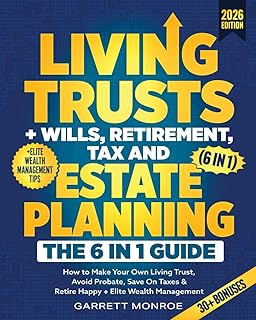
Each of these products has a long track record of positive ratings and is sold by reputable merchants. Always buy from the official Amazon link to avoid counterfeit copies.
Expert Insights and Actionable Checklists
I spoke with Sarah Mitchell, a cybersecurity specialist with over a decade in consumer fraud prevention. She emphasized that “safe online shopping isn’t about fear — it’s about building habits.” Here’s her checklist for every purchase.
Pre-Purchase Checklist
- Verify the seller URL. Type it manually or use a bookmarked link.
- Search for “scam [store name].” If Reddit or BBB has warnings, avoid.
- Check product images for watermarks. Scammers often steal photos from legitimate sites.
- Read at least 10 recent reviews from the last month. Look for patterns of “never received” or “wrong item.”
- Ensure the total price matches the advertised price — no hidden fees.
During Checkout
- Use a one-time virtual card number if available.
- Uncheck any auto-renewal or upsell boxes.
- Double-check the shipping address – especially if you’ve recently moved.
- Save the order confirmation page as a PDF or screenshot.
After Purchase
- Monitor your credit card statement for unknown charges. Use How to Respond if Your Personal Email Account Gets Hacked? to secure your inbox if you receive suspicious emails.
- Track your package only on the carrier’s official site.
- Report any suspicious activity to the FTC at ReportFraud.ftc.gov.
FAQ: Safe Online Shopping – Fake Stores, Payment Traps, and Delivery Scams
Q1: How can I tell if an online store is fake?
Look for typos in the URL, missing contact info, poor grammar, and prices that are drastically lower than anywhere else. Always cross-check with trusted review sites.
Q2: What should I do if I accidentally paid a scammer?
Contact your bank or credit card issuer immediately to dispute the charge. Freeze your card if necessary. Also change the password for that shopping account and enable two-factor authentication.
Q3: Are all deals on third-party marketplaces risky?
No, but you must vet the seller. On Amazon, check seller rating and read feedback. For unknown marketplaces, start with small purchases to test reliability.
Q4: Can I get a refund if my package is stolen?
Most retailers offer replacement or refund for stolen packages if you report it quickly. For high-value items, require a signature or use ship-to-store options.
Q5: What are the safest payment methods online?
Credit cards (with fraud protection) and payment services like PayPal (with buyer protection) are safest. Avoid wire transfers, gift cards, and cryptocurrency.
Q6: How do delivery scams work?
Fake tracking emails, phone calls requesting extra fees, and package redirection are the most common. Always verify tracking directly with the carrier.
Q7: Should I use the same password for all shopping sites?
Absolutely not. Use unique passwords for each site. Learn how to manage them without going crazy in How to Create and Manage Strong Passwords Without Going Crazy?.
Q8: What are the red flags for a fake shipping notification?
Urgent language (“Your package is held!”), generic greetings (not your name), and a link to a lookalike carrier domain. Hover over the link before clicking.
Q9: Is public Wi-Fi safe for online shopping?
No. Public Wi-Fi networks are easy to intercept. Use a VPN or shop only on your mobile data. See Public Wi-fi Safety: Do’s and Don’ts.
Q10: How does estate planning relate to safe online shopping?
Many estate planning resources (books, software) are purchased online. A scam could delay your life planning or expose sensitive financial information. Protect your digital assets the same way you protect your physical ones.
Final Thoughts: Build a Safer Shopping Routine
Safe online shopping isn’t about paranoia — it’s about developing habits that make scams irrelevant. By checking URLs, using secure payment methods, and tracking deliveries carefully, you can shop for everything from an estate planning guide to a new laptop with confidence.
Remember: if a deal feels off, trust your instinct. Walk away. There will always be another chance to buy that Living Trusts, Wills & Estate Planning for Seniors guide at a fair price — but only if you keep your money and identity secure.
Take a few minutes today to review your existing shopping accounts. Enable two-factor authentication, update weak passwords, and remove saved credit cards from sites you no longer use. Your future self — and your estate — will thank you.
For more detailed strategies on protecting your digital life, explore our complete series on Cybersecurity for Everyday Consumers: Simple Habits That Block Most Attacks and Cloud Storage Safety: Keeping Personal Photos and Documents Secure Online.