 Insurance Curator
Think of retirement accounts as the ultimate tax loophole—completely legal and designed to help you keep more of your hard-earned money. The secret? These accounts don’t just wait for retirement to deliver value; they start working for you the moment you contribute.
The core idea is simple: money you save in certain retirement accounts can lower your taxable income this year, reduce your tax bill every year while your investments grow, and potentially let you withdraw funds tax-free in retirement. It’s a triple threat against the taxman. And if you pair this strategy with a solid Tax Basics for Beginners: How Income Taxes Actually Work foundation, you’ll be miles ahead.
Mastering this approach requires more than just opening an IRA—it demands a holistic view of your finances. That includes budgeting! To truly maximize your contributions, you need a system to track your savings. One popular tool is the Budget Planner – Monthly Budget Book with Expense Tracker Notebook, Undated Bill Organizer & Finance Planner to Take Control of Your Money, Account Book to Manage Your Finances-Pink. It’s a hands-on way to see exactly where every dollar goes, so you can funnel more into tax-advantaged accounts.
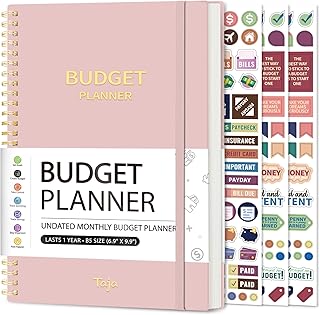
Now let’s dive deep into how retirement accounts reduce your taxes, both today and tomorrow—and how you can start benefiting immediately.
The Two Main Tax Flavors: Traditional vs. Roth
Every retirement account—whether it’s an IRA, 401(k), SEP IRA, or Solo 401(k)—falls into one of two tax categories: Traditional (tax-deferred) or Roth (tax-free). Understanding the difference is crucial because each gives you a different “tax reduction” today.
Traditional Accounts: Lower Your Tax Bill Right Now
With a Traditional IRA or 401(k), contributions are made with pre-tax dollars. That means the amount you contribute is subtracted from your gross income when calculating your taxable income.
Example: You earn $60,000 per year. You contribute $6,000 to a Traditional IRA. Your taxable income drops to $54,000. If you’re in the 22% tax bracket, that saves you $1,320 in immediate taxes ($6,000 × 22%).
This is the most direct way to reduce your tax bill today. The trade-off? You’ll pay ordinary income tax on the full amount when you withdraw it in retirement. But here’s the kicker: most people are in a lower tax bracket in retirement, so you likely pay less overall.
Roth Accounts: Pay Taxes Now, Enjoy Tax-Free Growth Later
Roth IRAs and Roth 401(k)s work in reverse. Contributions are made with after-tax dollars—no upfront deduction. But here’s where the magic happens: your money grows tax-free, and qualified withdrawals in retirement are entirely tax-free.
Example: You contribute $6,000 to a Roth IRA today. You don’t get a deduction now. But if that money grows to $50,000 by retirement, you pay zero taxes when you take it out. That’s huge for high-income earners who expect to be in the same or higher bracket later.
So which is better? It depends on your current tax rate versus your expected future rate. Many experts recommend diversifying—having both Traditional and Roth accounts to give you tax flexibility in retirement.
Beyond the Contribution Deduction: Tax Deferral and Compounding
The immediate tax deduction from a Traditional account is just the beginning. Once your money is inside a retirement account, it grows tax-deferred. That means you pay no taxes on dividends, interest, or capital gains each year. Only when you withdraw do taxes apply.
This tax-deferred compounding is incredibly powerful. Without annual taxes eating into your returns, your investments can compound at a higher effective rate. Over 20, 30, or 40 years, the difference can be hundreds of thousands of dollars.
Let’s compare:
| Scenario | Annual Growth (assume 7%) | Taxes Paid Yearly | After-Tax Balance (30 years) |
|---|---|---|---|
| Taxable account (15% capital gains) | 5.95% after taxes | Yes, annually | Approx. $320,000 |
| Traditional IRA (tax-deferred) | 7% no taxes until withdrawal | No | Approx. $430,000 |
(Assumes $6,000 annual contribution, 7% pre-tax return, and 15% capital gains tax in taxable account.)
That $110,000 difference is the power of tax deferral. And if you use a Roth, the final balance is completely tax-free—no tax even on the growth.
Employer Match: Free Money That Also Boosts Your Tax Strategy
If your employer offers a 401(k) match, this is arguably the highest-return investment you can make. Not only do you get free money, but that free money is also pre-tax (in a Traditional 401(k)) and grows tax-deferred.
Example: Your employer matches 100% of contributions up to 5% of your salary. You earn $50,000 and contribute 5% ($2,500). Your employer adds $2,500. That’s $5,000 going into your retirement account this year—and your taxable income is reduced by your contribution (plus the match is not taxed to you). You’ve essentially doubled your savings while lowering your taxes.
Remember to check your match structure. Even if you can’t max out your contributions, contribute enough to get the full match. It’s tax reduction and income all in one.
The Saver’s Credit: Another Tax Break for Low-to-Moderate Earners
Beyond deductions and deferrals, there’s a hidden gem: the Saver’s Credit (formally the Retirement Savings Contributions Credit). It’s a non-refundable tax credit available if you contribute to a retirement account and meet income limits.
Key details:
- For 2023/2024, single filers with AGI up to $36,500, or married couples filing jointly up to $73,000, may qualify.
- The credit is worth 10%, 20%, or 50% of your contribution (up to $2,000 for individuals, $4,000 for couples).
- So if you’re in the 50% credit tier and contribute $2,000, you get a $1,000 tax credit—reducing your tax bill dollar-for-dollar.
This can be stacked on top of the Traditional IRA deduction. For lower-income workers, retirement accounts can actually result in a negative tax bill (i.e., getting refunded more than you paid in). Budgeting becomes essential here to ensure you set aside enough to contribute. Use a tool like the SKYDUE Budget Binder, Money Saving Binder with Zipper Envelopes, Cash Envelopes and Expense Budget Sheets for Budgeting to allocate specific cash envelopes for your IRA contributions each month.

Advanced Tax Reduction Strategies: Backdoor Roth and Mega Backdoor Roth
High earners often face income limits for direct Roth IRA contributions. But there’s a legal workaround: the Backdoor Roth IRA. You contribute to a Traditional IRA (no income limit), then convert that amount to a Roth IRA. The conversion is taxable only on the growth, but if you do it quickly, you owe little to no tax.
This strategy allows high-income earners to get tax-free growth, effectively bypassing income caps. Implication: Today, you pay tax only on any pre-tax earnings in the Traditional IRA. Tomorrow, all future growth is tax-free.
For those with workplace 401(k) plans that allow after-tax contributions, there’s the Mega Backdoor Roth. You can contribute after-tax dollars beyond the regular $23,000 limit (2024 limits) up to $69,000 total (including employer match). Then convert those after-tax contributions to a Roth 401(k) or Roth IRA. Again, only growth is taxable at conversion, but future growth is tax-free.
These are advanced strategies, but they underscore the theme: retirement accounts aren’t just about saving for retirement—they’re powerful tax-planning vehicles.
How Budgeting Maximizes Your Contributions (and Tax Savings)
You can’t take advantage of these tax benefits if you don’t have cash to contribute. That’s where budgeting comes in. By tracking expenses and cutting waste, you free up money to pump into retirement accounts.
A structured approach works best. Use a dedicated planner like the Budget Planner – Monthly Budget Book with Expense Tracker Notebook, Undated Bill Organizer & Finance Planner to Take Control of Your Money, Account Book to Manage Your Finances-Black to map out your income and expenses, then set a “retirement savings” line item. Treat it like a fixed expense—pay yourself first.

Step-by-step budgeting for retirement contributions:
- Calculate your target monthly contribution (e.g., $500 to max out a Roth IRA).
- Review last month’s expenses; identify areas to cut (subscriptions, dining out).
- Set up automatic transfers from checking to your retirement account on payday.
- Track progress weekly using a budget binder or app.
- Reassess quarterly—if you get a raise, increase contributions.
Books can also help. Budgeting 101: From Getting Out of Debt and Tracking Expenses to Setting Financial Goals and Building Your Savings, Your Essential Guide to Budgeting offers a strong foundation for beginners who want to align their budget with tax-saving goals.
The Tomorrow Side: Tax-Free Income in Retirement
The second part of our title—“reduce your taxes tomorrow”—deserves special focus. Even if you don’t take the Roth route, you can strategically manage withdrawals from Traditional accounts to minimize taxes.
Consider this:
- Withdraw only enough to stay in the 0% or 10% tax bracket.
- Use Roth accounts for large purchases (no tax).
- Combine Social Security (partially taxable) with Traditional withdrawals to keep total income low.
The goal is to create a stream of tax-efficient income that leverages the 12% bracket or lower. If you saved enough in a Roth, you could even have a completely tax-free retirement. That’s the ultimate “tomorrow” benefit.
But to get there, you need a plan today. Tax planning is not just for filing season; it’s a year-round activity. Check out Tax Planning Moves to Make before Year-end, Not at Filing Time for actionable ideas.
Common Mistakes That Undermine Your Tax Savings
Even with the best intentions, many people miss out on tax reductions due to simple errors:
- Not contributing enough to get the full employer match — Leaving free money on the table.
- Overlooking the Saver’s Credit — If your income is low, you qualify for a credit, not just a deduction.
- Failing to convert before the account grows — A backdoor Roth works best when the Traditional IRA has a near-zero balance.
- Ignoring required minimum distributions (RMDs) — Starting at age 73, you must withdraw from Traditional accounts; failing to plan can push you into a higher bracket.
- Not coordinating with other tax strategies — For example, contributing to a Traditional IRA while also itemizing deductions can affect your overall savings.
Avoiding these pitfalls is easier when you track your finances meticulously. The NICOOTHBudget Binder Cash Envelopes A6 Money Saving Binder with Zipper envelopes (Purple) helps you stay organized, especially if you’re using the envelope system for variable expenses.

Internal Links to Deepen Your Understanding
To fully grasp how retirement accounts fit into your broader tax strategy, explore these related topics:
- How to Lower Your Tax Bill Legally Using Common Deductions and Credits?
- Freelancer and Gig Worker Taxes: What You Must Track All Year
- Common Tax Filing Mistakes That Trigger Delays or Audits
- How Side Hustles Change Your Taxes and What to Do About It?
- Understanding Capital Gains Taxes on Investments and Crypto
- Tax Considerations When Choosing Between Traditional and Roth Accounts
- How Major Life Events—marriage, Kids, Divorce, Homebuying—affect Your Taxes?
Each link provides a deeper dive into specific tax situations that can interact with your retirement savings strategy.
Practical Steps to Start Reducing Taxes Today
Ready to act? Follow this checklist:
- Open a Traditional or Roth IRA (if you don’t have one).
- Enroll in your workplace 401(k) and contribute at least up to the match.
- Check your income against Saver’s Credit thresholds.
- Set a monthly contribution goal and automate it.
- Use Budgeting 101 to build a budget that prioritizes savings.
- Consider a backdoor Roth if your income is too high for direct Roth contributions.
- Review your year-end tax-planning moves before December 31.
FAQ: Retirement Accounts and Taxes
Below are answers to the most common questions about reducing taxes with retirement accounts. (Structured data follows at the end.)
Q: Can I deduct my 401(k) contributions on my tax return?
A: Yes. Traditional 401(k) contributions are pre-tax, so they reduce your W-2 wages reported to the IRS. You don’t need to claim them separately—they’re already deducted on your W-2.
Q: What’s the difference between a tax deduction and a tax credit?
A: A deduction lowers your taxable income (saves you a percentage). A credit reduces your tax bill dollar-for-dollar. The Saver’s Credit is a credit; Traditional IRA contributions are a deduction.
Q: If I convert my Traditional IRA to Roth, when do I pay tax?
A: In the year you convert. The amount converted (plus any pre-tax earnings) is added to your ordinary income. That’s why it’s best to convert in low-income years.
Q: Are Roth IRA withdrawals always tax-free?
A: Qualified withdrawals (after age 59½ and account age of 5 years) are tax-free. Non-qualified withdrawals may be subject to penalties and taxes on earnings.
Q: How does my tax bracket affect the decision between Traditional and Roth?
A: If you’re in a higher bracket now and expect a lower bracket in retirement, Traditional is better. If you’re in a low bracket now and expect higher later, Roth wins.
Q: What happens if I contribute more than the allowed amount?
A: You face a 6% excess contribution penalty each year until you remove the excess. Use IRS Form 5329 to correct it.
Q: Can I have both a 401(k) and an IRA?
A: Yes. But if your income is above certain levels, your Traditional IRA deduction might be limited if you’re covered by a workplace plan. Roth IRAs have income limits for direct contributions.
Q: Do I have to take RMDs on Roth accounts?
A: No, Roth IRAs have no RMDs during the original account owner’s lifetime. Roth 401(k)s do have RMDs, but you can avoid them by rolling the money into a Roth IRA before age 73.
Final Thoughts: Your Tomorrow Starts with a Budget Today
Retirement accounts offer a dual benefit: immediate tax relief and future tax-free or tax-deferred growth. But the size of that benefit depends entirely on how much you can set aside. A strong budget is your launchpad.
By pairing a disciplined budget with strategic use of Traditional and Roth accounts, you’re not just saving for retirement—you’re actively lowering your lifetime tax bill. Start today by picking the budget planner that fits your style, and commit to increasing your retirement contribution by even 1% of your income. Your future self—and your tax preparer—will thank you.