 Insurance Curator
You’ve got the drive to earn more. Maybe you’ve already started a side hustle—selling crafts on Etsy, driving for rideshare, freelancing on Upwork. But there’s a big difference between earning extra cash here and there and building a reliable second income. That difference? Budgeting.
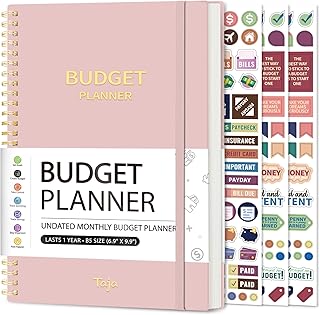
Without a clear financial plan, your side hustle earnings can vanish into daily expenses, surprise tax bills, or hit-or-miss spending. The good news? You can turn that freelance gig into a steady second paycheck by treating it like a micro-business. This guide walks you through exactly how—from choosing the right hustle to tracking every dollar with tools like the Budget Planner – Monthly Budget Book with Expense Tracker Notebook, Undated Bill Organizer & Finance Planner to Take Control of Your Money, Account Book to Manage Your Finances-Pink.
Whether you’re a parent squeezing in work after bedtime or a 9–5 professional building a side business, the principles here will help you go from sporadic gigs to a consistent, reliable stream of income.
Why Budgeting Is the Secret to a Successful Side Hustle
Most beginners make one critical mistake: they treat side hustle money as “fun money.” It isn’t. That cash has to cover taxes, business expenses, and—if you want it to be reliable—savings for slow months. Budgeting gives you control.
Here’s what a solid side-hustle budget does for you:
- Predictability: Know exactly how much you need to earn each month to hit your goals.
- Tax readiness: Set aside 15–30% of every payment so April doesn’t sting.
- Reinvestment: Allocate funds for tools, ads, or training to grow your hustle.
- Profit clarity: See whether your time investment is actually paying off.
Without a budget, you’re flying blind. With one, you’re steering a ship.
Choosing the Right Side Hustle for Your Lifestyle and Budget
Not every side hustle is created equal. Some demand upfront cash (e.g., buying inventory for an online store). Others require zero money to start. Your budget should guide your choice.
Low-cost, high-flexibility options:
- Freelance writing, graphic design, virtual assisting
- Selling digital products (planners, templates, courses)
- Pet sitting, dog walking, house cleaning
- Rideshare or food delivery (requires vehicle, but low entry)
Options requiring some upfront investment:
- Etsy or Amazon FBA (inventory, packaging)
- Photography (camera, editing software)
- Coaching or consulting (certification, marketing)
Before diving, ask yourself: Can I afford to invest money, or should I prioritise time? For more guidance, read our deep dive on How to Choose the Right Side Hustle Based on Your Skills and Lifestyle?.
If you’re short on cash, start with our list of Side Hustles You Can Start with Little to No Money Upfront. These are perfect for teens, students, or anyone bootstrapping their way to a second income.
Setting Up Your Side Hustle Finances Like a Business Owner
The moment you earn your first dollar from a side hustle, that money belongs to a business. Treat it that way.
Step 1: Open a Separate Bank Account
Mixing personal and business income leads to tax headaches and sloppy budgeting. Open a free checking account just for your hustle. Even if you only deposit $50 a month, the separation makes tracking effortless.
Step 2: Use a Budgeting System That Works for You
You can go digital with apps like YNAB or EveryDollar, but many hustlers prefer the tactile feel of a paper planner. The NICOOTH Budget Binder Cash Envelopes A6 Money Saving Binder with Zipper envelopes (Purple) is a popular choice for cash-based expense tracking—especially if you handle a lot of small payments like market stalls or yard sales.

Why a binder works: You can physically sort cash into envelopes for taxes, reinvestment, and personal spending. It’s an old-school method that prevents overspending.
Step 3: Track Every Expense, No Matter How Small
A $10 gas receipt for a delivery gig, a $5 subscription for Canva, a $25 domain name—these add up. If you don’t record them, you lose deductions at tax time.
The SKYDUE Budget Binder, Money Saving Binder with Zipper Envelopes, Cash Envelopes and Expense Budget Sheets for Budgeting comes with dedicated expense sheets and zipper envelopes to store receipts. It’s rated 4.7 stars for good reason: it keeps everything organised in one place.

Building a Realistic Side Hustle Budget (With Examples)
A budget for your side hustle has three main categories:
- Taxes – Set aside a fixed percentage (e.g., 25% of every payment).
- Business expenses – Software, supplies, marketing, transport.
- Personal profit – What you actually keep or reinvest for growth.
Example monthly budget for a freelance writer earning $800/month:
| Category | Percentage | Amount |
|---|---|---|
| Taxes | 25% | $200 |
| Software (Grammarly, Canva, hosting) | 10% | $80 |
| Marketing (LinkedIn Premium, ads) | 5% | $40 |
| Equipment fund (laptop upgrade) | 10% | $80 |
| Personal profit / savings | 50% | $400 |
Notice that half goes to you. But if you need the money to pay bills, adjust the personal profit slice to 70% and cut marketing. The key is to plan before you spend.
Want a deeper dive into balancing full-time work and a side hustle without burning out? Read How to Avoid Burnout While Balancing a Full-time Job and a Side Hustle?.
Budgeting Tools That Make Tracking Easy
You don’t need an expensive app to manage side hustle money. A simple planner or binder, combined with a basic spreadsheet, does the job. Here are the top-rated physical tools from Amazon that budgeting beginners love.
Budget Planner – Monthly Budget Book (Pink or Black)
These undated planners by the same brand come in pink or black. Each has sections for income, expenses, bill tracking, and financial goals. Perfect for side hustlers who prefer writing over typing.

Best for: Visualising monthly cash flow and setting recurring side-hustle savings targets.
Budgeting 101: The Book That Teaches the Why
If you’re new to personal finance, Budgeting 101: From Getting Out of Debt and Tracking Expenses to Setting Financial Goals and Building Your Savings, Your Essential Guide to Budgeting is a must-read. It covers everything from zero-based budgeting to handling irregular income—exactly what side hustlers deal with.

Best for: Understanding why budgeting matters and how to adjust when your side-hustle income fluctuates.
Tax Basics Every Side Hustler Must Know (Especially for Budgeting)
Budgeting without accounting for taxes is like building a house on sand. Most side hustlers owe self-employment tax (about 15.3%) plus income tax. That means 25–35% of every dollar earned may go to the government.
How to budget for taxes:
- Set up a separate savings account just for tax money.
- Transfer 25% of each payment immediately, before you spend a cent.
- Make quarterly estimated tax payments if you expect to owe more than $1,000.
For a full breakdown, see Tax and Legal Basics for Side Hustles: What New Earners Need to Know. It explains deductions (home office, mileage, equipment) that reduce your taxable income—and your tax bill.
Scaling Your Side Hustle: When and How to Raise Prices or Outsource
Once you have a reliable income stream, it’s tempting to work more hours. But real reliability comes from scaling smartly—not just grinding.
Signs it’s time to scale:
- You have more clients than you can handle.
- You’re turning down work because of time constraints.
- Your profit margin is solid, and you have savings.
Ways to scale without losing your mind:
- Raise prices. A 20% price increase on the same client load can boost income without extra hours.
- Outsource low-value tasks. Hire a virtual assistant for $5–10/hour to handle scheduling or social media.
- Create passive income. Digital products (e-book, course, templates) sell while you sleep.
For a step-by-step guide, check out Scaling a Side Hustle: When and How to Raise Prices, Outsource, or Expand.
Avoiding Burnout: The Budgeting-Self-Care Connection
Many side hustlers fall into the trap of working every spare moment. That’s a recipe for burnout and, ironically, less reliable income because you won’t have energy to keep going.
Budget your time as strictly as your money.
- Set a weekly side-hustle hour limit (e.g., 10 hours).
- Schedule at least one full day off from hustling.
- Use a standard budget for personal expenses so you don’t feel pressure to earn extra to cover overspending.
If you’re a parent juggling work and family, read Side Hustles for Parents: Flexible Ways to Earn Around Family Life for strategies that fit your schedule.
Online vs. Offline Side Hustles: Which Earns More and Which Lasts?
This is a common crossroad. Online hustles (freelancing, dropshipping, affiliate marketing) can scale infinitely. Offline hustles (dog walking, tutoring, cleaning) often have capped earnings because your time is limited.
Quick comparison:
| Factor | Online Side Hustles | Offline Side Hustles |
|---|---|---|
| Upfront cost | Low to medium | Low (transport, tools) |
| Scaling potential | High (digital products) | Low (your hours) |
| Sustainable | Yes, with effort | Yes, but can be physically draining |
| Tax deductions | Home office, software, internet | Mileage, equipment, supplies |
For a full analysis, see Online Side Hustles vs. Offline Gigs: Which Earn More and Which Are Sustainable?.
Common Budgeting Mistakes That Kill Side Hustle Reliability
Even with good intentions, hustlers stumble. Here are the top three mistakes—and how to avoid them.
1. Not separating personal and business money.
Fix: Open a separate bank account and use a dedicated planner like the SKYDUE Budget Binder.
2. Forgetting irregular expenses.
Fix: Build a “business expense buffer” in your budget—set aside $50–100/month for unexpected costs like a broken laptop or new software.
3. Ignoring seasonality.
Fix: If your hustle is seasonal (holiday crafts, summer tutoring), save 20–30% of peak earnings for lean months.
How a Reliable Second Income Changes Your Life
When your side hustle becomes a second income—not a gamble—you gain freedom. You can pay off debt faster, build an emergency fund, or invest in experiences you love. But the transformation doesn’t happen by accident. It happens when you budget your hustle with intention.
Key takeaways:
- Start with a clear budget using a physical tool or book.
- Track every dollar earned and spent.
- Set aside taxes immediately.
- Reinvest a portion to scale.
- Protect your time to avoid burnout.
Ready to take the next step? If you’re a college student or teen looking for safe ways to earn, read Side Hustles for Teens and College Students: Safe and Legit Ways to Make Money.
Frequently Asked Questions (FAQ)
Q1: How much should I save for taxes on my side hustle?
A: Set aside 25–30% of each payment. This covers self-employment tax and federal income tax. If you live in a state with income tax, add 5–10%.
Q2: What if my side hustle income varies wildly month to month?
A: Use a zero-based budget. In high-earning months, save extra to cover low months. Your budget planner or binder can help track this.
Q3: Do I need a separate bank account for my side hustle?
A: Strongly recommended. It makes tax filing and expense tracking much easier. Even a free checking account works.
Q4: Can I deduct business expenses if I use a paper budget binder?
A: Absolutely. Keep receipts and record them in the expense sheets of your binder. At tax time, transfer totals to your Schedule C or tax software.
Q5: How do I know when to quit my day job for my side hustle?
A: Wait until your side hustle consistently earns 1.5x your current monthly expenses for at least six months. Read our guide on scaling before making the leap.
Q6: Are online side hustles more reliable than offline ones?
A: They can be, if you have multiple income streams. Offline hustles (e.g., dog walking) tend to have steady local demand. The most reliable approach is to combine both.
Q7: What’s the best budget planner for a side hustler?
A: The Budget Planner – Monthly Budget Book (Pink or Black) offers undated pages and bill trackers. For a cash system, the SKYDUE Budget Binder is excellent.
Q8: How can I avoid burnout while balancing a full-time job and side hustle?
A: Set strict hours, take at least one day off per week, and use a budget for your time—treat hustle hours like money you can’t waste.