 Insurance Curator
Emerging from a debt settlement or bankruptcy can feel like stepping out of a long, dark tunnel. You have finally cleared the legal and financial obstacles that were holding you back. Yet the journey is far from over. The real work begins now—rebuilding your financial foundation from the ground up.
Budgeting is your most powerful tool during this phase. Without a clear, realistic budget, even a fresh start can quickly turn into old patterns. According to a 2023 study by the Financial Health Network, nearly 60% of Americans who filed for bankruptcy returned to unhealthy debt within five years. The difference between those who succeed and those who relapse is often a disciplined, well-structured budget.
This guide will walk you through a comprehensive, step‑by‑step plan to rebuild your finances after a debt settlement or bankruptcy—focusing on budgeting as the core strategy. You will learn how to create a zero‑based budget, track every dollar, rebuild your credit, and build lasting financial stability. We will also recommend practical tools to keep you on track, such as the Budget Planner – Monthly Budget Book with Expense Tracker Notebook (rated 4.6 stars) and the SKYDUE Budget Binder (rated 4.7 stars) to help you stay organised.
Let’s dive in.
Understand Your New Financial Landscape
A debt settlement or bankruptcy wipes the slate clean, but it also leaves a mark. Your credit score will be lower, and some doors—like premium credit cards or low‑rate mortgages—may be temporarily closed. Accepting this reality is the first step.
- Bankruptcy stays on your credit report for 7 to 10 years (Chapter 13: 7 years; Chapter 7: 10 years).
- Debt settlements remain as “settled” accounts for 7 years.
- Interest rates on any new credit will be high, so borrowing should be avoided unless absolutely necessary.
Your budget must now account for these constraints. You cannot rely on credit to bridge gaps. Every dollar you spend should come from your actual income.
Embrace the Zero‑Based Budget
The zero‑based budget method is the gold standard for rebuilding after financial trauma. Every dollar you earn has a job—whether it goes to bills, savings, debt payments, or discretionary spending. At the end of the month, your income minus expenses equals zero.
Why it works:
- Forces you to assign every dollar intentionally.
- Eliminates “surprise” overspending.
- Builds accountability because you see exactly where money goes.
Steps to create your zero‑based budget:
- List your monthly income (after taxes): include salary, side gig, child support, etc.
- List all expenses (fixed and variable): rent, utilities, groceries, insurance, transportation, minimum debt payments.
- Subtract expenses from income – the difference should be zero. If there is a surplus, assign it to savings or extra debt payments. If negative, cut variable expenses or find additional income.
- Track every transaction – use a physical budget planner or an app.
Example:
| Income | Amount |
|---|---|
| Salary (net) | $3,200 |
| Freelance work | $400 |
| Total Income | $3,600 |
| Expenses | Budgeted |
|---|---|
| Rent | $1,200 |
| Utilities | $200 |
| Groceries | $400 |
| Transport | $150 |
| Insurance | $250 |
| Debt repayment | $300 |
| Savings | $300 |
| Dining out | $100 |
| Misc. | $100 |
| Total Expenses | $3,600 |
Notice that savings and debt repayment are built in. This structure prevents you from living paycheck to paycheck.
Track Every Dollar with a Physical Binder or Notebook
While digital apps are popular, many people find that writing down expenses increases mindfulness and retention. The simple act of pen to paper forces you to think twice before spending.
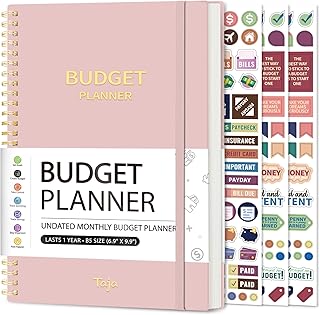
The Budget Planner – Monthly Budget Book with Expense Tracker Notebook (available in pink or black) is an undated organizer that helps you track income, bills, and variable spending. With a 4.6‑star rating and a price of $8.99, it is a low‑cost investment that can save you hundreds by preventing overspending.
For those who prefer a cash envelope system—highly recommended after bankruptcy—the NICOOTH Budget Binder Cash Envelopes A6 Money Saving Binder (purple) includes zippered envelopes for each category. At $6.28 and rated 4.6 stars, it provides a tactile way to stick to your budget.
Alternatively, the SKYDUE Budget Binder (rated 4.7 stars, $8.98) comes with expense tracking sheets and cash envelopes, giving you an all‑in‑one system to monitor your progress.
Pro tip: Use the cash envelope system for categories where you tend to overspend, like groceries or entertainment. Once the cash is gone, you stop spending.
Rebuild Your Credit Slowly and Strategically
After bankruptcy or settlement, your credit score may be in the 500s or 600s. Rebuilding requires a deliberate, step‑by‑step approach.
- Get a secured credit card. You deposit a small amount (e.g., $200–$500) as collateral, and that becomes your credit limit. Use it for one small recurring bill (like Netflix) and pay it off in full each month.
- Become an authorised user on a trusted family member’s card with a long, clean history.
- Pay all bills on time – your payment history counts for 35% of your FICO score. Set up autopay or calendar reminders.
- Keep credit utilization below 30% – if your limit is $500, never carry a balance above $150.
Do not apply for multiple credit cards at once. Each hard inquiry can temporarily drop your score a few points. Focus on one or two accounts and use them responsibly.
Your budget should include a line item for credit building tools—the annual fee on a secured card (often around $0–$25) and the amount you charge each month.
Build an Emergency Fund (Even $500 Matters)
One of the leading causes of relapse into debt is an unexpected expense—car repair, medical bill, job loss. Without an emergency fund, you will be forced to borrow at high rates or use credit cards, undoing your progress.
How to start:
- Goal 1: Save $500–$1,000 as quickly as possible. Cut all non‑essential spending for 2–3 months.
- Goal 2: Build up to 3–6 months of essential expenses (rent, food, utilities, insurance).
Treat your emergency fund as a non‑negotiable expense in your budget. Even if you can only save $25 per week, it adds up.
Increase Your Income to Accelerate Rebuilding
A budget can only control what you spend, but increasing income gives you more breathing room. After bankruptcy, many people find that side hustles or overtime can accelerate their recovery.
Ideas to boost income:
- Freelance writing, graphic design, or virtual assistance.
- Driving for a ride‑share or delivering food.
- Selling unused items online (clothing, electronics, furniture).
- Taking on a part‑time evening or weekend job.
Dedicate 100% of this extra income to either:
- Building your emergency fund, or
- Paying down any remaining high‑interest debt (if allowed after settlement).
Avoid Common Pitfalls That Derail Recovery
Even with a solid budget, emotional triggers can cause you to relapse. Be aware of these traps:
- Lifestyle creep: After a few months of success, it is easy to justify small luxuries. Stick to your budget until your emergency fund and savings are solid.
- Making minimum payments only: After bankruptcy, you may have no debt, but if you open a credit card, pay the full balance each month.
- Ignoring the “hidden” costs: Annual fees, late fees, and ATM charges add up. Include them in your budget.
- Not adjusting your budget: Life changes—car repairs, rent increases, new job. Review your budget monthly and make adjustments.
For a deeper look at how to prioritise multiple debts during recovery, read our guide on How to Prioritize Multiple Debts Without Hurting Your Credit?.
Use Educational Resources to Stay Motivated
Knowledge is your best armour against financial relapse. Consider a book like Budgeting 101: From Getting Out of Debt and Tracking Expenses to Setting Financial Goals and Building Your Savings. At $9.69 with a 4.6‑star rating, it covers the fundamentals of budgeting, saving, and goal setting—perfect for someone rebuilding after bankruptcy.
Understanding bigger debt management strategies can also help. Our article Debt Management 101: a Step‑by‑step Plan to Get out of Debt Faster provides a framework that applies even after settlement, as you avoid falling back into debt.
Create a Monthly Budget Review Routine
Rebuilding your finances is not a one‑time event. It requires ongoing attention. Schedule a budget review date every month—maybe the last Sunday of the month.
During this review:
- Compare actual spending to your budget.
- Identify categories where you overspent.
- Adjust next month’s budget accordingly.
- Celebrate wins (e.g., you stuck to your grocery budget!).
Use your physical planner or binder to note down lessons learned. Over time, you will develop a keen sense of your financial habits.
The Budget Planner – Monthly Budget Book with Expense Tracker Notebook (Black edition) (also $8.99, 4.6 stars) is a great tool for this routine. You can keep all your monthly budgets in one book and see your progress over time.
How to Talk to Family About Your New Budget
If you live with a partner or family, rebuilding finances is a team effort. Open communication prevents resentment.
- Hold a monthly family budget meeting. Show everyone your spending plan.
- Agree on shared goals (e.g., a vacation fund after 12 months of good behaviour).
- Set boundaries – explain why you cannot lend money or give in to impulse purchases.
If you are managing debt on a low income, our article Managing Debt on a Low Income: Practical Moves That Make a Real Difference offers targeted advice for tight budgets.
When to Reintroduce Credit Cards
After bankruptcy, the conventional wisdom is to avoid credit cards forever. But if you toss them aside completely, you miss the opportunity to rebuild a positive credit history. The key is timing and discipline.
- Wait 6–12 months after your bankruptcy discharge before applying for a secured card.
- Only use the card for expenses you already budgeted for (like groceries or gas).
- Pay the balance in full every week to avoid interest and keep utilization low.
Never treat the card as an emergency fund. That is what your cash savings are for.
The Role of Debt Management Programs After Settlement
If you settled debts but still owe money to some creditors, a formal debt management plan (DMP) might help. DMPs consolidate your payments through a credit counselling agency, often reducing interest rates.
However, be cautious: enrolling in a DMP can prevent you from opening new credit until it is paid off. Weigh the pros and cons. For more details, see our article When to Consolidate Debt and When to Avoid It Completely?.
Long‑Term Wealth Building After Bankruptcy
Once you have a stable budget, an emergency fund, and a credit score in the mid‑600s, you can start thinking about wealth building.
- Automate savings – direct a percentage of each paycheck to a high‑yield savings account.
- Contribute to a retirement account – even $50 per month in a Roth IRA grows over decades.
- Invest in yourself – take courses, earn certifications, or start a side business.
Your budget should now include categories for investments and education. Do not rush into stocks or real estate until your financial foundation is solid.
Final Thoughts: You Can Rebuild
A debt settlement or bankruptcy is not a life sentence. It is a second chance—but only if you treat it that way. Budgeting is the engine that drives your recovery. With a zero‑based budget, a physical tracker, and consistent habits, you can regain control of your money and your future.
Start today. Grab a budget planner like the SKYDUE Budget Binder or the NICOOTH Binder, write down your next month’s income and expenses, and commit to tracking every dollar. Within six months, you will see progress. Within two years, you may have a stronger financial life than before your setback.
Remember, the journey of a thousand miles begins with a single step—and that step is a written budget.
Frequently Asked Questions (FAQ)
1. How long does it take to rebuild credit after bankruptcy?
A discharged Chapter 7 bankruptcy stays on your credit report for 10 years, but you can start rebuilding immediately. With consistent on‑time payments and low credit utilization, you may see a score in the 600s within 12–18 months.
2. Should I use a budget binder or a digital app after bankruptcy?
Both work, but a physical binder helps reinforce mindful spending. Many people find writing down expenses more effective. The SKYDUE Budget Binder (4.7 stars) is an excellent physical option.
3. Can I get a mortgage after bankruptcy?
Yes, but you typically need to wait 2–4 years after a Chapter 7 discharge. During that time, maintain a strong budget, stable income, and a credit score above 620.
4. What is the biggest mistake people make after debt settlement?
Returning to old spending habits. Without a written budget, you risk accumulating new debt quickly. A zero‑based budget prevents this.
5. Should I close old credit accounts after bankruptcy?
Keep accounts that are in good standing (if they survived the bankruptcy) because they add to your credit history length. Close only those with high annual fees or high interest you don’t want to use.
6. How much should I save for emergencies after bankruptcy?
Start with $500–$1,000 as a mini emergency fund, then build gradually to 3–6 months of essential living expenses.