 Insurance Curator
Let’s be honest: cutting up your credit cards feels terrifying. For years, you’ve relied on that plastic safety net to cover groceries, gas, and unexpected car repairs. The thought of living without it can trigger panic. But here’s the truth most financial experts won’t say out loud: you can stop using credit cards without sinking your finances. In fact, the right strategy can actually leave you more secure.
This guide isn’t about shame or deprivation. It’s a step-by-step, real-world roadmap to break the habit while keeping your bills paid, your savings growing, and your stress levels low. We’ll cover budgeting tools like the Budget Planner – Monthly Budget Book with Expense Tracker Notebook, the cash envelope system, and psychological tricks that make the transition stick. By the end, you’ll have a complete action plan to go card-free and thrive.
Why Stopping Credit Cards Feels Impossible (And Why It’s Not)
Credit cards are designed to be addictive. They decouple the pain of spending from the pleasure of buying. When you swipe, your brain doesn’t register the loss the same way it does when you hand over cash. That’s why the average American carries over $6,000 in credit card debt, according to recent Federal Reserve data.
But the moment you stop using cards, you face three immediate challenges:
- Liquidity gaps: You may not have enough cash on hand to cover large purchases.
- Emergency risk: Without a card, how do you handle a broken furnace or a medical bill?
- Habit withdrawal: You’ve trained yourself to pay with plastic. Breaking that pattern requires new systems.
The good news? With the right budgeting framework, you can solve all three. The key is to replace the credit card’s convenience with a cash-based system that is equally (if not more) effective.
Step 1: Build a Concrete Budget That Works Without Plastic
Before you ditch the cards, you need a budget that tells your money where to go. Without one, you’ll default to panic spending or overspending from your checking account.
The Zero-Based Budget Method
This method assigns every dollar a job: income minus expenses equals zero. It forces you to plan for every category—groceries, rent, savings, fun money—so there’s no “extra” to blow on impulse buys.
How to start:
- List all income sources (after tax).
- Write down every fixed expense (rent, insurance, subscriptions).
- Estimate variable costs (food, gas, entertainment) based on past three months.
- Allocate remaining money to debt repayment and savings.
A zero-based budget works brilliantly with the Budgeting 101: From Getting Out of Debt and Tracking Expenses to Setting Financial Goals and Building Your Savings book. That resource walks you through the exact steps to create a personalized budget that leaves no room for accidental overspending.

The 50/30/20 Rule (Simpler Alternative)
If zero-based feels too rigid, try the 50/30/20 split:
- 50% needs – housing, utilities, groceries, minimum debt payments.
- 30% wants – dining out, streaming, hobbies.
- 20% savings/debt – emergency fund, extra debt payments, retirement.
Print a Budget Planner – Monthly Budget Book with Expense Tracker Notebook, Undated Bill Organizer & Finance Planner to Take Control of Your Money, Account Book to Manage Your Finances – Black and fill it out weekly. Physically writing down spending makes you more conscious than any app.
Step 2: Switch to a Cash Envelope System Immediately
The cash envelope system is the single most effective way to stop using credit cards. It forces you to spend only what you have, in real time. When the envelope is empty, you stop spending.
How It Works
- Label envelopes for categories where you tend to overspend (groceries, dining, entertainment, gas).
- Withdraw cash for each envelope at the start of the month (or week).
- Only use that cash for those expenses. No card backup.
Tips for success:
- Keep emergency envelopes for medical or car repairs.
- Use a separate envelope for “fun money” so you don’t feel deprived.
- Track leftover cash and roll it into next month or savings.
The NICOOTH Budget Binder Cash Envelopes A6 Money Saving Binder with Zipper Envelopes (Purple) is perfect for this. It comes with zipper envelopes to keep your cash organized and secure. No more loose bills in your bag.

For a more comprehensive kit, the SKYDUE Budget Binder, Money Saving Binder with Zipper Envelopes, Cash Envelopes and Expense Budget Sheets for Budgeting includes pre-printed budget sheets and multiple envelopes. It simplifies the transition because everything is in one binder.

Real-Life Example
Meet Sarah. She was using credit cards for everything, racking up $300 in interest monthly. She switched to the cash envelope system using the SKYDUE binder. She withdrew $500 for groceries, $200 for dining, and $150 for gas each month. By week three, she had to cook at home because the dining envelope was empty. She saved $180 that month and paid off her card in eight months.
Step 3: Build a Small Emergency Fund (Even While Paying Debt)
The number one reason people fall back on credit cards is an unexpected expense. If you have no savings, a $1,000 car repair will force you to swipe.
How to build a starter emergency fund:
- Target $1,000 first (Dave Ramsey’s classic Baby Step).
- Cut one small expense – cancel one streaming service, skip takeout twice a week.
- Sell unused items – clothes, electronics, furniture on Facebook Marketplace.
- Use windfalls – tax refunds, bonuses, gifts go straight to savings.
Once you have that $1,000 cushion, you can confidently leave the credit cards at home. An emergency fund replaces the card as your safety net.
Step 4: Automate Your Finances to Remove Temptation
Willpower is a limited resource. Instead of relying on it, set up systems that make spending without cards automatic.
What to automate
- Bills – set up autopay from your checking account for rent, utilities, insurance.
- Savings – auto-transfer a fixed amount to a savings account on payday.
- Debt payments – schedule extra principal payments so you don’t have to remember.
When everything is automated, the only thing left to manage is your variable spending. And that’s where the cash envelopes take over.
Step 5: Use a Physical Expense Tracker (Not an App)
Apps are convenient, but research shows that handwriting expenses increases retention and reduces overspending. The act of writing makes you more mindful.
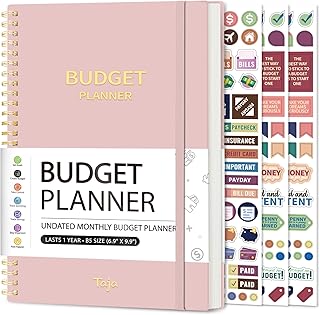
The Budget Planner – Monthly Budget Book with Expense Tracker Notebook, Undated Bill Organizer & Finance Planner to Take Control of Your Money, Account Book to Manage Your Finances – Pink is a best-seller for good reason. It has monthly and weekly spreads, bill tracker pages, and a debt payoff log.
How to use it:
- Write every expense the day it happens.
- At month-end, compare actual vs. budgeted amounts.
- Adjust next month’s budget based on real data.
Within three months, you’ll know exactly where your money goes. That awareness alone often cuts spending by 10–15%.
Step 6: Address the Psychological Hooks
Credit cards are tied to rewards, convenience, and status. To quit them, you need to replace those emotional benefits.
Reward Replacement
If you earn cash back or points, calculate how much you actually get. For most people with high interest debt, the rewards are far outweighed by interest charges. Redirect that “reward” into a sinking fund for something you truly want, like a vacation or a new laptop.
Convenience Replacement
- Use debit cards for online purchases (keep relatively low balance).
- Pre-order groceries via pickup to avoid impulse buys.
- Keep cash in a designated “gas envelope” so you never have to swipe.
Social Pressure
Family and friends may question why you’re paying cash. Have a simple answer: “I’m on a cash-only challenge to save money.” Most people will respect it, and you may inspire them to try.
Step 7: Pivot to Debt Management Strategies
If you have existing credit card debt, stopping usage is step one. Paying off the balance is step two.
Combine your new cash-based lifestyle with proven payoff methods:
- Debt Snowball – pay smallest debts first for quick wins.
- Debt Avalanche – pay highest interest first to save money.
Both strategies work better when you aren’t adding new charges. To learn which is best for your situation, read our detailed comparison: Debt Snowball vs. Debt Avalanche: Which Payoff Strategy Saves You More?.
Step 8: Plan for Large Purchases Without a Credit Card
One of the biggest fears about going card-free is handling big-ticket items like appliances, plane tickets, or furniture. Here’s how to do it:
- Sinking funds – set aside cash each month until you hit the target. For example, $50/week for a $1,000 sofa = 20 weeks.
- Layaway programs – many retailers still offer interest-free layaway.
- Buy now, pay later – use only if you can pay off within the promotional period (and avoid the trap of multiple BNPL loans).
The cash envelope binder also works for sinking funds. Label an envelope “New TV” and add money monthly.
Step 9: Review and Adjust Monthly
Quitting credit cards is not a one-time decision. It’s a habit that requires regular maintenance.
Monthly review checklist:
- Did I stick to my cash envelopes? If not, where did I slip?
- Did I use the credit card for anything? Why?
- Is my emergency fund still intact?
- Did I overspend in any category? Adjust the envelope amounts.
Use your Budget Planner to record these reviews. Over time, you’ll fine-tune your system until it feels effortless.
Common Pitfalls (And How to Avoid Them)
| Pitfall | Why It Happens | Solution |
|---|---|---|
| Running out of cash mid-month | Underestimating variable costs | Review last 3 months’ spending and increase envelope amounts by 10% |
| Using debit card for everything | Convenience over discipline | Freeze debit card in a bowl of water (literally) so you have to plan ahead |
| Feeling deprived | No fun money in budget | Always include a “guilt-free” envelope for movies, coffee, or hobbies |
| Emergency wipes out savings | Fund too small | Build up to 3–6 months of expenses once debt is gone |
How to Negotiate with Creditors While Going Card-Free
If you already have high-interest debt, leaving cards behind is only half the battle. You also want to lower your interest rate so more of your payment goes to principal.
Script for calling your card issuer:
“I’ve been a loyal customer for X years. I’m currently working on a debt payoff plan and I’d appreciate a lower APR. Can you offer me a promotional rate or a reduction?”
Many issuers will offer 6–12 months at 0% or a permanent reduction if you ask politely and mention competitor offers. For a full step-by-step script, see How to Negotiate with Creditors and Lower Your Interest Rates?.
When to Consolidate (And When Not To)
Debt consolidation can be helpful if you stop using cards, but it’s not a magic fix.
Consider consolidation if:
- You have good credit and can get a personal loan at <10% APR.
- You will not use cards again (many people consolidate and then rack up new debt).
- Your total debt is less than 40% of your annual income.
Avoid consolidation if:
- You haven’t addressed the spending habits that got you into debt.
- The loan has fees that cancel out the interest savings.
- You’re tempted to spend the freed-up credit limits.
Learn more in When to Consolidate Debt and When to Avoid It Completely.
Expert Insight: The “No Credit Card” Myth
Many people believe they need a credit card to build credit. But you can build excellent credit without ever swiping a card—by paying bills on time, using a secured card as a stepping stone (and then switching to cash), or becoming an authorized user on a responsible person’s account.
The FICO score model considers payment history (35%) and credit utilization (30%). If you stop using cards entirely, your utilization may drop to 0%, which can actually hurt your score slightly. But the trade-off is massive: no debt, no interest, and no stress.
Action: Keep one card open with a $0 balance for credit age purposes, but lock it in a drawer. Don’t carry it.
Managing Debt on a Low Income
If you’re earning minimum wage or living paycheck to paycheck, going card-free requires extra creativity.
- Use community resources – food banks, SNAP, utility assistance programs.
- Negotiate everything – rent, insurance, phone bills.
- Side hustles – even $100/month can cover a cash envelope for gas.
For a full breakdown, see Managing Debt on a Low Income: Practical Moves That Make a Real Difference.
The Emotional Side of Letting Go
Quitting credit cards can feel like losing a security blanket. You may experience anxiety, especially in the first month. That’s normal.
How to cope:
- Celebrate small wins. Every week without a swipe is a victory.
- Talk to a trusted friend or join a debt-free community online.
- Remind yourself why you started: freedom from monthly statements, interest charges, and the weight of owing someone else.
Final Step: Create a Long-Term Vision
Stopping credit cards is not the end goal. The goal is financial stability that doesn’t require plastic.
Three milestones to aim for:
- 3-month cash buffer – enough to cover all expenses without credit.
- Zero consumer debt – no car loans, no store cards, no personal loans.
- Cash-flow-positive lifestyle – you earn more than you spend, every month.
When you reach that point, you’ll never look back at credit cards as a necessity. They’ll become an optional tool—one you use with intention, not desperation.
Frequently Asked Questions
1. Will stopping credit cards ruin my credit score?
Not necessarily. Your score may dip slightly due to lower credit utilization, but the positive effect of no new debt and consistent bill payments will keep your score healthy. Keeping one old card open with a $0 balance maintains your credit age.
2. Can I use a debit card instead of cash?
You can, but debit cards don’t offer the same psychological friction as cash. Many people overspend with debit because it’s still “invisible” money. If you use debit, check your balance daily and set low transaction alerts.
3. How do I buy things online without a credit card?
Use a prepaid debit card, a PayPal balance funded by cash, or a secured credit card with a low limit. Most online retailers also accept gift cards purchased with cash.
4. What if I have an emergency and no cash?
That’s why you build a $1,000 emergency fund first. If you haven’t reached that goal, keep one credit card strictly for true emergencies (medical, major car repair) and freeze it otherwise.
5. Should I cut up my cards immediately?
Not yet. Cut them only after you have a working cash envelope system and a $1,000 emergency fund. Otherwise, you may panic and order a replacement.
6. How long until I feel comfortable without cards?
Most people adapt within 60–90 days. The first month is hardest. By month three, paying with cash becomes second nature.
7. Can I still build credit without a credit card?
Yes. Payment history on loans, rent, utilities, and cell phone bills can be reported to credit bureaus. Use services like Experian Boost to add positive payment data.
Next Steps: Learn More Strategies
This journey is just beginning. Dive deeper into related topics to supercharge your progress:
- Debt Management 101: a Step-by-step Plan to Get out of Debt Faster
- How to Prioritize Multiple Debts Without Hurting Your Credit?
- Medical Debt Management: Options, Rights, and Negotiation Scripts
- How to Rebuild Your Finances after a Debt Settlement or Bankruptcy
- Student Loan Debt Management Strategies for Borrowers at Every Income Level
You now have everything you need to stop using credit cards—and stay financially afloat. Grab your Budget Planner, set up your cash envelopes, and take the first step toward a debt-free, card-free life.