 Insurance Curator
 Choosing a term life insurance policy is one of the most important financial decisions you’ll make. But not all insurers deliver on their promises. Some of the worst life insurance companies consistently receive poor reviews from policyholders and beneficiaries alike. Understanding why these companies fail their customers can save you thousands of dollars and prevent heartache later.
When you’re shopping for coverage, it’s easy to get drawn in by low premiums. Yet low rates often come with hidden pitfalls: aggressive sales tactics, slow claim payouts, and outright denials. This article dives deep into the common complaints that plague the industry’s bottom-rated carriers. We’ll also show you how to arm yourself with knowledge—starting with proven resources like Life Insurance Made Simple: A Clear and Practical Guide for Every Stage of Life. This book explains the difference between term and permanent policies, helps you evaluate insurers, and is rated 4.8 stars by real readers.

The Real Reasons Behind Terrible Customer Reviews
1. Claim Denials After the Contestability Period
One of the most damning complaints against the worst life insurance companies is the high rate of claim denials—even years after the policy was issued. Many carriers use vague language in their policies to deny payouts for “pre-existing conditions” that were never disclosed, even when the applicant answered all medical questions honestly.
How this affects term life insurance: Term policies are often bought by young families on a tight budget. When the unthinkable happens, a denied claim can leave a spouse with funeral costs and a mortgage. Insurers with poor reviews frequently engage in “post-claims underwriting,” combing through medical records for any minor omission to avoid paying.
2. Slow and Unresponsive Customer Service
Policyholders of low-rated companies regularly report waiting weeks for a simple question about policy changes. Beneficiaries filing a death claim often face endless phone trees, lost paperwork, and contradictory information.
Red flag: If an insurer takes more than 30 days to acknowledge a death claim, it’s a sign of deeper systemic problems. The worst companies deliberately slow-walk claims hoping beneficiaries will give up.
3. Hidden Fee Structures and Premium Hikes
Some term life insurance policies seem affordable until the first renewal. Insurers with poor reviews often include “guaranteed” premiums that skyrocket after the initial level term period. Worse, they bury these clauses in fine print.
Example: A healthy 35-year-old might buy a 20-year term for $30/month. After year 20, the premium could jump to $1,000/month, forcing the policyholder to either pay or lapse. This bait-and-switch tactic is common among companies with terrible customer satisfaction scores.
4. Aggressive and Misleading Sales Practices
Many of the worst life insurance companies rely on high-pressure agents who push whole life or universal life policies instead of term life insurance. They often claim that term insurance “wastes money” and steer customers into expensive cash-value products that don’t fit their needs.
The result: Consumers pay five times more for coverage they don’t understand, then leave angry reviews when they discover the policy’s actual cost.
Deep Dive: How Poor Reviews Translate to Real Financial Harm
When a life insurance company has a low rating on sites like the National Association of Insurance Commissioners (NAIC) complaint index or J.D. Power, it’s not just a statistic—it’s a warning. Let’s break down the most damaging practices.
Post-Claims Underwriting: The Hidden Trap
Term life insurance is meant to be straightforward. Yet some insurers approve applications quickly, only to investigate thoroughly after a claim is filed. This practice is most common among the worst life insurance companies for claim denials.
If you want to learn how to spot these traps, start with Life Insurance 101: The Basics of Life Insurance Explained. This affordable guide (just $14.95, rated 4.1) covers exactly what insurers look for and how to avoid common mistakes that lead to denials.

The Contestable Period Problem
Nearly all term policies have a two-year contestable period. During this time, an insurer can void the policy for material misrepresentations. Poorly reviewed companies aggressively seek any reason to rescind coverage during this window. After two years, they still deny claims by claiming the policy lapsed due to non-payment—even when the policyholder had automatic withdrawals that were never deducted.
Under-Reserved Claims Departments
Companies with poor customer reviews often understaff their claims departments to save money. This leads to missed filing deadlines, lost documents, and endless rounds of “we need more information.” Beneficiaries report feeling harassed and gaslit, especially when grieving.
Red Flags: Identifying the Worst Life Insurance Companies Before You Buy
You don’t have to wait for a bad experience. Look for these warning signs when comparing term life insurance providers:
- Complaint ratios above industry average – Check NAIC data.
- Multiple lawsuits or class actions over claim denials.
- Low financial strength ratings (below A- from AM Best).
- Sales agents who refuse to show term comparisons.
- Mandatory annual physicals after the first term period.
For a complete checklist, read our dedicated guide on Red Flags: Identifying the Worst Life Insurance Companies before You Buy?.
How to Compare the Worst Life Insurance Companies for Claim Denials
Not all poor reviews are equal. When evaluating an insurer, focus on claim denial rates, not just premium price. Companies with high denial rates often have policies loaded with exclusions.
Table: Common Denial Reasons by Insurer Type
| Insurer Category | Typical Denial Reason | Frequency |
|---|---|---|
| Low-rated carriers | Pre-existing condition misrepresentation | Very high |
| Mid-tier | Lapse due to missed payment (even when auto-draft failed) | High |
| Top-rated (A++ AM Best) | Suicide clause (first 2 years only) | Rare |
To see a side-by-side analysis of the most complained-about carriers, check out Compare the Worst Life Insurance Companies for Claim Denials.
Essential Reading to Avoid the Worst Life Insurance Companies
The best defense against a bad insurer is knowledge. These books teach you exactly what to look for—and what to run away from.
Featured Comparison: Top Educational Guides
| Product | Price | Rating | Key Focus | Buy Now |
|---|---|---|---|---|
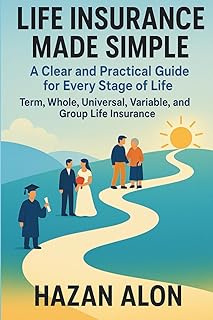 |
$34.99 | 4.8 / 5 | Term vs. whole life, how to pick carrier, stages of life | Buy at Amazon |
|
$14.95 | 4.1 / 5 | Basics of term policies, contestable period, avoiding denials | Buy at Amazon |
Both resources are invaluable for anyone researching term life insurance. Life Insurance Made Simple goes into deeper detail about how the worst companies manipulate policy language, while Life Insurance 101 is a perfect starter if you’re completely new.
Additional Recommended Reads
- Understanding Term Life Insurance: A Complete Guide – Just $0.99, this digital book breaks down term life policies from A to Z.
- The Consumer’s Guide to Life Insurance – Rated 3.5, but offers a no-nonsense comparison of term vs. permanent.
- Buying Life Insurance: How to Make an Informed Choice – Perfect 5.0 rating, focuses on what questions to ask before signing.
By investing a few dollars in these guides, you can save thousands in overpriced premiums and avoid the heartbreak of a denied claim.
Final Thoughts
The worst life insurance companies earn their poor customer reviews through claim denials, slow service, hidden fees, and deceptive sales practices. Term life insurance is supposed to be a simple safety net—don’t let a bad carrier turn it into a nightmare.
Arm yourself with research. Read the books we’ve recommended. Compare claim denial rates and complaint indexes before buying. And remember: a cheap premium isn’t worth it if your beneficiaries never see the payout.
For an even deeper dive, see our full list of the 5 Worst Life Insurance Companies to Avoid in 2025. Your family deserves a policy that actually pays when they need it most.
Frequently Asked Questions
Q: What makes a life insurance company one of the “worst”?
A: The worst companies are defined by consistently high complaint ratios, frequent claim denials (especially during the contestable period), poor customer service response times, and misleading sales practices. We look at data from NAIC, J.D. Power, and consumer reviews.
Q: Are low-cost term life insurance policies always from bad companies?
A: Not necessarily. Some excellent insurers offer competitive term rates. The key is to check financial strength ratings (AM Best A- or better) and the company’s complaint index. Low cost alone doesn’t equal low quality.
Q: How can I check an insurer’s claim denial rate?
A: Many state insurance departments publish annual reports on complaint and denial ratios. You can also use the NAIC Consumer Complaints Tool online to see how many complaints each company has relative to its market share.
Q: What should I do if I’m already with a poorly reviewed carrier?
A: First, don’t cancel until you have a new policy in force. Then shop around for a replacement term policy from a top-rated company. Be aware that you may need to go through underwriting again.
Q: Can the contestable period be avoided?
A: No, it’s standard on all term life insurance policies. However, companies with poor reviews are more likely to aggressively investigate after two years as well. Choose a carrier with a reputation for fair claims handling.