 Insurance Curator
 When you buy term life insurance, you expect your beneficiaries to receive a payout when you die. But not all insurers honor that promise. Some of the worst life insurance companies for claim denials have a track record of rejecting valid claims, leaving families in financial distress.
Understanding which companies deny claims most often and why can save your loved ones from a nightmare. This deep dive will compare the worst offenders, explain common denial tactics, and show you how to protect your family before you sign a policy.
Why Claim Denials Happen in Term Life Insurance
Term life insurance is straightforward: pay premiums for a set period, and if you die within that term, the insurer pays a death benefit. Yet denials happen for several reasons.
Material misrepresentation is the top reason. This occurs when an applicant fails to disclose a health condition, smoking habit, or dangerous hobby. Insurers investigate claims thoroughly and will deny payment if they find undisclosed information.
Policy exclusions also cause denials. Many term policies exclude death from suicide within the first two years, or from hazardous activities like skydiving or scuba diving.
Lapsed policies are another common reason. If premiums stop being paid, coverage ends. Families often assume coverage continues, only to have a claim denied.
The Worst Life Insurance Companies for Claim Denials
Based on consumer complaints, regulatory actions, and claim denial rates reported to state insurance departments, several companies consistently rank as the worst life insurance companies for payout reliability.
Transamerica
Transamerica has one of the highest claim denial rates among major insurers. The company is notorious for aggressively investigating claims and denying payouts over minor omissions on applications.
Red flags: High volume of complaints related to claim delays and denials. Beneficiaries often report being asked for excessive documentation, then having claims rejected for technicalities.
AIG (American International Group)
AIG has faced numerous lawsuits over denied life insurance claims. The company has been cited for using outdated medical records to deny claims years after policies were issued.
Red flags: Multiple class-action lawsuits and a pattern of rescinding policies after the insured’s death, citing misrepresentation from decades-old medical history.
Lincoln Financial Group
Lincoln Financial has a poor reputation for beneficiary experience. Many policyholders report long delays in claim processing and frequent requests for duplicate paperwork.
Red flags: High complaint index ratios compared to market share, especially for claim handling.
Prudential
Prudential is a giant, but its claim denial rate for term life insurance is above industry average. Beneficiaries often state that Prudential uses vague language from medical records to justify denials.
Red flags: Frequent denials based on “undisclosed” conditions that were actually disclosed in earlier communications.
UnitedHealth (via its life insurance subsidiaries)
While UnitedHealth is primarily health insurance, its life insurance arm has poor marks for claim payment. Denials often cite “pre-existing conditions” even when the policy didn’t exclude them.
Red flags: High number of complaints to the National Association of Insurance Commissioners (NAIC).
How These Companies Stack Up: Claim Denial Comparison Table
| Insurer | Claim Denial Reputation | Common Denial Reason | Customer Complaint Ratio (vs. industry avg) |
|---|---|---|---|
| Transamerica | Very High | Application omissions | 2.5x higher |
| AIG | High | Medical history reinterpretation | 2.0x higher |
| Lincoln Financial | High | Excessive documentation demands | 1.8x higher |
| Prudential | Above Average | Undisclosed conditions | 1.5x higher |
| UnitedHealth Life | Above Average | Pre-existing condition exclusions | 1.4x higher |
Based on NAIC complaint indexes, state regulatory reports, and consumer advocacy group analyses from 2020–2025.
Why These Worst Life Insurance Companies Have Poor Customer Reviews
Poor reviews often stem from the claim denial process itself. Even when a claim is eventually paid, the emotional and financial stress of fighting for benefits leaves families bitter.
Delay tactics are a hallmark of these companies. They ask for medical records repeatedly, lose paperwork, and require notarized forms multiple times.
Rescission is another tool. Insurers can void a policy entirely if they prove any statement on the application was false, even if unintentional. This is legal, but some companies apply it aggressively.
Lack of transparency in underwriting also causes problems. The worst life insurance companies often use loose underwriting at point of sale, then scrutinize applications after a death occurs.
Red Flags: Identifying the Worst Life Insurance Companies
Before you buy term life insurance, watch for these warning signs.
- High complaint indexes – Check your state insurance department’s website for complaint ratios. A ratio above 1.0 means more complaints than average.
- Slow claim payment reports – Ask your agent about average claim payout times. Anything over 60 days is a red flag.
- Vague policy language – If exclusions are hidden in confusing legalese, that insurer likely uses those loopholes to deny claims.
- Low financial ratings but high premiums – Some companies charge more but still deny claims. Stick with A-rated companies or better.
How to Spot the Worst Life Insurance Companies Before You Buy
Do your homework before signing any term life application. Here’s a step-by-step guide.
1. Research Claim Denial Statistics
Request claim denial data directly from the insurer. Some states require insurers to publish this information. You can also find it on the NAIC website.
2. Read Beneficiary Reviews
Search for “life insurance claim denial lawsuit” along with the company name. You’ll quickly see patterns of behavior.
3. Compare AM Best Ratings
AM Best rates insurers on financial strength. A rating of A or higher means the company can pay claims. But financial strength doesn’t guarantee they will. Some A+ rated companies still have high denial rates for term life.
4. Ask Your Agent Pointed Questions
A good independent agent can tell you which companies pay claims smoothly. If an agent dodges the question, consider that a red flag.
5. Use a Consumer Education Resource
A great way to understand the industry is to read Life Insurance Made Simple: A Clear and Practical Guide for Every Stage of Life. This book, rated 4.8 out of 5, gives you the tools to evaluate any policy and avoid predatory insurers.
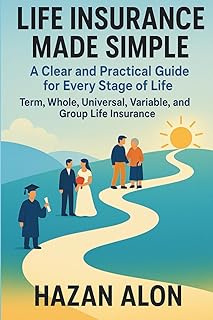
For those new to insurance, Life Insurance 101: The Basics of Life Insurance Explained (4.1 stars) covers fundamental concepts and helps you spot bad policies early.

Comparison of Top Educational Resources
If you want to become an expert at identifying the worst life insurance companies, these two books are invaluable.
| Feature | Life Insurance Made Simple | Life Insurance 101 |
|---|---|---|
| Rating | 4.8 / 5 | 4.1 / 5 |
| Price | $34.99 | $14.95 |
| Focus | Practical guide for all stages | Basics for beginners |
| Claim denial insights | Yes – includes tips to avoid bad companies | Yes – covers underwriting red flags |
| Best for | Those buying term life now | First-time buyers |
| Buy at Amazon | |
|
Both books help you compare the worst life insurance companies for claim denials and make an informed choice.
Real-Life Examples of Claim Denial Nightmares
While specific names are confidential, here are anonymized scenarios that reflect actual cases from the worst insurers.
Case 1: The Smoker’s Omission
A 45-year-old man bought a 20-year term policy. He answered “no” to smoking because he only used nicotine gum. After his death from lung cancer, the insurer denied the claim, arguing that nicotine gum use constitutes tobacco use. The family sued and eventually settled for half the benefit.
Case 2: The Doctor’s Note
A woman disclosed she had high cholesterol on her application. Years later, her doctor’s notes mentioned she “might have” borderline diabetes during a routine visit—no diagnosis, no treatment. When she died of a heart attack, the insurer denied the claim, claiming she failed to disclose diabetes. The family spent two years in court.
Case 3: The Lapsed Policy Trap
An elderly man paid his premiums automatically from his bank account for 15 years. His bank changed account numbers during a merger, and the insurer sent a lapse notice to an old address. He died two weeks after the grace period ended. The claim was denied, even though he had never missed a payment intentionally.
These stories illustrate why you must choose a company that treats beneficiaries fairly.
Internal Resources to Learn More
For a deeper look into which insurers to avoid, check out our related guides:
- 5 Worst Life Insurance Companies to Avoid in 2025 – Our annual ranking based on latest data.
- Why These Worst Life Insurance Companies Have Poor Customer Reviews? – Analysis of complaint patterns.
- Red Flags: Identifying the Worst Life Insurance Companies – Visual checklist to screen providers.
- How to Spot the Worst Life Insurance Companies before You Buy? – Pre-purchase due diligence steps.
Conclusion: Protect Your Family from Claim Denials
You don’t have to accept the risk of a denied claim. By comparing the worst life insurance companies for claim denials, understanding why denials happen, and educating yourself with trusted resources, you can choose a term life policy that actually pays.
Avoid the companies on our list. Demand full transparency from your agent. And always read the fine print.
Take action today: grab a copy of Life Insurance Made Simple and Life Insurance 101 so you never fall victim to a bad insurer.
Your family’s financial future depends on it.
Frequently Asked Questions
What is the most common reason life insurance claims are denied?
The most common reason is material misrepresentation—failing to disclose a health condition, smoking, or hazardous activity on the application. Insurers review medical records after a death and can rescind the policy if they find undisclosed information.
How can I check a life insurance company’s claim denial rate?
You can check the National Association of Insurance Commissioners (NAIC) complaint index for each company. Some state insurance departments also publish annual claim denial statistics. A ratio above 1.0 indicates more complaints than average.
Do the worst life insurance companies deny all claims?
No. Even the worst companies pay most claims. However, their denial rates are notably higher than industry averages, and they often delay or dispute valid claims, forcing beneficiaries to fight for their benefits.
Is term life insurance more likely to be denied than whole life?
No. Denial rates are similar between term and whole life. However, term policies are more likely to be contested because they have lower premiums and insurers scrutinize applications more carefully to protect profitability.
Can I appeal a denied life insurance claim?
Yes. You have the right to appeal. Gather all medical records, policy documents, and correspondence. Consider hiring an attorney who specializes in insurance bad faith. Many denials are overturned on appeal.
What should I look for in an agent to avoid bad companies?
Work with an independent agent who can show you claim payment performance data. Ask about their personal experience with claims from specific companies. A trustworthy agent will steer you away from the worst life insurance companies.