 Insurance Curator
If you’re a UK retiree with an over 50s or whole-of-life policy, there’s a powerful question you need to answer: should you write it in trust? This decision can mean the difference between your loved ones receiving the full payout tax‑free or losing up to 40% to Inheritance Tax (IHT). Many retirees assume their policy will automatically benefit their family, but without a trust, the payout forms part of your estate and can be hit with a hefty tax bill. In this guide, we’ll explore the pros and cons, helping you decide if a trust is right for your situation.

Life Insurance Made Simple is a clear, practical guide that covers every stage of life, including trust planning for retirees. A great resource to complement your research.
What Does Writing a Policy in Trust Actually Mean?
Writing a life insurance policy in trust means you legally transfer ownership of the policy to a trust. You nominate trustees (often family members or professionals) to manage the payout on behalf of your beneficiaries. The key effect is that the death benefit no longer forms part of your estate for Inheritance Tax purposes. Instead, the money goes directly to your chosen beneficiaries—quickly and without probate delays.
There are two main types of trusts used for life insurance: discretionary trusts and bare trusts. A discretionary trust gives trustees flexibility to decide who gets what, while a bare trust fixes the beneficiaries from the start. The right choice depends on your family structure and tax goals. For a deeper dive, see our guide on Discretionary vs Bare Trusts for Life Insurance: Which Works Best for Your Family?.
The Big Pros for UK Retirees
Writing your over 50s or whole-of-life policy in trust offers several powerful benefits, especially if your estate is likely to exceed the £325,000 nil‑rate band.
| Benefit | Without Trust | With Trust |
|---|---|---|
| Inheritance Tax | Payout added to estate – may be taxed at 40% | Payout outside estate – no IHT |
| Speed of payout | Delayed by probate (months) | Paid directly to trustees in days/weeks |
| Control | Payout goes to estate executors | You choose trustees who follow your wishes |
| Protection from care costs | Payout may be counted as assets | Held in trust – not your personal assets |
Key pros summarised:
- Save up to 40% IHT: If your total estate (including home, savings, and other assets) exceeds £325,000, a trust can shelter your life insurance payout from tax.
- Faster access for loved ones: Trustees can release funds quickly to cover funeral costs or immediate expenses, without waiting for probate.
- Protection for blended families: A trust ensures that your partner receives income while the capital eventually passes to your children from a previous marriage. Learn more in How Life Insurance Trusts Protect Blended Families and Second Marriages from Inheritance Disputes.
- Shelter from care home fees: If you need long‑term care, the trust assets are not considered your personal assets, so they won’t be used to pay care costs.
The Downsides and Cons You Must Know
Trusts aren’t always the perfect solution. They come with trade‑offs that UK retirees should weigh carefully.
- Loss of direct control: Once the policy is in trust, you cannot change the beneficiaries without following strict legal rules. If your circumstances change (e.g., divorce, new grandchildren), amending a trust can be costly.
- Trustee administration: Trustees have legal duties. If you choose family members, they may need professional advice to manage the trust correctly. This can mean ongoing costs.
- No personal access to cash value: Whole‑of-life policies often build cash value. If you write the policy in trust, you generally cannot borrow against that cash value or surrender it for personal use.
- Potential tax on trust income: If the trust generates income (e.g., from investments within the policy), that income may be subject to trust tax rates, though this is rare for simple life insurance trusts.
Important: Mistakes when setting up a trust can accidentally trigger a 40% IHT charge anyway. Read our guide on Life Insurance Trust Mistakes That Can Accidentally Trigger a 40% Inheritance Tax Charge to avoid common pitfalls.
Over 50s vs Whole-of-Life: Which Policies Benefit Most?
Over 50s Plans
These plans have fixed premiums and a guaranteed payout, but the sum is often small (typically £2,000–£15,000). Because the payout is usually below the IHT threshold for most retirees, writing such a plan in trust may not be necessary unless you have a very large estate. However, the benefit of speed (avoiding probate) can still be useful for funeral costs.
Whole-of-Life Policies
Whole‑of-life policies often have higher sums assured (e.g., £100,000+) and may be taken out specifically to cover an anticipated IHT bill on your home. Writing these in trust is almost always a smart move, because the payout is likely to push your estate over the nil‑rate band. It can also help pay the IHT bill quickly, preventing the need to sell property. See our dedicated article on Using a Life Insurance Trust to Cover an Inheritance Tax Bill on Your Home.
| Policy Type | Typical Sum Assured | Trust Recommended? | Primary Benefit of Trust |
|---|---|---|---|
| Over 50s Plan | £2,000–£15,000 | Sometimes (if estate large) | Speed, care cost protection |
| Whole-of-Life | £50,000–£500,000+ | Almost always | IHT saving, shelter from probate |
How to Set Up a Trust (Step‑by‑Step)
The process is straightforward, but it must be done correctly. Here’s a brief overview. For a full walkthrough, see Writing Your Life Insurance Policy in Trust: Step‑by‑step for UK Policyholders.
- Choose your trust type – discretionary or bare.
- Appoint trustees – at least two, often a family member and a professional (like a solicitor).
- Name your beneficiaries – be specific or use class descriptions.
- Sign a trust deed – your insurer will usually provide a template.
- Notify your insurer – the policy is then legally held by the trust.
Cost: Most insurers provide trust deeds free of charge. If you need bespoke advice, solicitors charge £200–£500. For regional guidance, check our Regional Guide to Setting up a Life Insurance Trust: Finding Solicitors in London, Edinburgh, Cardiff and Belfast.
Common Mistakes to Avoid
Even a small error can undo the tax benefits. Avoid these pitfalls:
- Forgetting to sign the trust deed – verbal agreements are not enough.
- Naming minors as direct beneficiaries without a trust that holds the funds until they come of age.
- Failing to review trustees – if a trustee dies or becomes incapacitated, you need a backup.
- Not telling your partner about the trust – they may assume the payout will go to them automatically.
Refer again to Life Insurance Trust Mistakes That Can Accidentally Trigger a 40% Inheritance Tax Charge for a complete list.
Recommended Reading
If you want to deepen your understanding, these books offer exceptional value.

Money. Wealth. Life Insurance. – Rated 4.6/5 – Shows how the wealthy use life insurance as a tax‑free personal bank. Great for retirees wanting to optimise their estate.
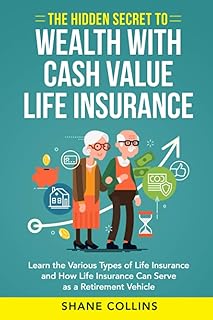
The Hidden Secret to Wealth with Cash Value Life Insurance – Rated 4.5/5 – Explores using life insurance as a retirement vehicle, relevant to whole‑of‑life policyholders.
Both books can help you decide whether a trust fits your wider financial plan.
Final Verdict: Should You Write Your Policy in Trust?
For most UK retirees with a whole‑of‑life policy above £50,000, the answer is yes. The IHT savings are substantial, and the speed of payout can relieve your family of financial stress during a difficult time. Over 50s plan holders should only consider it if their total estate is likely to exceed £325,000.
Before acting, speak to a qualified financial adviser or solicitor who specialises in estate planning. They can help you avoid costly mistakes and tailor the trust to your family’s needs. And if you’re a business owner with life insurance for key person cover, read our guide on Life Insurance Trusts for Business Owners: Protecting Shares, Partners and Key People.
Don’t let a simple paperwork oversight cost your family thousands. Explore your options today.