 Insurance Curator
As a parent, you feel the pull in two directions: saving for your child’s future and securing your own retirement. It’s one of the toughest financial balancing acts. But with the right saving strategies, you can build a nest egg for your kids without raiding your 401(k). Budgeting is the secret weapon that makes both goals achievable.
Many parents fall into the trap of prioritizing college funds over retirement. You can’t borrow for retirement. Your children have options like scholarships, grants, and student loans. You do not. That’s why a smart approach combines disciplined budgeting with automated savings. Tools like a Budget Planner – Monthly Budget Book with Expense Tracker Notebook (pink version, rated 4.6 stars) can help you track every dollar. And a SKYDUE Budget Binder (rated 4.7) keeps your cash envelopes organized so you never overspend.
Let’s dive into a comprehensive, step-by-step guide that will help you fund your children’s dreams while protecting your golden years.
The Parent’s Dilemma: Kids vs. Retirement
The average cost of raising a child in the U.S. now exceeds $230,000 (excluding college). Meanwhile, retirement experts recommend saving at least 10–15% of your income for later life. If you divert too much toward your child’s future, you risk running out of money in old age — and potentially becoming a financial burden on your kids.
The solution is not either-or. It’s both — with a smart saving strategy.
Budgeting allows you to carve out room for both goals. You can put small, consistent amounts into a 529 plan or a custodial account without neglecting your own IRA or 401(k). The key is to start early, automate the process, and use the right tools.
Why Budgeting Is the Foundation of Any Saving Strategy
You cannot save what you do not track. Budgeting gives you clarity. When you see exactly where your money goes each month, you can identify waste and redirect it toward savings.
According to a survey by the National Foundation for Credit Counseling, only 41% of U.S. adults use a budget. Parents who budget are far more likely to meet their savings goals for both retirement and education.
Practical budgeting involves three steps:
- Track every expense for 30 days.
- Categorize needs vs. wants.
- Set specific targets for retirement and kids’ funds.
Products like the Budget Planner – Monthly Budget Book with Expense Tracker Notebook (Black) (also rated 4.6) provide undated pages so you can start any month. Write down your income, fixed bills, variable spending, and savings contributions. The simple act of writing reinforces your commitment.
For parents who prefer a physical system, the NICOOTH Budget Binder Cash Envelopes A6 Money Saving Binder ($6.28, 4.6 stars) includes zipper envelopes to separate cash for categories like groceries, entertainment, and “kids’ fund.” The envelope system is proven to reduce overspending because you can only spend what’s in the envelope.
Step-by-Step Saving Strategies for Parents
Pay Yourself First – Automate Your Retirement
This is the single most powerful saving strategy. Pay yourself first means setting aside a fixed percentage of your income for retirement before you pay any other bills. Automate this transfer to a 401(k), IRA, or Roth IRA on payday. That money never hits your checking account, so you cannot spend it.
For deeper insights, read our guide on Pay Yourself First: the Saving Strategy That Makes Saving Automatic.
Automate Your Kids’ Savings Too
Set up automatic transfers to a 529 college savings plan, a custodial brokerage account, or a high-yield savings account for your child. Even $50 per month per child adds up to over $20,000 by age 18 (assuming 6% growth). Automation removes the temptation to skip a month.
Modern apps make this easy. Learn how in How to Automate Your Saving Strategy Using Modern Money Apps? .
Use High-Yield Savings Accounts for Short-Term Goals
For funds you need in the next 5 years — like a down payment on a car for your teen or a family vacation — keep money in high-yield savings accounts (HYSA). These accounts currently offer 4–5% APY, far better than traditional savings. Your money grows faster without market risk.
See our complete breakdown: How to Use High-yield Savings Accounts as Part of Your Saving Strategy? .
Behavioral Psychology Tricks to Curb Spending
Use the envelope system. When you see physical cash leaving your hand, you spend less. The SKYDUE Budget Binder is perfect for this — it includes expense budget sheets and cash envelopes. Studies show that people who use cash envelopes reduce discretionary spending by up to 20%.
Another trick: implement a 48-hour rule for non-essential purchases. Write down the item and wait two days. Most impulse buys feel less urgent later.
Explore more psychological tactics in Behavioral Saving Strategies: Psychology Tricks to Help You Save More .
Top Budgeting Tools for Parents
Here are four highly-rated tools that can transform your budgeting process. Each one helps you track expenses, stay organized, and avoid overspending.
1. Budget Planner – Monthly Budget Book (Pink)
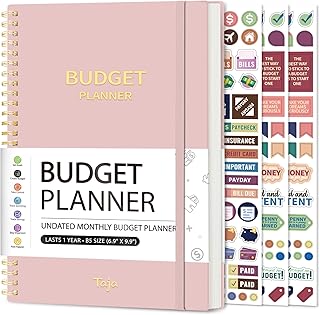
Price: $8.99
Rating: 4.6 stars
ASIN: B0C33RXLR6
This undated planner lets you start anytime. It includes sections for monthly goals, expense tracking, bill organization, and debt repayment. The pink cover adds a bit of fun to a serious task. Perfect for parents who prefer pen-and-paper tracking.
2. Budget Planner – Monthly Budget Book (Black)

Price: $8.99
Rating: 4.6 stars
ASIN: B0C33STDJ2
Same great features as the pink version but in a sleek black cover. The layout is intuitive: income on one page, expenses on another, and a monthly summary. Use it to track your retirement contributions alongside your kids’ savings.
3. NICOOTH Budget Binder Cash Envelopes A6 (Purple)

Price: $6.28
Rating: 4.6 stars
ASIN: B09GK8BGRT
This compact A6 binder includes 6 zipper envelopes, budget sheets, and a pen loop. Use the envelopes for categories like “Groceries,” “Gas,” “Kids’ Activities,” and “Savings.” The zipper keeps cash secure. At under $7, it’s an affordable first step toward envelope budgeting.
4. SKYDUE Budget Binder with Zipper Envelopes

Price: $8.98
Rating: 4.7 stars
ASIN: B097ZQ7GH4
A favorite among parents for its high rating and complete kit. It comes with 12 cash envelopes (including one for “Colleges”), expense budget sheets, and a durable binder. The 4.7 rating reflects its quality. Use it to allocate money for your child’s fund each month.
5. Book: “Budgeting 101” – Essential Guide
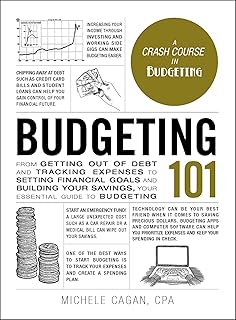
Price: $9.69
Rating: 4.6 stars
ASIN: 150720907X
This book covers everything from expense tracking to setting financial goals. It’s a quick read that can transform your mindset. Pair it with a physical planner for maximum impact.
Short-Term vs. Long-Term Saving Strategies for Parents
You need separate buckets for different time horizons.
| Goal | Time Horizon | Recommended Account | Risk Level |
|---|---|---|---|
| Emergency fund | 0–1 years | High-yield savings | Low |
| Family vacation | 1–3 years | Money market / CDs | Low |
| Child’s college | 5–18 years | 529 plan / Roth IRA | Medium-High |
| Retirement | 10–30+ years | 401(k), IRA, taxable brokerage | Medium-High |
Short-term funds should stay liquid and safe. Use a high-yield savings account. Long-term funds can be invested in stocks and bonds to outpace inflation.
Read more about organizing your goals: Short-term vs. Long-term Saving Strategies: How to Organize Your Goals .
Protecting Your Savings During Inflation
Inflation erodes purchasing power. In 2022–2023, inflation hit 9%, wiping out low-yield savings. Your saving strategy must account for inflation.
- Invest retirement funds in diversified index funds (S&P 500 historically returns ~10% annually).
- Use I-Bonds for kids’ education savings — they adjust for inflation and are tax-free for education.
- Keep cash in high-yield accounts offering 4%+ APY.
Learn more: Saving Strategies for Inflationary Times: Protecting Your Cash’s Buying Power .
Seasonal Saving Strategies for Big Purchases
Holidays, birthdays, and summer camps can derail your budget. Plan ahead using sinking funds.
- Open a separate savings account for “gifts.”
- Deposit $50 per month into it.
- When December arrives, you have $600 to spend guilt-free.
The same principle works for back-to-school supplies, vacations, and annual insurance premiums. Using a physical budget binder like the NICOOTH Budget Binder with dedicated envelopes for seasonal expenses makes this easy.
Read the full guide: Seasonal Saving Strategies: How to Plan for Holidays, Vacations, and Big Purchases .
Beginner-Friendly Approaches for New Savers
If you’ve never saved consistently, start small. The goal is to build a habit.
- Save 1% of your income this month. Increase by 1% every month.
- Use a budget planner to see where your money goes.
- Set up automatic transfers to a savings account as soon as you get paid.
The book Budgeting 101 is an excellent resource for beginners. It explains concepts in simple language without jargon.
For more foundational tips, visit Saving Strategies for Beginners Who’ve Never Saved Consistently before .
FAQ
Q: How much should I save for retirement vs. my child’s college?
A: A common rule is to contribute enough to your 401(k) to get the full employer match, then split any additional savings 70% toward retirement and 30% toward kids’ funds. Adjust based on your age and goals.
Q: Can I use a Roth IRA for both retirement and my child’s education?
A: Yes. A Roth IRA allows penalty-free withdrawals for qualified education expenses. However, you can also use it for retirement. It’s a flexible vehicle, but prioritize retirement contributions first.
Q: What is the best budget binder for parents?
A: The SKYDUE Budget Binder (4.7 stars) is highly rated for its complete set of envelopes and sheets. The NICOOTH Budget Binder is a great budget-friendly alternative.
Q: Should I pay off debt before saving for kids?
A: Yes, high-interest debt (credit cards) should be paid off first. Low-interest debt (mortgages) can coexist with savings. Use a budget planner to allocate extra funds toward debt elimination.
Q: How do I get my spouse on board with a budgeting system?
A: Involve them in choosing the tool. The monthly budget books come in black and pink — let each partner pick their style. Set a weekly “money date” to review spending together.
Conclusion
You do not have to choose between your child’s future and your retirement. With disciplined saving strategies, a solid budgeting system, and the right tools, you can fund both. Start by automating your retirement contributions, then set up automatic transfers for your kids. Use physical budget planners and cash envelopes to stay on track.
Check out the Budget Planner – Monthly Budget Book (Pink) or the SKYDUE Budget Binder to get started today. For a deep dive into the psychology of saving, read Smart Saving Strategies to Grow Your Money on Any Income .
Remember: you are building a legacy of financial wisdom for your children — not just money. Show them that budgeting and saving are acts of love. Start today, stick with the plan, and watch both accounts grow.
