 Insurance Curator
You’ve decided it’s time to stop living paycheck to paycheck. Maybe you’ve tried before but gave up after a few weeks. Or perhaps you’ve never even started because saving felt impossible. The good news? Consistent saving is a skill you can learn—and these proven saving strategies will show you exactly how.
In this guide, we’ll break down everything you need: budgeting basics, psychological tricks, automation tools, and real products to keep you on track. Whether you’re drowning in debt or just want a safety net, these steps work for beginners with any income.
Let’s start with the biggest obstacle: why saving has been so hard until now.
Why Consistent Saving Feels Impossible (And How to Fix It)
Most beginners fail because they rely on willpower alone. They intend to save what’s left at the end of the month—but there’s rarely anything left. This is the pay-yourself-first principle in reverse.
Other common reasons:
- No clear goal – Saving “for the future” is too vague. You need a specific target.
- Unexpected expenses – A car repair wipes out your small progress.
- Budgeting burnout – Tracking every penny feels exhausting.
- Giving up after one slip – You missed a week and assumed all is lost.
The solution? Shift from a “save leftovers” mindset to a system that makes saving automatic and painless. We’ll cover each strategy below.
Budgeting: The Foundation of Every Saving Strategy
You can’t save consistently without knowing where your money goes. A simple budget isn’t restrictive—it’s liberating. It gives you permission to spend guilt‑free on what matters while directing the rest to your goals.
The 50/30/20 Rule for Beginners
This classic framework is perfect for starters:
- 50% – Needs (rent, groceries, utilities, minimum debt payments)
- 30% – Wants (dining out, streaming subscriptions, hobbies)
- 20% – Savings and debt repayment (emergency fund, retirement, extra debt)
If 20% feels impossible, start with 10% or even 5%. The habit matters more than the amount. As your income grows, increase the percentage.
Tracking Expenses Without the Headache
You don’t need complex spreadsheets. Use a dedicated Budget Planner – Monthly Budget Book with Expense Tracker Notebook to log daily spending. Writing things down forces awareness and reduces impulse purchases.
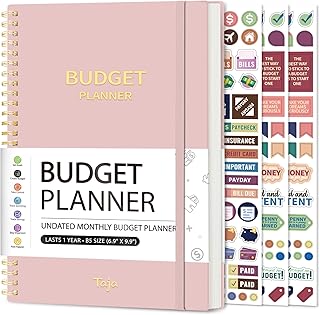
The simple act of tracking for 30 days reveals leaks you never noticed—like that daily coffee run or unused gym membership.
Pay Yourself First: The Saving Strategy That Makes Saving Automatic
One of the most powerful saving strategies for beginners is to treat savings as a non‑negotiable expense. Before you pay rent or buy groceries, transfer a fixed amount to savings.
How to implement it:
- On payday, immediately move 10% of your income to a separate account.
- Set up an automatic transfer so you never see the money in checking.
- Forget about it. Your spending automatically adjusts to the smaller balance.
This works because we tend to spend whatever is available. Remove the money first and you won’t miss it.
How to Use High‑Yield Savings Accounts as Part of Your Saving Strategy
A regular savings account earns near‑zero interest. A high‑yield savings account (HYSA) currently offers 4–5% APY, which means your money grows without any extra effort.
For beginners, an HYSA is the perfect place to park your emergency fund or short‑term goals. It’s safe, liquid, and earns more than inflation in many cases. To learn more, check out our deep dive on how to use high‑yield savings accounts.
Short‑term vs. Long‑term Saving Strategies: How to Organize Your Goals
Many beginners fail because they try to save for everything at once. Instead, separate your goals into time horizons:
| Goal Type | Timeline | Example | Best Place |
|---|---|---|---|
| Short‑term | < 1 year | Vacation, emergency fund | High‑yield savings account |
| Medium‑term | 1–5 years | Down payment, car | Money market or CDs |
| Long‑term | 5+ years | Retirement, education | Index funds, 401(k), IRA |
This framework prevents you from dipping into retirement savings for a holiday. For a complete breakdown, read our guide on short‑term vs. long‑term saving strategies.
Behavioral Saving Strategies: Psychology Tricks to Help You Save More
Saving isn’t just math—it’s behavior. These psychological hacks make consistent saving easier:
- Automation – removes decision fatigue.
- The envelope system – physically separates cash for categories.
- Visual progress – seeing a graph or chart boosts motivation.
- Accountability – tell a friend or join a saving challenge.
The envelope system works wonders for overspenders. Use a Budget Binder with Zipper Envelopes to allocate cash for groceries, dining, and entertainment. When the envelope is empty, you stop spending.

For more techniques, explore behavioral saving strategies.
Saving Strategies for Parents: Building Funds for Kids Without Sacrificing Retirement
If you have children, the temptation is to save for their college before your own retirement. But experts warn: you can borrow for education, not for retirement. Focus on your own nest egg first.
That said, small amounts can go a long way. Use a 529 plan for education and a separate emergency fund for unexpected kid‑related costs. Our dedicated article on saving strategies for parents provides a full roadmap.
How to Automate Your Saving Strategy Using Modern Money Apps
Automation is the single most effective tactic for beginners. When you don’t have to think about saving, you simply do it.
Steps to automate:
- Open a separate savings account (HYSA preferred).
- Set up a recurring transfer from checking to savings on every payday.
- Also automate bill payments so you never miss due dates.
Apps like Qapital, Digit, and Acorns round up purchases and invest the spare change. But the simplest method is a direct deposit split—ask your employer to send a portion of your paycheck directly to savings. For a comprehensive look, see how to automate your saving strategy.
Seasonal Saving Strategies: How to Plan for Holidays, Vacations, and Big Purchases
Big expenses always seem to sneak up. But with a sinking fund (saving a little each month for a known future expense), you can handle them without debt.
Example: Christmas spending of $600. Save $50 per month starting in January. By December, you have the cash ready.
Apply this to vacations, car insurance, tax payments, and birthdays. A physical Budget Binder with Expense Sheets helps you track multiple sinking funds at once.

Learn more about planning ahead in our guide on seasonal saving strategies.
Saving Strategies for Inflationary Times: Protecting Your Cash’s Buying Power
Inflation eats away at idle cash. During high inflation, keeping too much in a regular checking account is harmful. Instead:
- Keep 3–6 months of expenses in an HYSA.
- Invest the rest in assets that tend to outpace inflation, like stocks or I‑bonds.
- Reduce discretionary spending by renegotiating subscriptions and buying in bulk.
For a detailed plan, read saving strategies for inflationary times.
The Best Budgeting Tools for Beginners (with Real Amazon Products)
Using a physical planner or binder can make budgeting tangible and effective. Below are five top‑rated products to help you stay on track.
1. Budget Planner – Monthly Budget Book (Pink) – $8.99
Rating: 4.6 stars. Undated pages, expense tracker, bill organizer. Perfect for taking control of your money.
2. NICOOTH Budget Binder Cash Envelopes (Purple) – $6.28
Rating: 4.6 stars. A6 size with zippered envelopes for cash stuffing. Great for the envelope method.
3. SKYDUE Budget Binder with Zipper Envelopes – $8.98
Rating: 4.7 stars. Includes expense sheets and cash envelopes. Ideal for visual budgeters.
4. Budget Planner – Monthly Budget Book (Black) – $8.99

Rating: 4.6 stars. Same features as the pink version in a professional black cover.
5. Budgeting 101 (Adams 101 Series) – $9.69

Rating: 4.6 stars. A comprehensive book covering debt, expenses, financial goals, and savings. Excellent companion for beginners.
Use a combination of a planner and a binder to track expenses and allocate cash. The physical act of writing reinforces your commitment.
Common Mistakes Beginners Make (And How to Avoid Them)
- Saving too little too late – Start with any amount, even $5 per week.
- Not having an emergency fund first – Build $1,000 before attacking debt.
- Zero‑based budgeting without flexibility – Allow a small fun category to avoid burnout.
- Ignoring small expenses – A $4 coffee adds up to $120/month. That’s $1,440 a year.
- Comparing to others – Your journey is unique. Focus on progress, not perfection.
Building a Sustainable Saving Habit in 30 Days
Follow this plan for your first month:
Week 1: Download a budgeting app or buy a Budget Planner. Track every expense. Don’t change anything yet—just observe.
Week 2: Create a simple budget using the 50/30/20 rule. Identify one small expense you can cut (like a subscription you don’t use).
Week 3: Set up an automatic transfer of 5% of your income to an HYSA. Even if it’s $25, do it.
Week 4: Review your progress. Celebrate the habit. Increase to 10% if possible.
After 30 days, you’ll have a new normal. The hardest part is behind you.
Smart Saving Strategies to Grow Your Money on Any Income
Once the habit is solid, you can explore more advanced methods. Learn how to grow your savings through side hustles, investing, and optimizing expenses in our guide on smart saving strategies to grow your money on any income.
Frequently Asked Questions
Q1: How much should a beginner save each month?
Start with at least 10% of your income, but even 5% is fine. The key is consistency. Increase the percentage as you get comfortable.
Q2: Should I pay off debt or save first?
Build a mini emergency fund of $1,000 first, then focus on high‑interest debt (credit cards). After that, save 3–6 months of expenses while making minimum debt payments.
Q3: What’s the best account for beginner savings?
A high‑yield savings account (HYSA) offers better interest than traditional banks. It’s safe, easy to access, and perfect for emergency funds.
Q4: How do I stick to a budget without feeling deprived?
Include a “fun money” category (10% of income). Use cash envelopes for it. When the envelope is empty, stop spending. This gives guilt‑free permission.
Q5: What if I have irregular income?
Use a zero‑based budget each month. Save a percentage of every payment you receive. Set aside 50% of any “extra” income like bonuses or tax refunds.
Your Next Step: Take Action Today
You now have a complete toolkit of saving strategies for beginners. The only thing missing is the first step. Pick one tactic—automatic transfer, a budget planner, or the envelope system—and commit to it for 30 days.
Remember, saving is a marathon, not a sprint. Miss a day? Resume tomorrow. The goal is progress, not perfection.
For even deeper guidance, explore our full library on saving strategies, from paying yourself first to behavioral saving. Your financial future starts now.