 Insurance Curator
Retirement changes everything – including your need for life insurance. After decades of paying premiums to protect your income, mortgage, and family, you might wonder if that monthly direct debit still makes sense. The honest answer? It depends entirely on your financial picture, your dependants, and your legacy goals.
For UK retirees, the decision isn’t black and white. Some policies become more valuable in later years, while others quietly become an unnecessary expense. In this guide, we’ll walk through the exact scenarios where keeping life insurance pays off – and the moments when letting it lapse is the smarter move.

When Keeping Life Insurance in Retirement Makes Sense
1. You Still Have Financial Dependants
Even in retirement, you may support an adult child with disabilities, a grandchild, or a spouse who relies on your pension income. If that person would struggle financially after your death, keeping life insurance is a protective move.
Many UK retirees use a decreasing term policy that matches their remaining mortgage. If your mortgage is already paid off, a level term or whole of life policy can provide a lump sum to replace lost state or private pension income.
- Spousal income replacement – particularly if your partner has a smaller state pension.
- Support for disabled dependants – a payout can fund ongoing care.
- Debt protection – credit cards, loans, or equity release balances that survive you.
2. Inheritance Tax Planning
Life insurance is one of the most effective tools for mitigating UK inheritance tax (IHT). If your estate exceeds the £325,000 nil-rate band (or £500,000 with the residence nil-rate band), your beneficiaries could face a 40% tax bill on the excess.
A whole of life policy written in trust sits outside your estate. The payout goes directly to your beneficiaries – tax-free – to cover the IHT bill. For retirees with property wealth, this can save thousands.
If you’ve never considered this, read our guide on Life Insurance and Inheritance Planning in the UK: Using Cover to Ease Future Tax Bills.
3. Cash Value Life Insurance as a Retirement Vehicle
Some policies, particularly whole of life or universal life, accumulate cash value over time. In retirement, you can access this cash value tax-efficiently via withdrawals or loans. This is especially relevant for those who started policies decades ago.
Books like Money. Wealth. Life Insurance.: How the Wealthy Use Life Insurance as a Tax-Free Personal Bank to Supercharge Their Savings explain this strategy in depth. For UK readers, the principle works similarly: the cash value grows tax-deferred, and you can borrow against it without triggering a tax event.

- Supplement retirement income – take policy loans instead of withdrawing from pensions.
- Leave a tax-free death benefit – the remaining payout goes to heirs.
- Flexible premium payments – in lean years, you can reduce or pause premiums.
4. Final Expenses and Funeral Costs
The average UK funeral now costs over £4,000. If you don’t want your family to scramble for that money, a small life insurance policy (often called over-50s life insurance) can cover funeral expenses. These plans typically don’t require a medical exam and pay out for any cause of death after a waiting period.
However, be aware that over-50s plans often have lower maximum payouts and premiums can exceed the benefit if you live a long time. A better option for many retirees is a guaranteed whole of life policy – premiums are fixed and the payout is guaranteed as long as you continue paying.
When It’s Safe to Let Life Insurance Lapse in Retirement
1. No Dependants and No Inheritance Tax Worries
If your children are financially independent, your mortgage is paid off, and your estate is under the IHT threshold, you probably don’t need life insurance anymore. The premiums could be redirected to holiday funds, home improvements, or gifts to family while you’re still alive.
Ask yourself: who would suffer financially if I died today? If the answer is “no one,” then letting the policy lapse is a sensible financial decision.
- Children are self-sufficient – not relying on an inheritance.
- Partner has adequate pension – doesn’t need your income replaced.
- Estate below IHT threshold – no tax bill to cover.
2. You Have Sufficient Savings and Investments
If you’ve built a robust nest egg – including ISAs, private pensions, and savings accounts – your estate already has liquidity. There’s no need for a life insurance payout to cover debts or final expenses. Your savings act as a self-insurance fund.
In this case, cancelling the policy frees up monthly cash. You can use those savings for other purposes or simply enjoy a guilt-free retirement.
3. Term Life Insurance Has Expired Naturally
Many retirees hold term life insurance policies that end at age 65 or 70. With no value left in the policy, there’s nothing to lapse. But if you’ve been paying for a renewable term policy and the premiums have skyrocketed at renewal, it may be time to walk away.
- Check the policy terms – some term policies convert to whole life without medical underwriting.
- Compare costs – a new whole life policy for a smoker in their 70s can be prohibitively expensive.
- Consider a paid-up policy – if your whole life policy has enough cash value, you may be able to stop premiums and keep a reduced death benefit.
4. The Policy Was Linked to a Specific Debt (Mortgage, Loan, or Business)
If you took out life insurance to cover a mortgage, business loan, or personal debt, and that debt is now cleared, the policy’s purpose is gone. It’s safe to let it lapse – unless you have other reasons to keep it (like the inheritance tax planning mentioned above).
However, if you have a decreasing term policy that matches your mortgage, check whether the mortgage is truly paid off. Some retirees downsize but still have a small mortgage. In that case, keep the cover until the debt is zero.
Key Considerations for UK Retirees
Review Your Policy Type
Not all life insurance policies are created equal. A policy with guaranteed premiums and fixed death benefits is very different from a unit-linked policy whose value can fluctuate.
| Policy Type | Best for Retirement? | Pros | Cons |
|---|---|---|---|
| Whole of life (guaranteed) | Yes – if IHT or legacy goal | Fixed premiums, guaranteed payout | Higher premiums than term |
| Term life | Rarely – unless still paying mortgage | Low cost | No payout if you outlive term |
| Over-50s plan | Maybe – for funeral cover | No medical exam | Low maximum, premiums may exceed benefit |
| Cash value whole life | Yes – if accumulated value | Tax-deferred growth, loan access | Complex, higher fees |
Use a Trust to Protect Benefits
If you keep life insurance for IHT planning, ensure the policy is written in trust. Otherwise, the payout becomes part of your estate and can be taxed. A solicitor or financial adviser can set this up easily. Many insurers offer a free trust service.
Link to Your Broader Financial Plan
Life insurance doesn’t exist in a vacuum. For retirees, it should complement your pension drawdown strategy, state pension, and other assets. Read our article on Life Insurance Planning in Your 40s and 50s: Catch-up Strategies That Still Work – the principles apply even after retirement if you’re playing catch-up.
For those with complex family structures – such as stepchildren or children from multiple relationships – life insurance becomes even more critical. See Life Insurance for Blended Families: Protecting Stepchildren and Complex Households.
How to Decide: A Simple Checklist
- Do I have dependants who would struggle without my income? → Keep cover
- Is my estate likely to exceed £325,000? → Keep cover in trust
- Do I want to leave a tax-free legacy? → Keep cover
- Is my mortgage or other debt cleared? → Consider letting it lapse
- Are my premiums affordable within my retirement budget? → Only keep if yes
- Do I have enough savings to cover funeral costs? → If yes, may be safe to lapse
Final Thoughts
Life insurance in retirement isn’t about checking a box – it’s about aligning your protection with your actual financial reality. For many UK retirees, a small whole of life policy makes perfect sense for inheritance tax planning or funeral costs. For others, the premiums are better spent enjoying life today.
If you’re unsure, speak with an independent financial adviser who specialises in retirement planning. They can run the numbers on your estate, your dependants’ needs, and your tax situation.
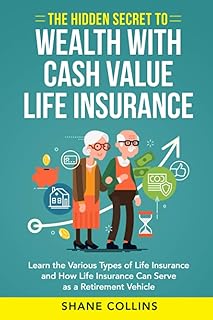
For a deeper dive into how life insurance can serve as a retirement vehicle, consider reading The Hidden Secret to Wealth with Cash Value Life Insurance: Learn the Various Types of Life Insurance and How Life Insurance Can Serve as a Retirement Vehicle – a practical guide for UK and US readers alike.
Remember: the right decision today might change in five years. Revisit your life insurance every time you have a major life change – even in retirement.