 Insurance Curator
Picture this: you’ve just bought your first flat in Manchester, or perhaps a Victorian terrace in Edinburgh. The mortgage is signed, the keys are in your hand, and the future looks bright. But if something happens to you, who pays the bills? Single homeowners often assume life insurance is only for parents or married couples. That’s a costly myth.
Life insurance for single homeowners is about protecting your biggest asset—your home—and leaving a legacy for loved ones or a cause you care about. Whether you’re in your 30s in London or nearing retirement in Birmingham, this cover can shield your estate from debt and give you real peace of mind. Let’s explore why it matters, even when there are no children in the picture.
Why Single Homeowners Need Life Insurance
Many single people skip life insurance because they think no one depends on their income. But if you own a home, someone does depend on your financial decisions: your beneficiaries, family members, or even a charity. Without cover, your mortgage debt could fall on your estate, forcing your loved ones to sell the property or pay off loans.
A life insurance payout can clear the remaining mortgage balance, cover funeral costs, and provide a tax-free lump sum. It’s not about dependents; it’s about responsibility. As a single homeowner, you’ve worked hard to build equity. Life insurance ensures that equity isn’t swallowed by debt.
Protect Your Mortgage, Protect Your Legacy
Your mortgage is likely your largest monthly expense. If you pass away unexpectedly, your estate becomes responsible for the debt. In the UK, this can force a sale of the property—often at a distressed price. Life insurance, particularly decreasing term life insurance, aligns with a repayment mortgage. The payout decreases as your mortgage balance reduces, keeping premiums affordable.
For example, a 35-year-old single homeowner in Glasgow with a £150,000 mortgage might pay around £12-£15 per month for a decreasing term policy. That’s less than a takeaway coffee each week, yet it can save your family from a financial headache.
Related reading: Life Insurance for Young Professionals in the UK: Why Starting Early Pays Off
Cover Funeral Costs and Final Expenses
Funerals in the UK now average over £4,000. Without life insurance, your estate or family must cover this. As a single person, you may not have savings earmarked for this. A small whole-life policy (often called over-50s cover) can be taken out specifically for funeral costs. Even a £5,000 payout can make a huge difference.
Alternatively, a level term life insurance policy of £10,000–£20,000 can handle funeral costs and any outstanding bills. It’s a simple way to ensure you don’t become a financial burden.
Leave a Gift to Someone You Love (or a Charity)
Not having children doesn’t mean you have no one to care about. You might want to leave a gift to a niece, a nephew, a sibling, or a close friend. Life insurance allows you to name a beneficiary directly, bypassing probate and delivering tax-free cash quickly.
Many single homeowners also choose to leave part of their estate to charity. A life insurance policy can be written in trust to ensure the charity receives the funds directly. It’s a powerful way to support a cause you believe in—long after you’re gone.
Related reading: Life Insurance and Inheritance Planning in the UK: Using Cover to Ease Future Tax Bills
Peace of Mind for You and Your Family
Imagine a scenario: you’re a single professional living in a London flat. Your parents live in Cardiff. If you died suddenly, would they be able to afford to travel, arrange your affairs, and keep the property? Life insurance gives them the financial support to handle the situation without stress.
Moreover, some policies include terminal illness cover and critical illness benefits. If you become seriously ill, you can receive a lump sum while you’re still alive. This can help pay for care, adapt your home, or simply take time off work. That’s peace of money well spent.
How Much Cover Do You Need as a Single Homeowner?
A simple rule of thumb: mortgage balance + funeral costs + 6 months of living expenses. For most single homeowners in the UK, that’s between £100,000 and £250,000. Use a life insurance calculator or speak with a broker.
| Scenario | Mortgage | Other debts | Recommended cover |
|---|---|---|---|
| First-time buyer, Cardiff | £120,000 | £5,000 | £130,000 |
| Mid-career, Leeds | £200,000 | £10,000 | £215,000 |
| Retiree, Bristol | £50,000 | £8,000 | £60,000 |
Remember, you can also include costs for estate administration, which can run into thousands.
Top Resources to Help You Decide
If you’re new to life insurance, these books offer excellent guidance. They cover everything from basic principles to advanced strategies.

Life Insurance Made Simple (Rating: 4.8) is a top-rated resource that breaks down complex topics for every life stage. It’s perfect for single homeowners looking for clarity. Buy it here.
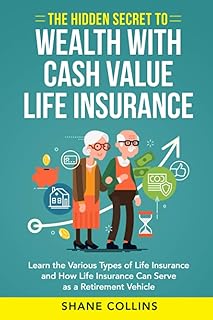
Another standout is The Hidden Secret to Wealth with Cash Value Life Insurance, which explores how life insurance can double as a retirement vehicle. While more advanced, it’s useful if you want to maximise your policy’s benefits.
Should You Choose Term or Whole Life?
Single homeowners often lean toward term life because it’s cheaper and aligns with a mortgage term. Whole life is more expensive but builds cash value and lasts your entire life.
Term life suits:
- Mortgages with a fixed term
- Limited budget
- Covering debts that will be paid off
Whole life suits:
- Final expenses (funeral, estate costs)
- Leaving a guaranteed legacy
- Using cash value for future needs
Related reading: Life Insurance in Retirement: When to Keep Cover and When It’s Safe to Let It Lapse
Common Mistakes Single Homeowners Make
- Assuming they don’t need it. This is the biggest mistake. Even without dependents, your estate has liabilities.
- Not writing the policy in trust. If you don’t use a trust, the payout goes to your estate and may be subject to inheritance tax.
- Underinsuring. A £30,000 policy won’t cover a £200,000 mortgage. Aim for the full amount.
- Forgetting to update beneficiaries. If you named an ex-partner, your payout could go to them. Review annually.
Final Thoughts: It’s About You, Not Just Others
Buying life insurance as a single homeowner is an act of self-respect. It protects the home you’ve worked for, the people you love, and the future you’ve planned. Whether you live in a studio in Brighton or a house in Liverpool, a few pounds a month can save your estate from chaos.
Don’t wait until you have a spouse or children to think about cover. The best time to apply is when you’re healthy and your mortgage is fresh. Check out Life Insurance for Blended Families for more family-oriented scenarios, or revisit New Parents’ Life Insurance Checklist if your situation changes.
For more in-depth learning, grab a copy of Life Insurance Made Simple—it’s a game changer for understanding your options. And remember, your home deserves protection, children or not.