 Insurance Curator
Smoking isn’t just a health risk — it’s a direct hit to your wallet, especially when it comes to life insurance. In the UK, smokers can pay two to three times more for the same cover as a non-smoker. That difference can mean thousands of pounds over the life of a policy.
But how exactly do insurers calculate these premiums? And what do real numbers look like for someone in London, Manchester, or Birmingham? Let’s break it down with facts, examples, and actionable advice.
What Insurers Actually Count as “Smoking”
Before diving into costs, you need to know how UK insurers define a smoker. It’s not just about cigarettes. Most insurers consider you a smoker if you’ve used any nicotine product in the last 12 months. That includes:
- Cigarettes (including roll-ups)
- Vaping or e-cigarettes with nicotine
- Nicotine gum, patches, or lozenges
- Cigars and pipes
- Shisha (hookah)
Even occasional social smoking usually triggers smoker rates. For a deeper look at this grey area, read our guide on Occasional and Social Smokers: Why Insurers Often Still Charge Full Smoker Prices.
Real Premium Comparisons: Smoker vs Non-Smoker
Let’s put hard numbers on the table. Below are typical monthly premiums for a 35-year-old male in the UK, seeking a £200,000 level term life insurance policy over 20 years. These are estimates based on industry averages (2024/2025 data).
| Category | Monthly Premium |
|---|---|
| Non-smoker | £12.50 |
| Light smoker (1–5 cigarettes/day) | £23.00 |
| Heavy smoker (20+ cigarettes/day) | £32.00 |
| Vaper (nicotine) | £22.00 |
That’s a 156% increase from non-smoker to heavy smoker. Over a 20-year term, a non-smoker pays about £3,000 total, while a heavy smoker pays £7,680 — a difference of over £4,600.
City-by-City Breakdown: How Location Adds to the Cost
Your postcode also matters. Insurers use mortality data by region, so premiums vary across the UK. Here’s how smoker premiums might look for a 40-year-old female, £150,000 cover over 20 years.
| City | Non-smoker monthly | Smoker monthly |
|---|---|---|
| London (inner) | £14.00 | £33.00 |
| Manchester | £13.50 | £31.50 |
| Birmingham | £13.00 | £30.00 |
| Glasgow | £15.00 | £34.50 |
| Bristol | £12.50 | £29.00 |
London and Glasgow often see higher premiums due to higher mortality rates and lower life expectancy in those areas. Smoking amplifies that risk, pushing costs even higher.
Why Do UK Insurers Charge Smokers So Much?
The reason is stark: smokers die younger. According to Public Health England, smokers lose an average of 10 years of life. Insurers price policies based on life expectancy tables, and a smoker’s higher mortality risk means higher premiums.
Additionally, smoking increases the likelihood of:
- Heart disease and stroke
- Lung cancer and COPD
- Diabetes complications
These conditions lead to earlier claims, so insurers load the premium upfront.
Vaping and Nicotine Alternatives: Not a Loophole
Many people think switching to vaping saves them from smoker rates. Unfortunately, most UK insurers treat nicotine vaping the same as smoking. If you use a vape with nicotine, you’re still classified as a smoker.
However, a small number of insurers now offer separate rates for nicotine-free vaping. It’s rare, but worth asking. For complete details, check our dedicated article on Vaping vs Cigarettes: How Different Nicotine Habits Are Treated by UK Insurers.
How Quitting Saves You Real Money
The good news: quitting smoking can reclassify you as a non-smoker — but you need to stay tobacco-free for 12 continuous months. After that, you can reapply for lower premiums or ask your current insurer to review your policy.
Consider this example: A 45-year-old male smoker in Leeds pays £45/month for £250,000 cover. After quitting for one year, his non-smoker rate drops to £18/month. That’s £324 saved annually, or £6,480 over 20 years.
Learn exactly how the clock works in our article: Quitting Smoking and Life Insurance: How Long Until You Qualify for Non-smoker Rates?
Niche Smoking Habits: Cigars, Pipes, and Shisha
Some people assume cigars or shisha are “less harmful” or less detectable. Insurers don’t see it that way. If you smoke a cigar once a week, you’re still a smoker. The same applies to pipes and shisha.
These habits also prompt deeper medical questions during underwriting. For a full breakdown, read our guide on Cigars, Pipes, and Shisha: Niche Smoking Habits and Their Life Insurance Impact.
How Wealthy Individuals Use Life Insurance Differently
While many people see life insurance as a simple payout for dependents, the wealthy often use it as a tax-efficient financial tool. Cash value life insurance can serve as a retirement savings vehicle or a personal bank — but only if you qualify for non-smoker rates.
If you’re serious about maximising your wealth, consider reading The Hidden Secret to Wealth with Cash Value Life Insurance by Andrew M. Baker. It’s a top-rated guide that explains how life insurance can be transformed into a retirement asset.
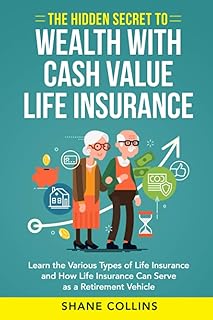
The book shows strategies that require you to be healthy (non-smoker) to unlock the lowest internal costs. Smoking essentially locks you out of these advanced financial moves.
The Long-Term Cost of Smoking: Lifetime Premium Calculations
Over a lifetime, the price divide becomes staggering. Let’s compare a smoker and non-smoker who each buy a £100,000 whole-of-life policy at age 30, paying premiums until age 85.
| Category | Annual premium | Total paid by age 85 |
|---|---|---|
| Non-smoker | £250 | £13,750 |
| Smoker | £600 | £33,000 |
That’s £19,250 extra — money that could have been invested or spent on anything else. And if you live longer, the gap widens.
For a detailed lifetime analysis, see our article: Long-term Cost of Smoking on Life Insurance: Lifetime Premium Comparisons and Calculations.
Medical Evidence: What Insurers Ask Smokers to Prove
When you apply as a smoker, expect deeper underwriting. Insurers often require:
- A full medical exam (blood pressure, BMI, lung function)
- A nicotine test (cotinine test)
- Disclosure of pack-years (number of packs per day × years smoked)
Heavy smokers may also face loading (extra percentage on premium) or even declined cover if health markers are poor. For everything you need to know, read: Smoking, Health Checks, and Medical Evidence: What Insurers Might Ask You to Prove.
How to Get the Best Deal as a Smoker
You can still find competitive rates. Follow these tips:
- Compare multiple insurers — some specialise in smoker-friendly pricing.
- Use a whole-of-market broker who can access exclusive rates.
- Consider a joint policy with a non-smoker partner (sometimes rates blend).
- Reapply after quitting — even a 12-month break can save you 50%.
Also, avoid buying cover from a single insurer without shopping around. The difference between the cheapest and most expensive smoker policy can be 30% or more.
Non-Smoker Discounts: How Healthy Lifestyles Unlock Better Deals
Once you’ve quit, the savings don’t stop at the premium drop. Many UK insurers offer additional discounts for:
- Maintaining a healthy BMI
- Regular exercise
- No hazardous hobbies
Combine these with non-smoker status, and you could shave another 10–15% off your premium. Explore this in our article: Non-smoker Life Insurance Discounts: How Healthy Lifestyles Unlock Better Deals.
A Final Word: The Numbers Don’t Lie
The price divide between smokers and non-smokers in UK life insurance is real, significant, and often underestimated. Whether you live in London, Glasgow, or a small town in Wales, your smoking status will cost you thousands over the years.
But here’s the positive: every day you don’t smoke brings you closer to lower premiums. Reapplying after 12 months of quitting can cut your costs by more than half.
If you’re ready to understand the full financial impact of your habit, start by reading How the Wealthy Would Grow YOUR Money — a bestseller that reveals how non-smokers can use life insurance to build tax-free wealth.

Don’t let smoking burn your future savings. Get the numbers, get the facts, and take control of your life insurance premium today.