 Insurance Curator
 When a disaster strikes—a wildfire sweeping through your neighborhood, an earthquake shaking your building, or a flood rising through the basement—your first instinct is to grab your phone, your keys, and your loved ones and get out. But for apartment dwellers and renters, that evacuation is rarely that simple. Lease agreements, shared hallways, limited storage, and the absence of a garage full of emergency gear can turn a stressful situation into a chaotic one.
That’s where estate planning enters the picture. Yes, you read that right. Your emergency preparedness plan isn’t complete without a well-organized estate plan—especially when you rent. Protecting your assets, your digital life, and your family’s future doesn’t require a mansion. It requires a clear roadmap.
In this deep-dive, we’ll cover everything you need to know: from building a 72-hour go-bag tailored to apartment living to safeguarding your legal documents with tools like Living Trusts, Wills & Estate Planning for Seniors and the I’m Dead, Now What? Planner. By the end, you’ll have a renters-specific disaster plan that includes the estate planning essentials most guides ignore.
Why Renters Need Emergency Preparedness (Even More Than Homeowners)
Renters often assume disasters are someone else’s problem—the landlord handles insurance, the building has sprinklers, the unit is on the third floor so flooding won’t affect them. But statistics tell a different story. Over 40% of renters in the U.S. have no renter’s insurance, and even fewer have a written emergency plan.
The truth is:
- Renters lack control over building infrastructure. You can’t reinforce the walls or change the fire escape route.
- Lease restrictions limit storage. No room for a full survival stockpile.
- Evacuation from multi-story buildings is slower and riskier. Stairs fill with smoke, elevators are off-limits.
- Personal belongings are often underinsured. Standard renters policies may not cover all valuables or temporary relocation costs.
That’s why preparedness for renters must be lean, portable, and documented. And a critical part of that documentation is estate planning—something many renters put off because they think they don’t own enough assets.
In reality, your digital accounts, heirlooms, and even your pet-care instructions are assets worth protecting. A 2023 survey found that 67% of adults under 35 have no will. If you rent and you’re in that group, a disaster could leave your family scrambling to access your bank accounts, social media, or even your security deposit.
Unique Challenges for Apartment Dwellers
Apartment living introduces specific vulnerabilities that single-family homes don’t. Let’s break them down.
Limited Storage for Emergency Supplies
You can’t stockpile 50 gallons of water in a studio. Instead, focus on compact, modular kits that fit under a bed or in a closet. Use stackable bins that double as seating. And keep a portable document safe for your estate planning paperwork.
Shared Common Areas and Evacuation Routes
Hallways, stairwells, and parking garages are shared. That means your exit plan depends on neighbors and building management. Coordinate with your landlord to know the designated meeting point. And keep a printed copy of your emergency contact list and estate plan in your go-bag—not just on your phone.
No Outdoor Space for Defensible Zones
Wildfire-prone areas? You can’t clear brush from a balcony. But you can close windows, turn off air conditioning, and have a pre-packed evacuation kit ready. Apartment dwellers in wildfire zones should practice “ready, set, go” drills monthly.
Elevator Risks
During an earthquake or fire, elevators are death traps. Always know the location of your fire stairs. Practice descending them in the dark (when allowed safely). And consider a whistle to signal for help if you’re trapped.
Lease and Legal Complexities
Your lease may mandate certain preparedness steps, like keeping hallways clear. It may also affect insurance claims. Keep a digital copy of your lease in a cloud service like Google Drive. And include that lease in your estate planning documents—it’s often needed to prove residency for claims.
Estate Planning: The Missing Piece in Your Disaster Kit
You’ve packed your go-bag with water, snacks, and a first-aid kit. But have you packed a living trust or a digital will? Estate planning is often seen as a “when you’re older” task, but for renters, it’s a disaster preparedness essential.
Here’s why:
- In a disaster, you may be separated from your ID. A will or trust with a notarized copy helps family access your bank accounts.
- Without a power of attorney, medical decisions stall. If you’re injured, your partner may not have legal authority to speak for you if you’re not married.
- Digital assets (email, social media, crypto) are often overlooked. A 2024 study showed 40% of people have active accounts with no beneficiary listed.
- Pet guardianship instructions are rarely formalized. Your lease may restrict pets, but your estate plan can name a temporary caretaker.
The good news? You don’t need a lawyer to start. Products like Nolo’s Guide to Estate Planning (rated 4.7 stars) provide clear, state-specific guidance. And the Estate Planning For Dummies (4.3 stars) is perfect for beginners.
The Renters’ Disaster Preparedness Checklist (With Estate Planning Built-In)
Below is a step-by-step, apartment-friendly checklist that merges classic survival prep with estate planning.
Step 1: Build a 72-Hour Go-Bag Adapted for Apartments
Your go-bag must be light enough to carry down multiple flights of stairs. Use a rolling duffel or a backpack with padded straps. Essentials:
- Water filter bottle (1 liter capacity) and 2 extra pouches of water
- High-calorie snacks (protein bars, nuts)
- First-aid kit with prescription copies
- Flashlight and extra batteries
- Whistle, dust mask, and pocket multi-tool
- Power bank and solar charger
- Printed copies of: ID, lease, insurance cards, estate plan summary
- A small fireproof document bag containing your will, trust, and beneficiary forms
Step 2: Digitize Everything
Scan your estate planning documents, lease, and insurance policies. Store them in a password manager or a secure cloud folder (like LastPass or Google Drive with two-factor authentication). Leave a copy with a trusted contact outside your immediate area.
Step 3: Create a Written Emergency Plan (and Share It)
Your plan should include:
- Meeting point: Identify two locations—one just outside your building, one outside your city.
- Out-of-area contact: Someone who doesn’t live in your region.
- Pet evacuation: A carrier, food, and vet records.
- Estate plan location: Write down where your original documents are stored (bank safe deposit box, attorney’s office, or home safe).
Step 4: Protect Your Financial and Legal Documents
This is where estate planning products shine. Consider using the I’m Dead, Now What? Planner (4.6 stars) to organize all logins, passwords, insurance policies, and funeral wishes. It’s a physical notebook designed to be kept with your go-bag or in a designated emergency drawer.
Step 5: Set Up a Living Trust or Will
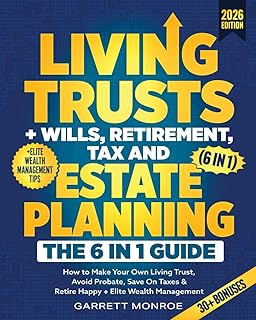
If you have savings, a 401(k), or a pet, a basic will may suffice. But a living trust can avoid probate—even for renters. The Living Trusts + Wills, Retirement, Tax & Estate Planning – The 6-in-1 Guide (4.5 stars) covers all these topics in one comprehensive resource.
Step 6: Communicate with Your Landlord and Neighbors
Share your emergency plan with your building manager. Ask about emergency protocols, fire drill schedules, and whether they allow you to store a small go-bag in a common area. Coordinate with neighbors—especially those with disabilities or pets.
Deep Dive: Essential Estate Planning Products for Renters
Let’s look at top-rated resources that belong in every renter’s disaster preparedness library.
1. Living Trusts, Wills & Estate Planning for Seniors – The Complete 3-in-1 Guide

Price: $22.97 | Rating: 4.4
Despite the “seniors” focus, this guide is invaluable for renters of any age. It includes forms for wills and trusts that you can complete without a lawyer. The book emphasizes protecting assets like security deposits, rental properties, and personal property from probate.
Key takeaways for renters:
- Avoids probate for your estate, which can delay access to funds needed by family during a disaster.
- Includes a power of attorney form—critical if you’re injured and can’t manage your leasing or insurance claims.
- Printable forms that can be placed in your go-bag.
Use this resource if you have any rental property or significant personal assets (even a car or jewelry).
2. Living Trusts + Wills, Retirement, Tax & Estate Planning – The 6-in-1 Guide
Price: $24.97 | Rating: 4.5
This expanded guide adds retirement and tax planning—relevant for renters who have IRAs or 401(k)s. It also covers digital asset management, a growing concern in disaster preparedness.
Why renters love it:
- Digital estate planning section covers passwords, online accounts, and cryptocurrency.
- Wealth management strategies aren’t just for homeowners; they help renters maximize their savings.
- Step-by-step instructions for creating a living trust that includes your renter’s insurance and lease information.
3. Nolo’s Guide to Estate Planning

Price: $27.89 | Rating: 4.7
Nolo is a trusted legal publisher. This guide is updated with the latest state laws. It’s thorough but accessible—no law degree required.
Renters benefit from:
- State-specific advice for where you live (important if you rent across state lines).
- Health care directives ensure your medical wishes are known during a disaster.
- Chapter on organizing documents helps you create a “disaster binder” that coordinates with your emergency kit.
4. Estate Planning For Dummies

Price: $20.99 | Rating: 4.3
If you’re new to the concept, this is your starting point. It breaks down wills, trusts, powers of attorney, and beneficiary designations in plain English.
Perfect for renters because:
- It doesn’t assume you own a home. The examples include renters, tenants, and people with modest estates.
- Covers tax implications of inherited rental insurance payouts.
- Includes a checklist of documents to keep in a safe place (and in your go-bag).
5. I’m Dead, Now What? Planner

Price: $11.63 | Rating: 4.6
This is not a how-to guide but a fill-in-the-blank organizer. It’s designed to be left for family. For disaster preparedness, it’s invaluable because it holds all the details your loved ones would need if you’re incapacitated or deceased.
What to put in it:
- Passwords and PINs for your banking, email, and rent payment portal.
- Insurance policy numbers (renter’s, health, life).
- Pet care instructions and vet contact.
- Lease and landlord contact.
- Wishes for funeral or memorial (important if your family is scattered).
Keep a copy in your go-bag and another with your out-of-area contact.
Integrating Estate Planning into Your Home Emergency Communication Plan
Your Creating a Home Emergency Communication Plan for Family and Caregivers should include a “legal and financial” node. This node contains:
- The location of your will and trust documents.
- The phone number of your estate attorney (or the name of the online service you used).
- Instructions on how to access your digital accounts.
Share this plan with at least two people—a family member and a close friend who don’t live together. In the chaos of a disaster, redundancy saves lives and assets.
Financial Disaster Preparedness for Renters
Your emergency plan isn’t just about physical safety—it’s about financial survival. Financial Disaster Preparedness: Protecting Documents, Cash, and Access to Accounts is a related article that goes deeper, but here are renter-specific tips:
- Keep $500 in cash in your go-bag. ATMs may be down.
- Store a backup debit/credit card separately from your wallet.
- Make photocopies of your lease, renter’s insurance policy, and ID. Seal them in a waterproof bag.
- List your landlord’s contact and insurance agent’s number.
Your estate plan should also include a digital asset directive—a list of all online accounts with login info. The I’m Dead, Now What? planner is perfect for this, or you can use a password manager like LastPass.
Disaster Planning for Pets: A Renters’ Priority
Many apartment buildings have pet restrictions, but during a disaster, you may need to evacuate with your cat or dog. Your estate plan should name a temporary guardian for your pet. Include the guardian’s contact in your go-bag.
For more, see Disaster Planning for Pets: Evacuation, Supplies, and Identification.
Apartment pet kits should include:
- Collapsible bowls and leash
- 3-day supply of food in sealed bags
- Medical records and vaccination proof (required by many shelters)
- A photo of you with your pet for identification
Medical Disaster Preparedness: Prescriptions and Critical Health Needs
Renters often rely on nearby pharmacies that may be closed after a disaster. Include a 30-day supply of medications in your go-bag, along with copies of your prescriptions and a list of allergies.
If you have a chronic condition, your estate planning should include a health care power of attorney. See Medical Disaster Preparedness: Managing Prescriptions and Critical Health Needs. The Estate Planning For Dummies book explains how to create this document easily.
Digital Records and Cloud Backups
Renters move frequently. Your physical documents can be lost in transit or a disaster. Cloud backups ensure you always have access.
Upload scans of:
- Lease agreement
- Renter’s insurance policy
- Will and trust documents
- Passport, driver’s license, birth certificate
- Pet records
- Emergency contact list
Use encrypted cloud services like Sync.com or Tresorit. For a complete guide, read Digital Records and Cloud Backups: Protecting Important Files from Physical Disasters.
Earthquake Preparedness for Apartment Dwellers
If you live in a seismic zone, your apartment’s structure is a major factor. You can’t retro-fit the building, but you can secure your furniture with earthquake straps (check your lease—some landlords allow it). Keep heavy objects on lower shelves.
Your go-bag for earthquakes should include:
- Sturdy shoes and a hard hat (to protect from falling debris)
- A wrench to shut off gas (if you have a gas line)
- A whistle to signal for help
- Your estate plan summary and a printed emergency contact list
For more: Earthquake Preparedness: Securing Your Home and What to Do During Shaking.
Wildfire Preparedness for Renters
Renters in wildfire zones face unique challenges: you may not be allowed to clear brush, and evacuation orders can come with little notice. Your estate plan should be ready to go in 10 minutes.
Create a “wildfire folder” with:
- Lease and insurance documents
- Pet carrier and leash
- A list of irreplaceable items to grab (photos, heirlooms)
- Your I’m Dead, Now What? planner
Practice the “ready, set, go” drill: when the alert level is “ready,” load your car with go-bags and documents. When it’s “set,” be prepared to leave immediately. At “go,” evacuate.
More details: Wildfire Preparedness: Creating Defensible Space and Ready-to-go Evacuation Kits.
Post-Disaster Recovery Checklist for Renters
After a disaster, your first priority is safety. Your second priority is paperwork. Here’s a quick recovery checklist that coordinates with your estate plan:
- Contact your out-of-area person to relay your status.
- File a claim with your renter’s insurance as soon as possible. Have your policy number ready (it’s in your go-bag).
- Notify your landlord about damage. Take photos.
- Access your digital estate plan to find contact info for your attorney or financial advisor.
- Use your power of attorney if you’re handling a loved one’s affairs.
- Locate your will or trust if you need to manage an estate.
- Update your emergency plan based on lessons learned.
For a full walkthrough: Post-disaster Recovery Checklist: Safety, Insurance Claims, and Rebuilding Steps.
Community Coordination: Why It Matters for Renters
Apartment complexes are communities. You can’t prepare in isolation. Community Disaster Preparedness: How to Coordinate with Neighbors and Local Resources offers strategies like creating a building-wide contact list and designating a floor warden.
In your estate planning, consider sharing a “digital vault” password with a neighbor you trust. If you’re injured, they can access your emergency docs.
FAQ: Emergency Preparedness for Apartment Dwellers and Renters
1. Do I really need a will if I rent and don’t own property?
Yes. Even modest assets—bank accounts, a vehicle, digital accounts, pet guardianship—can become complicated without a will. A will ensures your wishes are followed and reduces family conflict.
2. Can I store emergency supplies in a shared storage unit?
Check your lease. Many buildings prohibit storage of combustible items. If allowed, use a locked plastic bin and label it clearly. But always keep a smaller go-bag inside your apartment.
3. How do I choose a living trust vs. a will?
If your estate is under $50,000 and you have no minor children, a will may suffice. If you want to avoid probate (which can delay access to funds for months), a living trust is better. Books like Nolo’s Guide can help you decide.
4. Should I include my renter’s insurance policy in my estate plan?
Absolutely. Your beneficiaries need to know the policy number and agent. The I’m Dead, Now What? planner has a section for insurance policies.
5. What’s the best way to protect documents in an apartment fire?
Buy a small fireproof safe (under $50) that fits in a closet. Keep originals inside, and store certified copies with a relative. Also maintain digital backups.
6. Do I need a health care power of attorney if I’m young and healthy?
Yes. Accidents happen. Without one, hospital staff may not be able to discuss your condition with your partner or friends. It’s a simple document you can create using the Estate Planning For Dummies guide.
7. How often should I update my estate plan as a renter?
Update it every time you move, change jobs, or acquire new assets (like a car or inheritance). At minimum, review it annually alongside your emergency kit refresh.
Take Action Today
Your apartment is your home, but it’s also a temporary structure on leased land. Don’t let a disaster catch you off guard. Start with a 72-hour go-bag, then move to an estate plan that protects everything you’ve built—even if that “everything” fits in a small apartment.
Invest in resources that guide you step by step. The Living Trusts, Wills & Estate Planning for Seniors bundle, the Living Trusts + Wills 6-in-1 Guide, or the classic Nolo’s Guide will pay for themselves the first time you need to prove insurance coverage after a flood.
Remember: preparedness isn’t paranoia—it’s peace of mind. For renters, that peace of mind includes knowing your will, your digital accounts, and your pet are all accounted for, no matter what the next storm brings.