 Insurance Curator
 When dark clouds gather and the wind starts to roar, your home becomes more than just a shelter—it’s your fortress. But even the strongest walls can’t protect everything you value if you haven’t planned ahead. Preparing for hurricanes, tornadoes, and severe storms is about more than boarding up windows and stocking canned goods. It’s about safeguarding your family, your property, and—critically—your estate. Your will, trust, and financial documents are just as vulnerable as your roof. That’s why integrating estate planning into your disaster readiness strategy is essential.
In this comprehensive guide, we’ll walk you through every step of storm-proofing your home, from structural upgrades to securing your legacy. We’ll also show you how resources like Estate Planning For Dummies can simplify the process of organizing your affairs before disaster strikes.

Understanding the Risks: Hurricanes, Tornadoes, and Severe Storms
Before you reinforce your home, you need to know what you’re up against. Each storm type poses distinct threats:
- Hurricanes bring sustained winds, storm surge, and flooding. They affect coastal areas and can extend damage hundreds of miles inland.
- Tornadoes are violent, rotating columns of air that can level a house in seconds. Their path is narrow but incredibly destructive.
- Severe thunderstorms produce damaging straight‑line winds, large hail, and lightning that can spark fires.
Your preparation must account for all these scenarios. A single plan that covers multiple hazards is the most effective approach. For a deeper dive on building a family emergency plan from scratch, read our Disaster Preparedness 101: Building a Family Emergency Plan That Actually Works.
Structural Fortifications: Shielding Your Home from the Elements
Your home’s structure is the first line of defense. Here’s what to prioritize:
Windows and Doors
Windows are the weakest point during high winds. Debris can shatter glass, allowing wind pressure to build inside and blow out your roof.
- Impact‑resistant windows are the gold standard. They meet strict building codes in hurricane‑prone areas.
- Storm shutters (accordion, roll‑down, or plywood) provide a more affordable alternative.
| Shutter Type | Cost per sq. ft. | Ease of Deployment | Durability |
|---|---|---|---|
| Plywood | $1–$3 | Low (must pre‑cut) | Moderate |
| Accordion | $15–$25 | High (permanent mount) | Very High |
| Roll‑down | $20–$40 | Very High (motorized) | Excellent |
Doors should have at least three hinges and a deadbolt with a 1‑inch throw. Garage doors need to be reinforced with bracing kits to prevent wind entry.
Roof and Gable Ends
A roof that’s properly attached to the walls can mean the difference between a standing house and a pile of debris.
- Use hurricane straps or clips to connect roof trusses to walls.
- Install impact‑rated shingles (Class 3 or 4) to resist hail.
- Seal roof decking with waterproof tape to prevent water intrusion.
Landscaping and Yard Items
Trees and loose yard items become projectiles in high winds.
- Trim dead branches and remove any tree limbs that overhang your home.
- Secure outdoor furniture, grills, and propane tanks.
- Store garbage cans and garden tools inside a shed or garage.
For apartment dwellers, many of these structural measures aren’t possible. Check our guide Emergency Preparedness for Apartment Dwellers and Renters for tailored advice.
Creating a Comprehensive Emergency Supply Kit
A well‑stocked kit is non‑negotiable. Aim for 72 hours of self‑sufficiency for each family member.
- Water: 1 gallon per person per day (plus extra for pets)
- Food: Non‑perishable, easy‑to‑prepare items (canned goods, protein bars, dried fruit)
- First aid kit: Include prescription medications and over‑the‑counter pain relievers
- Light sources: Flashlights (not candles), extra batteries, and solar‑powered lanterns
- Communication: NOAA weather radio, cell phone with backup battery pack
- Tools and supplies: Multi‑tool, duct tape, heavy‑duty trash bags, whistle, and dust masks
- Personal hygiene: Hand sanitizer, wet wipes, sanitary pads, and toothbrush
- Important documents (more on this below) in a waterproof container
For a detailed checklist, explore our article Emergency Go‑bag Essentials: What to Pack for 72 Hours of Survival.
The Intersection of Estate Planning and Disaster Preparedness
This is where most home‑prep guides stop, but you can’t afford to overlook what happens to your assets and wishes if you are incapacitated or worse. Severe storms can cause chaos that lasts for months. Without an up‑to‑date estate plan, your family could face legal battles over property, guardianship of children, or medical decisions.
Here’s what every household needs to have in place before the next storm:
Key Estate Planning Documents
- Will – Dictates who inherits your property and names guardians for minor children.
- Living Trust – Avoids probate and keeps your estate private. Especially valuable if you own real estate in multiple states.
- Durable Power of Attorney – Appoints someone to manage your finances if you become incapacitated.
- Healthcare Power of Attorney (Medical Proxy) – Designates someone to make medical decisions for you.
- Advance Healthcare Directive (Living Will) – Specifies your wishes for end‑of‑life care.
During a disaster, you may be evacuated or hospitalized without warning. Having these documents digitally saved and physically stored in a fireproof, waterproof safe ensures they are accessible.
How to Organize and Protect Your Documents
- Create a digital backup: Scan all documents and store them in encrypted cloud services (Google Drive, Dropbox, or specialized services). Read our guide Digital Records and Cloud Backups: Protecting Important Files from Physical Disasters for best practices.
- Keep a physical binder in your go‑bag. The I’m Dead, Now What? Planner is an excellent tool for organizing your affairs, and it retails for just $11.63 with a 4.6‑star rating.

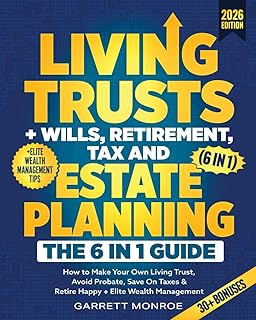
For a broader approach, consider the Living Trusts + Wills, Retirement, Tax & Estate Planning – The 6-in-1 Guide ($24.97, 4.5 stars). It covers creating a living trust, avoiding probate, and wealth management—perfect for those who want a single comprehensive resource.
Integrating Estate Planning into Your Disaster Drill
Don’t just prepare your home—practice your estate plan alongside your family’s evacuation drill.
- Designate a person (not necessarily a family member) as your emergency contact for legal and financial matters.
- Share the location of your will and trust with that person.
- Review your beneficiaries on insurance policies and retirement accounts at least once a year.
Financial Preparedness: Securing Documents and Access
When the power goes out and phone lines are down, you still need access to cash, insurance policies, and account numbers.
What to Include in a Financial Go‑Kit
- Cash in small bills ($200–$500 minimum). ATMs and credit card machines may not work.
- Insurance policies: Homeowners, flood, auto, and health insurance. Include contact numbers and claim instructions.
- Home inventory: A list (photos or video) of your possessions to support insurance claims.
- Bank account and investment statements: Recent copies or a password manager with login details.
- Property deeds and vehicle titles: Ideally stored in a digital vault.
For a detailed breakdown of protecting your finances during disasters, read Financial Disaster Preparedness: Protecting Documents, Cash, and Access to Accounts.
Using Estate Planning Guides to Streamline Your Process
A resource like Nolo’s Guide to Estate Planning ($27.89, 4.7 stars) helps you navigate the complexities of wills, trusts, and healthcare directives. It’s updated regularly to reflect current laws—essential for a document that must hold up in court after a disaster.

Communication and Evacuation Plans
Storms don’t give much warning. You need a family communication plan that works when cell towers are overloaded.
- Designate an out‑of‑state contact everyone can call to check in.
- Agree on a meeting place inside your neighborhood (if safe) and a secondary meeting place outside the area.
- Download offline maps of your region. GPS may be unavailable.
If you live in a tornado‑prone area, identify your safe room—preferably a basement, storm cellar, or interior windowless room on the lowest floor. For hurricanes, know your evacuation zone and have multiple routes planned.
For a step‑by‑step template, check out Creating a Home Emergency Communication Plan for Family and Caregivers.
Insurance and Claims Preparation
Your home insurance policy is the financial bedrock of your recovery. But many homeowners discover gaps only after a storm.
What to Review Now
- Deductible: Hurricane and windstorm deductibles are often a percentage (e.g., 2%‑5% of your home’s value) rather than a flat amount.
- Flood insurance: Standard homeowners policies do not cover flood damage. If you’re in a flood zone (or even near one), buy separate coverage through the National Flood Insurance Program.
- Replacement cost vs. actual cash value: Replacement cost pays to rebuild with new materials; actual cash value subtracts depreciation. Choose replacement cost if possible.
Document Everything Before the Storm
Take a video tour of every room, opening closets and drawers. Upload the video to the cloud immediately. After a disaster, adjusters may be overwhelmed; your documentation speeds up claims.
After the storm, follow our Post‑disaster Recovery Checklist: Safety, Insurance Claims, and Rebuilding Steps to avoid common pitfalls.
Special Considerations for Seniors and Vulnerable Individuals
Older adults and people with disabilities face unique challenges during storms. Mobility limitations, medical needs, and cognitive decline can turn a stressful situation into a dangerous one.
- Medical preparedness: Keep at least a two‑week supply of medications. Use a cooling pack for insulin.
- Medical alert systems: If you rely on one, ensure it has a backup battery or consider a cell‑based model.
- Guardianship documents: If you are a caregiver, have legal authority (healthcare power of attorney) ready in case of evacuation or hospitalization.
The Living Trusts, Wills & Estate Planning for Seniors – The Complete 3‑in‑1 Guide ($22.97, 4.4 stars) is tailored for older adults. It includes will and trust forms designed to avoid costly lawyer fees, simplifying the process for those who need it most.

FAQ Section
What is the most important document to protect during a storm?
Your last will and testament and any living trust documents are the most critical. Without them, state intestacy laws determine who inherits your assets, which can cause prolonged family conflict. Also crucial are insurance policies, deeds, and powers of attorney.
Should I create a living trust before hurricane season?
Absolutely. A living trust allows your estate to bypass probate, which can be greatly delayed after a disaster when courts are overwhelmed. Resources like the Living Trusts + Wills, Retirement, Tax & Estate Planning guide walk you through setting one up without an attorney.
How often should I update my estate plan?
Review your estate plan annually and after any major life event—marriage, divorce, birth of a child, purchase of a home, or death of a beneficiary. Also update it whenever you move to a state with different laws.
Can I store estate planning documents in a safe deposit box?
While a safe deposit box is secure, it can be inaccessible for days or weeks if the bank suffers storm damage or is closed due to emergency. Better options: a fireproof safe at home (bolted down) plus a digital copy in the cloud.
What is the difference between a will and a living trust?
A will becomes effective only after death and goes through probate court. A living trust takes effect as soon as you sign it and allows assets to pass to beneficiaries without probate, saving time and maintaining privacy. For most families, having both is ideal.
Final Thoughts
Preparing your home for hurricanes, tornadoes, and severe storms is a two‑fold mission: protect the physical structure and protect the legal structure of your life. Structural upgrades like impact windows and hurricane straps buy you safety during the storm. But an organized estate plan—your will, trust, powers of attorney, and a secure copy of your “I’m Dead, Now What?” notebook—buys your family peace of mind long after the clouds clear.
Don’t wait until the next watch is issued. Start today by assessing your home’s vulnerabilities, stocking your emergency kit, and downloading a trusted estate‑planning guide. Your future self—and your loved ones—will thank you.
For more guidance, wander through our full library of disaster preparedness resources, including Disaster Planning for Pets: Evacuation, Supplies, and Identification and Medical Disaster Preparedness: Managing Prescriptions and Critical Health Needs. Every step you take now is a step toward resilience.