 Insurance Curator
 Check fraud has surged in recent years, posing a serious threat to individuals, families, and estates. Criminals target paper checks because they remain common in many financial transactions—especially among seniors and during estate settlements. Understanding how checks are altered and what you can do about it is essential for protecting your assets and your legacy.
If you are planning an estate or helping an aging relative, you need a clear strategy. The I’m Dead, Now What? Planner (4.6 stars, $11.63) is a simple tool to organize financial accounts and alert heirs to fraud risks. We’ll explore the techniques criminals use, why estate planning matters, and which books and resources can help you stay safe.
Why Check Fraud Is Surging Again
The pandemic shifted many payments online, but paper checks never went away. According to the Financial Crimes Enforcement Network (FinCEN), suspicious activity reports involving check fraud more than doubled between 2020 and 2022. Criminals are exploiting vulnerabilities in the mail system, bank processing delays, and the public’s casual trust in checks.
- Mail theft remains the top entry point. Thieves steal checks from residential mailboxes, blue collection boxes, or even postal trucks.
- Advanced scanning and printing equipment allows counterfeiters to replicate checks with near-perfect accuracy.
- Chemical “washing” kits are widely available online, letting criminals erase ink and rewrite check details.
This resurgence hits seniors and estate executors especially hard. Checks for inheritance distributions, trust disbursements, or monthly care fees become easy targets.
How Criminals Alter Checks: The Techniques
Criminals have refined several methods to alter or forge checks. Knowing their playbook is the first step to prevention.
Check Washing
Check washing uses solvents like acetone or bleach to dissolve the ink on a check while leaving the signature and bank information intact. The criminal then writes in a new payee and amount.
What makes it easy: Many people still use standard ballpoint pens, whose ink lifts easily. Gel pens or pigmented ink pens are far more resistant.
Counterfeiting
Thieves capture a check image (from a stolen check or a scanned copy) and use graphic design software to create new checks on blank security paper. They can print hundreds of copies, each with a different amount, using the same routing and account numbers.
Mail Theft
This is the simplest method. A thief grabs an envelope from a mailbox, opens it, and either washes the check or uses the account details to create a counterfeit. The United States Postal Service reported over 300,000 mail theft complaints in 2023.
Digital Alteration and Remote Deposit Fraud
Some criminals steal a check, scan it, and digitally alter the payee or amount before depositing it via a mobile banking app. Banks’ check image systems sometimes fail to detect the manipulation.
Real-World Examples and Scenarios
Consider these situations that directly relate to estate planning and elder finances.
Example 1 – The Washed Caregiver Check: An elderly woman writes a monthly check for $1,200 to her home health aide. A relative drops it in a curbside mailbox. The thief washes the check, changes the payee, and cashes it for $12,000. The bank may not flag it because the signature is original.
Example 2 – The Trust Disbursement: An executor sends a distribution check from a living trust to a beneficiary. The check is stolen from the beneficiary’s mailbox. The fraudster counterfeits 50 checks with the same account numbers and spreads them across different banks, draining the trust account before anyone notices.
Example 3 – The Inheritance Check: A grieving widow receives a life insurance payout via check. She mails it to her attorney. It’s intercepted, washed, and deposited into a fraudulent account. The funds are gone before the estate can close.
These are not hypothetical. They happen every day, and estate executors carry the burden of recovering lost funds.
Check Fraud in Estate Planning: Why It Matters
Estate planning involves many check transactions. Property tax payments, trust funding, debt settlements, and inheritance distributions all rely on checks. Seniors, who often prefer paper payments over digital, are disproportionately affected.
- Vulnerable adults: Seniors may lack the tech skills to monitor accounts or use online banking alerts.
- Multiple accounts: Trusts and estates typically have separate bank accounts, increasing the surface area for fraud.
- Time delays: Estate administration can take months. A stolen check may not be discovered until the next reconciliation.
If fraud hits an estate, the consequences go beyond lost money. Heirs may face delayed distributions, legal fees to fight chargebacks, and even IRS complications if tax payments are affected.
To reduce these risks, many estate planning resources now include fraud prevention guidance. The Nolo’s Guide to Estate Planning (4.7 stars, $27.89) covers both legal strategies and practical safety measures. Similarly, Estate Planning For Dummies (4.3 stars, $20.99) offers straightforward advice on securing your financial documents.
How to Protect Yourself from Check Fraud
You don’t need to stop using checks entirely. But you must adopt habits that make fraud much harder.
Use the Right Pen
- Gel pens with pigmented ink resist washing. Brands like Uni-ball 207 or Pilot G2 are widely recommended.
- Avoid standard ballpoint pens — their ink dissolves easily.
Secure Your Mail
- Deposit outgoing mail inside a post office or a locked collection box, not a residential mailbox.
- Retrieve incoming mail promptly. A stolen check can be washed and cashed within hours.
- Consider a PO box for sensitive mail.
Monitor Accounts Proactively
- Set up account alerts for any check over a small threshold (e.g., $100).
- Review canceled check images each month. Look for changes in payee, amount, or signatures.
- Reconcile trust and estate accounts monthly, even if the estate is still open.
Switch to Electronic Payments
- Schedule property tax and utility payments through your bank’s bill pay system.
- Use wire transfers or ACH for large disbursements from estates.
- Many banks now offer “positive pay” for business accounts — the bank only clears checks you pre-approve.
Organize Your Financial Life
An organized record of accounts and expected payments helps you spot irregularities quickly. The I’m Dead, Now What? Planner (4.6 stars, $11.63) is designed to log all your financial accounts, insurance policies, and recurring payments. It also includes a section for noting which organizations you deal with — so your executor or family can immediately verify any suspicious check.
The Role of Estate Planning in Fraud Prevention
A solid estate plan doesn’t just distribute your assets — it can also shield them from fraud. Here’s how.
Living Trusts Minimize Check Usage
When assets are held in a revocable living trust, you can often pay bills directly from the trust account. But many trustees still write checks. The key is to restrict who has access to trust checkbooks and to require two signatures for large amounts.
Durable Power of Attorney
A durable power of attorney allows a trusted agent to monitor your finances and report suspicious activity. However, the agent also needs fraud prevention training — otherwise, they might be the target of phishing scams themselves.
Education Through Books
Learning the legal framework plus the practical fraud risks creates a complete defense. The Living Trusts, Wills & Estate Planning for Seniors – The Complete 3-in-1 Guide (4.4 stars, $22.97) and the Living Trusts + Wills, Retirement, Tax & Estate Planning – The 6-in-1 Guide (4.5 stars, $24.97) both dedicate chapters to protecting assets from fraud and identity theft.

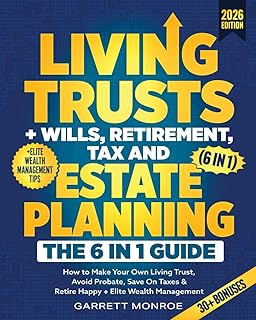
These guides also cover how to avoid probate — a process that often exposes estates to public scrutiny and increases check-writing volume. Fewer checks mean fewer opportunities for fraud.
Recommended Resources for Estate Planning and Fraud Prevention
To build a comprehensive defense, pair practical fraud prevention with estate planning education. Below are the top-rated resources from Amazon that align with these goals.
| Product | Price | Rating | Key Benefit |
|---|---|---|---|
| I’m Dead, Now What? Planner | $11.63 | 4.6 | Organizes accounts and fraud checks |
| Nolo’s Guide to Estate Planning | $27.89 | 4.7 | Comprehensive legal & fraud guidance |
| Estate Planning For Dummies | $20.99 | 4.3 | Easy to read, covers fraud risks |
| Living Trusts 3-in-1 for Seniors | $22.97 | 4.4 | Trust-focused with asset protection |
| Living Trusts 6-in-1 Guide | $24.97 | 4.5 | Retirement and tax fraud safeguards |
Deep Dive: I’m Dead, Now What? Planner
This planner is a simple but powerful tool. It has fill-in sections for bank accounts, insurance policies, property deeds, and safe deposit boxes. Crucially, it also includes a log for “Payments I Make Regularly” — so your executor can cross-reference checks against known obligations.

If a check appears that doesn’t match this log, it’s a red flag. The planner costs just $11.63 and is rated 4.6 stars — a small investment with huge peace of mind.
Deep Dive: Nolo’s Guide to Estate Planning
Nolo’s guide is a standard reference. It explains wills, trusts, and powers of attorney, but also discusses how to secure your financial information against theft. The 2025 edition includes updated sections on digital fraud and check security.

FAQ
Why is check fraud becoming more common again?
Criminals have adapted to digital security by targeting the weakest link: paper checks. Mail theft, chemical washing, and high-quality counterfeiting have all become easier due to online tools and lax monitoring by some banks.
How can I tell if a check has been altered?
Hold the check up to light and look for rough edges, discoloration, or uneven ink. If the payee name or amount appears in a different font or color, be suspicious. Also, compare the check number sequence — a sudden jump could indicate a stolen or washed check.
Are seniors more at risk for check fraud?
Yes. Seniors often write checks for recurring expenses like medical bills, property taxes, and caregiver payments. They may also be less likely to use online banking alerts. Estate executors should encourage older relatives to switch to electronic payments or use gel pens and locked mailboxes.
Can a living trust protect me from check fraud?
A living trust reduces the number of individual bank accounts and can centralize payments, making monitoring easier. However, if the trust still issues paper checks, you need the same precautions. Consider requiring two signatures for checks over a set amount.
What should I do if I suspect a check has been tampered with?
Contact your bank immediately and request a stop payment if the check hasn’t cleared. File a report with the U.S. Postal Inspection Service if mail theft is suspected. Then notify your estate planning attorney to prevent further vulnerabilities.
Where can I learn more about fraud prevention in estate planning?
Many estate planning books include fraud prevention chapters. The Living Trusts, Wills & Estate Planning for Seniors and Nolo’s Guide are excellent starting points. For ongoing education, check our related articles on Fraud Prevention Basics: Everyday Steps to Avoid Becoming a Victim and Elder Financial Fraud: How Families Can Monitor and Protect Vulnerable Relatives.
Conclusion – Stay Vigilant
Check fraud is back with a vengeance, but you don’t have to be a victim. By understanding the techniques criminals use, adopting secure habits, and integrating fraud awareness into your estate plan, you can protect your assets and your loved ones.
Start with small changes: switch to gel pens, remove outgoing checks from your mailbox, and monitor your accounts weekly. Then build a stronger foundation using trusted resources like the I’m Dead, Now What? Planner and comprehensive guides from Nolo and others.
Fraud prevention is an ongoing process. Keep learning through articles like Recognizing Phishing Emails and Texts: Real-world Examples and Red Flags and What to Do if You’ve Been Defrauded: Reporting, Documentation, and Recovery Steps. Your estate plan should be a fortress—not a target.