 Insurance Curator
Your checking account is the command center of your daily finances. It’s where your paycheck lands, where bills are paid, and where your spending money lives. But not all checking accounts are created equal—and picking the wrong one can quietly drain your budget through fees, low interest, or poor features.
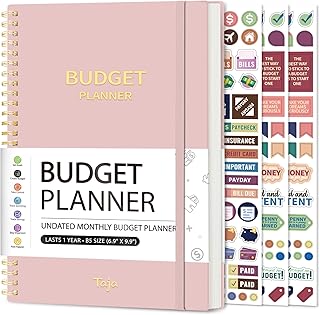
In this guide, we’ll walk through every factor that matters when choosing a checking account for everyday money management. Whether you’re a budgeting beginner or a seasoned saver, you’ll learn how to align your account with your financial habits and goals. Along the way, we’ll show you practical tools—like a Budget Planner – Monthly Budget Book with Expense Tracker Notebook, Undated Bill Organizer & Finance Planner to Take Control of Your Money, Account Book to Manage Your Finances-Pink ($8.99, 4.6 stars) —that can supercharge your budgeting system.
Why Your Checking Account Matters for Budgeting
A checking account is more than a place to store cash. It’s a tool that can either support or sabotage your budget. The features you choose—or ignore—directly affect how easily you can track spending, avoid overdrafts, and save for goals.
When you budget effectively, every dollar has a job. Your checking account should make that job simple. For example, accounts with robust mobile apps allow you to categorize transactions instantly. Accounts with low or no fees prevent unnecessary leaks. And accounts that integrate with budgeting tools (like physical planners or digital apps) help you stay on track.
Budgeting without the right checking account is like driving with a foggy windshield—you can move forward, but you’re likely to hit hidden costs.
Key Features to Evaluate Before Opening an Account
Before you sign up for any checking account, run through this checklist of features. Each one directly impacts your everyday money flow.
Monthly Maintenance Fees
Many traditional banks charge $10–$15 per month unless you maintain a minimum balance or set up direct deposit. That’s $120–$180 a year wasted. Look for accounts with no monthly fees or easy fee waivers. Online banks often offer free checking with no strings attached.
ATM Access
If you use cash regularly, ATM fees add up fast. Choose an account that offers a large surcharge-free ATM network or reimburses out-of-network fees. Some online banks refund unlimited ATM fees worldwide.
Overdraft Protection
Overdraft fees can hit $35 per transaction. Your budget takes a big hit every time you accidentally overspend. Opt for accounts that offer:
- Overdraft protection transfers from a linked savings account (often free)
- No overdraft fees (some modern banks have eliminated them entirely)
- Low balance alerts via text or push notification
Interest Rates
Most checking accounts pay negligible interest (0.01% or less). However, high-yield checking accounts from online banks or credit unions may offer 1%–5% APY on balances up to a certain limit. If you keep a significant everyday balance, consider these accounts.
Mobile and Online Banking
A strong mobile app is non-negotiable for modern budgeting. Look for features like:
- Real-time transaction notifications
- Digital check deposit
- Spending categorization and budgeting tools
- Peer-to-peer payments (Zelle, Venmo integration)
Minimum Balance Requirements
Some accounts require a daily minimum balance (e.g., $1,500) to avoid fees. If your income fluctuates or you’re just starting to budget, this can be stressful. Choose an account with no minimum balance or a low one.
FDIC Insurance
Always verify that your checking account is FDIC-insured up to $250,000. This protects your money if the bank fails. For larger sums, see our guide on Safe Places to Keep Large Sums of Cash: FDIC Insurance and Banking Product Limits.
Aligning Your Checking Account with Your Budgeting Style
Your checking account should complement the way you manage money. Let’s explore how different budgeting methods pair with specific account features.
The Envelope System
Popularized by Dave Ramsey, the envelope system divides cash into categories. While physical cash works, many people now use digital envelopes via checking accounts.
If you prefer a hands-on approach, combine a budget binder with your checking account. For example, the NICOOTH Budget Binder Cash Envelopes A6 Money Saving Binder with Zipper envelopes (Purple) ($6.28, 4.6 stars) helps you allocate cash physically, while your checking account handles bills and online spending.

For a more comprehensive system, the SKYDUE Budget Binder, Money Saving Binder with Zipper Envelopes, Cash Envelopes and Expense Budget Sheets for Budgeting ($8.98, 4.7 stars) includes expense sheets to track withdrawals from your checking account.

The 50/30/20 Rule
This method allocates 50% of income to needs, 30% to wants, and 20% to savings. A checking account with separate sub-accounts or linked savings accounts makes this easy. Many online banks let you create “buckets” within one account, automatically dividing your paycheck.
Zero-Based Budgeting
Every dollar is assigned a purpose. You need real-time tracking to ensure you don’t overspend. Look for checking accounts with excellent mobile apps that categorize transactions and allow you to set spending limits. Pairing with a physical planner like the Budget Planner – Monthly Budget Book with Expense Tracker Notebook, Undated Bill Organizer & Finance Planner to Take Control of Your Money, Account Book to Manage Your Finances-Black ($8.99, 4.6 stars) helps you reconcile your digital transactions with written goals.

Knowledge-Based Budgeting
If you’re new to budgeting, education is key. The book Budgeting 101: From Getting Out of Debt and Tracking Expenses to Setting Financial Goals and Building Your Savings, Your Essential Guide to Budgeting (Adams 101 Series) ($9.69, 4.6 stars) provides a solid foundation. Combine its principles with a fee-free checking account that automates your savings.

Types of Checking Accounts: Which One Fits Your Life?
Not all checking accounts serve the same purpose. Here’s a breakdown of the most common types and who they suit best.
| Type | Best For | Typical Fees | Interest | Key Feature |
|---|---|---|---|---|
| Traditional Brick-and-Mortar | People who visit branches often | $10–$15/mo (waivable) | Very low | In-person service |
| Online-Only | Tech-savvy budgeters | $0 | Higher (0.5%–5% APY) | Great mobile apps, low fees |
| Student Checking | Students (ages 17–24) | $0 | Low | No minimum balance |
| Second-Chance Checking | People with past banking issues | $5–$10/mo | None | Helps rebuild banking history |
| Interest-Bearing (High-Yield) | Those keeping high balances | $0–$12/mo | 1%–5% APY (on up to $15k–$25k) | Earn while you spend |
| Rewards Checking | Frequent debit card users | $0–$10/mo | Low | Cash back or rewards points |
For a deeper dive into product categories, read the Beginner’s Guide to Banking Products: Checking, Savings, CDs, and More.
How to Avoid Hidden Fees and Maximize Your Account
Fees are the enemy of a healthy budget. Here’s how to avoid them while getting the most from your checking account.
Set Up Direct Deposit
Many banks waive monthly fees if you have direct deposit. It also speeds up access to your paycheck and simplifies budgeting.
Maintain Minimum Balance—or Don’t
If you can comfortably keep a minimum balance, traditional accounts can work. If not, online banks rarely require one.
Enable Alerts
Set up low-balance alerts to prevent overdrafts. Even with overdraft protection, a text reminder costs nothing.
Link to a Savings Account
Using a savings account for overdraft protection is often free. Plus, it keeps your emergency fund separate but accessible. See High-yield Savings Accounts: What to Look for and How to Compare Offers for pairing strategies.
Negotiate Fees
If you’ve been a loyal customer, call your bank and ask for a fee waiver. Many will accommodate to keep your business.
Use In-Network ATMs
Plan ahead and find fee-free ATMs near your home, work, and frequent routes. Many online banks have maps in their apps.
Combining Checking with Other Banking Products for a Cohesive System
A checking account works best when it’s part of a broader banking ecosystem. Here’s how to layer products for optimal budgeting.
Use a Savings Account for Short-Term Goals
Link a high-yield savings account to your checking for automatic transfers. This creates a “pay yourself first” habit.
Add a Money Market Account for Higher Liquidity
If you need occasional check-writing from a savings product, a money market account bridges the gap. Learn more in Money Market Accounts Explained: Who Should Use Them and Why.
Use a CD for Locked-In Goals
For large, fixed-term goals (like a down payment in 12 months), a Certificate of Deposit offers higher rates. Compare with Certificates of Deposit vs. Savings Accounts: Which Banking Product Fits Your Goal?.
Separate Accounts for Bills, Fun, and Savings
Many budgeters open multiple checking accounts (e.g., one for bills, one for discretionary spending). This prevents accidental overspending. Explore Using Separate Banking Products to Organize Bills, Goals, and Everyday Spending.
Consider Overdraft Protection and Lines of Credit
Some banks offer overdraft lines of credit that are cheaper than traditional overdraft fees. But be cautious—they can mask overspending. Read Overdraft Protection, Lines of Credit, and Other Hidden Banking Products.
Expert Insights: What Financial Advisors Look For
We consulted with certified financial planners (CFPs) to find out what they prioritize when recommending checking accounts.
1. Fee transparency – “I always look at the fee schedule first. If a bank hides fees in fine print, I move on.” — Maria S., CFP
2. Integration with budgeting apps – “Clients who use apps like YNAB or Mint need an account that syncs seamlessly. Data lags cause budgeting errors.” — James R., CFP
3. Customer service – “When money is tight, you need representatives who can help quickly. I prefer banks with 24/7 support.” — Linda T., CFP
4. Interest rates matter, but not for everyone – “If you keep less than $1,000 in checking, interest is negligible. Focus on fee avoidance instead.” — Mark K., CFP
Mobile-First Banking: Features That Actually Make Life Easier
Modern budgeting relies heavily on mobile banking. Here are the features that genuinely simplify your everyday money management.
- Push notifications for every transaction let you catch fraud or overspending instantly.
- Digital check deposit eliminates trips to the bank.
- Spending insights categorize purchases automatically (e.g., “Groceries,” “Transportation”).
- Instant transfers between accounts support the envelope system.
- Card locking prevents unauthorized use if you misplace your debit card.
For a full breakdown, see Mobile-first Banking Products: Features That Actually Make Life Easier.
How to Evaluate Banking Fees and Avoid Paying for Basic Services
Many bank fees are avoidable with a little knowledge. Here’s a fee cheat sheet.
| Fee Type | Typical Amount | How to Avoid |
|---|---|---|
| Monthly maintenance | $10–$15 | Maintain minimum balance, set up direct deposit, or choose a fee-free bank. |
| Overdraft | $30–$35 per occurrence | Opt out of overdraft, link a savings account, or use a bank with no overdraft fees. |
| ATM out-of-network | $3–$5 per withdrawal | Use in-network ATMs or choose a bank that reimburses fees. |
| Foreign transaction | 1%–3% of transaction | Use a travel-friendly checking account. |
| Paper statement | $2–$5 per month | Go paperless. |
| Stop payment | $15–$35 | Avoid by reconciling your register carefully. |
For a complete guide, read How to Evaluate Banking Fees and Avoid Paying for Basic Services.
FAQ About Choosing a Checking Account for Everyday Money
1. What is the best checking account for budgeting beginners?
The best account for beginners has no monthly fees, a strong mobile app, and overdraft protection. Online banks like Ally or Chime are popular choices. Pair with a physical tool like the Budget Planner – Monthly Budget Book with Expense Tracker Notebook ($8.99) to learn tracking.
2. Can I have multiple checking accounts for different budget categories?
Absolutely. Many budgeters open 2–3 checking accounts: one for fixed bills, one for variable spending, and one for savings. This prevents accidental overspending from a single pool.
3. How much money should I keep in my checking account?
Most experts recommend keeping one to two months of essential expenses in checking. Anything above that should go into savings or investments to earn interest.
4. Do online-only checking accounts work well with budgeting apps?
Yes. Most online banks offer robust APIs that sync with apps like Mint, YNAB, and Personal Capital. Check compatibility before opening an account.
5. What should I do if I’m charged an overdraft fee I can’t afford?
Call your bank immediately. Many will waive one or two overdraft fees as a courtesy. Then set up low-balance alerts and link a savings account for future protection.
6. Are credit unions better than banks for checking accounts?
Credit unions often have lower fees and better interest rates, but may have fewer branches and ATMs. They are FDIC-insured through the NCUA, offering similar protection.
7. How do I switch checking accounts without disrupting my budget?
Open the new account first, then update direct deposit and automatic bill payments. Keep the old account open for a month to catch any stray transactions. Use a checklist to ensure nothing falls through the cracks.
Final Thoughts: Your Checking Account Is a Budgeting Ally
Choosing the right checking account isn’t just about avoiding fees—it’s about setting up your financial life for success. When your account aligns with your budgeting method, you spend less time managing money and more time focusing on your goals.
Start by evaluating your everyday spending habits. Match them with an account that offers appropriate features, low costs, and strong digital tools. Then, supplement your system with proven resources like the SKYDUE Budget Binder ($8.98, 4.7 stars) or the educational Budgeting 101 book ($9.69, 4.6 stars). These tools turn your checking account from a simple transaction hub into a powerful budgeting command center.
Remember: the best checking account for your everyday money is the one that helps you stick to your budget, not fight against it.