 Insurance Curator
You pay your rent on time every month. Your electricity bill never slips past due. That streaming subscription? Auto-paid without fail. Yet somehow, none of this responsible behavior shows up on your credit report. It’s a frustrating disconnect that millions of people experience—and one that keeps otherwise creditworthy individuals stuck with thin files or mediocre scores.
The good news is the game is changing. New scoring models and data-sharing services now allow certain non-debt payments to influence your credit history. But not all bills are created equal, and knowing which ones count—and how to make them count—can transform your financial strategy. Whether you’re rebuilding credit or starting from scratch, understanding the intersection of budgeting and credit scoring is essential.
Let’s dive into the details, separate fact from fiction, and give you a practical roadmap for turning your everyday expenses into credit-building assets.
The Traditional Credit Score Formula: Why Most Bills Are Invisible
To understand what counts, you first need to know what the major credit scoring models—FICO and VantageScore—actually look for. The classic five-factor breakdown for FICO looks like this:
- Payment history (35%): On-time payments on loans, credit cards, and other debt accounts.
- Amounts owed / credit utilization (30%): How much of your available revolving credit you’re using.
- Length of credit history (15%): Average age of your accounts.
- Credit mix (10%): Variety of account types (credit cards, installment loans, mortgage).
- New credit (10%): Recent inquiries and newly opened accounts.
Notice what’s missing? Rent, utilities, and subscriptions. They aren’t debt products in the traditional sense. You aren’t borrowing money when you pay your electric bill—you’re paying for a service you’ve already used. Credit bureaus have historically focused on lending relationships, not routine expenses.
This means that even if you’ve paid $1,500 in rent every month for a decade, that stellar track record remains invisible to lenders unless you take specific steps to report it.
Why Rent, Utilities, and Subscriptions Are Typically Excluded
It’s not malice—it’s logistics. Here’s why most routine bills don’t appear on your credit report:
- Reporting costs: Each time a company sends data to a credit bureau, it pays fees. Landlords and utility companies have little incentive to spend money reporting positive behavior.
- Lack of standardization: Unlike lenders, utility providers and landlords don’t have uniform data formats or reporting agreements with all three bureaus (Equifax, Experian, TransUnion).
- Risk vs. reward: Creditors want to see your ability to manage borrowed money. Paying for electricity is a necessity, not a measure of your capacity to handle debt.
Subscriptions like Netflix, Spotify, or gym memberships are even less likely to appear. They’re small, recurring charges with no lending component. The only exception is if you fall seriously behind and the account is sent to a collection agency—then that negative entry can damage your score.
The Rise of Alternative Data and New Scoring Models
The credit industry is finally acknowledging that traditional scoring leaves out too many responsible consumers. Initiatives from the three major bureaus and newer scoring models now embrace alternative data—information that doesn’t come from lenders.
Experian Boost is the most well-known. It allows you to connect your bank accounts and have your positive rent, utility, and streaming subscription payments added to your Experian credit file. The impact is immediate: Experian claims users see an average increase of 13 points.
UltraFICO looks at your bank account activity—balances, transaction history, and savings patterns—to create a more complete picture. It’s not yet widely used but signals where the industry is heading.
VantageScore 4.0 also incorporates trended data and can consider rent and utility payments when they appear on a credit report. However, it’s only as good as the data bureaus receive.
FICO Score XD and FICO Score 10 T are also experimenting with alternative data, including telecom and utility payments.
The key takeaway: the infrastructure exists, but it’s up to you to activate it.
How to Get Rent Counted Toward Your Credit Score
Rent is your largest monthly expense for many people, so making it count can be a game-changer. Here are the most common pathways:
1. Services That Report Rent Payments
Companies like RentTrack, CreditMyRent, and RentReporters allow you to have your rent reported to one or more credit bureaus. Some require your landlord to participate, while others let you report directly by providing proof of payment.
- RentTrack: Reports to Equifax and TransUnion. Costs $6.95/month for standard reporting.
- CreditMyRent: Reports to Experian. Free for tenants if the landlord enrolls; otherwise $50 setup fee + $6.95/month.
- RentReporters: Reports to all three bureaus. One-time fee of $94.95, then $9.95/month for ongoing reporting.
2. Experian Boost for Rent
If your landlord doesn’t use a reporting service, you can use Experian Boost to add rent payments retroactively. You link your bank account, and Experian scans your transaction history for rent payments. It then adds them to your Experian credit file.
3. Rent Payment via Credit Card
Some property managers allow you to pay rent with a credit card (often with a convenience fee). This turns your rent into a credit card transaction, which then gets reported as part of your normal card activity. Be cautious: fees can add up, and you must pay the card balance in full to avoid interest.
How to Get Utilities and Subscriptions Counted
Utilities and subscriptions are smaller but still valuable for building a positive payment history, especially for thin-file consumers.
Experian Boost
This is the simplest method. Connect your bank account, and Experian Boost scans for payments to utilities (electric, gas, water, internet, phone) and streaming subscriptions (Netflix, Hulu, Spotify, Disney+). Only positive payments are added—missed ones are ignored. It’s free and takes about five minutes.
eCredable Lift
Similar to Experian Boost but reports to Equifax and TransUnion. It covers utility, telecom, and insurance payments. A free trial is available, then $14.95/month.
Prism and Other Bill Pay Apps
Some bill payment apps offer credit reporting as a feature. Prism, for example, partnered with Experian to let users report on-time bill payments. Check the app’s current offerings before committing.
The Impact on Your Score: Real Examples
Adding alternative data doesn’t guarantee a huge jump, but it can make a meaningful difference—especially for those with thin credit files.
Case study 1: Maria, a recent immigrant, had no credit history beyond a secured card. She added 12 months of rent and utility payments via Experian Boost. Her FICO Score 8 moved from 680 to 715. This gave her access to better apartment rental options and a lower deposit.
Case study 2: James had a 720 score but was denied a mortgage because his credit mix lacked installment loans. He used RentTrack to report 18 months of rent. Not only did his score tick up to 734, but lenders saw a longer, more diverse payment history.
Case study 3: Lauren’s only negative was a missed credit card payment two years ago. She added utility payments via eCredable Lift, demonstrating consistent on-time behavior. Her VantageScore increased by 20 points, outweighing the old slip-up.
These examples illustrate that alternative data works best as a supplement, not a replacement for traditional credit management.

Pitfalls and Risks You Must Know
Before you rush to sign up for every reporting service, consider the downsides:
- Late payments can now hurt you: If you enroll in a service that reports utility payments, a single late payment could appear on your credit report. One 30-day late on a $50 phone bill could drop your score by 60–100 points.
- Fees add up: Monthly subscription costs for reporting services ($6–$15) can eat into your budget. Weigh the benefit against the cost.
- Privacy concerns: You’re giving third-party services read access to your bank account transactions. Ensure the company uses bank-level encryption and has a clear privacy policy.
- Not all lenders use alternative data: A mortgage lender might still rely on traditional FICO scores. Just because you boosted your Experian score doesn’t mean all lenders will see it.
- Scams exist: Beware of companies promising instant score increases with no verification. Only use services recommended by the bureaus or trusted consumer advocacy groups.
Budgeting Tools That Help You Manage These Expenses
Reporting your payments is only half the battle. You also need to ensure those payments are always on time. A solid budgeting system is the foundation of good credit.
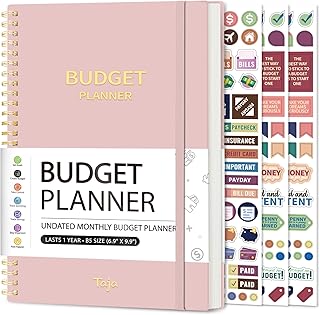
The Budget Planner – Monthly Budget Book with Expense Tracker
This undated planner tracks every dollar you earn and spend. Use it to log rent, utilities, and subscription due dates. With a 4.6-star rating and a price of $8.99, it’s an affordable way to build the habit of monitoring your cash flow—essential for ensuring you never miss a payment that could wind up on your credit report.
NICOOTH Budget Binder Cash Envelopes A6
The cash envelope method is perfect for controlling variable expenses like entertainment and groceries. By physically separating money for each category, you reduce the risk of overspending and late bill payments. This purple A6 binder includes zippered envelopes and costs just $6.28.
SKYDUE Budget Binder

Rated 4.7 stars, this binder is a comprehensive budgeting kit with cash envelopes, expense sheets, and a zipper closure. It helps you track irregular bills like annual subscription renewals. At $8.98, it’s a smart investment for anyone serious about staying on top of payment dates.
Budget Planner – Black Edition

A sleek black version of the popular planner, this undated book works for any year. Use it to pre-schedule your credit-boosting payments. Logging every bill in advance ensures you never miss a due date—critical when those payments are now being reported to credit bureaus.
Budgeting 101: From Getting Out of Debt and Tracking Expenses to Setting Financial Goals

This book teaches you how to align your spending with long-term goals, including building credit. It covers everything from debt repayment strategies to saving for emergencies. A 4.6 rating and $9.69 price make it a valuable addition to your financial library.
Building a Strategy: Step-by-Step Plan
Ready to make your rent, utilities, and subscriptions work for your credit? Follow this plan:
- Check your current credit reports at AnnualCreditReport.com. Note what’s missing.
- Sign up for Experian Boost (free) to instantly add eligible utility and streaming payments.
- Evaluate rent reporting. If you pay rent, choose a service like RentTrack or CreditMyRent. Budget the monthly fee.
- Consider eCredable Lift if you need reporting to Equifax and TransUnion for utilities.
- Automate your payments. Use your budget planner or binder to schedule auto-pay for all bills you’re reporting.
- Monitor your scores with Credit Karma or Experian to see changes.
- Avoid late payments at all costs. One slip-up can undo months of good work.
Remember: adding alternative data won’t fix a history of missed payments or high credit card balances. It’s a supplement, not a substitute.
For more foundational knowledge, explore our guide on Credit Scores Demystified: What They Are and Why They Matter. If you’re new to credit, read Building Credit from Scratch: Strategies for Students and Newcomers. And to avoid common mistakes, check out Credit Score Myths That Keep People Stuck with Bad Credit.
Frequently Asked Questions
Can I add past rent payments to my credit report?
Yes, services like RentReporters and Experian Boost allow you to add up to 24 months of past rent payments. You’ll need to provide proof of payment (bank statements or canceled checks).
Will adding utilities and subscriptions hurt my credit score?
Only positive payments are added. If you miss a payment and it’s reported, it could hurt. However, most services only add on-time payments. Always review the terms.
Do all three credit bureaus accept alternative data?
Experian is the most advanced with Experian Boost. Equifax and TransUnion accept rent reporting through partners like RentTrack and eCredable Lift, but coverage is less comprehensive.
How much can my score increase from reporting rent?
Experian reports an average boost of 13 points. For thin-file consumers, increases of 30–50 points are possible. Those with strong credit may see minimal change.
Is it safe to connect my bank account to these services?
Reputable services like Experian Boost use bank-level encryption and read-only access. They cannot move money. Always verify the service is legitimate and read privacy policies.
Can I report subscription payments individually?
Experian Boost automatically scans for eligible subscriptions (streaming, music, cloud storage). You don’t need to manually report them.
What if my landlord doesn’t accept rent reporting services?
Use a workaround like paying rent with a credit card (if allowed) or using a service that lets you self-report with bank statement verification.
Are there any free ways to get rent reported?
Experian Boost is free. Some landlords participate in free reporting through property management software. Check with your landlord first.
Does reporting utilities affect my insurance scores?
Insurance scores also use credit data. Adding positive payment history can improve your insurance score, potentially lowering your premiums.
How quickly will I see a change after adding payments?
Experian Boost updates immediately. Rent reporting services typically update within 30 days of your first reported payment.
Final Thoughts
Your rent, utilities, and subscriptions have more power than you think. With the right tools and a disciplined budgeting approach, you can transform these everyday expenses into a powerful credit-building engine. Start small—sign up for Experian Boost today, grab a budget planner to stay organized, and watch your financial profile grow stronger.
For deeper dives, read How to Check Your Credit Score and Report Without Hurting It and Proven Ways to Improve Your Credit Score in 90 Days. And if you’re recovering from past mistakes, don’t miss How to Recover Your Credit Score after Bankruptcy or Serious Delinquency.