Insurance Curator
Your credit score is a three-digit number that can open doors to better interest rates, rental approvals, and even job opportunities. But there’s one factor that holds outsized power over your score: credit utilization. It accounts for nearly 30% of your FICO Score — second only to payment history — and it’s the single metric you can improve fastest with the right strategy.
If you’ve ever been denied a credit limit increase or watched your score drop after a big purchase, credit utilization is likely the culprit. Understanding how it works, and how budgeting directly controls it, can be the difference between a healthy score and a disappointing one.
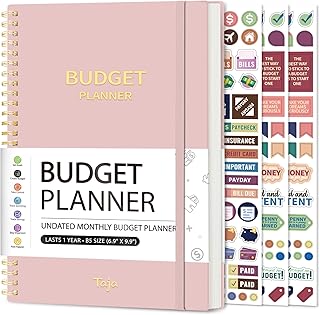
To start tracking your spending and keeping utilization low, a physical budget planner can be a game-changer. The Budget Planner – Monthly Budget Book with Expense Tracker Notebook is a popular choice that helps you monitor every dollar — a habit that directly protects your credit utilization ratio.
What Is Credit Utilization?
Credit utilization is the percentage of your total available credit that you’re currently using. Lenders calculate it by dividing your total credit card balances by your total credit limits, then multiplying by 100.
Example:
If you have a single credit card with a $10,000 limit and a $3,000 balance, your utilization is 30%.
The formula is simple:(Total Balances ÷ Total Credit Limits) × 100 = Utilization Rate
Most credit scoring models, including FICO and VantageScore, evaluate both your overall utilization (across all cards) and your per-card utilization. A high ratio on just one card can drag down your score even if your overall ratio looks good.
Real-World Example
Imagine you have three credit cards:
- Card A: $5,000 limit, $4,500 balance (90% utilization)
- Card B: $5,000 limit, $0 balance (0%)
- Card C: $10,000 limit, $500 balance (5%)
Overall utilization = $5,000 ÷ $20,000 = 25% — which is decent. But Card A at 90% signals risk to lenders, and that single high ratio can still hurt your score. Scoring models penalize accounts that max out their limit, even when you pay the full balance on time.
Why Credit Utilization Matters So Much
Credit utilization is a strong predictor of future credit risk. Borrowers who consistently use a high percentage of their available credit are statistically more likely to miss payments or default. Scoring models reflect this by rewarding low utilization and punishing high ratios.
The 30% Rule — and Why It’s Not Enough
The widely known “30% rule” suggests keeping utilization below 30% to maintain a good score. But experts say for excellent credit (above 760 FICO), you should aim for under 10% — and ideally 1%–9%.
Here’s a breakdown of how utilization affects FICO scores:
| Utilization Range | Impact on Credit Score |
|---|---|
| 0% | Good, but no activity can be slightly less optimal |
| 1%–9% | Excellent – ideal range |
| 10%–29% | Good to very good |
| 30%–49% | Noticeable drop begins |
| 50%–69% | Significant negative impact |
| 70%+ | Severe damage – signals high risk |
Why Zero Utilization Isn’t Perfect
Carrying a $0 balance on all cards sounds safe, but it can actually hurt you slightly. Scoring models want to see that you’re using credit responsibly, not avoiding it altogether. A very small balance (like $10 on a $1,000 limit) often scores higher than $0 because it proves you can manage revolving debt.
The “Make or Break” Reality
A single statement cycle can make or break your score depending on your utilization. Because utilization has no memory in current FICO models, you can drop from 90% to 10% in one month and see a 50–100 point increase almost immediately. Conversely, letting balances creep up can destroy months of good payment history.
Case Study:
Sarah has a total credit limit of $15,000. In January, she charges $12,000 for a medical emergency — her utilization jumps to 80%. Her FICO score drops from 740 to 660. In February, she pays down the balance to $2,000 (13% utilization). Her score rebounds to 735. The payment history never changed — only utilization did.
This volatility is why budgeting is essential. A Budget Binder with Zipper Envelopes can help you plan for large expenses so they don’t spike your balances unexpectedly.

How Budgeting Directly Affects Your Credit Utilization
Budgeting isn’t just about saving money — it’s a direct tool to control credit utilization. When you track every expense, you avoid overspending that leads to high credit card balances.
Step-by-Step Connection
- Create a monthly budget that allocates specific amounts for each category (groceries, utilities, entertainment).
- Use credit cards for purchases you’ve budgeted — never charge more than your planned spending.
- Pay your balance in full before the statement closing date to keep reported utilization low.
- Review your budget weekly to catch spending spikes before they appear on your credit report.
Essentially, a budget becomes your spending ceiling. Without one, it’s easy to charge impulsively and watch utilization soar.
The Budgeting Mindset Shift
Instead of focusing on “paying off debt later,” think about spending less now. Every dollar you charge today will appear on your next statement, and if that statement gets reported before you pay it, your utilization jumps. Budgeting eliminates the guesswork.
A dedicated budgeting tool like the SKYDUE Budget Binder provides cash envelopes and expense sheets, making it easy to stick to limits — especially for variable categories like dining or shopping.

Expert Tips to Keep Utilization Low
1. Pay Early, Not Just on Time
Most card issuers report your balance to credit bureaus on your statement closing date. If you pay the balance before that date, the reported balance will be low, even if you used the card later in the cycle. This “pay before statement” trick can keep utilization near zero without losing the benefit of card usage.
2. Request a Credit Limit Increase
If your income has grown, ask your card issuer for a higher limit. A higher limit lowers your utilization without requiring you to spend less. For example, if your limit goes from $5,000 to $10,000 and you owe $1,500, utilization drops from 30% to 15%.
3. Spread Balances Across Cards
Avoid piling all spending onto one card. If you have multiple cards, use them evenly to keep each utilization low. But be careful not to open new accounts just for this — too many inquiries can hurt your score.
4. Avoid Closing Old Cards
Closing an old credit card reduces your total available credit, which can spike your utilization. Even if you don’t use an old card, keep it open to preserve a higher credit limit.
5. Use a Budget Planner to Monitor Spending
A physical planner can reinforce discipline. The Budget Planner – Black is a popular undated option that lets you track expenses monthly — essential for keeping credit card charges in check.

Tools to Help You Manage Budget and Credit Utilization
A dedicated budgeting system makes it much easier to stay on top of your credit utilization. Here are the top-rated products from Amazon that combine organization with financial literacy.
1. Budget Planner – Monthly Budget Book (Pink or Black)
- Price: $8.99
- Rating: 4.6/5
- Features: Undated monthly and weekly layouts, expense tracker, bill organizer, pockets for receipts.
- Best For: Individuals who prefer writing out their spending plan and reviewing it regularly.
Use it to log every credit card charge and compare against your planned spending. This simple habit prevents unexpected high balances.
2. NICOOTH Budget Binder with Zipper Envelopes (Purple)
- Price: $6.28
- Rating: 4.6/5
- Features: A6 size, cash envelopes, zipper closure, includes budgeting sheets and goal trackers.
- Best For: The cash envelope system — ideal for variable expenses that often end up on credit cards.
The envelope method forces you to assign physical cash to categories. If you run out of envelope money, you know not to charge that category to your card.
3. SKYDUE Budget Binder
- Price: $8.98
- Rating: 4.7/5
- Features: 12 zipper envelopes, 60 budget sheets, cleaning and meal planner included.
- Best For: A complete household budgeting system that covers all spending areas.
Using a binder with separate envelopes helps you visualize your credit utilization per category — food, gas, entertainment — so you never overspend in one area and spike your ratio.
4. Budgeting 101: From Getting Out of Debt and Tracking Expenses… (Adams 101 Series)
- Price: $9.69
- Rating: 4.6/5
- Features: 256-page book covering debt, savings, expense tracking, and goal setting.
- Best For: Readers who want a deep understanding of budgeting principles alongside practical exercises.
This book explains the psychology behind spending and gives you frameworks to prevent high credit utilization before it starts. Pair it with a planner for maximum effect.

How to Monitor Your Credit Utilization
You can’t control what you don’t measure. Check your utilization regularly using these methods:
- Credit card online portals – Most issuers show your current balance and available credit prominently.
- Free credit monitoring services – Many apps (Credit Karma, WalletHub) display your utilization percentage.
- Your credit report – Get free weekly reports from AnnualCreditReport.com. See exactly what each card reports as of the statement date.
For a full guide on checking your credit safely, read How to Check Your Credit Score and Report Without Hurting It?.
Common Myths About Credit Utilization
Myth 1: You must carry a balance to build credit.
Truth: You don’t need to pay interest. Paying in full before the due date builds credit just as well, and you avoid interest charges.
Myth 2: Utilization only matters the month before you apply for credit.
Truth: While utilization has no memory, your current ratio is always visible. A high ratio at any time can trigger rate increases or credit limit decreases.
Myth 3: Spending more and paying quickly is fine.
Truth: If a large charge appears on your statement before you pay it, it can be reported as a high balance. Pay early to avoid this.
Myth 4: Closing a card automatically boosts your score.
Truth: Closing a card lowers your total credit limit, raising utilization. Keep old cards open unless they have annual fees.
For more myths and truths, see Credit Score Myths That Keep People Stuck with Bad Credit.
FAQ
What is a good credit utilization ratio?
A utilization ratio below 30% is considered good, but under 10% is excellent for top-tier scores.
Does paying off a credit card immediately improve utilization?
Yes. Paying before the statement closing date reduces the balance reported to credit bureaus, lowering your utilization ratio.
Can high utilization hurt my score if I pay in full each month?
Yes. Even if you pay the full balance by the due date, if your statement balance is high, that high number gets reported. The scoring model doesn’t know you’ll pay it next week.
How quickly can my credit score recover from high utilization?
As soon as the lower balance is reported (usually within one billing cycle), your score can bounce back. That’s why utilization is considered a “no memory” factor.
Should I close a credit card with high utilization?
No. Closing the card reduces your total credit limit, which can actually increase your overall utilization. Instead, pay down the balance and keep the card open.
Does utilization affect business credit scores?
Yes, many business credit scoring models also factor in utilization. The same principles apply.
For a complete overview of how credit scores work, see Credit Scores Demystified: What They Are and Why They Matter.
Conclusion
Credit utilization is one of the most powerful levers you can pull to improve your score quickly — but it’s also one of the easiest to let slip. Without a budget, it’s common to charge more than planned and end up with a ratio that drags down your credit.
The good news: budgeting directly controls utilization. By tracking every dollar, using credit cards strategically, and paying early, you can keep your utilization in the sweet spot (1%–9%) and watch your score climb.
Start today with a simple budgeting tool — whether it’s a physical planner like the Budget Planner – Monthly Budget Book or a cash envelope binder. Small habits create big credit wins.
If you’re interested in deeper credit-building strategies, explore our guides on Proven Ways to Improve Your Credit Score in 90 Days, Using Credit Cards Wisely to Build Credit Without Going Into Debt, and How Late Payments, Collections, and Defaults Actually Impact Credit Scores.
Now go grab that budget planner — your credit score will thank you.