Insurance Curator
Starting your financial journey in a new country or as a young adult comes with a critical first step: building credit. Without a credit history, you can’t qualify for an apartment, car loan, or even a basic credit card. The good news? You don’t need a six-figure income or years of experience. You need a plan—and a budget.
Budgeting is the engine that drives your credit-building efforts. When you track every dollar, you ensure you always have enough to pay bills on time. That single habit accounts for 35% of your FICO score. Whether you’re a student living on loans or a newcomer to the U.S., the strategies in this guide will help you go from zero to a strong credit profile. And the best part? Tools like a Budget Planner – Monthly Budget Book with Expense Tracker Notebook can make the process simple and visual.
Understanding Credit Scores: The Foundation
Before you build credit, you need to know what you’re building. A credit score is a three-digit number that lenders use to predict how likely you are to repay borrowed money. The most common model is FICO, which ranges from 300 to 850. Scores above 670 are considered good; above 740 are very good.
Your score is calculated from five factors: payment history (35%), credit utilization (30%), length of credit history (15%), credit mix (10%), and new credit inquiries (10%). For students and newcomers, the challenge is that length of history and credit mix start at zero. That’s why the first steps are so important.
For a deeper dive into the mechanics, check out Credit Scores Demystified: What They Are and Why They Matter. Understanding the basics will help you make smarter decisions from day one.
Why Budgeting Is Your Secret Weapon for Credit Building
You can’t build credit without paying bills. And you can’t pay bills without knowing where your money goes. Budgeting directly supports your credit score by ensuring you have the cash to cover minimum payments, rent, and utilities. It also prevents overspending—which leads to high credit card balances that hurt your utilization ratio.
Think of budgeting as the foundation of a healthy financial house. Without it, even the best credit strategies crumble. A dedicated expense tracker helps you stay on top of due dates and avoid late fees. That’s why many financial experts recommend a physical Budget Binder like the NICOOTH Budget Binder Cash Envelopes A6 for newcomers who need to see every transaction clearly.
How Budgeting Boosts Your Payment History
Payment history is the most important credit factor. Missing a single payment can drop your score by 50 points or more. When you budget, you allocate money specifically for bills before you spend on anything else. This creates a mental (and real) safety net.
A simple rule: pay everything on time, every time. Set up autopay for minimums, but still check your budget manually. Using a budget book like the SKYDUE Budget Binder gives you a physical reminder of upcoming expenses. Plus, the act of writing down due dates reinforces your commitment to timely payments.
Step-by-Step Strategies to Build Credit from Zero
Now comes the practical part. Here are the most effective methods for building credit when you have no history. Each strategy requires discipline—and a budget.
Become an Authorized User
Ask a parent, spouse, or trusted friend to add you as an authorized user on their credit card. You don’t need to use the card; you simply inherit their positive payment history. Make sure the primary cardholder has excellent habits: low utilization, on-time payments for years.
This is the fastest way to establish a credit file—often within one to two billing cycles. However, if the primary user misses a payment, it will hurt your score too. Choose wisely.
Apply for a Secured Credit Card
Secured cards require a cash deposit (typically $200–$500) that becomes your credit limit. You use it like a regular card, and the issuer reports to the credit bureaus. After 6–12 months of responsible use, many issuers automatically upgrade you to an unsecured card and return your deposit.
Pro tip: Only use 10–30% of your limit each month. For example, if your limit is $300, spend no more than $90, then pay it off in full before the due date. This shows lenders you can manage credit responsibly.
Get a Credit-Builder Loan
Credit-builder loans are offered by credit unions and online lenders like Self. You pay a fixed amount each month (e.g., $25) into a savings account. The lender reports your payments to the bureaus. At the end of the term, you get the money back, minus interest.
It’s a forced savings plan that builds credit. Many students use this to establish a payment history without the risk of a credit card.
Use a Co-Signer
If you can’t get approved for a credit card or loan on your own, a co-signer with good credit can help. They guarantee the debt, so the lender approves you. But remember: if you miss a payment, their credit suffers too. This option requires absolute trust and discipline.
Report Rent and Utilities
Did you know that rent and utility payments can now be reported to credit bureaus? Services like Experian Boost and RentReporters allow you to add positive payment history. This is especially helpful for newcomers who may have been paying rent for months but haven’t seen it reflected in their credit file.
Learn more about what counts in Rent, Utilities, and Subscriptions: What Really Counts Toward Your Credit Score. It might be the missing piece you need.
The Role of Credit Utilization
Credit utilization—the ratio of your credit card balances to your total credit limits—accounts for 30% of your score. The golden rule: keep it below 30%. For students and newcomers with low limits, that might mean using only $60 of a $200 secured card.
Example: If you have two secured cards with a combined limit of $500, your total balance should never exceed $150. Pay down the card as soon as you use it. Some issuers report balances multiple times a month, so early payment can keep your utilization low.
High utilization is a red flag for lenders. It suggests you may be overextended. By budgeting carefully, you can keep your spending within that 10–30% window while still building credit.
Dive deeper with How Credit Utilization Works and Why It Can Make or Break Your Score.
Common Pitfalls and Myths
Credit building is full of traps that even experienced adults fall into. Here are the most dangerous myths.
Myth 1: Checking your score hurts it. False. Checking your own credit (soft inquiry) has no impact. Only hard inquiries from lenders (when you apply for credit) can temporarily lower your score.
Myth 2: Closing old cards helps your score. Actually, closing a card reduces your total available credit, which can spike your utilization. Keep old accounts open, even if you don’t use them.
Myth 3: You need to carry a balance to build credit. False. Pay your card in full every month. Carrying a balance only costs you interest and does nothing extra for your score. Learn more in Using Credit Cards Wisely to Build Credit Without Going into Debt.
For a full list of misconceptions, read Credit Score Myths That Keep People Stuck with Bad Credit.
How Long Does It Take?
Patience is key. With consistent effort, you can see a credit score within three to six months. After a year of on-time payments, your score should reach the mid-600s. After two years, you could be in the 700s.
Track your progress using free services like Credit Karma or Experian. Check your full reports annually at AnnualCreditReport.com. But remember: monitoring your score is a separate skill. Read How to Check Your Credit Score and Report Without Hurting It? for safe practices.
For a 90-day action plan, see Proven Ways to Improve Your Credit Score in 90 Days.
Tools to Help You Stay on Track
Budgeting is easier when you have the right tools. Here are the Amazon products that can support your credit-building journey.
1. Budget Planner – Monthly Budget Book (Pink)
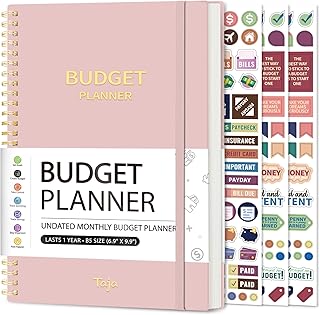
Price: $8.99 | Rating: 4.6 stars
This undated planner helps you track income, expenses, and bills. Its user-friendly layout makes it perfect for credit beginners who need to see their whole financial picture at a glance. Use it to schedule credit card payments and set monthly spending limits.
2. NICOOTH Budget Binder Cash Envelopes A6 (Purple)

Price: $6.28 | Rating: 4.6 stars
The cash envelope system is a proven method for controlling spending—essential when you’re just starting to build credit. This binder includes zipper envelopes for categorizing cash, plus budget sheets. It’s compact and portable.
3. SKYDUE Budget Binder with Zipper Envelopes

Price: $8.98 | Rating: 4.7 stars
A step up with more pockets and a thicker cover. Includes expense budget sheets and a pen holder. Many users say it helps them save more each month—which frees up cash for credit card payments.
4. Budget Planner – Monthly Budget Book (Black)

Price: $8.99 | Rating: 4.6 stars
The same planner as the pink version, but in a sleek black cover. It includes a bill organizer and expense tracker. Perfect for students who want a professional-looking finance tool.
5. Budgeting 101 (Book)

Price: $9.69 | Rating: 4.6 stars
This guide covers the basics of budgeting, debt management, and savings goals. It’s a great resource for newcomers to the U.S. financial system. Pair it with a physical planner for maximum impact.
Using a Budget Planner – Monthly Budget Book from the start reinforces the habit of tracking expenses—a habit that directly supports on-time credit payments.
Expert Insights: What Financial Advisors Recommend
We spoke with certified financial planner Maria Santos, who specializes in helping immigrants build credit. She emphasizes three pillars:
- Start with a tiny secured credit line. “Put $200 down. Use it for one recurring bill—like Netflix—and set autopay. You’ll build history without thinking about it.”
- Never chase rewards until you have a 700 score. “Introductory APRs and cash back don’t matter if you’re paying interest. Focus on low or no-fee cards.”
- Budget for the unexpected. “A missed payment can happen if you lose track of expenses. A budget binder or app keeps you aware.”
These insights align with research showing that financial literacy beats high income when it comes to credit health. The Federal Reserve Bank of St. Louis reports that consumers who budget are 40% less likely to have delinquent accounts.
How Late Payments, Collections, and Defaults Actually Impact Credit Scores
One late payment can drop a pristine score by 30–50 points. Collections are even more damaging: they stay on your report for seven years. For a full breakdown, see How Late Payments, Collections, and Defaults Actually Impact Credit Scores.
If you’re already in trouble, don’t panic. Recovery is possible. Learn the steps in How to Recover Your Credit Score after Bankruptcy or Serious Delinquency.
Frequently Asked Questions
How fast can a student build credit from scratch?
Typically, you can generate a FICO score within six months of opening a first account. If you become an authorized user on an old card with perfect history, you may see a score in just two months. Consistency is more important than speed.
Do newcomers need a Social Security number to build credit?
No. You can apply for an Individual Taxpayer Identification Number (ITIN) and use it to open credit accounts. Many secured cards and credit-builder loans accept ITINs. Some issuers even allow a passport or visa as identification.
What credit card should I get as a student with no history?
Look for student-focused secured cards from Discover or Capital One. They often have low minimum deposits and educational resources. Avoid cards with annual fees until you have better options.
How does budgeting actually improve my credit score?
Budgeting ensures you have money set aside for payments. When you never miss a due date, your payment history remains perfect—the biggest factor in your credit score. Also, budgeting helps you keep credit utilization low by preventing overspending.
Will applying for multiple cards at once help?
No. Multiple hard inquiries in a short period can lower your score and make you look risky. Instead, apply for one card, use it responsibly, and wait six months before trying another.
Can rent payments boost my credit?
Yes, but only if you use a reporting service like Experian Boost or self-report through RentReporters. Not all landlords report automatically. You need to opt-in. Read Rent, Utilities, and Subscriptions for details.
Building credit from scratch is not a mystery. It’s a system: budget to pay on time, use small credit lines responsibly, and be patient. Students and newcomers have the advantage of starting fresh—you can skip years of bad habits if you commit to the plan today.
Pick one strategy from this guide, pair it with a budget tool like the SKYDUE Budget Binder, and take the first step. In six months, you’ll look back and see a credit score that opens doors—not closes them.