 Insurance Curator
You clock out at 5 p.m., but your financial goals never take a break. Whether you’re building an emergency fund, paying down debt, or saving for a dream vacation, a side hustle can bridge the gap between your monthly paycheck and your ambitions. The challenge? Finding something that actually fits into the margins of a demanding full-time career.
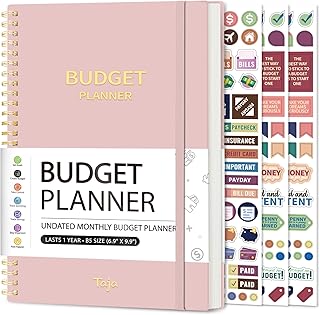
This guide is built for professionals who value their time as much as their money. We’ll explore side hustles designed to respect your 9–5 schedule, while also showing you how to budget the extra income wisely. Along the way, we’ll highlight practical tools like a Budget Planner – Monthly Budget Book with Expense Tracker Notebook to help you track every dollar earned.
Why a Side Hustle Makes Sense for Busy Professionals
Your primary income covers the essentials, but it rarely leaves room for aggressive saving or guilt-free spending. A side hustle provides:
- Financial cushion – Extra cash for unexpected expenses or investments.
- Skill diversification – Learn new abilities that can boost your main career.
- Debt acceleration – Pay off student loans, credit cards, or a mortgage faster.
- Fun money – Travel, hobbies, or guilt-free splurges without touching your budget.
But without a budget, that extra income can disappear. That’s why we’ll also dive into practical budgeting strategies and recommend tools like the SKYDUE Budget Binder.
What Makes a Side Hustle 9–5 Friendly?
Not every money-making idea works for someone tied to a desk from nine to five. The best fits share these traits:
- Low time commitment – 5–10 hours per week, evenings or weekends.
- Flexible schedule – Work when you want, not when a client demands.
- No rigid deadlines – Avoid stress that bleeds into your day job.
- Minimal startup cost – Little financial risk for professionals already stretching their budget.
- Scalable or passive – Earn while you sleep or gradually increase earnings without burning out.
10 Side Hustle Ideas That Fit a Full-Time Schedule
1. Freelance Writing or Editing
If you write reports, emails, or proposals at work, you already have the skill. Many businesses need blog posts, newsletters, and white papers. Platforms like Upwork or ProBlogger connect you with clients. Start with 500-1000 word pieces at $50–$200 each.
Time needed: 3–6 hours per week per client.
Potential income: $200–$1,000 per month depending on volume.
2. Virtual Assistant
Busy entrepreneurs, coaches, and small business owners need help with email management, scheduling, social media, and data entry. As a VA, you set your hours and pick tasks that match your skills.
Time needed: 5–10 hours per week.
Potential income: $15–$30 per hour.
3. Online Tutoring or Teaching
Use your expertise in a subject like math, accounting, or a foreign language. Platforms like Wyzant or VIPKid let you teach from home. Evening slots align perfectly with students’ after-school schedules.
Time needed: 2–6 hours per week.
Potential income: $20–$60 per hour.
4. Print on Demand (POD)
Design t-shirts, mugs, or phone cases using free tools like Canva. Upload designs to Printful or Redbubble. They handle production and shipping; you earn a commission on each sale.
Time needed: 2–4 hours initial setup, then 1–2 hours per week for promotion.
Potential income: $100–$500 per month once established.
5. Pet Sitting or Dog Walking
Use a lunch break or weekend morning to walk dogs for neighbors. Apps like Rover let you set your availability. Low stress, good exercise, and steady demand.
Time needed: 30–60 minutes per visit.
Potential income: $15–$30 per walk.
6. Renting Out a Room or Parking Space
If you have extra space in your home or a driveway in a high-demand area, list it on Airbnb or SpotHero. This requires almost no ongoing effort after the initial listing.
Time needed: 1–2 hours per month for management.
Potential income: $200–$1,000 per month.
7. Selling Digital Products
Create planners, spreadsheets, resume templates, or e-books once and sell them forever on Etsy or Gumroad. A Budgeting 101 book can inspire your own digital budget planner.

Time needed: 10–20 hours for initial creation, then 1 hour per week for promotion.
Potential income: $100–$2,000 per month.
8. Micro-Task Websites
Complete small tasks like data categorization, surveys, or app testing on platforms like Amazon Mechanical Turk or UserTesting. Great for filling spare 15-minute pockets.
Time needed: 15–30 minutes per day.
Potential income: $50–$200 per month.
9. Affiliate Marketing
Promote products you already love (budget binders, planners, books) through a blog or social media. You earn a commission on sales via affiliate links. This pairs perfectly with a content site like InsuranceCurator.
Time needed: 3–5 hours per week for content creation.
Potential income: $100–$1,000+ per month.
10. Selling Used Items or Flipping Goods
Declutter your home and sell clothes, electronics, or furniture on Facebook Marketplace, Poshmark, or eBay. With a few hours on weekends, you can turn unused items into cash.
Time needed: 2–4 hours per week.
Potential income: $100–$500 per month.
How to Budget Side Hustle Income (and Avoid Lifestyle Creep)
Extra income can vanish faster than you think if you don’t have a plan. That’s where budgeting tools come in. A dedicated system helps you allocate every side hustle dollar toward specific goals.
Why Physical Budget Planners Work for Professionals
Digital apps are great, but many successful side hustlers swear by a physical budget binder. It forces you to pause, reflect, and manually track income and expenses. Here are three top-rated Amazon products that can transform how you manage your side hustle money:
| Product | Price | Rating | Key Feature |
|---|---|---|---|
| Budget Planner – Pink | $8.99 | 4.6 ★ | Monthly undated layout, expense tracker, bill organizer |
| NICOOTH Budget Binder (Purple) | $6.28 | 4.6 ★ | Cash envelope system with zipper pockets |
| SKYDUE Budget Binder | $8.98 | 4.7 ★ | Includes expense sheets and cash envelopes |

Step-by-Step: Budgeting Your Side Hustle Earnings
- Open a separate account – A free checking or savings account just for side hustle money.
- Log every deposit – Use a Budget Planner – Black to record dates and amounts.
- Follow the 50/30/20 rule – Allocate 50% toward savings or debt, 30% toward fun, and 20% toward taxes or business expenses.
- Reinvest wisely – Use part of your earnings to upgrade tools or take a course.
- Track progress monthly – Review your binder or envelope system to see how close you are to your financial goals.
Pro tip: The SKYDUE Budget Binder includes zipper envelopes that let you physically separate cash for different categories—a powerful way to resist overspending.
Balancing a Side Hustle with a Full-Time Job
Burnout is the number one reason professionals abandon side hustles. Protect your sanity with these boundaries:
- Schedule hustle hours – Block 6–8 p.m. on Tuesdays and Thursdays, plus Saturday morning. No exceptions.
- Use a calendar – Treat side hustles like appointments. If it’s not on the calendar, it doesn’t exist.
- Say no often – Decline low-paying gigs or projects that disrupt your primary job performance.
- Automate where possible – Use social media schedulers, auto-responders, and templates to save time.
For deeper guidance, read our article on How to Avoid Burnout While Balancing a Full-time Job and a Side Hustle.
Choosing the Right Side Hustle for Your Skills
Not every idea works for every professional. The best side hustle aligns with your existing strengths, interests, and schedule constraints. Ask yourself:
- What skill do people compliment me on at work (writing, organizing, teaching)?
- How many hours can I realistically spare each week without sacrificing sleep or health?
- Do I prefer solitary work (freelance writing) or social interaction (pet sitting)?
Use our comprehensive guide on How to Choose the Right Side Hustle Based on Your Skills and Lifestyle to narrow your options.
Tax and Legal Basics for Side Hustlers
Many professionals overlook taxes until they get a surprise bill. Here’s what you need to know:
- You must report all income over $400 to the IRS (or equivalent in your country).
- Track business-related expenses: internet, software, home office space, mileage.
- Consider registering as a sole proprietor for liability protection.
- Set aside 25–30% of each payment for taxes.
For a full breakdown, see our article on Tax and Legal Basics for Side Hustles: What New Earners Need to Know.
Turning a Side Hustle into a Reliable Second Income
A sporadic side gig can evolve into a steady revenue stream. The transition requires:
- Consistency – Publish content or complete tasks on a regular schedule.
- Price increases – Raise rates as you gain reviews and results.
- Outsourcing – Hire a virtual assistant for repetitive work once you earn enough.
- Niche focus – Specialize in a high-demand area (e.g., resume writing for tech professionals).
Our Beginner’s Guide to Turning a Side Hustle into a Reliable Second Income covers scaling strategies and common pitfalls.
Online Side Hustles vs. Offline Gigs: Pros and Cons for Professionals
| Aspect | Online Side Hustles | Offline Side Hustles |
|---|---|---|
| Flexibility | High – work anytime, anywhere | Lower – often requires specific location/times |
| Startup cost | Minimal (laptop, internet) | Varies (transport, equipment) |
| Earning potential | Unlimited (scalable) | Limited by your time |
| Social interaction | Low | High |
| Sustainability | Easy to maintain long-term | Can be physically tiring |
For a deeper comparison, read Online Side Hustles vs. Offline Gigs: Which Earn More and Which Are Sustainable?.
Side Hustles for Parents: Special Considerations
If you’re also juggling family responsibilities, your side hustle must fit around school runs, dinner, and bedtime. Great options for parents:
- Transcription – Work in 20-minute snatches while kids sleep.
- Blogging/Vlogging – Flexible hours; can involve your family as content.
- Selling crafts – Make items during downtime, sell at weekend markets or Etsy.
Read our guide on Side Hustles for Parents: Flexible Ways to Earn Around Family Life for more ideas.
Scaling Your Side Hustle: When and How to Raise Prices
Once you’ve built a reputation and a steady client base, it’s time to scale. Signs you’re ready:
- You’re turning down work because you’re too busy.
- Clients ask for more complex, higher-value services.
- You’ve developed a unique process that saves time.
Our article on Scaling a Side Hustle: When and How to Raise Prices, Outsource, or Expand will walk you through the transition.
Side Hustles for Teens and College Students: Safe & Legit Options
Young professionals just starting their careers can also benefit from a side gig. Options like pet sitting, tutoring, or selling handmade goods teach financial literacy and time management. Always research platforms to avoid scams.
Check out Side Hustles for Teens and College Students: Safe and Legit Ways to Make Money for age-appropriate ideas.
Side Hustles You Can Start with Little to No Money Upfront
Many of the ideas above require only a laptop and internet connection. Freelance writing, virtual assisting, and micro-tasks cost nothing to begin. If you want to start even leaner, use free versions of tools and public library Wi-Fi.
For a full list, see Side Hustles You Can Start with Little to No Money Upfront.
Frequently Asked Questions
Q1: How many hours a week should I dedicate to a side hustle if I work full-time?
Aim for 5–10 hours. This range allows you to earn meaningful extra income without sacrificing sleep, health, or job performance.
Q2: Do I need to tell my employer about my side hustle?
Check your employment contract. Some companies require disclosure. As long as you don’t use company time or resources, most employers don’t mind.
Q3: What’s the fastest way to start a side hustle with zero money?
Sign up for a micro-task platform like UserTesting or start a freelance writing profile on Upwork. Both have low barriers and no upfront costs.
Q4: Should I track side hustle income separately from my main job income?
Absolutely. Use a dedicated budget binder or a separate bank account to avoid confusion and simplify tax filing.
Q5: What if my side hustle makes less than $600 a year?
You still need to report it on your tax return if it exceeds $400 (U.S. rules). Check your local tax laws.
Q6: Can I turn my side hustle into a full-time career?
Yes, many professionals have. Gradually reinvest earnings, build a client base, and transition when your side income consistently covers your expenses.
Q7: How do I avoid burnout when balancing a side hustle and a 9–5 job?
Set strict work hours, use a calendar, batch tasks, and take one full day off each week. Prioritize sleep and exercise.
Q8: Which side hustle earns the most per hour for busy professionals?
Freelance high-skill services (consulting, copywriting, web development) often pay $50–$150 per hour. Tutoring specialized subjects also commands premium rates.
Q9: Is it better to focus on one side hustle or try multiple?
Start with one. Master it before adding another. Diversifying too early can lead to scattered effort and reduced earnings.
Q10: Do I need a budget if my side hustle only brings in $100 a month?
Yes. Even small amounts can be lost to impulse spending. A budget binder helps you decide whether to save, invest, or pay down debt.
Final Thoughts
A side hustle doesn’t have to consume your evenings or wreck your weekends. With the right choice—aligned to your skills and schedule—you can build a meaningful second income stream while keeping your 9–5 intact. The key is to budget every dollar you earn, using tools like the SKYDUE Budget Binder to stay organized and intentional.
Start small, choose one idea from this list, and commit to a consistent schedule. Your future self—with lower debt, bigger savings, and new skills—will thank you.